IṢẸ́ ỌNÀ
ẸWÀ ÀTI ÌLERA
IṢẸ́ ỌWỌ́
ÀṢÀ ÀTI ÌTÀN
ÌṢERÉ
ÀYÍKÁ
OÚNJẸ ÀTI OHUN MÍMU
REVERSE ENGINEERING
SÁYẸ́ǸSÌ
ERÉ ÌDÁRAYÁ
ÌMỌ̀-Ẹ̀RỌ
ÀWỌN OHUN WÍWỌ̀
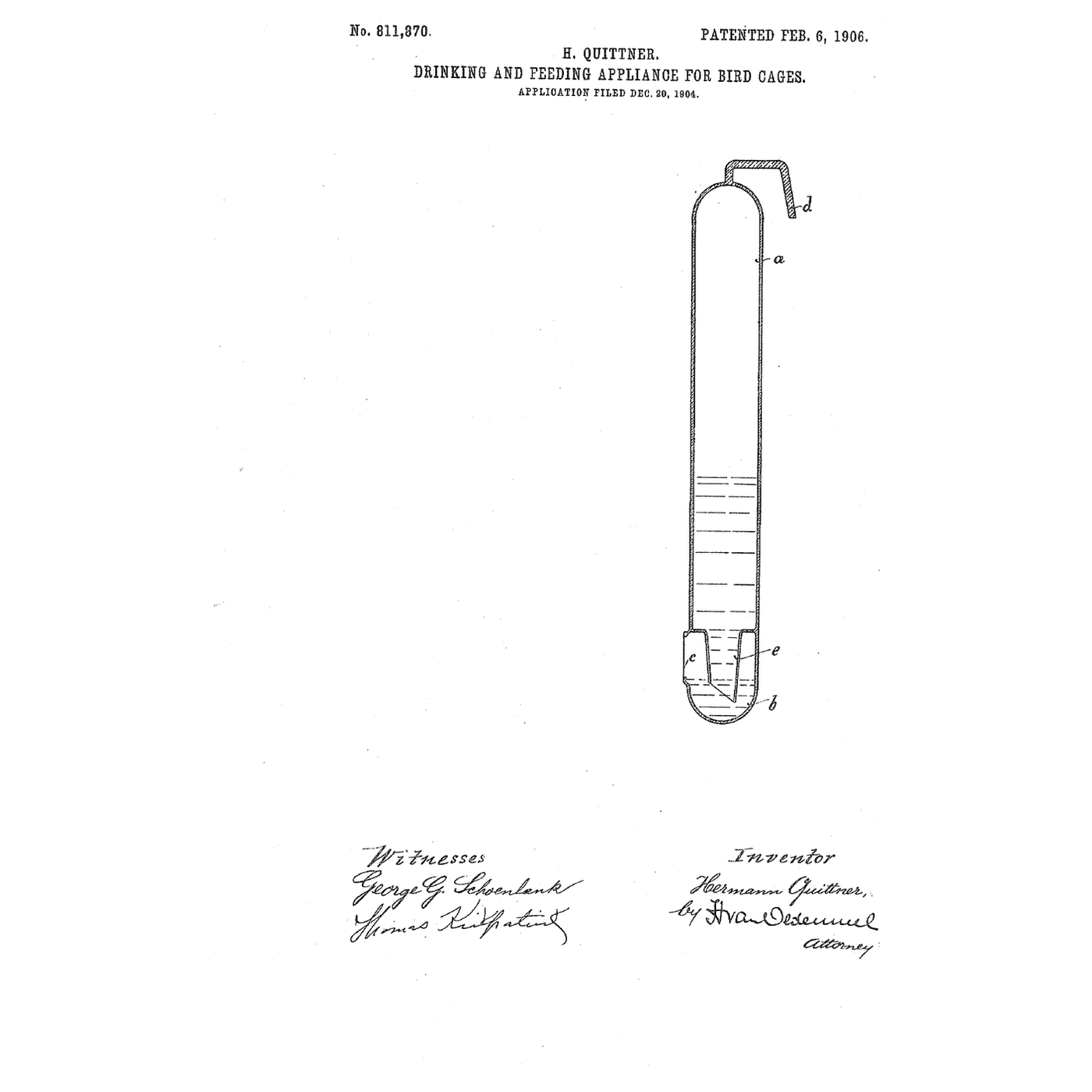


The Siphon Bird Waterer: An Oblique Cut That Lets the Air In
A drinker that refills itself keeps a caged bird in water for days, but only if it actually refills.
Hermann Quittner of Berlin received US 811,870, dated 6 February 1906, for a drinking appliance for bird-cages "made on the principle of a common siphon barometer": a closed tube whose upper part is the reservoir and lower part the basin, joined by a small tube. Its lower end is cut obliquely, so that air bubbles in and the basin refills as the bird drinks, where a square-cut tube could hold the water back.
This rung works out how far surface tension can hold the water back, then builds two drinkers, one square-cut and one oblique, and compares them.
Olùbẹ̀rẹ̀
About 2 hours
Ìlànà
1
1
How far a meniscus holds
How far a meniscus holds
Ń ṣí ìwé Jupyter…
2
2
Air holds the water up
Air holds the water up
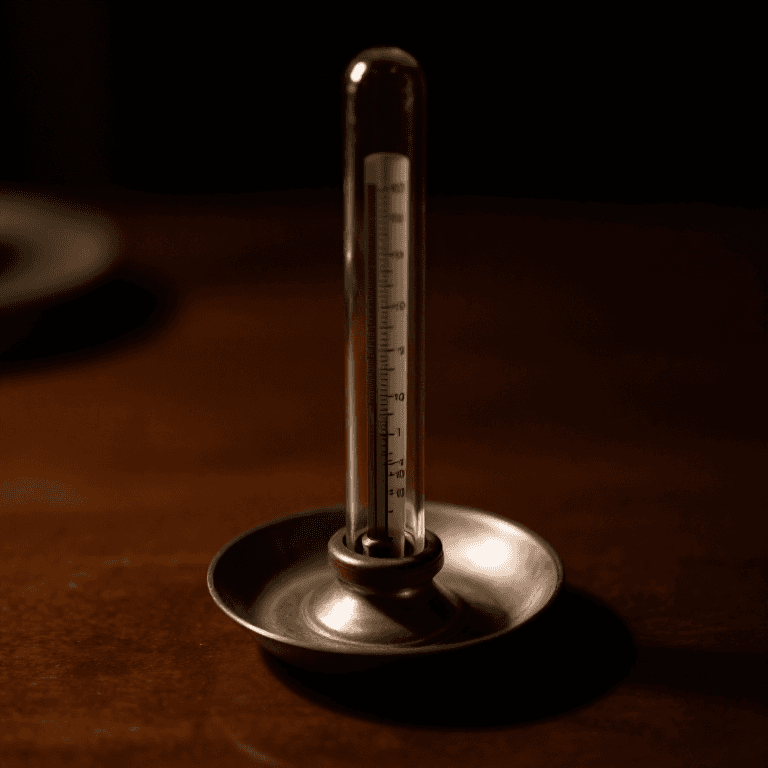
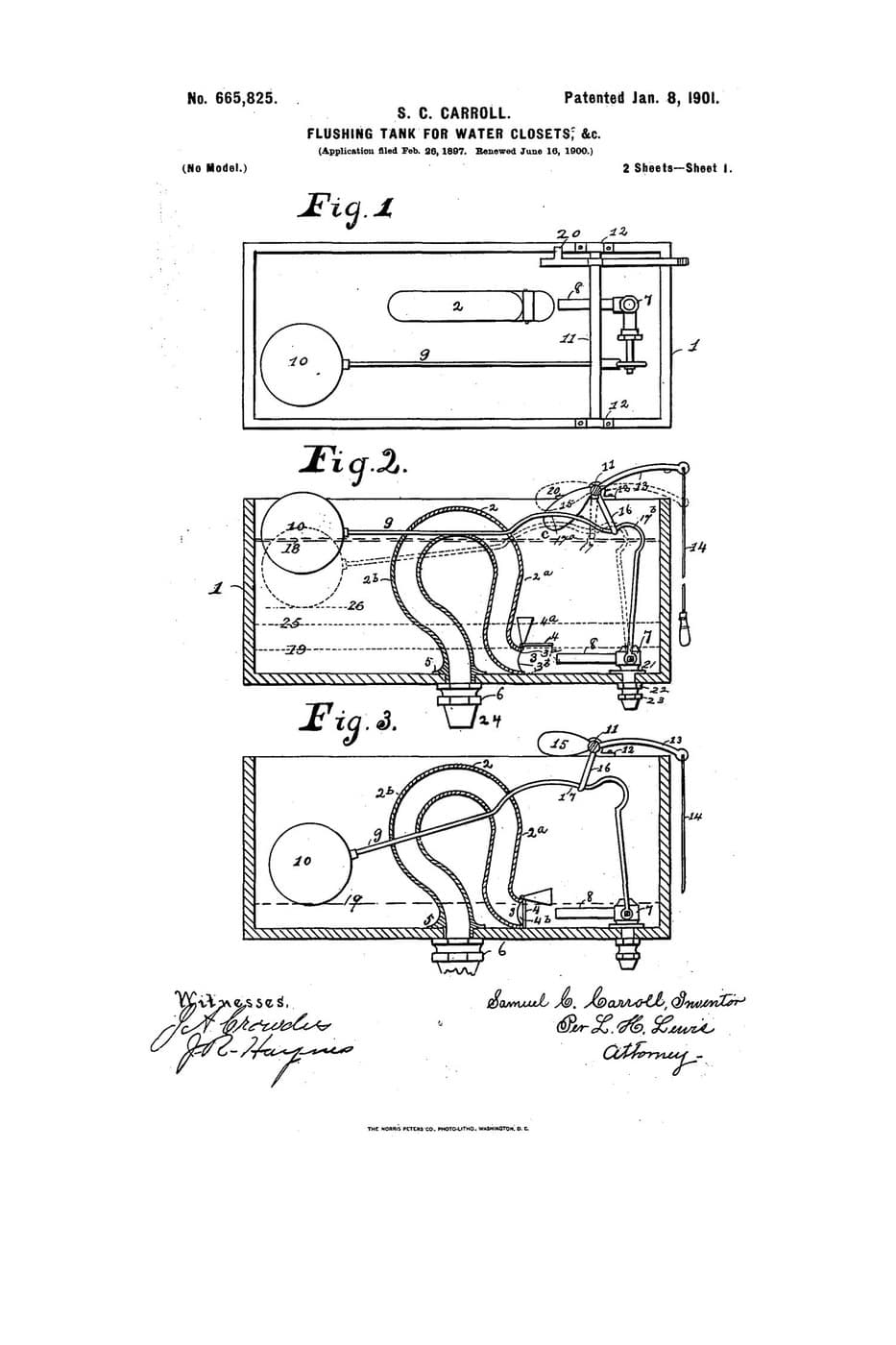
The embedded blueprint shows the air's pressure holding water up in a closed glass. Quittner's reservoir is held up the same way until the bird lets air in.
3
3
Read US 811,870
Read US 811,870
"My invention relates to drinking and feeding appliances designed for bird-cages and made on the principle of a common siphon barometer".
In earlier drinkers the small tube was "cut square—that is to say, at right angles to the axis of the tube—which has the disadvantage that by the action of the vacuum formed in the upper part of the vessel on the one hand and the outer air-pressure on the other hand the water is kept in equilibrium, so that the feeding-basin may be emptied without water being allowed to flow from the reservoir."
"For the purpose of insuring the outflow from the reservoir to the feeding-basin b in proportion to the removal of water from the latter by the bird the bottom end of the aforesaid small tube is cut obliquely for facilitating the entrance of air-bubbles."
4
4
Build two drinkers and compare them
Build two drinkers and compare them
Cut two 20 cm lengths of clear acrylic tube. Close the bottom of each with a rubber stopper. With a hacksaw and knife, cut a window 2 cm high in the side of each tube, just above the bottom stopper: this is the basin.
Drill a hole through a second stopper for each tube and push a 3 cm length of vinyl tubing through it. Cut the lower end of one tubing square and the other at about 45°. Push each stopper up the tube until it sits just above the window, tubing pointing down into the basin: this is the partition.
Stand the tubes upright, fill each reservoir from the top and close it with a third stopper. Draw 1 mL at a time from each basin with the pipette, and note after each draw whether bubbles rise and the basin refills.
Àwọn ohun èlò fún ìgbésẹ̀ yìí:
 Ọ̀pá akiriliki (aláìdàrú)1 ẹyọ
 Ìdí rọ́bà6 ẹyọ
 Ọ̀pá vinyl tí ó mọ́1 ẹyọ
 Omi200 ml
Àwọn irinṣẹ́ tí a nílò:
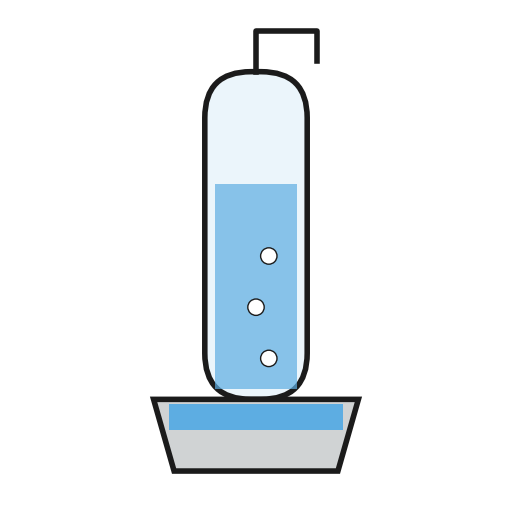 Ohun ìmumi ẹyẹ
 Ayùn Irin
 Ọ̀bẹ iṣẹ́ ọwọ́ pẹ̀lú ojú àfẹ́yìntì
 Ẹ̀rọ Ìlùkòkò Aláìlókùn
 Àkójọ Orí Ìlùkòkò
 Ìfá Irin
 Pipeti dígí
 Ìdíwọ̀n
5
5
A drinker that floods, stalls or leaks
A drinker that floods, stalls or leaks
Siphon waterer troubleshooting.
Flow
Loading...
6
6
History and honest limits
History and honest limits
**Hermann Quittner** of Berlin filed US 811,870 on 20 December 1904; it was patented 6 February 1906. He hung the tube in the cage by a hook at its top, and noted the same appliance could hold seed, which settles to its own slope in the basin.
**Honest limits.** The notebook gives the holding height of a round opening only; an oblique cut exposes its upper edge first, so air gets in sooner, but the notebook does not model that shape. Tube sizes are examples. Your two drinkers are the measurement.
Àwọn ohun-èlò
4- Àyè
- 6 ẹyọÀyè
- 1 ẹyọÀyè
- 200 mlÀyè
Àwọn irinṣẹ́ tó nílò
8- Àyè
- 1 vendor sell this, none ship to you yetÀyè
- Àyè
- Àyè
- Àyè
Blueprint tó jọra
Àwọn blueprint wọ̀nyí pín ìmọ̀ — ọ̀nà, ohun-èlò tàbí ìlànà


CC0 Àgbègbè Gbogbogbò
Blueprint yìí ti jáde lábẹ́ CC0. O lè ṣe àdàkọ, yí padà, pín, àti lò láìsí ìyọ̀ǹda.
Ṣàtìlẹ́yìn Olùṣẹ́dá nípa rírà àwọn ọjà nipasẹ̀ Blueprint wọn Ẹ̀san Olùṣẹ́dá tí àwọn Olùtajà gbé kalẹ̀, tàbí ṣẹ̀dá àtúnṣe tuntun ti Blueprint yìí kí o sì fi sínú Blueprint rẹ gẹ́gẹ́ bí ìsopọ̀ láti pín owó-wíwọlé.