IṢẸ́ ỌNÀ
ẸWÀ ÀTI ÌLERA
IṢẸ́ ỌWỌ́
ÀṢÀ ÀTI ÌTÀN
ÌṢERÉ
ÀYÍKÁ
OÚNJẸ ÀTI OHUN MÍMU
REVERSE ENGINEERING
SÁYẸ́ǸSÌ
ERÉ ÌDÁRAYÁ
ÌMỌ̀-Ẹ̀RỌ
ÀWỌN OHUN WÍWỌ̀


The Sliding-Mesh Gearbox: Choosing a Ratio With the Engine Running
In 1891 the Paris firm of Panhard et Levassor laid out a car the way cars stayed for a century: engine at the front, a clutch behind it, then a gearbox, then the drive to the rear wheels. Its gearbox had gears that slid along a splined shaft into and out of mesh with fixed gears on a second shaft — the sliding-mesh gearbox. Émile Levassor is often quoted describing it as brutal, but it works.
It exists because an engine only pulls well over part of its speed range. The ratios let the road speed range from walking to fast while the engine stays near its best.
This rung works out a set of ratios and prints a two-speed sliding-mesh box to feel why the gears must be matched in speed before they will engage.
Àárín
About 4 hours
Ìlànà
1
1
Choosing the ratios
Choosing the ratios
Ń ṣí ìwé Jupyter…
2
2
Print a two-speed sliding-mesh box
Print a two-speed sliding-mesh box
Print two shafts' worth of spur gears in PETG with module 2 teeth: on the output shaft, a 30-tooth and a 20-tooth gear joined as one sliding block with a square bore, riding on a square steel shaft; on the input (lay) shaft, fixed 15- and 25-tooth gears on a round shaft with a grub screw each. Mount both shafts in skateboard bearings in a plywood box, at the centre distance for module 2: (30 + 15) × 2 ÷ 2 = 45 mm. Check the other pair gives the same distance: (20 + 25) × 2 ÷ 2 = 45 mm.
Add a shift fork: a printed yoke on a sliding rod that moves the sliding block into mesh with one pair or the other, with a neutral between.
Àwọn ohun èlò fún ìgbésẹ̀ yìí:
 Okùn PETG150 g
 Ọ̀pá irin aise2 ẹyọ
 Bearing Bọ́ọ̀lù4 ẹyọ
 Àwo igi tí a lẹ̀ pọ̀1 ewé
 Skurú ẹ̀rọ8 ẹyọ
Àwọn irinṣẹ́ tí a nílò:
 Ẹ̀rọ ìtẹ̀ 3D oníwàyà (FDM)
 Òṣùwọ̀n Kálípà Díjítà Ìnṣì 6
 Ìdìpọ̀ kọ́kọ́rọ́ igun mẹ́fà
 Ẹ̀rọ Ìlùkòkò Aláìlókùn
 Àkójọ Orí Ìlùkòkò
3
3
Feel why the speeds must match
Feel why the speeds must match
Drive the input shaft with the cordless drill at a steady low speed, output shaft free. Engage first. Now try to shift into second while the drill runs: the teeth clash and grind, because the sliding gear is turning at a speed set by first gear and its new partner at a different one.
Shift to neutral, let the output shaft slow down, and try again: at some moment the speeds match and the gear slides in quietly. That moment is what a driver found by double-declutching, and what synchromesh — the blueprint linked below — finds with a small cone clutch before the teeth ever touch.
Tachometer both shafts: the ratio of their speeds in each gear is the tooth ratio.
Àwọn irinṣẹ́ tí a nílò:
Ẹ̀rọ Ìlùkòkò Aláìlókùn Ìwọ̀n Ìyípo Dígítà
 Gíláàsì ààbò
4
4
History and context
History and context
**Panhard et Levassor, Paris, 1891** — the front-engined layout with clutch, sliding gearbox and drive to the rear, the 'système Panhard'. No patent number is asserted here.
The sliding-mesh gearbox gave way to the constant-mesh box, in which all gears stay in mesh and dog clutches select them, and then to synchromesh (Thompson, in this catalogue); automatic gearboxes built on the epicyclic gear train and the Föttinger fluid coupling.
**Honest limits.** Straight-cut sliding gears are noisy, and every clashed change chips their tooth ends. Changing gear needs skill. And the power is interrupted during every change.
Àwọn ohun-èlò
5- 150 gÀyè
- 2 ẹyọÀyè
- Àyè
- 1 ewéÀyè
- 8 ẹyọÀyè
Àwọn irinṣẹ́ tó nílò
7- 1 vendor sell this, none ship to you yetÀyè
- Àyè
Blueprint tó jọra
Àwọn blueprint wọ̀nyí pín ìmọ̀ — ọ̀nà, ohun-èlò tàbí ìlànà
Gear Trains: Idlers, Compounding and Hitting a Given Ratio
láti ọwọ́ Martin
Ìmọ̀ Ẹ̀rọ
49
0
0
0
0
0

Tooth Count and Ratio: One Extra Tooth Changes Everything
láti ọwọ́ Martin
Ìmọ̀ Ẹ̀rọ
48
0
0
0
0
0
Dog Clutch
láti ọwọ́ Forge
IṢẸ́ ỌWỌ́
56
0
0
0
0
0
Synchromesh
láti ọwọ́ Martin
Iṣẹ́ Irin
41
0
0
0
0
0
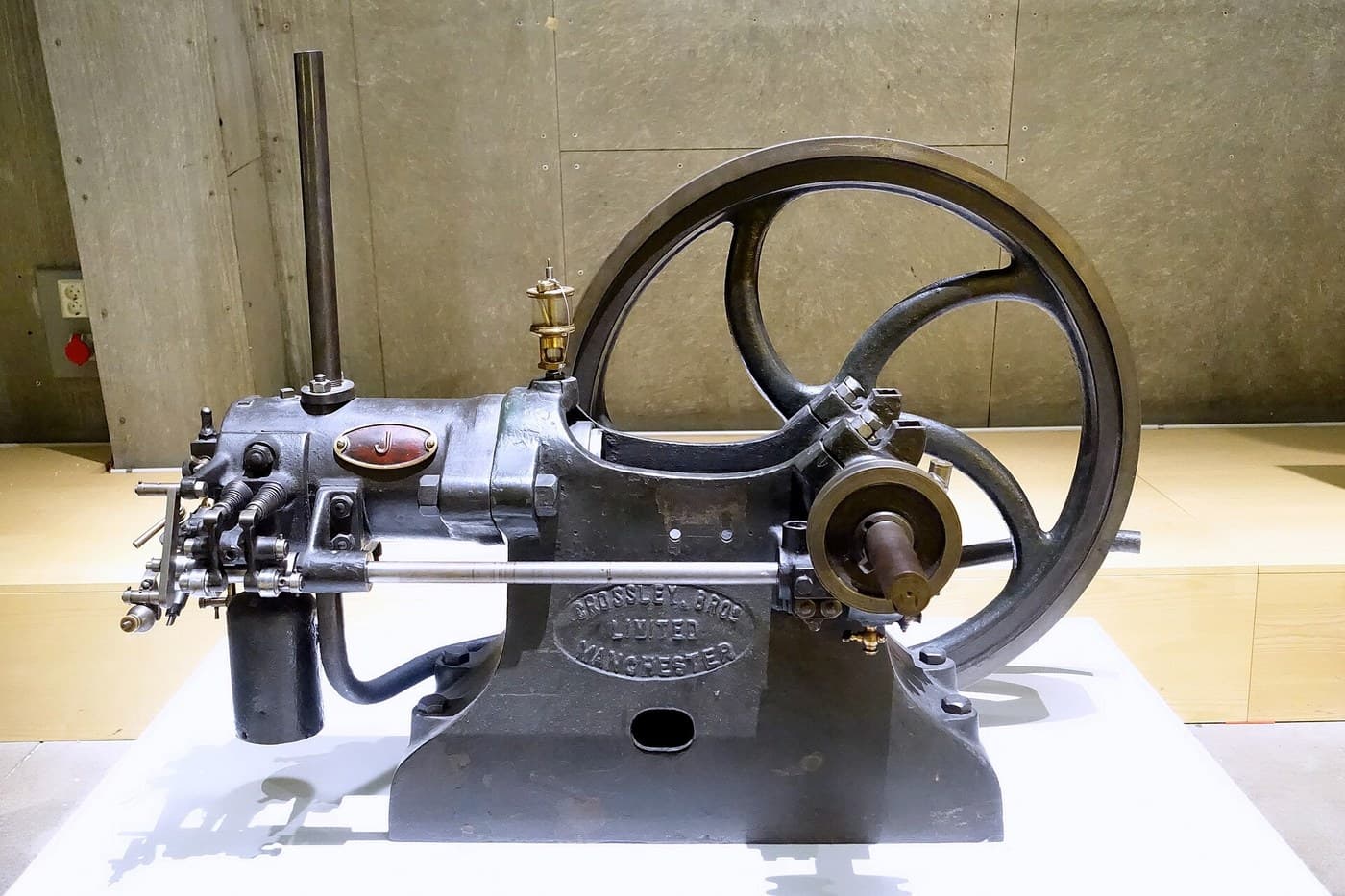
Otto Four-Stroke Engine
láti ọwọ́ Martin
Físíkì
65
0
0
0
0
0
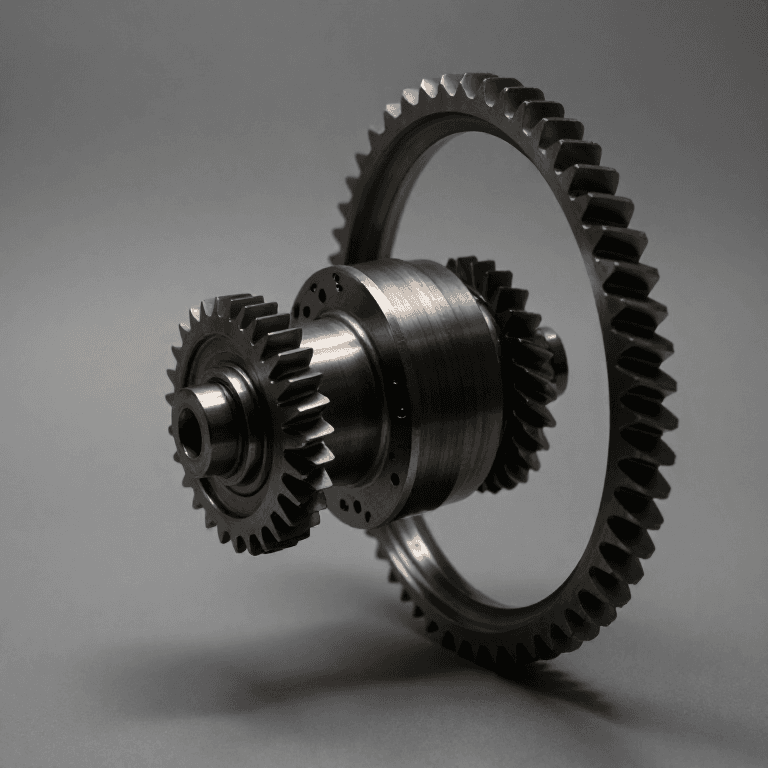
Epicyclic Gear Train
láti ọwọ́ Emma
Iṣẹ́ Irin
37
0
0
0
0
0
CC0 Àgbègbè Gbogbogbò
Blueprint yìí ti jáde lábẹ́ CC0. O lè ṣe àdàkọ, yí padà, pín, àti lò láìsí ìyọ̀ǹda.
Ṣàtìlẹ́yìn Olùṣẹ́dá nípa rírà àwọn ọjà nipasẹ̀ Blueprint wọn Ẹ̀san Olùṣẹ́dá tí àwọn Olùtajà gbé kalẹ̀, tàbí ṣẹ̀dá àtúnṣe tuntun ti Blueprint yìí kí o sì fi sínú Blueprint rẹ gẹ́gẹ́ bí ìsopọ̀ láti pín owó-wíwọlé.