IṢẸ́ ỌNÀ
ẸWÀ ÀTI ÌLERA
IṢẸ́ ỌWỌ́
ÀṢÀ ÀTI ÌTÀN
ÌṢERÉ
ÀYÍKÁ
OÚNJẸ ÀTI OHUN MÍMU
REVERSE ENGINEERING
SÁYẸ́ǸSÌ
ERÉ ÌDÁRAYÁ
ÌMỌ̀-Ẹ̀RỌ
ÀWỌN OHUN WÍWỌ̀

The Squeeze-Ball Sprinkler: A Lever That Seals, Then Sprays
Dry cotton and linen iron badly; they were sprinkled with water, rolled up, and ironed damp. Sprinkling by hand is uneven.
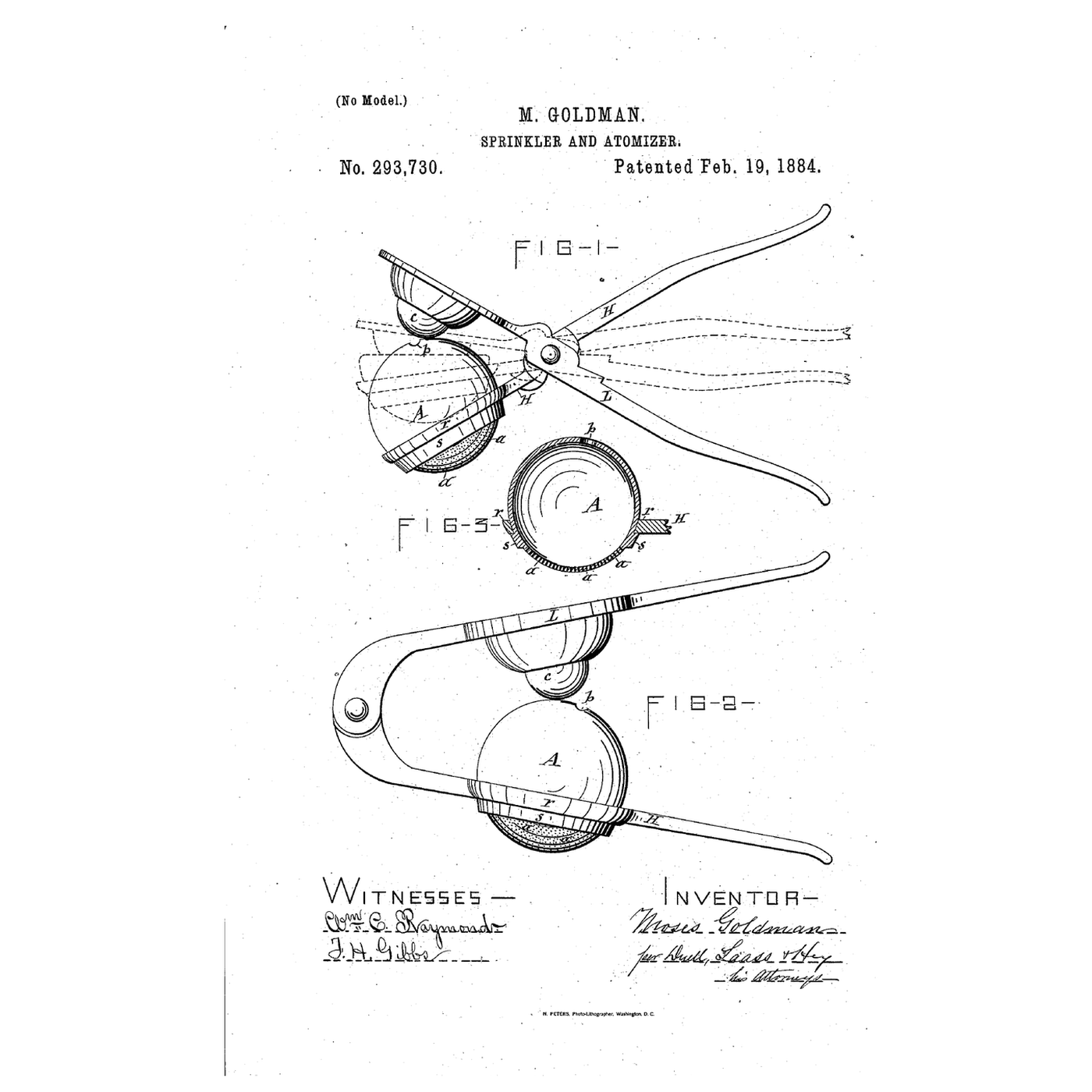
Moses Goldman of Pittsfield, Massachusetts, received US 293,730, dated 19 February 1884 (filed 14 May 1883), for "a simple and comparatively inexpensive and very convenient and effective device adapted for throwing fine sprays and for sprinkling clothes, tobacco in manufacture, plants, and for various other useful purposes": a perforated rubber ball squeezed by a lever whose plunger first closes the filling port.
This rung computes jet speed and how long a ballful lasts, then makes a sprinkler from a rubber bulb and dampens a shirt to a target weight.
Olùbẹ̀rẹ̀
About 1 hour
Ìlànà
1
1
Squeeze, jets and water
Squeeze, jets and water
Ń ṣí ìwé Jupyter…
2
2
Why the ball springs back
Why the ball springs back
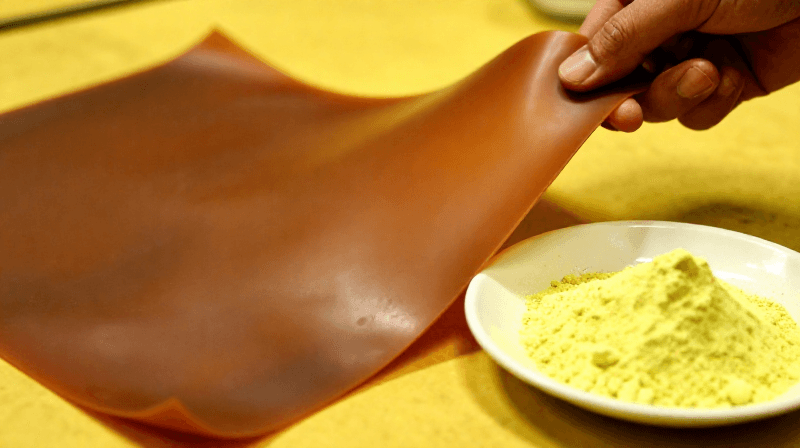
The embedded blueprint vulcanizes rubber; only vulcanized rubber springs back to refill the ball after each squeeze.
3
3
Read US 293,730
Read US 293,730
"This invention relates to a simple and comparatively inexpensive and very convenient and effective device adapted for throwing fine sprays and for sprinkling clothes, tobacco in manufacture, plants, and for various other useful purposes."
The ball is "in the form of a hollow rubber ball, provided on one side with perforations a a, and on the opposite or upper side with a water-inlet". It is filled by pressing the plunger onto it, "submerging the ball in this condition under the water, and while holding it there releasing the ball from the pressure of the plunger".
"The sprinkling being effected by pressing the plunger down onto the ball, the plunger first coming over the port b, and thus closing it, the compression of the ball forces the water in a fine spray through the perforations a a thereof."
4
4
Make one and dampen a shirt
Make one and dampen a shirt
Pierce a rubber bulb with 20 or 30 fine holes on one side using a hot needle held in pliers, and leave its neck as the filling hole. Fill it by squeezing it under water and letting go.
Weigh a dry cotton shirt. Sprinkle it with the bulb, thumb over the neck as you squeeze, until it weighs a fifth more; count the ballfuls and compare with the notebook. Roll it up for ten minutes, then iron it, and iron a second shirt sprayed with a spray bottle to the same weight. Note which was dampened more evenly.
Àwọn ohun èlò fún ìgbésẹ̀ yìí:
 Àpò rọ́bà 60 ml1 ẹyọ
 Omi1 ẹyọ
Àwọn irinṣẹ́ tí a nílò:
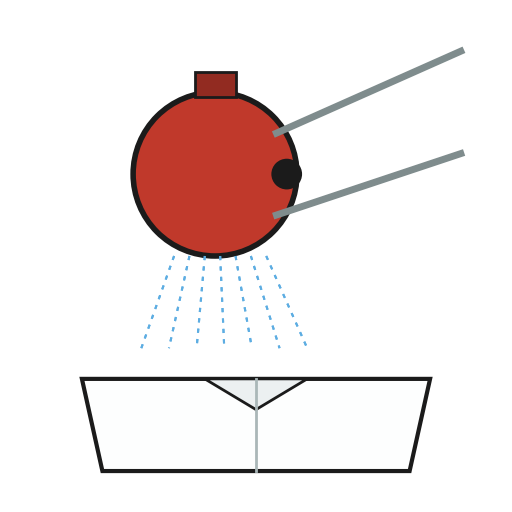 Ohun ìfọ́n omi sí aṣọ
 Ìgò ìfọn omi
 Abẹ́rẹ́ ìránṣọ
 Ẹ̀mú Olórí Yíká
 Òṣùwọ̀n Díjítà Ilé Ìdáná
 Ẹ̀rọ Ìfaṣọ Òógùn
5
5
A sprinkler that dribbles, jets or won't refill
A sprinkler that dribbles, jets or won't refill
Clothes sprinkler troubleshooting.
Flow
Loading...
6
6
History and honest limits
History and honest limits
**Moses Goldman** of Pittsfield, Massachusetts, filed US 293,730 on 14 May 1883; it is dated 19 February 1884.
**Honest limits.** The notebook uses a steady orifice law for a pressure that really rises and falls with each squeeze; ball size, holes, pressures and the dampness wanted are examples. Your ballful count and scale readings are the measurement.
Àwọn irinṣẹ́ tó nílò
6- Àyè
Blueprint tó jọra
Àwọn blueprint wọ̀nyí pín ìmọ̀ — ọ̀nà, ohun-èlò tàbí ìlànà
Vulcanizing Rubber with Sulfur — The Accidental Discovery That Put Tyres on the Road
láti ọwọ́ Charlie
Ti Ilé-iṣẹ́
96
0
0
0
3
0
The Reversible Rose: Turn the Sprinkler Round and the Water Clears It
láti ọwọ́ Karen
Iṣẹ́ Àgbẹ̀
15
0
0
0
0
0
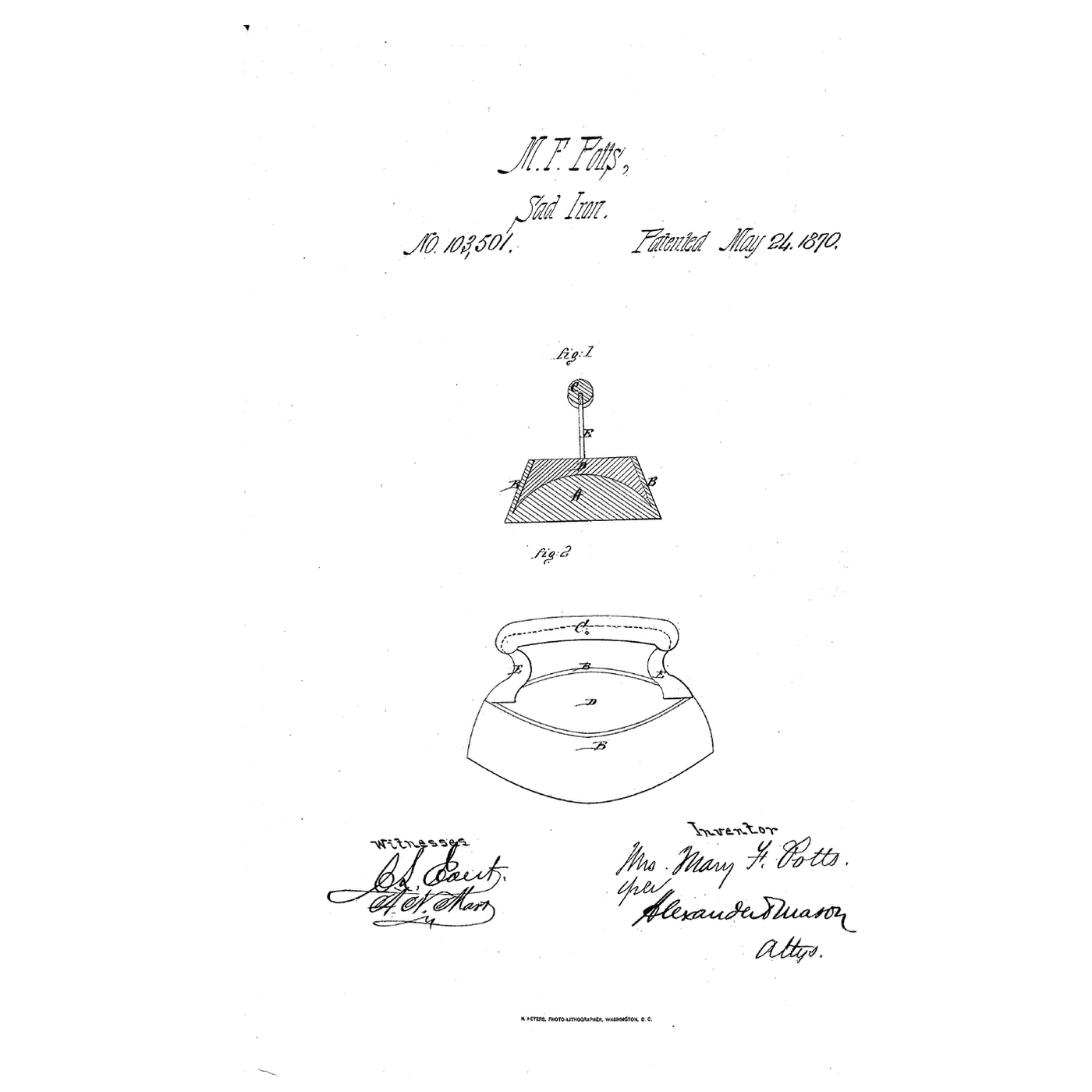
The Sad Iron: Keeping the Heat in the Face, Not the Hand
láti ọwọ́ YourGrandma
Àwọn Irinṣẹ́ Aṣọ
29
0
0
0
0
0
CC0 Àgbègbè Gbogbogbò
Blueprint yìí ti jáde lábẹ́ CC0. O lè ṣe àdàkọ, yí padà, pín, àti lò láìsí ìyọ̀ǹda.
Ṣàtìlẹ́yìn Olùṣẹ́dá nípa rírà àwọn ọjà nipasẹ̀ Blueprint wọn Ẹ̀san Olùṣẹ́dá tí àwọn Olùtajà gbé kalẹ̀, tàbí ṣẹ̀dá àtúnṣe tuntun ti Blueprint yìí kí o sì fi sínú Blueprint rẹ gẹ́gẹ́ bí ìsopọ̀ láti pín owó-wíwọlé.