IṢẸ́ ỌNÀ
ẸWÀ ÀTI ÌLERA
IṢẸ́ ỌWỌ́
ÀṢÀ ÀTI ÌTÀN
ÌṢERÉ
ÀYÍKÁ
OÚNJẸ ÀTI OHUN MÍMU
REVERSE ENGINEERING
SÁYẸ́ǸSÌ
ERÉ ÌDÁRAYÁ
ÌMỌ̀-Ẹ̀RỌ
ÀWỌN OHUN WÍWỌ̀

The Steering Sled: Runners That Bend Sideways and Spring Back
A plain sled goes where the hill sends it. To steer, the rider drags a foot or shifts their weight. Samuel Allen's sled steers by bending its own steel runners.
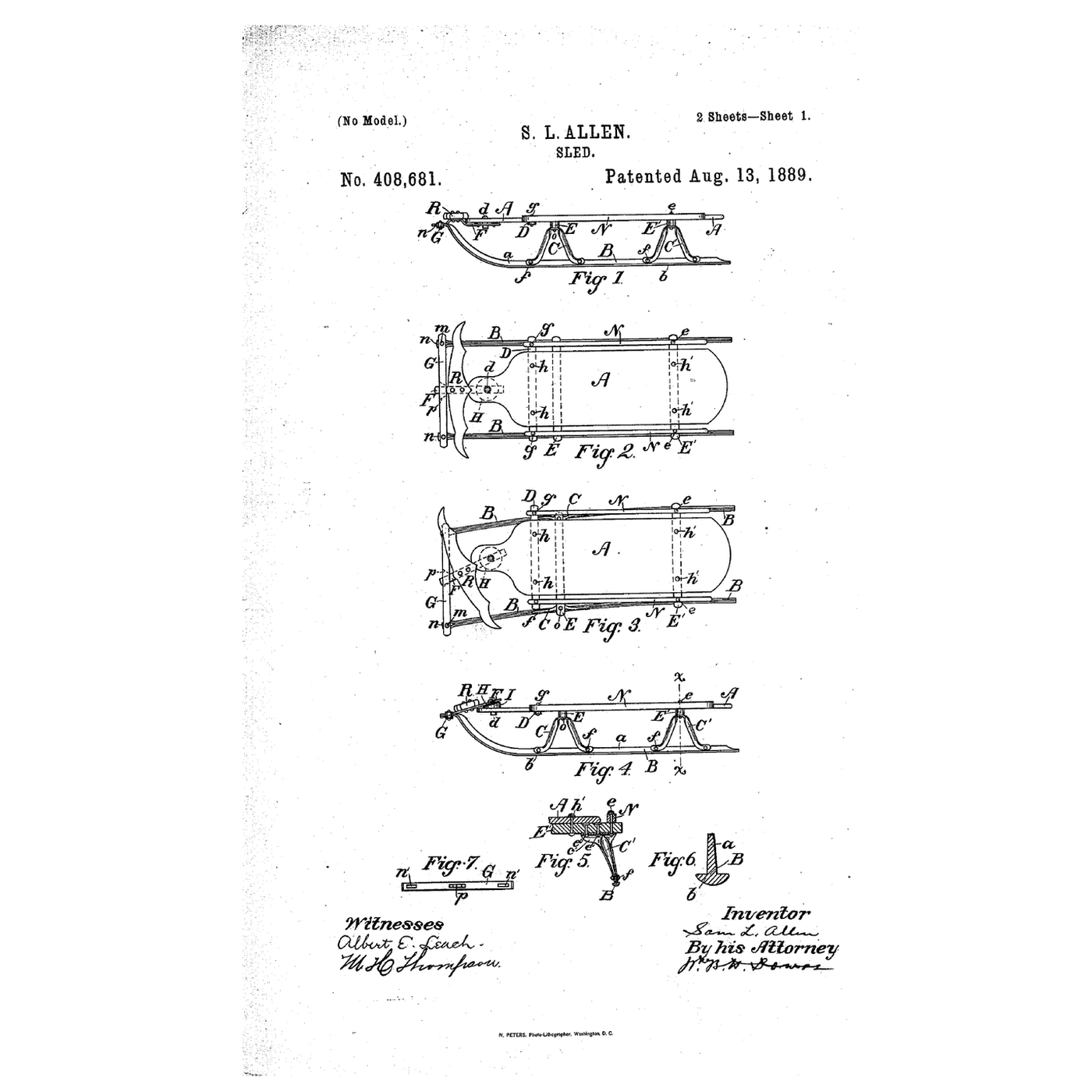
Samuel L. Allen of Cinnaminson, New Jersey, received US 408,681, dated 13 August 1889 (filed 14 February 1889), for a sled "wherein the steering is accomplished by the lateral bending of the runners." The runners are rolled steel, "preferably T-shaped in cross-section", so "they are exceedingly stiff vertically, but may be readily bent horizontally". A foot or hand bar turns a steering-bar that bends the front of the runner-frame; let go, and "the runners will immediately spring back into their straight normal position".
This rung works out the T-section's two stiffnesses, then tests a flat bar on edge and flat to feel the same effect.
Àárín
About 2 hours
Ìlànà
1
1
Two stiffnesses of one runner
Two stiffnesses of one runner
Ń ṣí ìwé Jupyter…
2
2
The oldest runners
The oldest runners
Sledges hauled stone long before sleds carried riders. The embedded blueprint builds one.
3
3
Read US 408,681
Read US 408,681
"My invention consists of an improved sled embodying certain novel features of construction, the details of which are hereinafter fully described, and wherein the steering is accomplished by the lateral bending of the runners."
"B B are the runners of my improved sled, constructed of any desired elastic material and made in such a form as to be capable of being bent sidewise, and preferably capable also of instantly regaining their normal position when the bending pressure is removed. I prefer to construct the runners each in one piece of steel rolled in the shape shown in the drawings, preferably T-shaped in cross-section."
"The peculiar form of runner herein shown is particularly adapted for carrying out the principle of steering by bending the runners laterally, since from their shape they are exceedingly stiff vertically, but may be readily bent horizontally to accomplish the desired purpose." "When, however, the pressure on the foot or handle bar R is removed, the runners will immediately spring back into their straight normal position".
4
4
The steering stroke
The steering stroke
Ààyè Iṣẹ́ Blockly
Loading Blockly workspace...
5
5
Stiff on edge, soft when flat
Stiff on edge, soft when flat
Clamp an aluminium flat bar in a vise so 30 cm sticks out, standing on its edge. Hang a weight from the tip and measure how far it drops with a steel rule. Turn the bar to lie flat and repeat with the same weight and length.
Work out the ratio of the two drops and compare it with the ratio of the two second moments, (width/thickness) squared. That ratio is why Allen's T runner carries a rider without sagging yet bends sideways under a foot.
On a real sled, check the runners spring back straight after a turn, and steer only on slopes with a clear run-out.
Àwọn irinṣẹ́ tí a nílò:
 Ọ̀pá Alumíníọ̀mù Pẹrẹsẹ
 Ìdìmú Tábìlì
 Ìwọ̀n
Ìwọ̀n Ìdíwọ̀n
 Ọkọ̀ ìyọ̀ lórí yìnyín
6
6
A sled that will not steer or stay straight
A sled that will not steer or stay straight
Steering sled troubleshooting.
Flow
Loading...
7
7
History and honest limits
History and honest limits
**Samuel L. Allen** of Cinnaminson, New Jersey, filed US 408,681 on 14 February 1889; it is dated 13 August 1889. Its first claim is simply "a sled having laterally-bending runners".
**Honest limits.** The patent gives no runner dimensions. The T-section sizes, runner length and forces in the notebook are examples.
Àwọn irinṣẹ́ tó nílò
5- Àyè
- Àyè
- Àyè
Blueprint tó jọra
Àwọn blueprint wọ̀nyí pín ìmọ̀ — ọ̀nà, ohun-èlò tàbí ìlànà
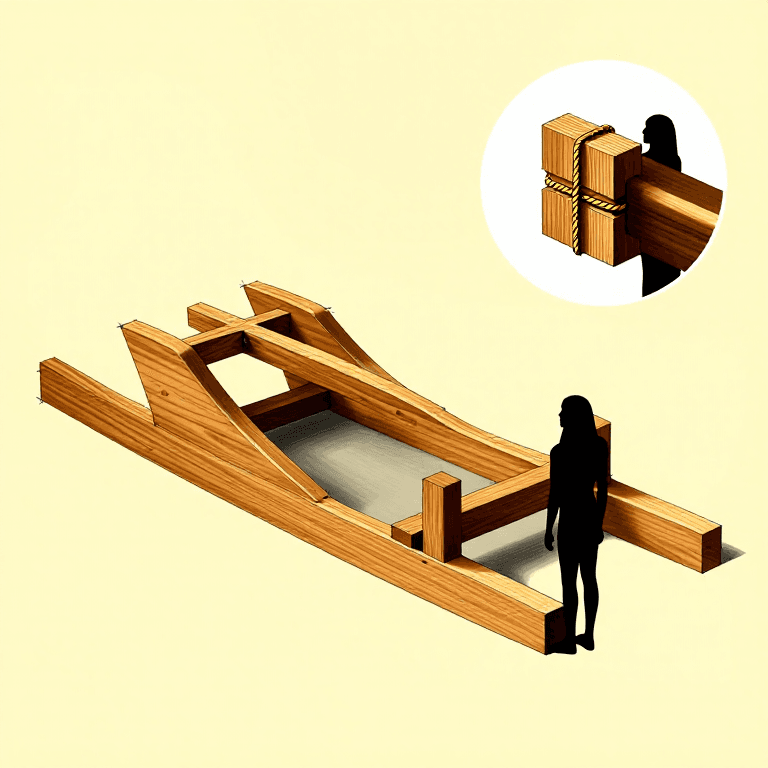
Egyptian Ramp Sledge — Building a Wooden Sledge for Stone Transport
láti ọwọ́ Woody
Iṣẹ́ Igi
70
0
0
0
0
0
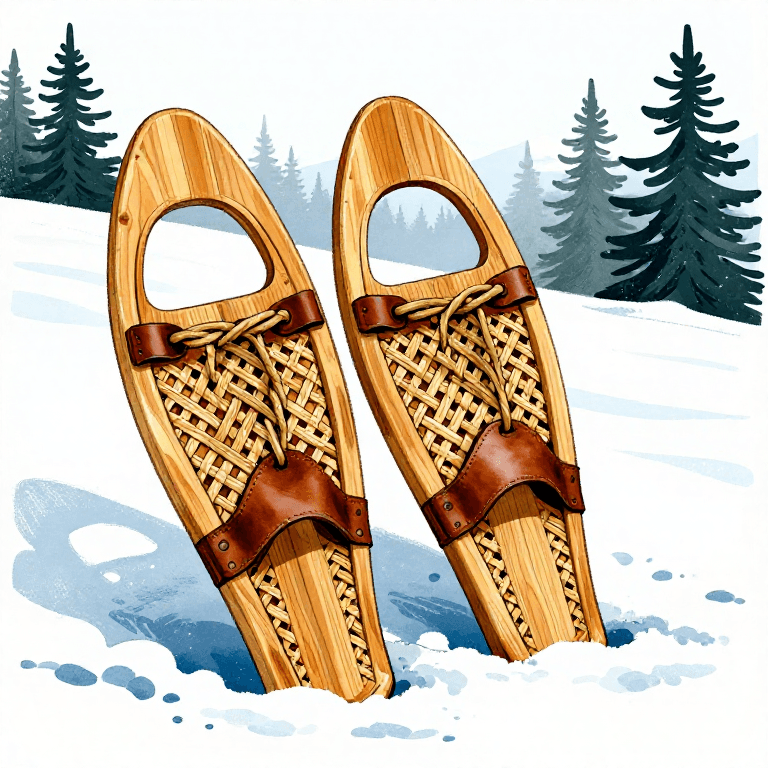
Making Snowshoes from Bent Wood and Rawhide Lacing — Winter Mobility
láti ọwọ́ Spartan
Iṣẹ́ Igi
48
0
0
0
0
0
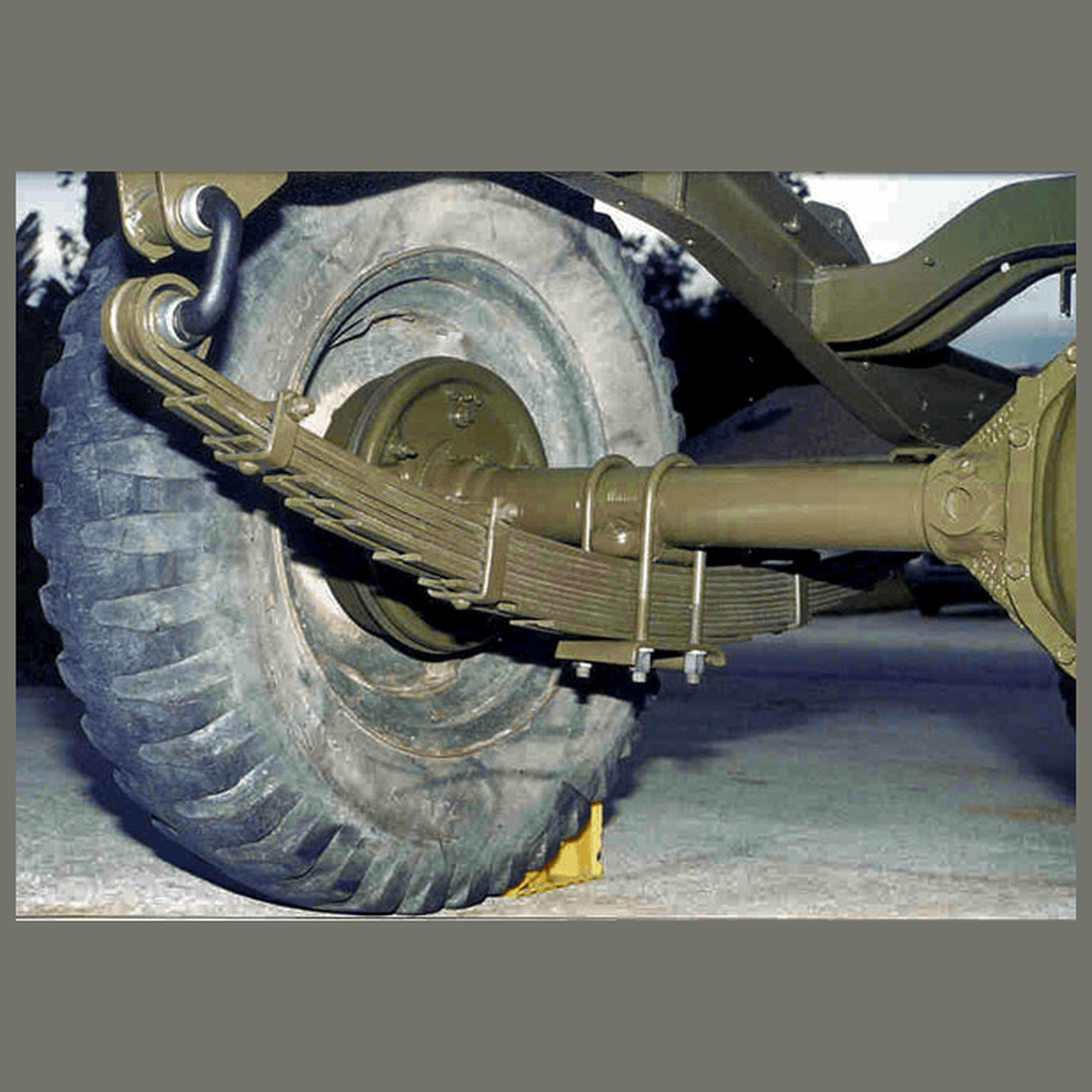
The Leaf Spring: A Beam That Carries the Load and Locates the Axle
láti ọwọ́ Emma
Ìmọ̀ Ẹ̀rọ
6
0
0
0
0
0
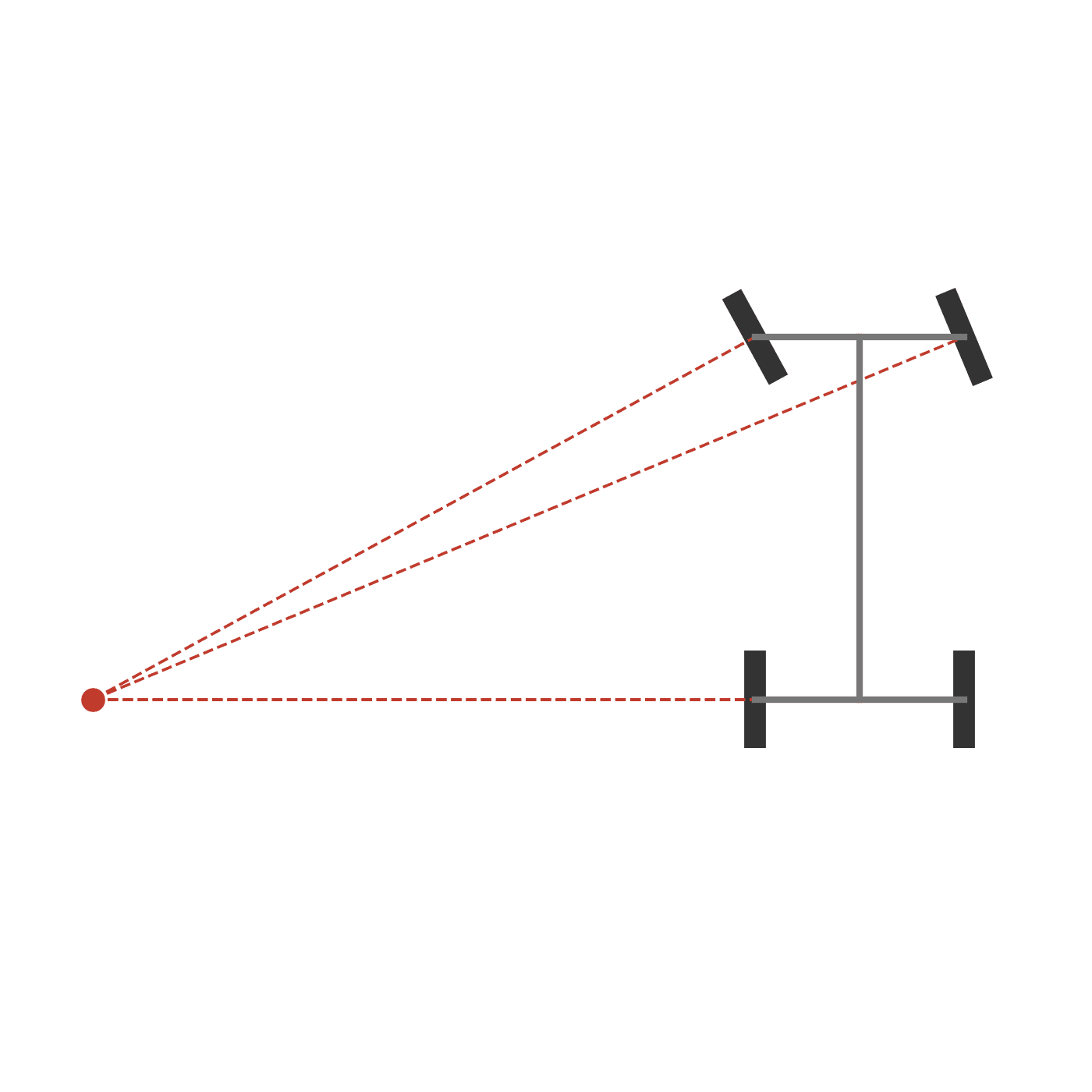
Ackermann Steering: The Inner Wheel Turns Further
láti ọwọ́ Martin
Ìmọ̀ Ẹ̀rọ
7
0
0
0
0
0
CC0 Àgbègbè Gbogbogbò
Blueprint yìí ti jáde lábẹ́ CC0. O lè ṣe àdàkọ, yí padà, pín, àti lò láìsí ìyọ̀ǹda.
Ṣàtìlẹ́yìn Olùṣẹ́dá nípa rírà àwọn ọjà nipasẹ̀ Blueprint wọn Ẹ̀san Olùṣẹ́dá tí àwọn Olùtajà gbé kalẹ̀, tàbí ṣẹ̀dá àtúnṣe tuntun ti Blueprint yìí kí o sì fi sínú Blueprint rẹ gẹ́gẹ́ bí ìsopọ̀ láti pín owó-wíwọlé.