IṢẸ́ ỌNÀ
ẸWÀ ÀTI ÌLERA
IṢẸ́ ỌWỌ́
ÀṢÀ ÀTI ÌTÀN
ÌṢERÉ
ÀYÍKÁ
OÚNJẸ ÀTI OHUN MÍMU
REVERSE ENGINEERING
SÁYẸ́ǸSÌ
ERÉ ÌDÁRAYÁ
ÌMỌ̀-Ẹ̀RỌ
ÀWỌN OHUN WÍWỌ̀
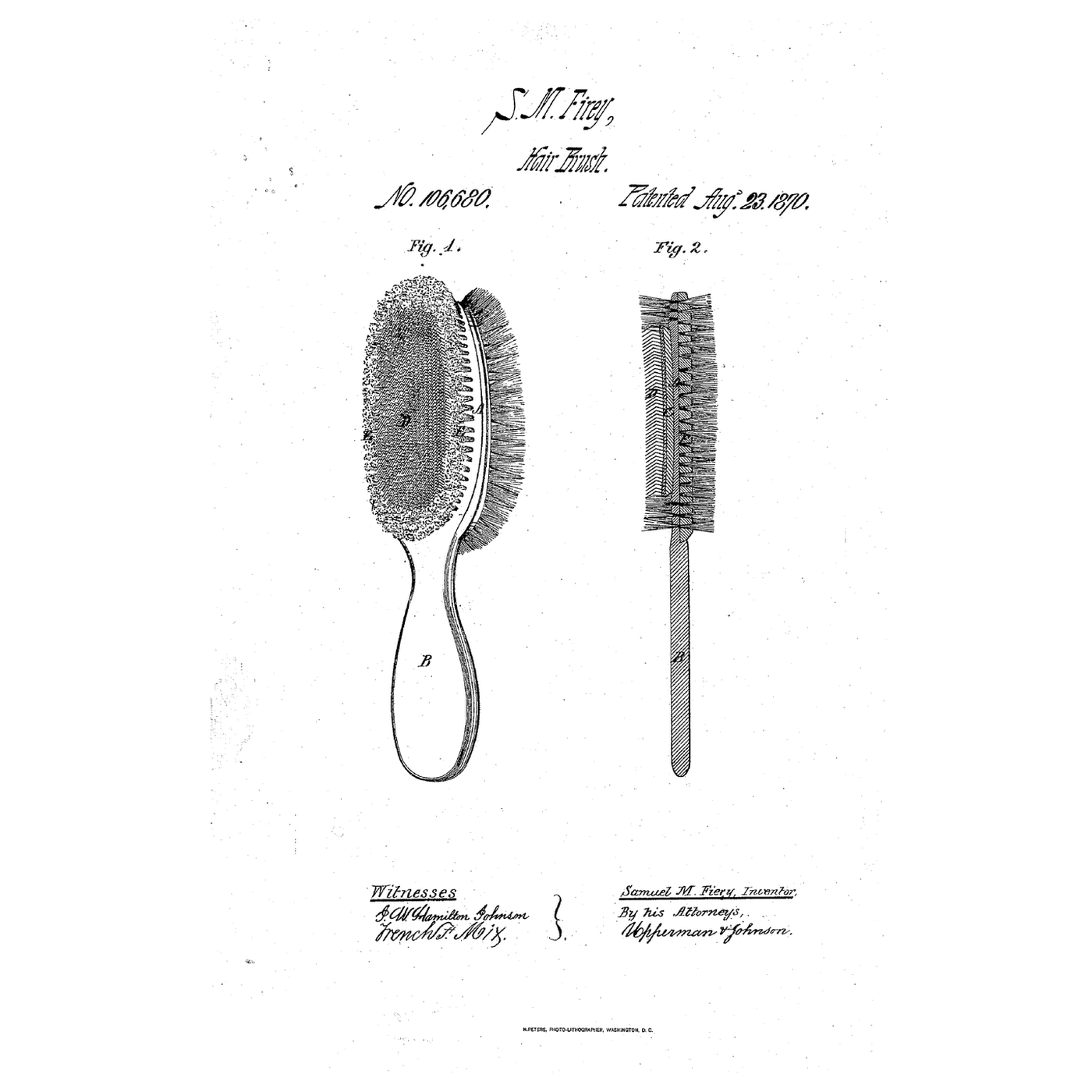


The Wire-and-Bristle Hairbrush: Steel Teeth With a Soft Border
A bristle brush smooths hair; a comb gets through it. A brush that did both would save the change of tool.
Samuel M. Firey of Clear Spring, Maryland, received US 106,680, dated 23 August 1870, for a hair-brush with "a central section of fine steel-wire teeth" surrounded by a border of bristles, the bristles standing a little higher so that they guide the wires and take part of the pressure of the hand.
This rung works out how much the bristle border eases the wires, then makes a brush back from hardwood and sets wire teeth and bristle tufts in it.
Àárín
About 4 hours
Ìlànà
1
1
Pressure on each wire tooth
Pressure on each wire tooth
Ń ṣí ìwé Jupyter…
2
2
Tufts set in a handle
Tufts set in a handle
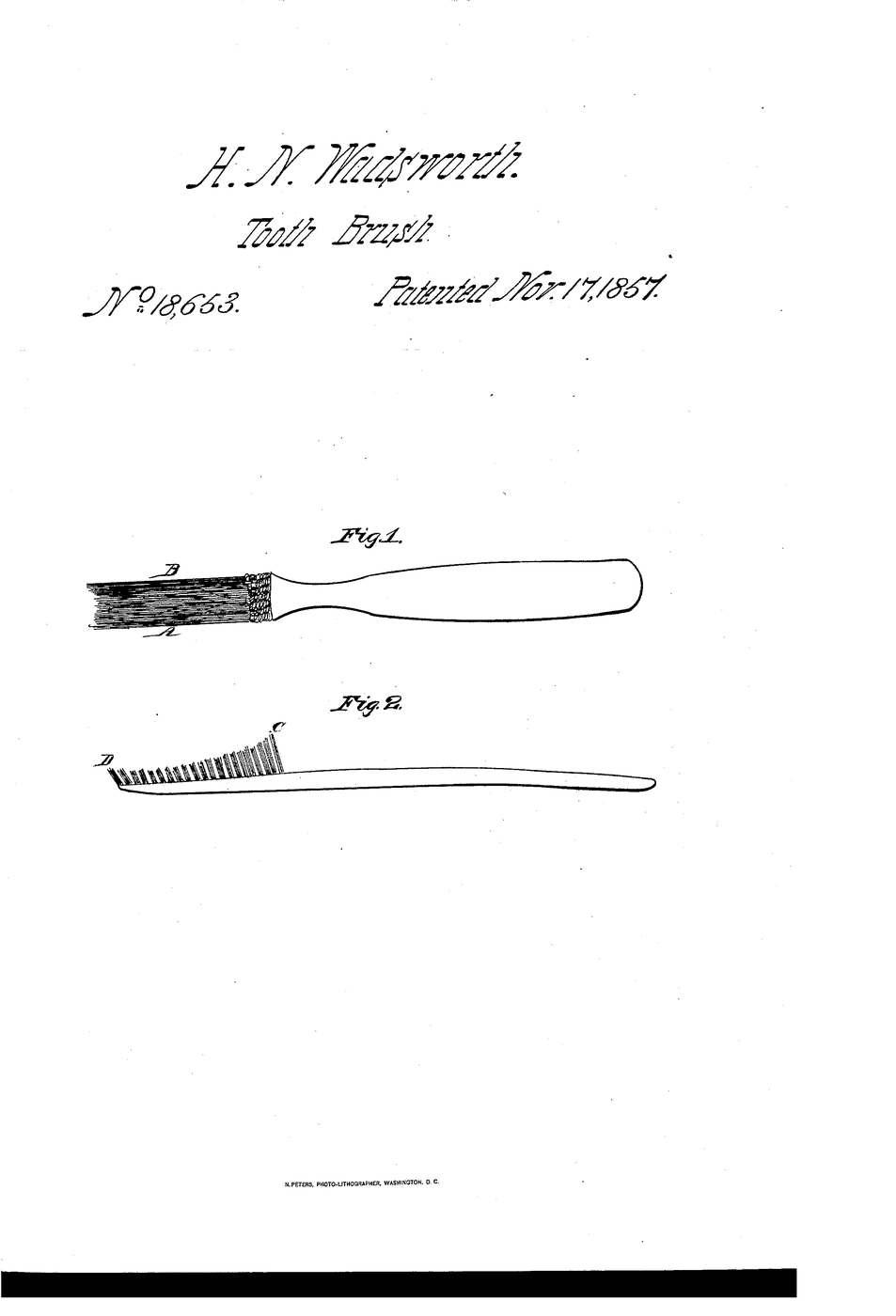
The embedded blueprint sets bristle tufts in a handle to make a toothbrush. Firey sets tufts round a centre of wire teeth.
3
3
Read US 106,680
Read US 106,680
"My invention relates to hair-brushes, and consists in constructing the same with a central section of fine steel-wire teeth, and surrounding said teeth with a border of bristles".
"They have a projection a little greater than the wire teeth, and serve to guide the latter in their action upon the scalp, by reason of their sustaining a part of the pressure upon the brush by the hand of the user."
Firey also claimed that such a brush "effectually cleanses the scalp" and is "invigorating to the scalp"; those are his claims, not tested here.
4
4
Make the brush back and set the teeth and tufts
Make the brush back and set the teeth and tufts
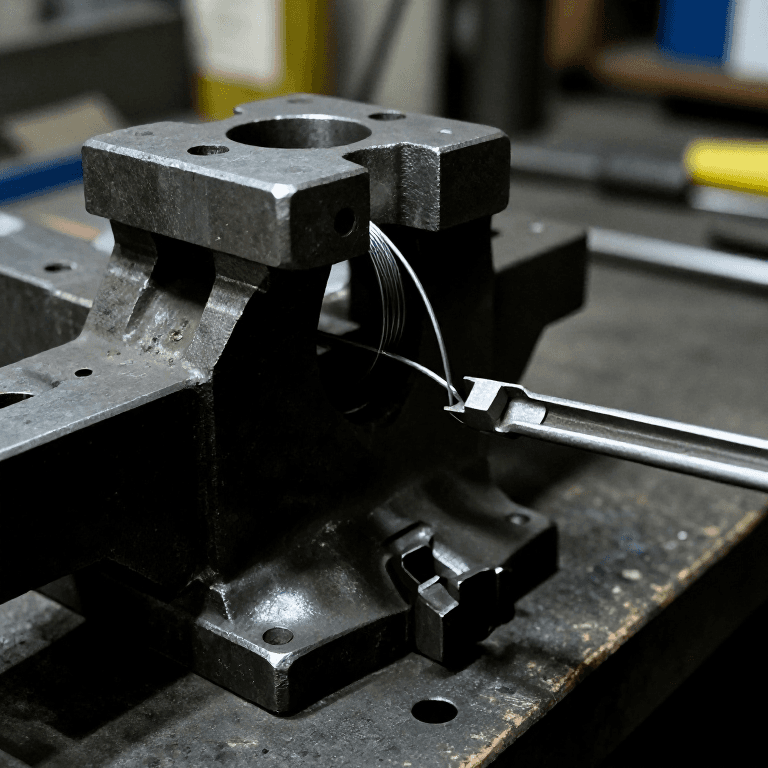
Draw an oval brush head about 9 cm by 6 cm with a handle on a hardwood board and cut it out with the coping saw. Sand it smooth.
Mark a grid of about 40 holes in an oval in the middle of the head, and two rows of holes round it. Drill the middle holes to fit the wire snugly, about 1 cm deep; drill the border holes wider, for the tufts.
Cut stainless steel wire into pins 3 cm long and file one end of each into a smooth dome. Glue them into the middle holes, domed end up, all standing the same height. Fold small bunches of boar bristles in half, dip the fold in glue and push them into the border holes. When the glue has set, trim the bristles so they stand about 3 mm higher than the wire teeth.
Àwọn ohun èlò fún ìgbésẹ̀ yìí:
 Pátákó Igi Líle1 ẹyọ
 Okùn irin aláìjẹrùn1 ẹyọ
 Irun ẹlẹ́dẹ̀ igbó1 ẹyọ
 Ìdìpọ̀ Igi1 ẹyọ
 Bébà Ìfá1 ẹyọ
Àwọn irinṣẹ́ tí a nílò:
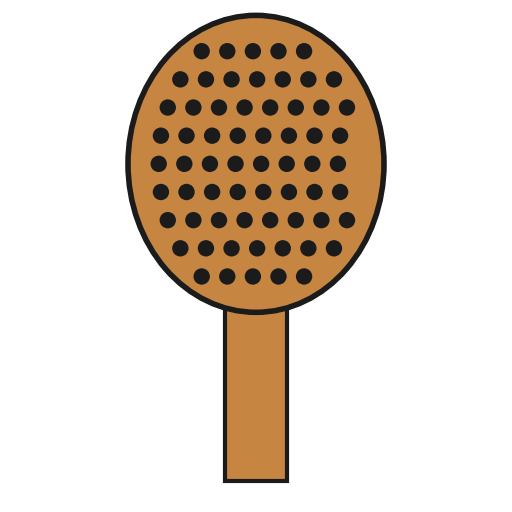 Búrọ́ọ̀ṣì irun
 Ayùn Kópìngì
 Ẹ̀rọ Ìlùkòkò Aláìlókùn
 Àkójọ Orí Ìlùkòkò
 Ẹ̀mú ìgé okùn
 Ìfá Irin
 Ìṣẹ́ná
 Ìdíwọ̀n
5
5
A brush that scratches, sheds or snags
A brush that scratches, sheds or snags
Hairbrush troubleshooting.
Flow
Loading...
6
6
History and honest limits
History and honest limits
**Samuel M. Firey** of Clear Spring, Maryland, received US 106,680, dated 23 August 1870. His brush also had a second stock of ordinary bristles glued to its back, "which can be used when the other is not desired".
**Honest limits.** The notebook treats the bristles as carrying a fixed share of the force; real bristles bend more the harder you press. Force, counts and tip size are examples.
Àwọn ohun-èlò
5- 1 ẹyọÀyè
- 1 ẹyọÀyè
- 1 ẹyọÀyè
- 1 ẹyọÀyè
- 1 ẹyọÀyè
Àwọn irinṣẹ́ tó nílò
8- Àyè
- 1 vendor sell this, none ship to you yetÀyè
- Àyè
- Àyè
- Àyè
Blueprint tó jọra
Àwọn blueprint wọ̀nyí pín ìmọ̀ — ọ̀nà, ohun-èlò tàbí ìlànà


CC0 Àgbègbè Gbogbogbò
Blueprint yìí ti jáde lábẹ́ CC0. O lè ṣe àdàkọ, yí padà, pín, àti lò láìsí ìyọ̀ǹda.
Ṣàtìlẹ́yìn Olùṣẹ́dá nípa rírà àwọn ọjà nipasẹ̀ Blueprint wọn Ẹ̀san Olùṣẹ́dá tí àwọn Olùtajà gbé kalẹ̀, tàbí ṣẹ̀dá àtúnṣe tuntun ti Blueprint yìí kí o sì fi sínú Blueprint rẹ gẹ́gẹ́ bí ìsopọ̀ láti pín owó-wíwọlé.