IṢẸ́ ỌNÀ
ẸWÀ ÀTI ÌLERA
IṢẸ́ ỌWỌ́
ÀṢÀ ÀTI ÌTÀN
ÌṢERÉ
ÀYÍKÁ
OÚNJẸ ÀTI OHUN MÍMU
REVERSE ENGINEERING
SÁYẸ́ǸSÌ
ERÉ ÌDÁRAYÁ
ÌMỌ̀-Ẹ̀RỌ
ÀWỌN OHUN WÍWỌ̀
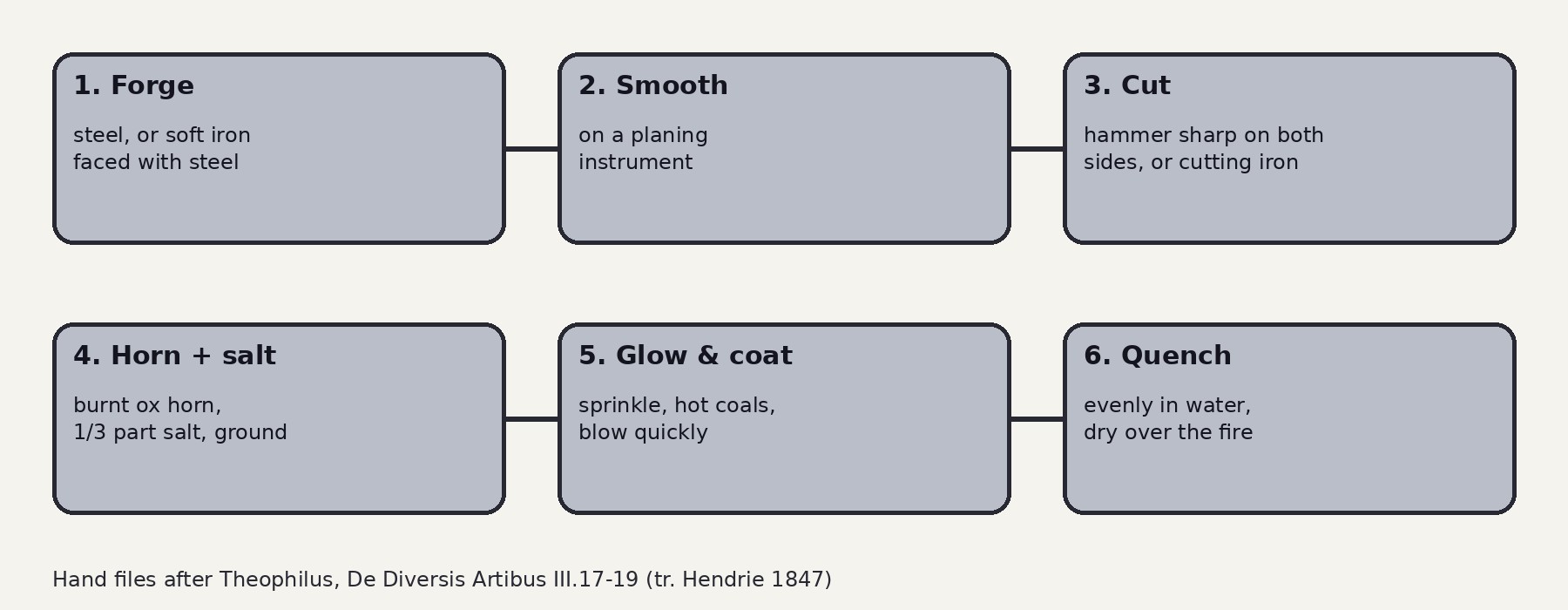


Hand Files Cut With a Double-Edged Hammer and Tempered in Burnt Ox Horn and Salt (Theophilus, 12th Century)
How a medieval metalworker made his own files, from Theophilus's De Diversis Artibus (12th century): files of steel, or of soft iron faced with steel, forged to size, smoothed and cut with a double-edged hammer or cutting iron, then hardened by sprinkling them glowing with burnt ox horn and salt and quenching. Small soft-iron files are packed in lard, goatskin and clay instead.
Ilọsíwájú
About 1 day per few files
Ìlànà
1
1
The hardening mix
The hardening mix
Ń ṣí ìwé Jupyter…
2
2
Read De Diversis Artibus, Book III
Read De Diversis Artibus, Book III
"Files are made from pure steel, large and moderately sized, triangular and round. Others also are made which are stronger in the middle, from soft iron inside, but outwardly they are covered with steel."
3
3
Forge and smooth the blanks
Forge and smooth the blanks
Beat steel (or soft iron covered with steel) to the size and shape wanted: large or moderate, triangular or round; for small files, square, round, triangular or thin. Smooth them on a planing instrument (a filing or scraping bed).
Àwọn ohun èlò fún ìgbésẹ̀ yìí:
 Ọ̀pá irin líle oníkábọ́ọ̀nù (0.6 % C)1 ẹyọ
 Ọ̀pá irin lílù1 ẹyọ
Àwọn irinṣẹ́ tí a nílò:
 Ilé Iná Alágbẹ̀dẹ
 Ẹ̀rọ Ìfẹ́ Afẹ́fẹ́
 Ìdí Alágbẹ̀dẹ
 Òòlù
 Ẹmú Alágbẹ̀dẹ
 Àwọn Ìfá (Ìfá Ọwọ́)
4
4
Cut the teeth
Cut the teeth
Mark out the teeth with a hammer sharp on both sides, or with the cutting iron, until the file is cut all over.
Àwọn irinṣẹ́ tí a nílò:
Òòlù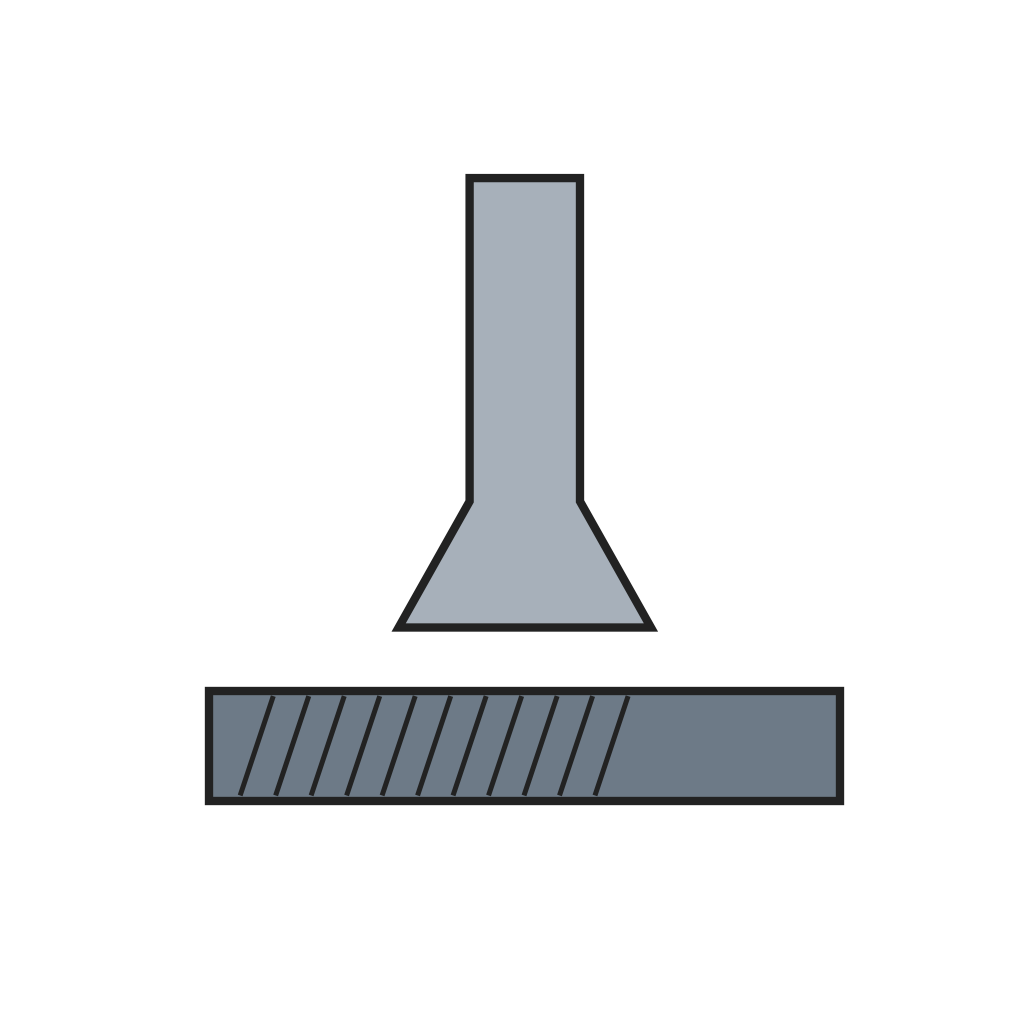 Ìlù ìgé eyín fáìlìÌdí Alágbẹ̀dẹ
 Ìdìmú Tábìlì
5
5
Temper with horn and salt
Temper with horn and salt
Burn an ox horn in the fire, scrape it, mix it with a third part of salt and grind it hard. Heat the file until it glows, sprinkle the mixture over it everywhere, lay hot coals on and blow quickly over the whole without letting the coating fall off; then draw it out and quench it evenly in water, and dry it slightly over the fire. He tempers all steel things this way.
Àwọn ohun èlò fún ìgbésẹ̀ yìí:
 Ìwo màlúù1 ẹyọ
 Iyọ̀1 ẹyọ
Àwọn irinṣẹ́ tí a nílò:
Ilé Iná Alágbẹ̀dẹẸ̀rọ Ìfẹ́ Afẹ́fẹ́ PipetteẸmú Alágbẹ̀dẹ
 Àpótí ìtutù
6
6
Or pack small soft-iron files
Or pack small soft-iron files
For small soft-iron files, after cutting, anoint them with the grease of an old hog, bind them with small straps of buck-goat skin tied with flaxen thread, and cover each with beaten clay, leaving the handles (tangs) bare. Dry them, put them in the fire and blow strongly until the skin is burned, take them quickly out of the clay, quench evenly in water, and dry them at the fire.
Àwọn ohun èlò fún ìgbésẹ̀ yìí:
 Ọ̀rá ẹlẹ́dẹ̀ (ti kíndìnrín àti ti ẹ̀yìn)1 ẹyọ
 Awọ ewúrẹ́1 ẹyọ
 Òwú ọ̀gbọ̀1 ẹyọ
 Amọ̀1 ẹyọ
Àwọn irinṣẹ́ tí a nílò:
Ilé Iná Alágbẹ̀dẹẸ̀rọ Ìfẹ́ Afẹ́fẹ́Ẹmú Alágbẹ̀dẹÀpótí ìtutù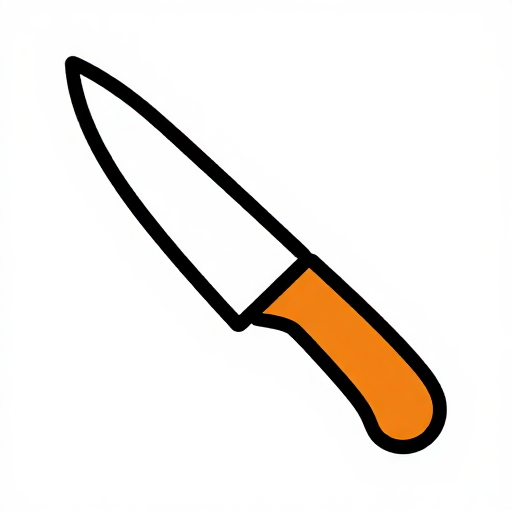 Ọ̀bẹ awọ
7
7
Troubleshooting
Troubleshooting
File troubleshooting.
Flow
Loading...
8
8
History and honest limits
History and honest limits
From Theophilus Presbyter, **De Diversis Artibus** (12th century), Book III, chapters XVII-XIX, translated by Robert Hendrie (1847) (checked on the archive.org scan essayuponvarious00hend, pp. 223-225). He gives no sizes, temperatures or tooth spacing. The tools and the case-hardening explanation are ours.
Àwọn ohun-èlò
8- 1 ẹyọÀyè
- 1 ẹyọÀyè
- 1 ẹyọÀyè
- 1 ẹyọÀyè
- 1 ẹyọÀyè
- 1 ẹyọÀyè
Ìtọ́nisọ́nà yìí ń ṣe
Blueprint tó jọra
Àwọn blueprint wọ̀nyí pín ìmọ̀ — ọ̀nà, ohun-èlò tàbí ìlànà
CC0 Àgbègbè Gbogbogbò
Blueprint yìí ti jáde lábẹ́ CC0. O lè ṣe àdàkọ, yí padà, pín, àti lò láìsí ìyọ̀ǹda.
Ṣàtìlẹ́yìn Olùṣẹ́dá nípa rírà àwọn ọjà nipasẹ̀ Blueprint wọn Ẹ̀san Olùṣẹ́dá tí àwọn Olùtajà gbé kalẹ̀, tàbí ṣẹ̀dá àtúnṣe tuntun ti Blueprint yìí kí o sì fi sínú Blueprint rẹ gẹ́gẹ́ bí ìsopọ̀ láti pín owó-wíwọlé.