IṢẸ́ ỌNÀ
ẸWÀ ÀTI ÌLERA
IṢẸ́ ỌWỌ́
ÀṢÀ ÀTI ÌTÀN
ÌṢERÉ
ÀYÍKÁ
OÚNJẸ ÀTI OHUN MÍMU
REVERSE ENGINEERING
SÁYẸ́ǸSÌ
ERÉ ÌDÁRAYÁ
ÌMỌ̀-Ẹ̀RỌ
ÀWỌN OHUN WÍWỌ̀
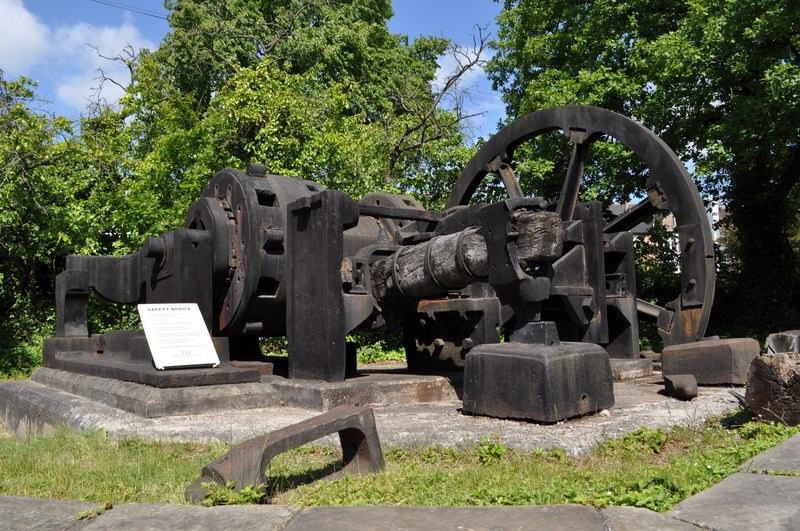


Tool-Steel Bar: Crucible Steel Drawn Out at a Cherry-Red Heat
Sheffield poured its crucible cast steel into octagonal or rectangular iron moulds and drew the ingots out into rods under the tilt hammer. That bar, eight-sided or square, was the stock for chisels, punches, files and blades. Andrew Ure's 1839 warning still holds: this steel must not go much above a cherry-red heat, or it turns brittle.
The picture: a water-driven tilt hammer at Abbeydale Industrial Hamlet, Sheffield.
Ilọsíwájú
A day at the forge
Ìlànà
1
1
Heat gently to cherry red
Heat gently to cherry red
Bring the crucible-steel ingot up slowly in the forge to a cherry-red heat and no hotter. Ure: in its usual state cast steel will not bear much more without becoming brittle, and it will not take a welding heat.
Àwọn ohun èlò fún ìgbésẹ̀ yìí:
 Irin líle tí a yọ́ nínú ìkòkò2 kg
 Èédú1 as required
Àwọn irinṣẹ́ tí a nílò:
 Ìléru alágbẹ̀dẹ
 Ẹmú alágbẹ̀dẹ
 Ìbọ̀wọ́ wẹ́lídìn
 Aṣọ Ìdílé Awọ
 Gíláàsì ààbò
2
2
Draw out a billet
Draw out a billet
On the anvil, with a striker on the sledge, draw the ingot out square, turning it a quarter after each pair of blows. Reheat as soon as the colour drops below red; never hammer it cold. Stop at a square billet of the size you need, or carry on drawing it flat into a rectangular bar for axe heads and picks.
Àwọn ohun èlò fún ìgbésẹ̀ yìí:
Èédú1 as requiredÀwọn irinṣẹ́ tí a nílò:
 Ìdí Alágbẹ̀dẹ
 Òòlù ńlá
 Òòlù olórí ìtẹ̀ ìpakàẸmú alágbẹ̀dẹÌbọ̀wọ́ wẹ́lídìnAṣọ Ìdílé AwọGíláàsì ààbò
3
3
Knock the corners to an octagon
Knock the corners to an octagon
For octagon bar, set the square bar on a corner and hammer the four corners down evenly until all eight faces are equal, finishing in the matching groove of a swage block.
Àwọn irinṣẹ́ tí a nílò:
Ìdí Alágbẹ̀dẹÒòlù olórí ìtẹ̀ ìpakà Bulọ́ọ̀kì ìṣẹ̀dá oníhòẸmú alágbẹ̀dẹÌbọ̀wọ́ wẹ́lídìnAṣọ Ìdílé AwọGíláàsì ààbò
4
4
Check and cool slowly
Check and cool slowly
Check the size across the flats with a caliper, then let the bar cool slowly in the dying forge (our choice, to leave it soft for cutting and filing).
Àwọn irinṣẹ́ tí a nílò:
 Òṣùwọ̀n Kálípà Díjítà Ìnṣì 6Ìléru alágbẹ̀dẹ
Ìtọ́nisọ́nà yìí ń ṣe

Blueprint tó jọra
Àwọn blueprint wọ̀nyí pín ìmọ̀ — ọ̀nà, ohun-èlò tàbí ìlànà


CC0 Àgbègbè Gbogbogbò
Blueprint yìí ti jáde lábẹ́ CC0. O lè ṣe àdàkọ, yí padà, pín, àti lò láìsí ìyọ̀ǹda.
Ṣàtìlẹ́yìn Olùṣẹ́dá nípa rírà àwọn ọjà nipasẹ̀ Blueprint wọn Ẹ̀san Olùṣẹ́dá tí àwọn Olùtajà gbé kalẹ̀, tàbí ṣẹ̀dá àtúnṣe tuntun ti Blueprint yìí kí o sì fi sínú Blueprint rẹ gẹ́gẹ́ bí ìsopọ̀ láti pín owó-wíwọlé.