IṢẸ́ ỌNÀ
ẸWÀ ÀTI ÌLERA
IṢẸ́ ỌWỌ́
ÀṢÀ ÀTI ÌTÀN
ÌṢERÉ
ÀYÍKÁ
OÚNJẸ ÀTI OHUN MÍMU
REVERSE ENGINEERING
SÁYẸ́ǸSÌ
ERÉ ÌDÁRAYÁ
ÌMỌ̀-Ẹ̀RỌ
ÀWỌN OHUN WÍWỌ̀
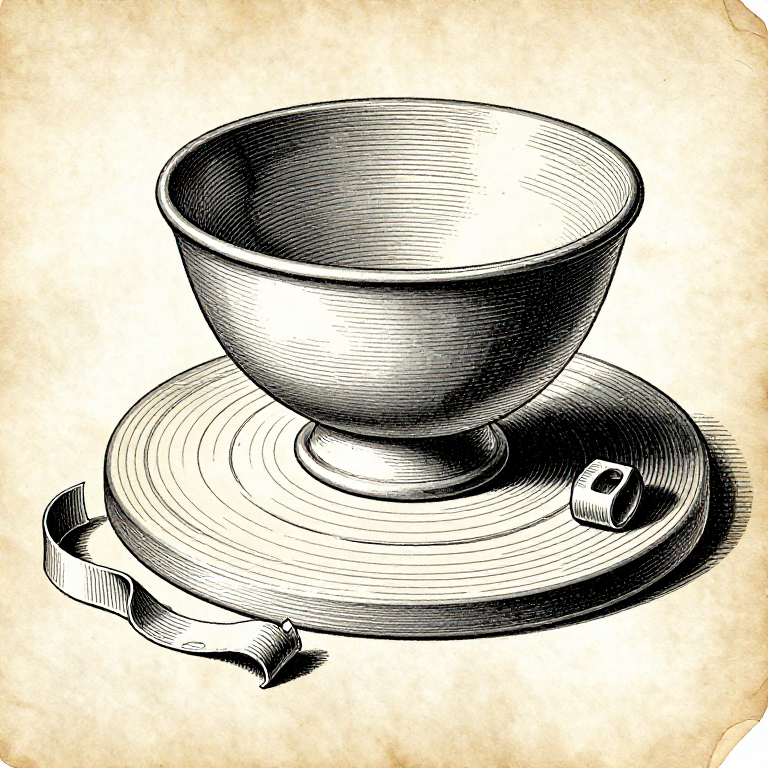


Trimming at Leather-Hard: The Timing Is the Whole Job
Trimming is cutting away the surplus clay under a pot to give it a foot and its finished profile. It is the step that turns a thrown cylinder into a piece that has been designed rather than merely made.
And it has a window. Too wet and the tool drags and smears and the pot distorts under the pressure of being held; too dry and the tool chatters, tears and skates, and the shavings come off as dust rather than ribbons.
The test is the shaving. Clay at the right state comes off in long continuous curls that hold together. Anything else — mush, dust, or short broken chips — is the clay telling you to wait or to stop.
Àárín
3 hours
Ìlànà
1
1
Find the window by touch, not by the clock
Find the window by touch, not by the clock
Leather-hard clay feels cool but not cold, takes a fingernail mark without the nail sinking in, and will not take a fingerprint. It holds its own weight upside down without deforming.
How long that takes depends on the clay, the thickness, the humidity and the draught, so an hour in one workshop is a day in another. The state is the thing; the time is a consequence.
If a pot has gone past the window, wrap it in a damp cloth inside plastic overnight and the moisture will redistribute back. That works once or twice; a pot cycled repeatedly picks up water unevenly and warps.
Àwọn ohun èlò fún ìgbésẹ̀ yìí:
 Amọ̀2 kg
Àwọn irinṣẹ́ tí a nílò:
 Ìdìpọ̀ ohun èlò amọ̀
 Kànìnkànìn
2
2
Centre it upside down, and hold it without squeezing
Centre it upside down, and hold it without squeezing
Put the pot upside down on the wheel head and centre it the same way you centre clay — spin it and tap the high side gently inward until it runs true. A pot trimmed off centre gets a foot that is off centre, and that is visible for ever.
Hold it down with three small coils of soft clay pressed against the outside, or on a chuck, rather than by clamping it. Squeezing a leather-hard pot to hold it will distort a shape that then dries oval.
Check with a knuckle against the spinning pot exactly as when centring. Touch finds the wobble that the eye will not, and this is the last chance to fix it.
Àwọn ohun èlò fún ìgbésẹ̀ yìí:
Amọ̀1 kgÀwọn irinṣẹ́ tí a nílò:
 Kẹ̀kẹ́ oníṣẹ́ ìkòkòÌdìpọ̀ ohun èlò amọ̀
 Ohun èlò ìhà igi ti amọ̀kòkò
3
3
Cut with the tool at the right angle, and go in stages
Cut with the tool at the right angle, and go in stages
Present the trimming tool so its edge shears the clay rather than scraping it. Held at a scraping angle it chatters, and chatter marks are extremely difficult to remove without losing the shape.
Take thin cuts. A tool buried deep grabs, the pot jumps off centre, and a cut that deep cannot be undone. Several light passes reach the same place with no risk.
Trim the foot last. Establish the outside profile first, then the inside of the foot ring, then the final wall thickness — checking as you go, because the one thing trimming cannot do is put clay back.
Àwọn ohun èlò fún ìgbésẹ̀ yìí:
Amọ̀1 kgÀwọn irinṣẹ́ tí a nílò:
Ìdìpọ̀ ohun èlò amọ̀ Òṣùwọ̀n Kálípà Díjítà Ìnṣì 6Kẹ̀kẹ́ oníṣẹ́ ìkòkò
4
4
How thick to leave it, and how to tell
How thick to leave it, and how to tell
Tap the base lightly with a fingernail while trimming. A dull thud means there is plenty of clay; a bright ringing note means it is getting thin, and a change in pitch as you move across means it is uneven.
That is a real measurement and it works because the base is a small drum whose pitch rises as it thins. Potters do it constantly and it is the fastest feedback available.
Aim to leave the base about the same thickness as the walls. Thicker and the pot is heavy and dries unevenly — the crack from the previous rung; thinner and it will go through, which is the one mistake that cannot be corrected at all.
Àwọn ohun èlò fún ìgbésẹ̀ yìí:
Amọ̀1 kgÀwọn irinṣẹ́ tí a nílò:
Ìdìpọ̀ ohun èlò amọ̀Òṣùwọ̀n Kálípà Díjítà Ìnṣì 6Àwọn irinṣẹ́ tó nílò
5- Àyè
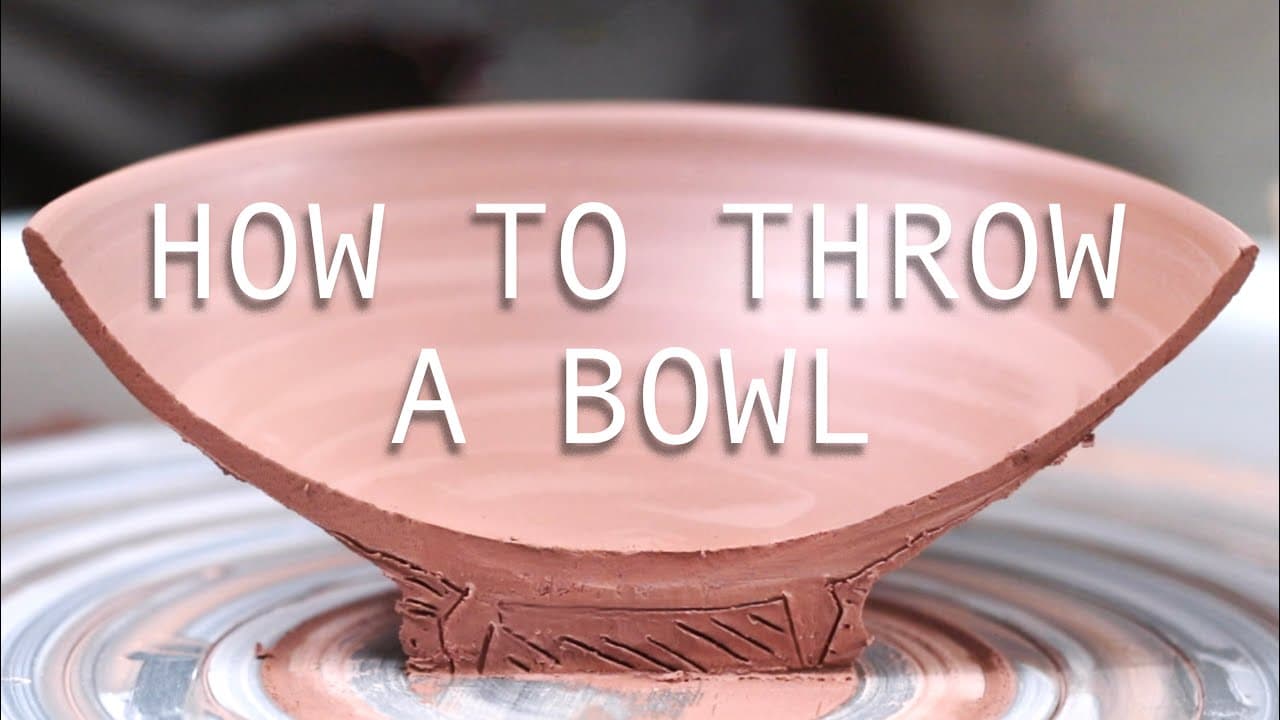
Blueprint tó jọra
Àwọn blueprint wọ̀nyí pín ìmọ̀ — ọ̀nà, ohun-èlò tàbí ìlànà
CC0 Àgbègbè Gbogbogbò
Blueprint yìí ti jáde lábẹ́ CC0. O lè ṣe àdàkọ, yí padà, pín, àti lò láìsí ìyọ̀ǹda.
Ṣàtìlẹ́yìn Olùṣẹ́dá nípa rírà àwọn ọjà nipasẹ̀ Blueprint wọn Ẹ̀san Olùṣẹ́dá tí àwọn Olùtajà gbé kalẹ̀, tàbí ṣẹ̀dá àtúnṣe tuntun ti Blueprint yìí kí o sì fi sínú Blueprint rẹ gẹ́gẹ́ bí ìsopọ̀ láti pín owó-wíwọlé.