IṢẸ́ ỌNÀ
ẸWÀ ÀTI ÌLERA
IṢẸ́ ỌWỌ́
ÀṢÀ ÀTI ÌTÀN
ÌṢERÉ
ÀYÍKÁ
OÚNJẸ ÀTI OHUN MÍMU
REVERSE ENGINEERING
SÁYẸ́ǸSÌ
ERÉ ÌDÁRAYÁ
ÌMỌ̀-Ẹ̀RỌ
ÀWỌN OHUN WÍWỌ̀


Roman Lime Mortar: Three of Pitsand or Two of River Sand to One of Slaked Lime, with Pounded Brick (Vitruvius)
Building mortar as Vitruvius gives it in Book II: test the sand by feel and on a white cloth, then mix slaked lime with three parts of fresh pitsand, or with two parts of river or sea sand plus pounded, sifted burnt brick. The sand you have sets the proportion.
Olùbẹ̀rẹ̀
An hour per batch, after the lime is slaked
Ìlànà
1
1
His proportions
His proportions
Ń ṣí ìwé Jupyter…
2
2
Read Vitruvius
Read Vitruvius
"After slaking it, mix your mortar, if using pitsand, in the proportions of three parts of sand to one of lime."
3
3
Test the sand
Test the sand
Good pitsand (black, gray, red or 'carbuncular') crackles when rubbed in the hand. Throw some on a white cloth and shake it out: if the cloth is not soiled, the sand is clean enough. Use pitsand fresh from the pit; left lying in sun and frost it turns earthy and will not bind.
Àwọn ohun èlò fún ìgbésẹ̀ yìí:
 Iyanrìn1 ẹyọ
Àwọn irinṣẹ́ tí a nílò:
 Aṣọ Òwú
 Ọkọ́
4
4
Or sift river or sea sand
Or sift river or sea sand
With no sandpit, sift sand from a river bed, gravel or the beach. It dries slowly, will not carry vaults, and sea sand gives a salty bloom under stucco.
Àwọn ohun èlò fún ìgbésẹ̀ yìí:
Iyanrìn1 ẹyọÀwọn irinṣẹ́ tí a nílò:
 Ajọ̀Ọkọ́
5
5
Pound the brick
Pound the brick
For river or sea sand, pound burnt brick and sift it.
Àwọn ohun èlò fún ìgbésẹ̀ yìí:
 Bíríkì1 ẹyọ
Àwọn irinṣẹ́ tí a nílò:
 Odó àti Ọmọ OdóAjọ̀
6
6
Mix
Mix
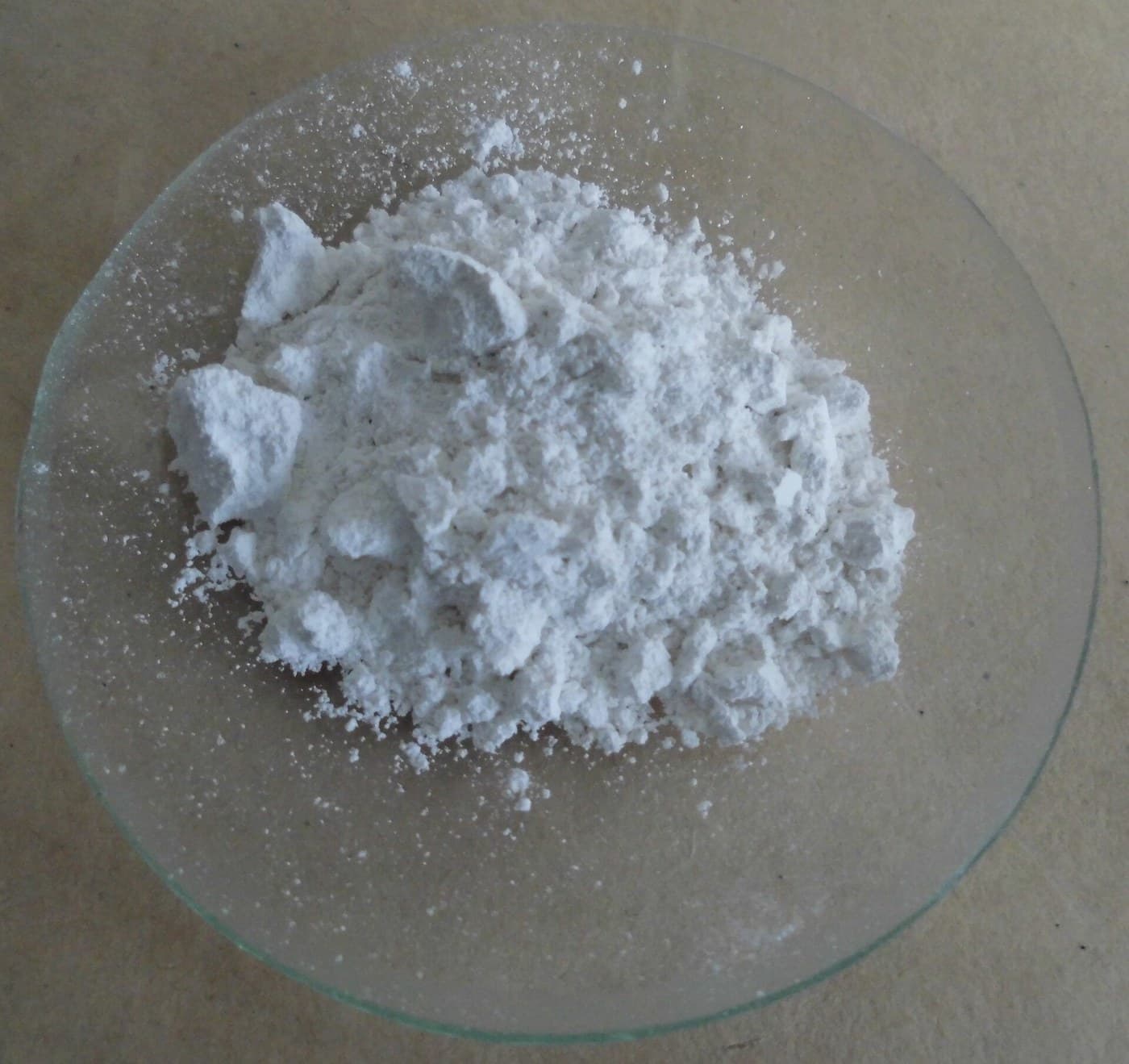
Use slaked lime from white stone (hard, close-grained stone for walls). Measure with one vessel: 3 sand to 1 lime for pitsand; 2 sand to 1 lime for river or sea sand, adding "a third part" of the brick (ours: one measure). Hoe it together dry, then with water to a stiff, workable paste (water ours).
Àwọn ohun èlò fún ìgbésẹ̀ yìí:
 Ẹfun tí a pa1 ẹyọIyanrìn1 ẹyọBíríkì1 ẹyọ
 Omi1 ẹyọ
Àwọn irinṣẹ́ tí a nílò:
 Ọpọ́n Ìdàpọ̀ Amọ̀ Ìkọ́lé
 Ọkọ́
 Bàkẹ́ẹ̀tì
7
7
Troubleshooting
Troubleshooting
Mortar troubleshooting.
Flow
Loading...
8
8
History and honest limits
History and honest limits
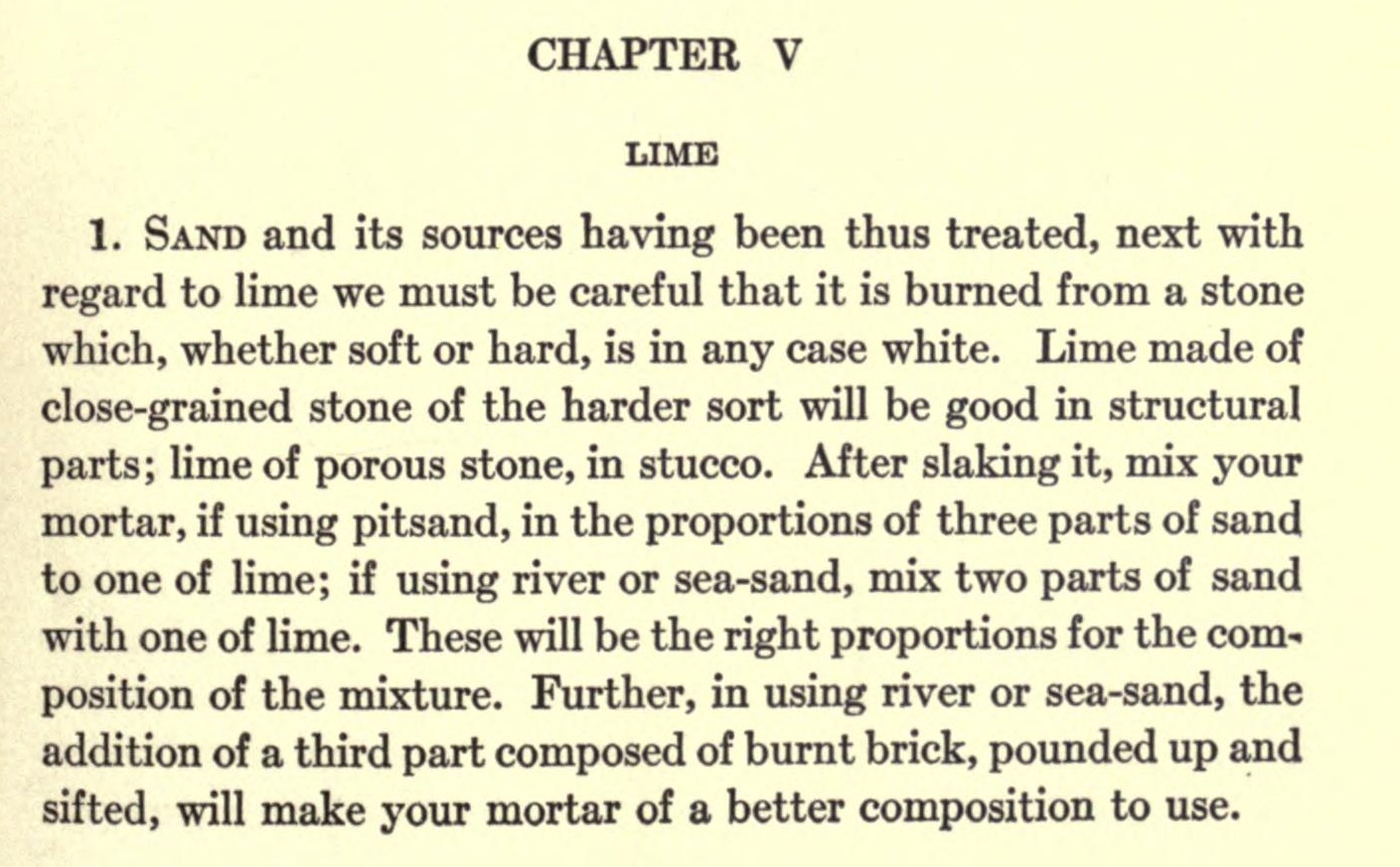
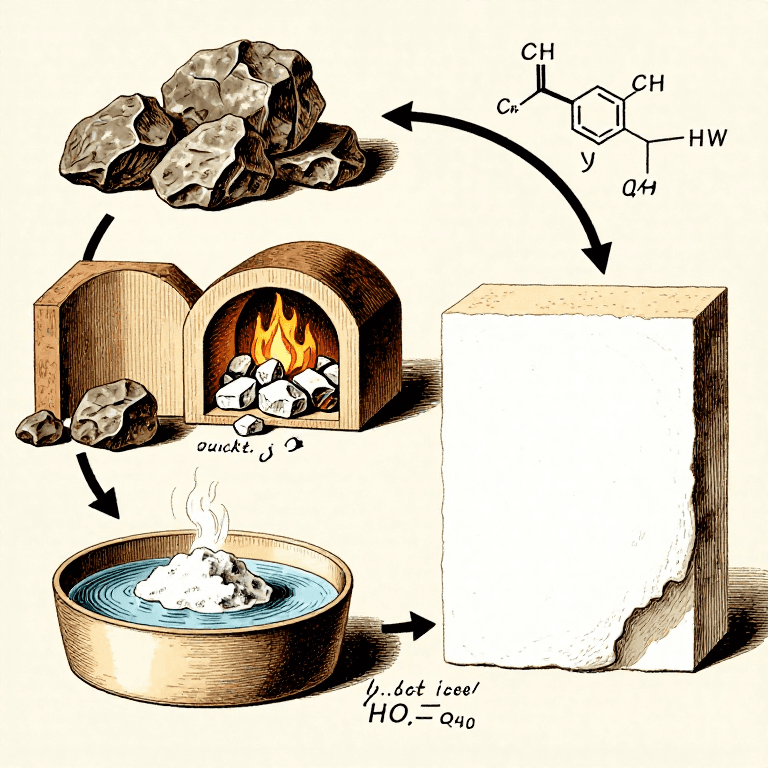
From Vitruvius, **The Ten Books on Architecture**, Book II chs. IV-V, tr. M. H. Morgan (1914), pp. 44-46 (checked on the archive.org scan vitruviustenbook00vitruoft). He adds that limestone loses about a third of its weight in the kiln. He gives parts, not a vessel, and no water: the measuring, the water and our reading of the brick 'third part' as one measure are ours.
Ìtọ́nisọ́nà yìí ń ṣe
Blueprint tó jọra
Àwọn blueprint wọ̀nyí pín ìmọ̀ — ọ̀nà, ohun-èlò tàbí ìlànà

CC0 Àgbègbè Gbogbogbò
Blueprint yìí ti jáde lábẹ́ CC0. O lè ṣe àdàkọ, yí padà, pín, àti lò láìsí ìyọ̀ǹda.
Ṣàtìlẹ́yìn Olùṣẹ́dá nípa rírà àwọn ọjà nipasẹ̀ Blueprint wọn Ẹ̀san Olùṣẹ́dá tí àwọn Olùtajà gbé kalẹ̀, tàbí ṣẹ̀dá àtúnṣe tuntun ti Blueprint yìí kí o sì fi sínú Blueprint rẹ gẹ́gẹ́ bí ìsopọ̀ láti pín owó-wíwọlé.