IṢẸ́ ỌNÀ
ẸWÀ ÀTI ÌLERA
IṢẸ́ ỌWỌ́
ÀṢÀ ÀTI ÌTÀN
ÌṢERÉ
ÀYÍKÁ
OÚNJẸ ÀTI OHUN MÍMU
REVERSE ENGINEERING
SÁYẸ́ǸSÌ
ERÉ ÌDÁRAYÁ
ÌMỌ̀-Ẹ̀RỌ
ÀWỌN OHUN WÍWỌ̀
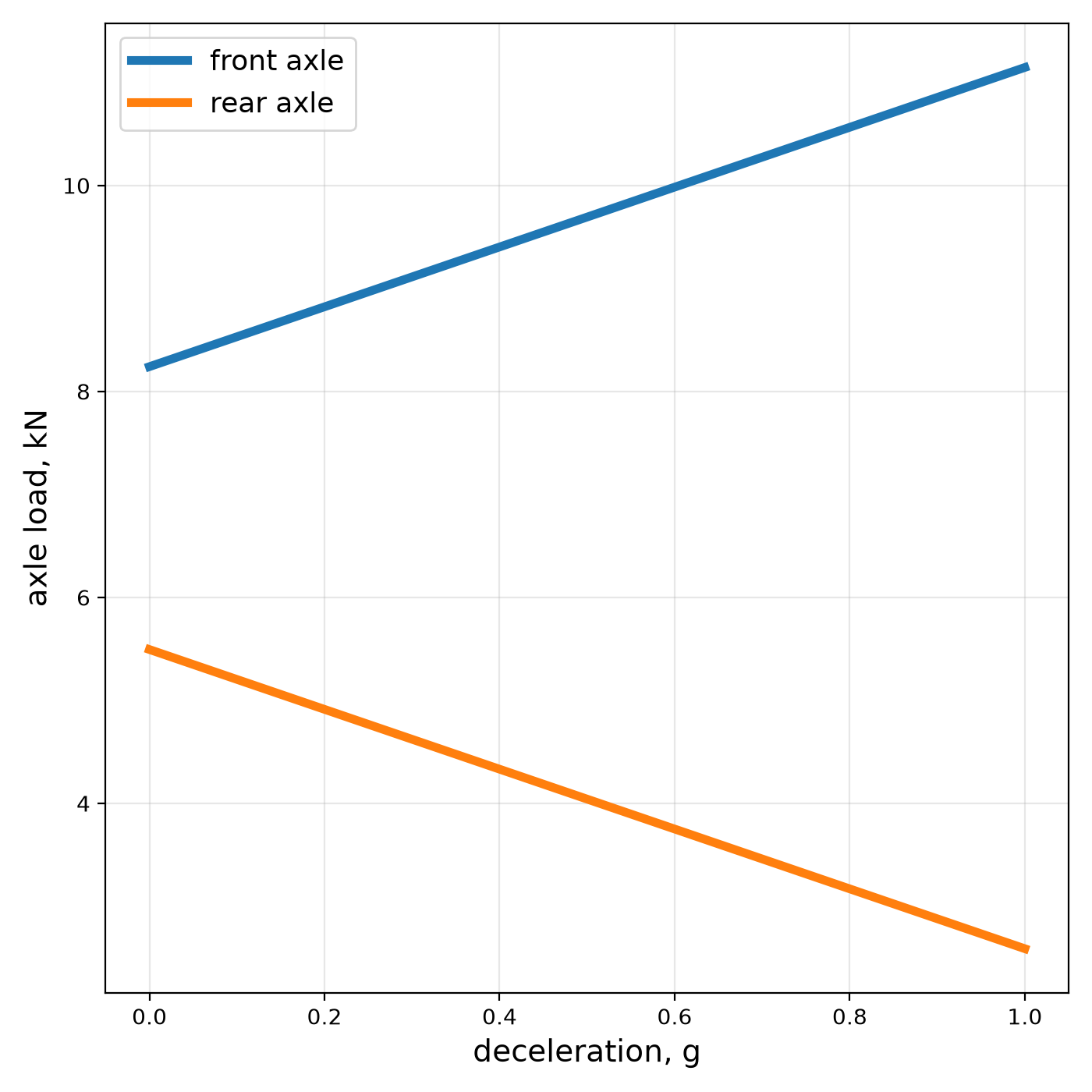
Youblob (generated from this blueprint's notebook) · CC0

Weight Transfer Under Braking: Why the Front Brakes Are Bigger
Brake hard and the nose dips: load moves from the rear wheels to the front. A tyre can only grip in proportion to the load on it, so in a hard stop the front tyres can do far more of the braking than the rear. Ask the rear brakes to do their static share and the rear wheels lock, and a car with locked rear wheels turns round.
This practice rung works out the load on each axle at several decelerations, and shows how to find a vehicle's centre-of-gravity height — the number the whole calculation turns on — with two scales and a block.
Olùbẹ̀rẹ̀
About 2 hours
Ìlànà
1
1
Axle loads and centre-of-gravity height
Axle loads and centre-of-gravity height
Ń ṣí ìwé Jupyter…
2
2
Measure a cart's centre of gravity
Measure a cart's centre of gravity
Build or take a wheeled cart — the dynamics cart set, or a board on the axle-and-wheel kit — and load it with weights. Stand its front wheels on the kitchen scale and its rear wheels on a block of the same height; read the front load. Weigh the whole cart too.
Raise the rear wheels by 100 mm on a stack of books and read the front load again. Put your numbers into the notebook in place of the example inputs.
Now move the weights higher on the cart and repeat: the front load changes MORE when the cart is tilted, and the notebook gives a greater height. A high centre of gravity means more weight transfer — the reason a tall van pitches so much more than a low car.
Àwọn ohun èlò fún ìgbésẹ̀ yìí:
 Ìwọ̀n1 ìtò
Àwọn irinṣẹ́ tí a nílò:
 Òṣùwọ̀n Díjítà Ilé Ìdáná
 Àkójọ kẹ̀kẹ́ dynamics (ìfàkì kékeré)
 Ìdíwọ̀n
3
3
Context
Context
A practice rung: the statics of a braking vehicle, which set the proportions of every brake system — bigger front brakes, pressure-limiting valves to the rear, and today anti-lock systems that keep each wheel just short of locking.
**Honest limits of the model.** Rigid body, no suspension movement, level road, and constant deceleration. Suspension geometry can resist the pitch (anti-dive); a slope changes the static loads; and a tyre's grip is not exactly proportional to its load.
Àwọn irinṣẹ́ tó nílò
3- Àyè
Blueprint tó jọra
Àwọn blueprint wọ̀nyí pín ìmọ̀ — ọ̀nà, ohun-èlò tàbí ìlànà
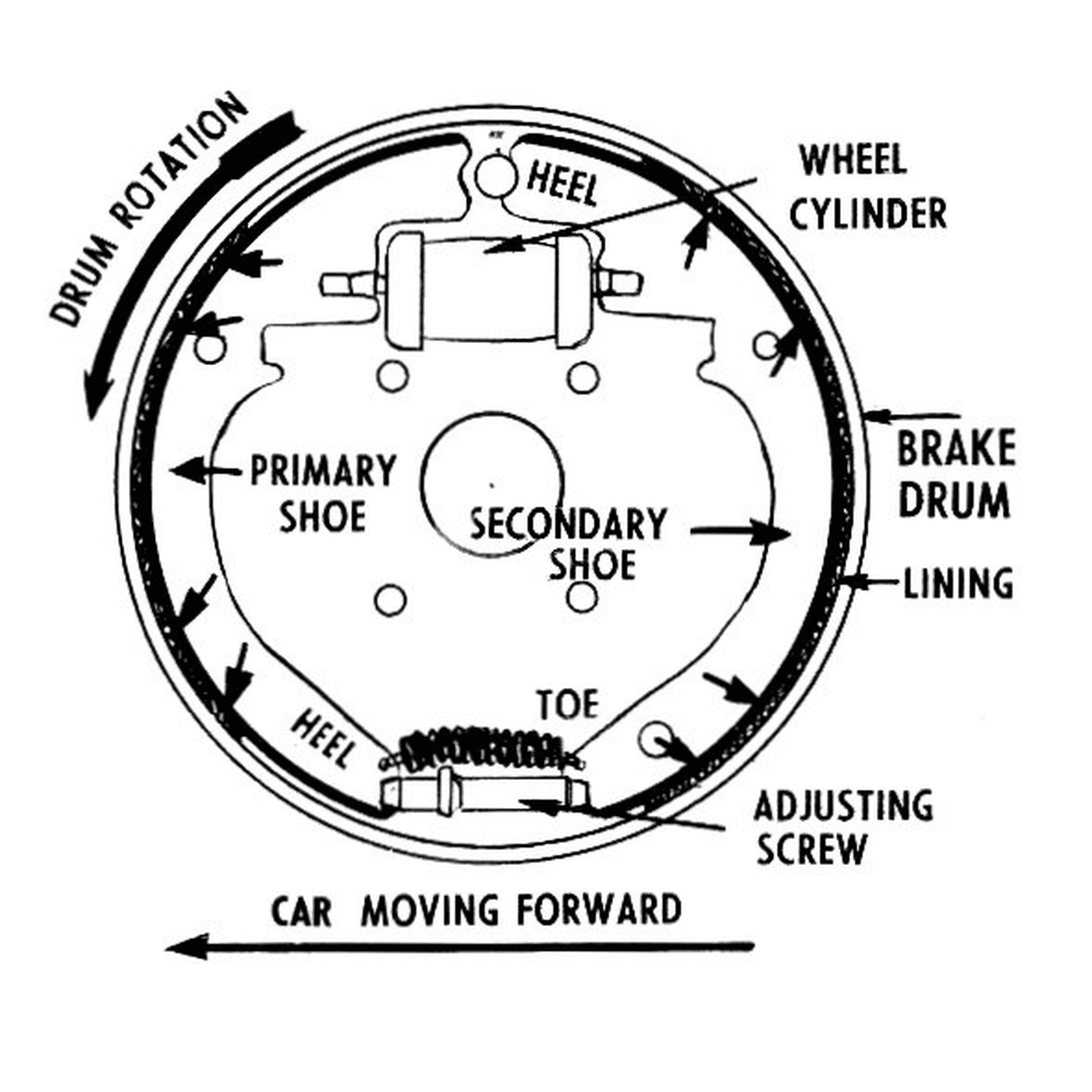
The Drum Brake: Shoes That Push Themselves Harder
láti ọwọ́ Martin
Ìmọ̀ Ẹ̀rọ
40
0
0
0
0
0
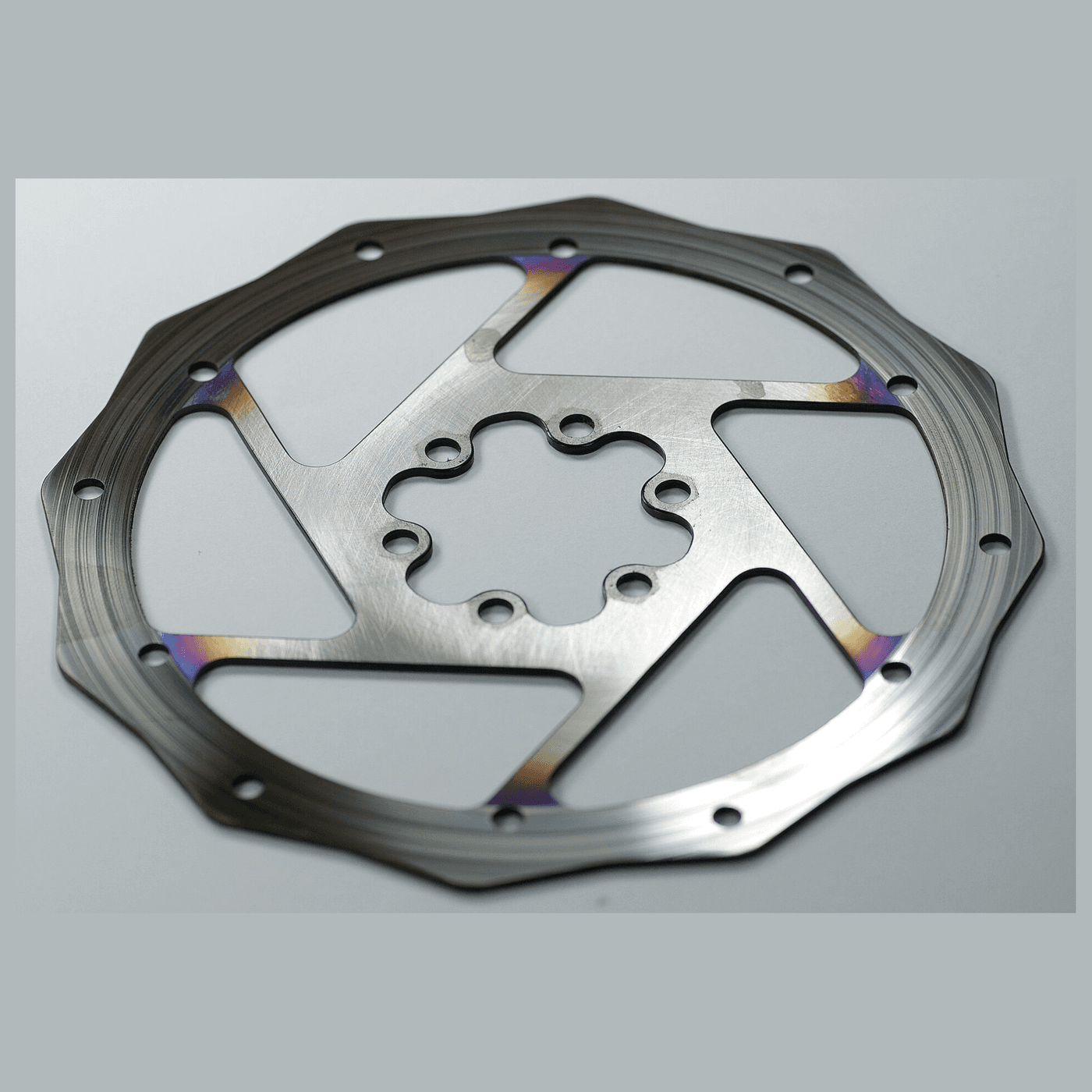
The Disc Brake: A Stop Is Heat, and the Disc Can Get Rid of It
láti ọwọ́ Emma
Ìmọ̀ Ẹ̀rọ
28
0
0
0
0
0

The Hydraulic Shock Absorber: Liquid Forced Through a Small Passage
láti ọwọ́ Emma
Ìmọ̀ Ẹ̀rọ
34
0
0
0
0
0
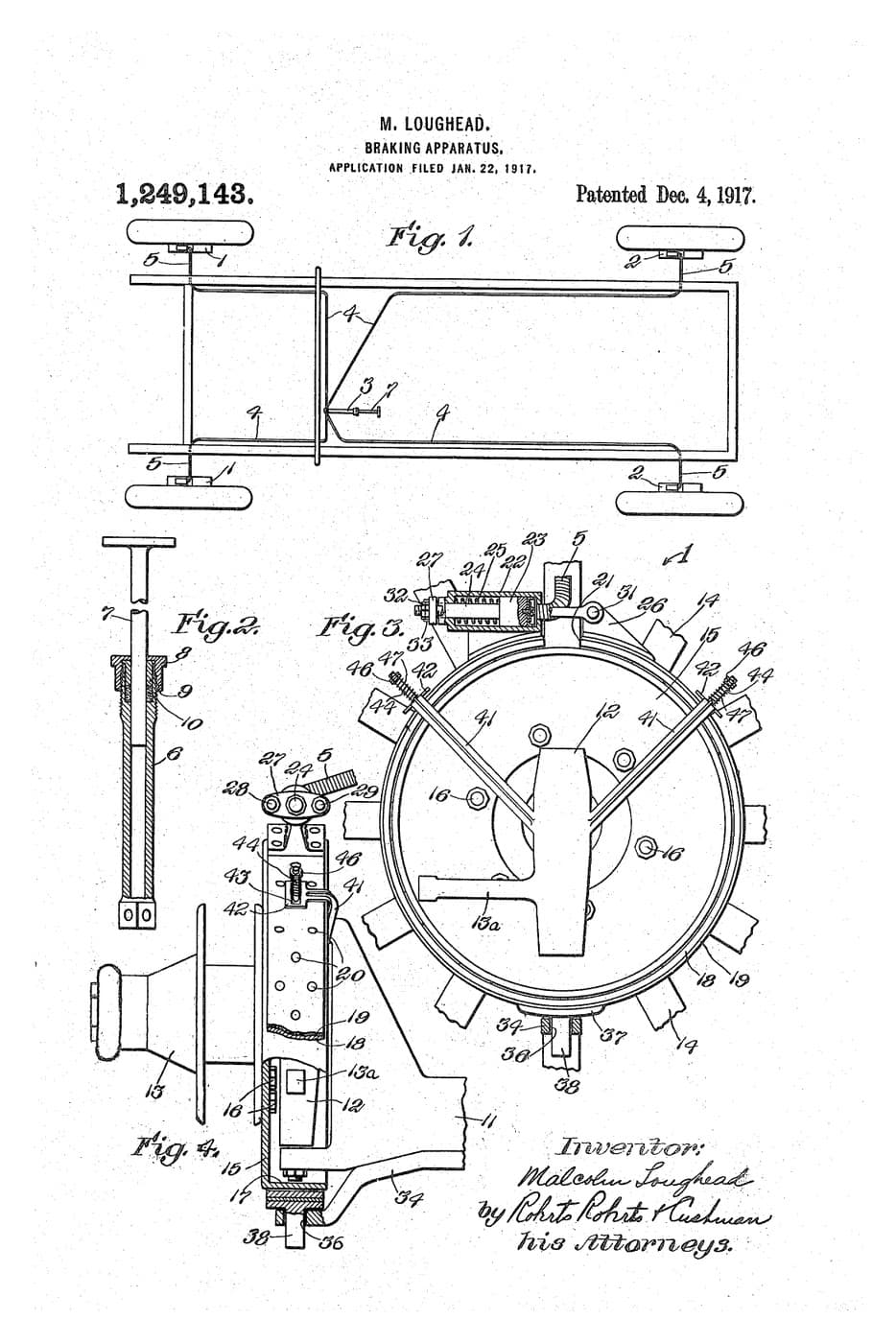
Hydraulic Brake
láti ọwọ́ Emma
ÌMỌ̀-Ẹ̀RỌ
44
0
0
0
0
0
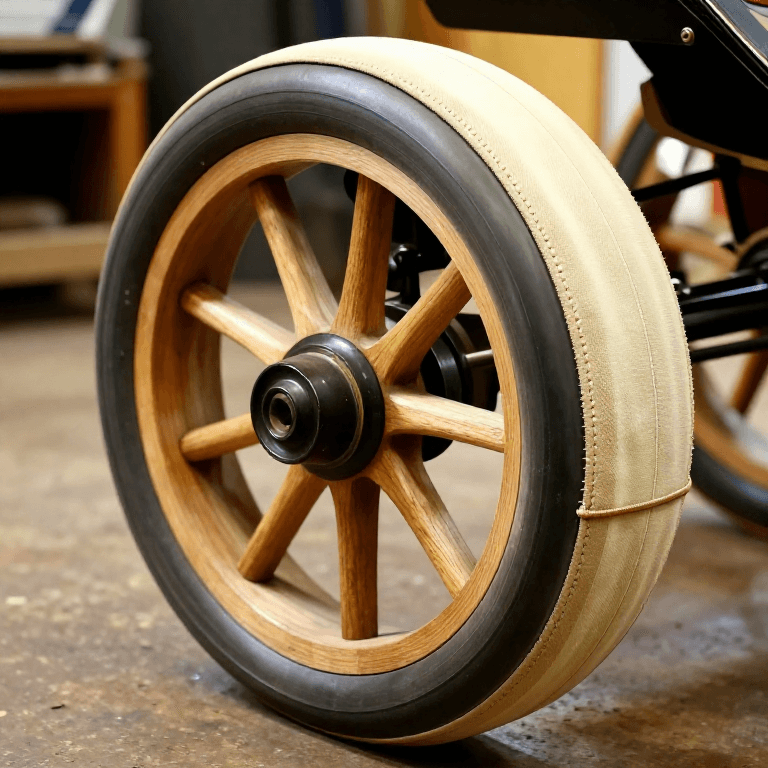
Pneumatic Tyre
láti ọwọ́ Spartan
Ìdíje Eré
47
0
0
0
0
0
CC0 Àgbègbè Gbogbogbò
Blueprint yìí ti jáde lábẹ́ CC0. O lè ṣe àdàkọ, yí padà, pín, àti lò láìsí ìyọ̀ǹda.
Ṣàtìlẹ́yìn Olùṣẹ́dá nípa rírà àwọn ọjà nipasẹ̀ Blueprint wọn Ẹ̀san Olùṣẹ́dá tí àwọn Olùtajà gbé kalẹ̀, tàbí ṣẹ̀dá àtúnṣe tuntun ti Blueprint yìí kí o sì fi sínú Blueprint rẹ gẹ́gẹ́ bí ìsopọ̀ láti pín owó-wíwọlé.