IṢẸ́ ỌNÀ
ẸWÀ ÀTI ÌLERA
IṢẸ́ ỌWỌ́
ÀṢÀ ÀTI ÌTÀN
ÌṢERÉ
ÀYÍKÁ
OÚNJẸ ÀTI OHUN MÍMU
REVERSE ENGINEERING
SÁYẸ́ǸSÌ
ERÉ ÌDÁRAYÁ
ÌMỌ̀-Ẹ̀RỌ
ÀWỌN OHUN WÍWỌ̀

Photoelectric Exposure Meter
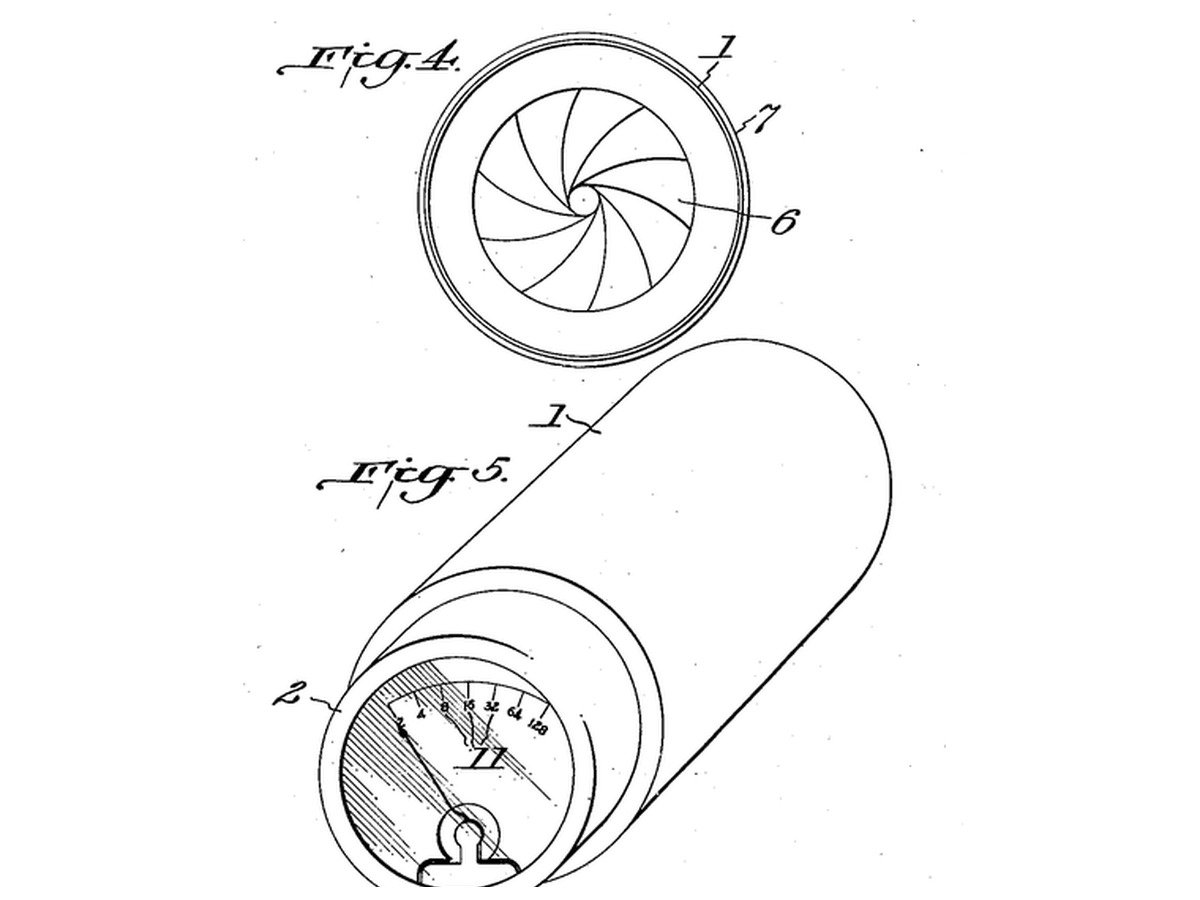
Photographers judged exposure by eye, by printed tables, or with extinction meters that asked them to read the dimmest visible number. Edward Weston (the instrument maker, not the photographer) used a photovoltaic cell that generates its own current in light and fed it straight into a sensitive meter marked in exposure terms. No battery, no judgement.
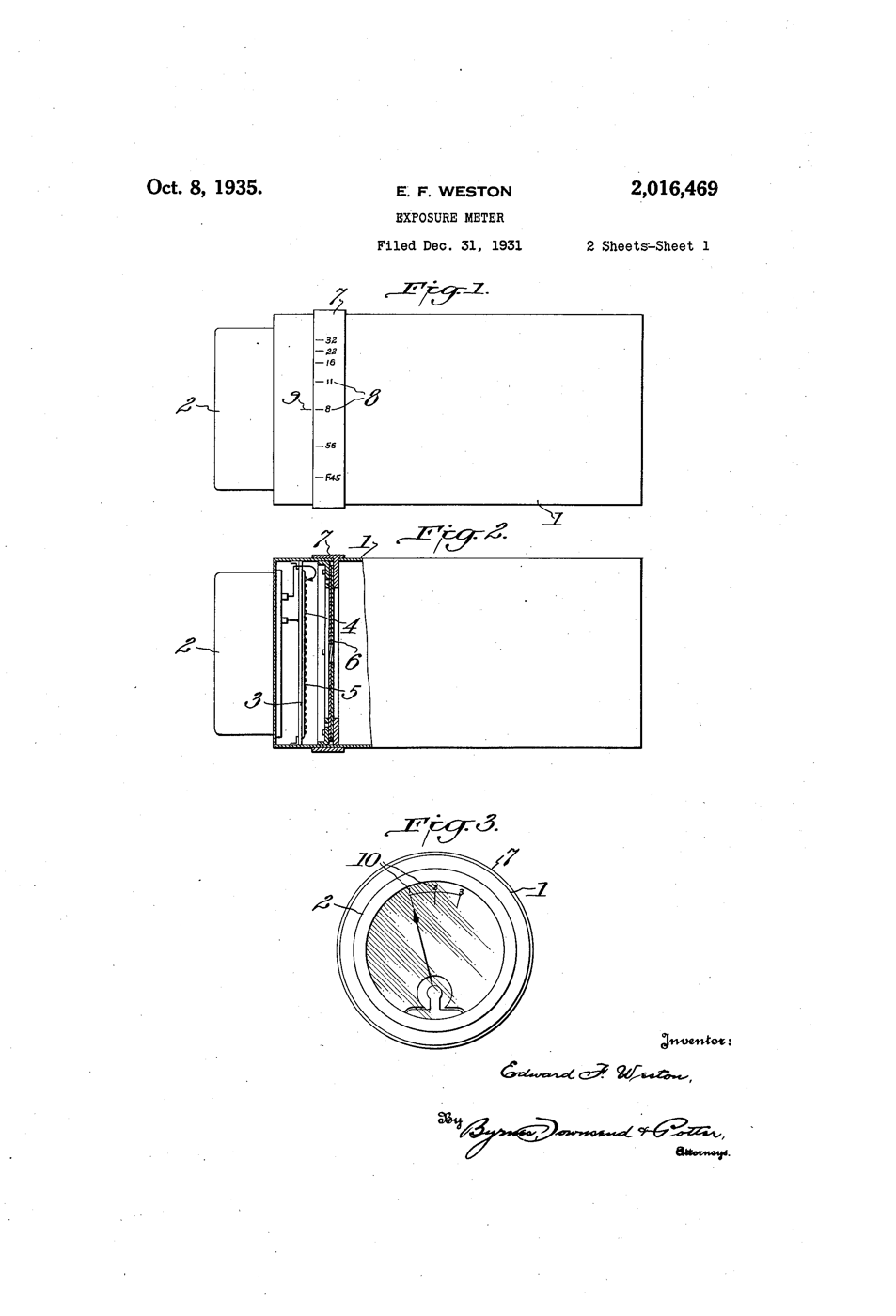
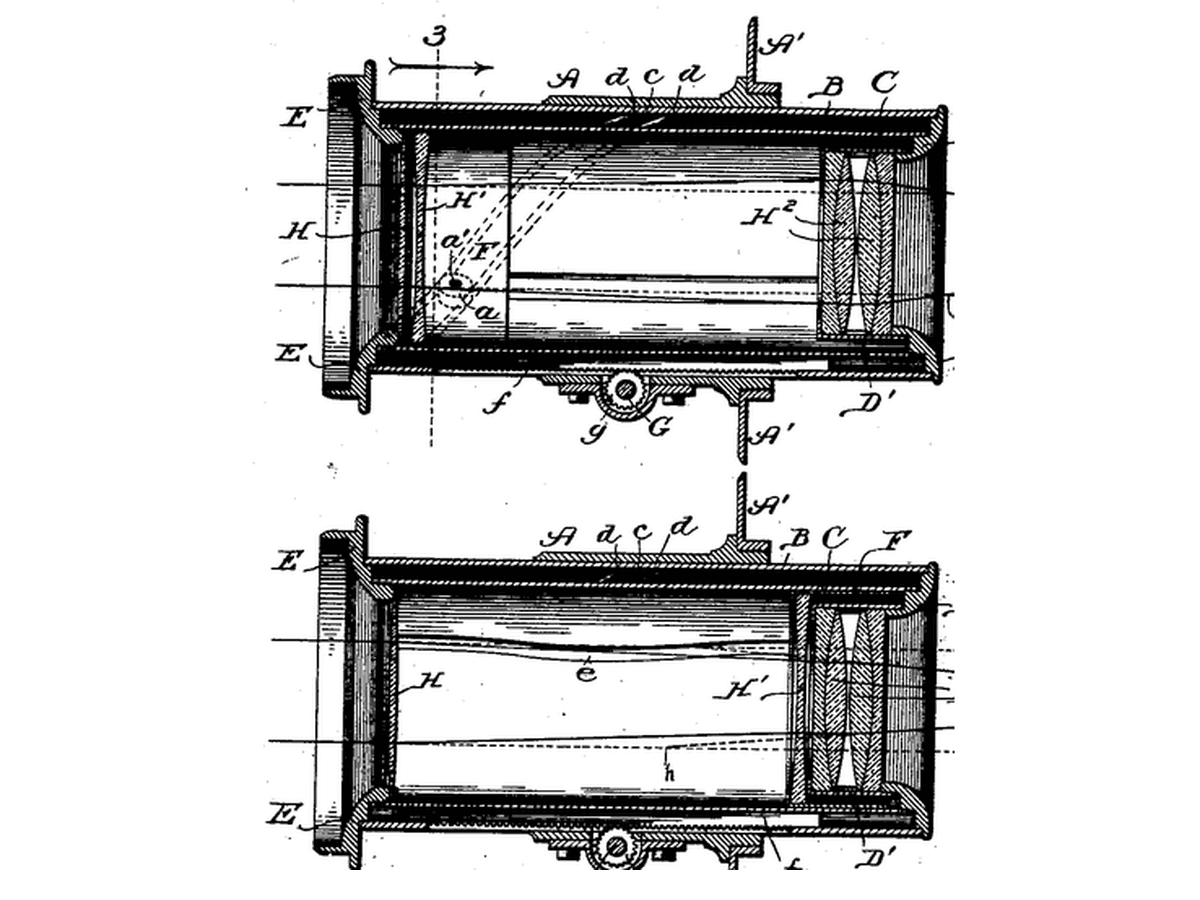
**US 2,016,469**, "Exposure meter", Weston, assigned to Weston Electrical Instrument, filed 31. December 1931, granted 8. October 1935: an instrument "for the direct determination of the correct exposure conditions", improving on earlier current-generating cell meters whose output was too small and whose construction was impractical.
**You build the same thing** from a small solar cell and a multimeter, calibrate it against a lux meter, and turn its readings into shutter speeds.
Olùbẹ̀rẹ̀
90 minutes
Ìlànà
1
1
Cell and meter
Cell and meter
Clip the solar cell's two leads to the multimeter set to DC milliamps (or microamps). This short-circuits the cell through the meter - the current is what you read.
Àwọn ohun èlò fún ìgbésẹ̀ yìí:
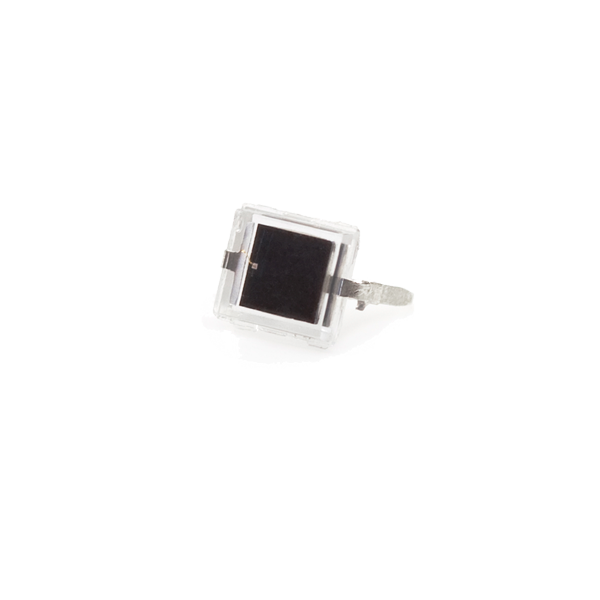 Solar Cell Mini - 350mV1 ẹyọ
Àwọn irinṣẹ́ tí a nílò:
 Òǹwọ̀n iná mànàmáná onírúurú
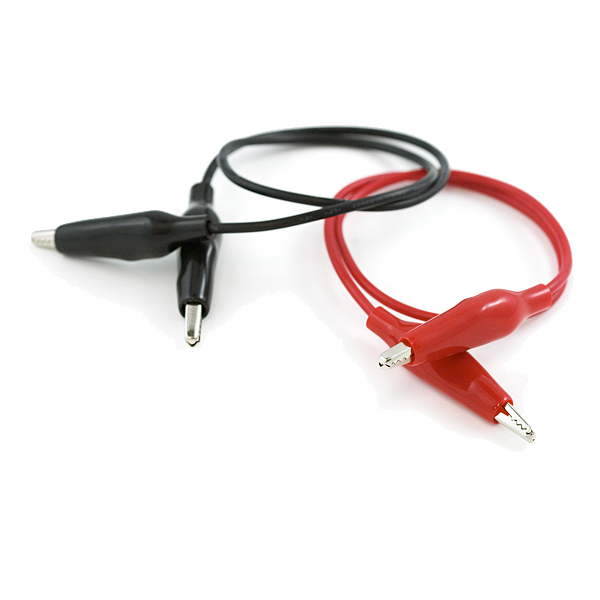 Alligator to Alligator Cables
2
2
A hood
A hood
Glue a black card tube 30 mm long around the cell so it sees only light from in front, as Weston's meter did.
Àwọn ohun èlò fún ìgbésẹ̀ yìí:
 Káàdì dúdú tí ó nípọn1 ewé
Àwọn irinṣẹ́ tí a nílò:
 Ọ̀bẹ Iṣẹ́ Ọwọ́
 Ìbọn ìlẹ̀mọ́ gbígbóná
3
3
Calibrate
Calibrate
Hold the cell and the lux meter side by side, facing the same way, in four very different lights: a dim room, a lamp, a window, open shade outdoors. Note both readings each time.
Àwọn irinṣẹ́ tí a nílò:
 Ohun ìdíwọ̀n lux
4
4
Current to exposure
Current to exposure
Ń ṣí ìwé Jupyter…
5
5
Use it
Use it
Stand at the subject, point the hood back towards the camera, read the current, and set the camera manually from the notebook's table. Compare with the camera's own meter.
Àwọn irinṣẹ́ tí a nílò:
Òǹwọ̀n iná mànàmáná onírúurú6
6
History & Context
History & Context
**What the patent specifies:** a light-sensitive current-generating cell connected to a measuring instrument reading directly in exposure terms. **Modern build (derived):** a silicon solar cell and a multimeter.
Weston's selenium-cell meters, sold from 1932, made metering routine; cameras later built the cell in. Its limits: selenium cells lose sensitivity in dim light and age, and any meter averages the scene - a snowfield or a black cat still fools it.
Àwọn ohun-èlò
2- Solar Cell Mini - 350mVìdá 10%1 ẹyọ$2.18
- Àyè
Àwọn irinṣẹ́ tó nílò
5- $3.52
Àpapọ̀ Ìfojúsùn
Ohun tí ẹni tó ṣe é rà. Àwọn ohun èlò tí kò ní iye owó ni o máa rà níbi tí o bá ti rà á.
Ìtọ́nisọ́nà yìí ń ṣe
Blueprint tó jọra
Àwọn blueprint wọ̀nyí pín ìmọ̀ — ọ̀nà, ohun-èlò tàbí ìlànà

CC0 Àgbègbè Gbogbogbò
Blueprint yìí ti jáde lábẹ́ CC0. O lè ṣe àdàkọ, yí padà, pín, àti lò láìsí ìyọ̀ǹda.
Ṣàtìlẹ́yìn Olùṣẹ́dá nípa rírà àwọn ọjà nipasẹ̀ Blueprint wọn Ẹ̀san Olùṣẹ́dá tí àwọn Olùtajà gbé kalẹ̀, tàbí ṣẹ̀dá àtúnṣe tuntun ti Blueprint yìí kí o sì fi sínú Blueprint rẹ gẹ́gẹ́ bí ìsopọ̀ láti pín owó-wíwọlé.