IṢẸ́ ỌNÀ
ẸWÀ ÀTI ÌLERA
IṢẸ́ ỌWỌ́
ÀṢÀ ÀTI ÌTÀN
ÌṢERÉ
ÀYÍKÁ
OÚNJẸ ÀTI OHUN MÍMU
REVERSE ENGINEERING
SÁYẸ́ǸSÌ
ERÉ ÌDÁRAYÁ
ÌMỌ̀-Ẹ̀RỌ
ÀWỌN OHUN WÍWỌ̀
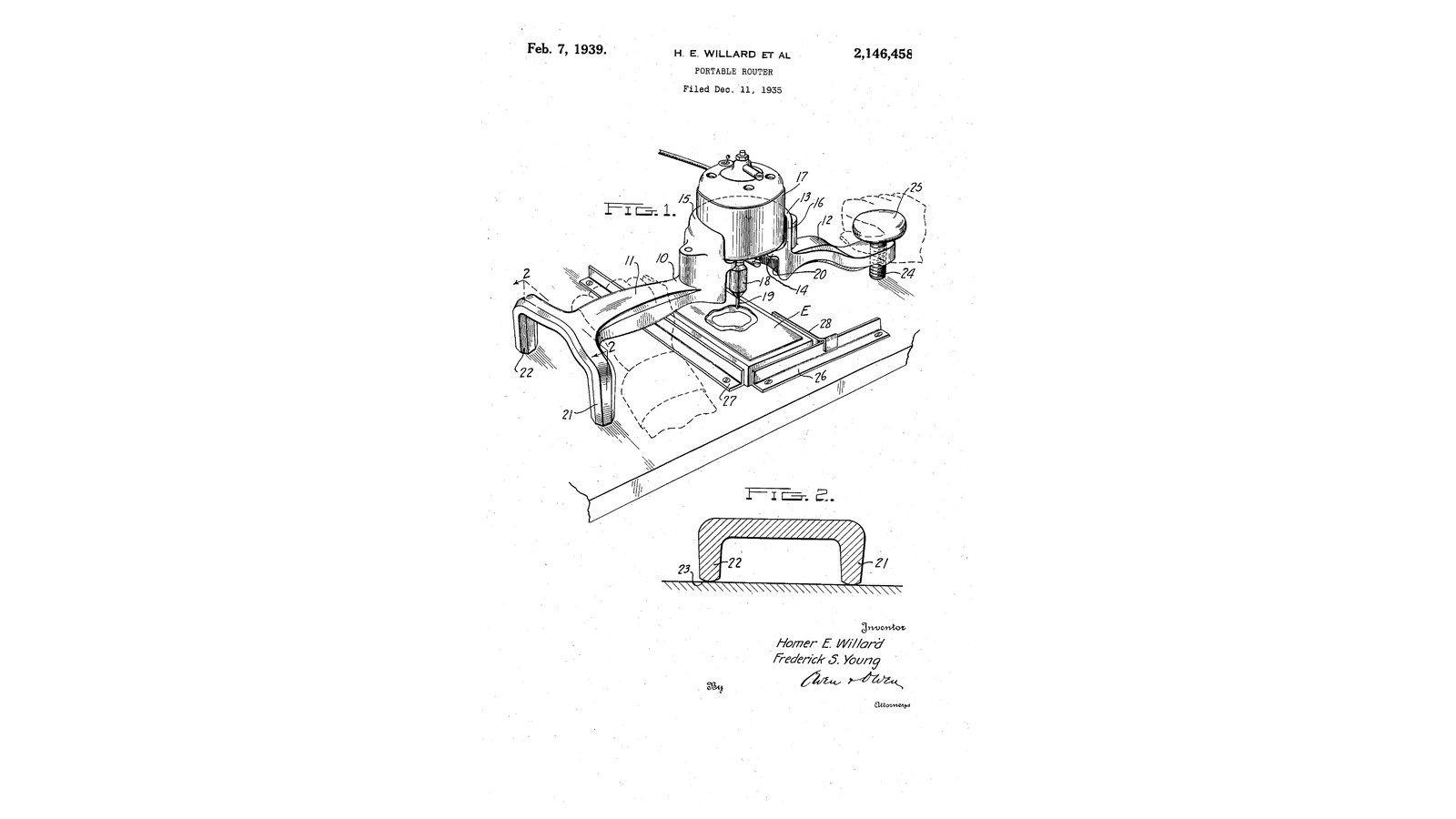


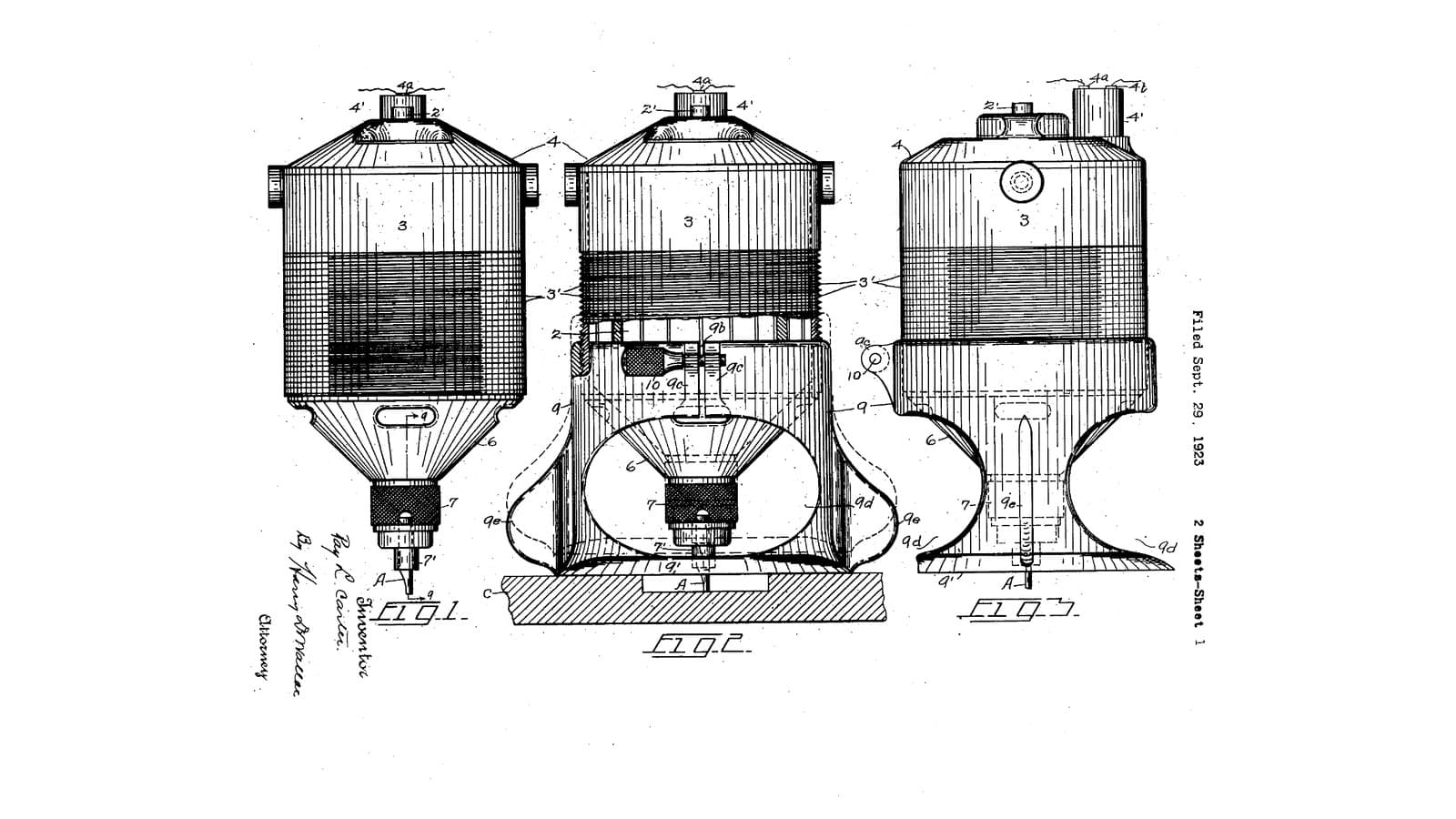
Three-Legged Router: A T-Frame on the Table Beside the Work, Its Depth Set by a Knob While Cutting (Willard & Young, 1939)
Homer E. Willard and Frederick S. Young of Toledo, Ohio, received US 2,146,458, dated 7 February 1939, for a simple portable router with few moving parts. The motor sits in an open-fronted support in the middle of a T-shaped frame, so the bit and the work are always in view. The frame stands on three legs on the table beside the clamped work: two curved legs at one end, and at the other a screw with a knob. Turning the knob with one hand raises or lowers the bit while it cuts.
We print the frame in PETG round a small DC motor. The sizes are ours.
Àárín
About 1 day
Ìlànà
1
1
Depth by the knob
Depth by the knob
Ń ṣí ìwé Jupyter…
2
2
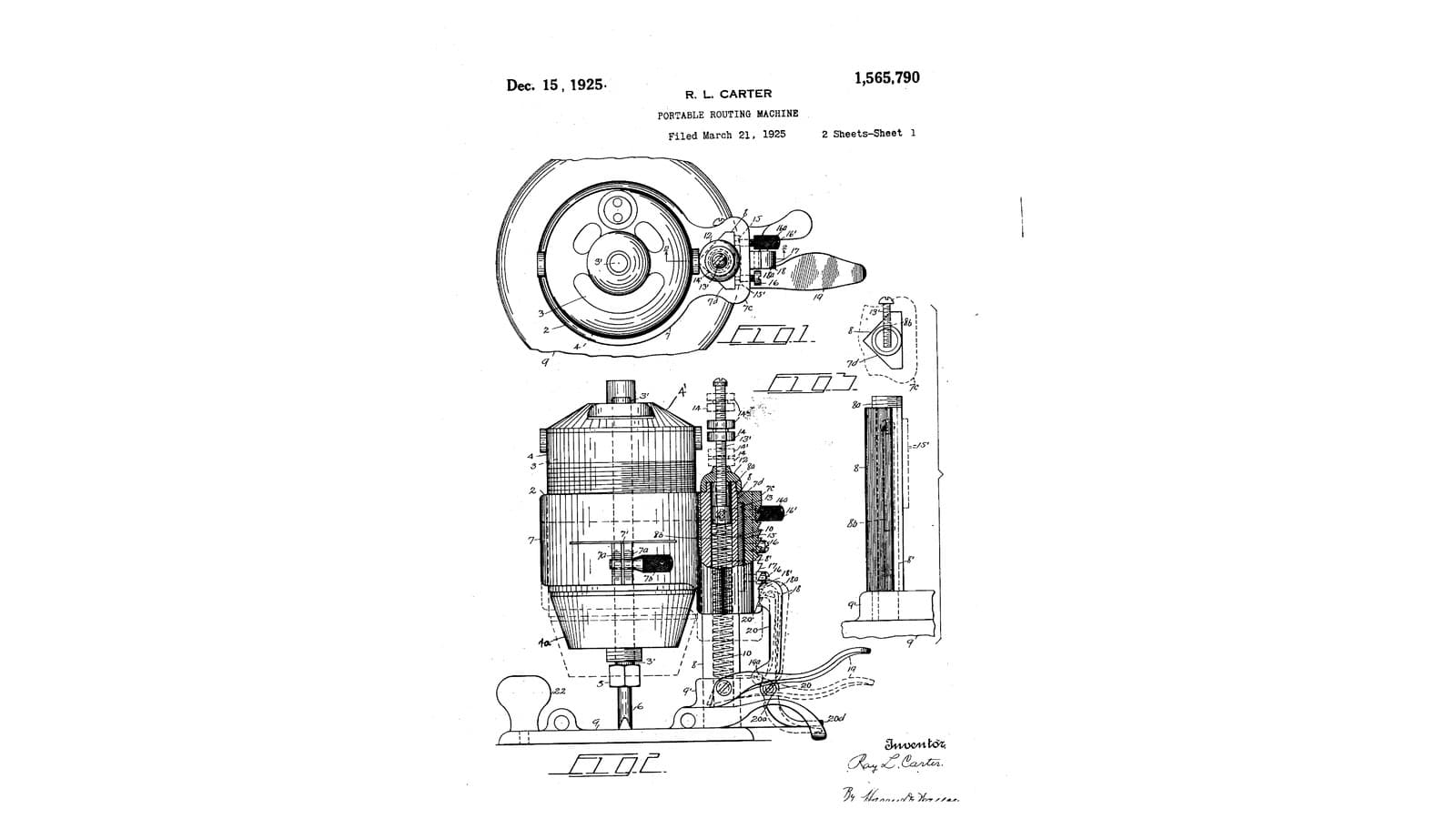
Read US 2,146,458
Read US 2,146,458
"Thus, by turning the wrist in one direction or the other, the bit 19 may be raised or lowered, as required, without stopping the motor and without removing the hands from the tool."
3
3
Print the frame
Print the frame
The T-shaped frame 10: the motor support 13 with its ledge 14 (an 18 mm hole and two M4 holes 29 mm apart) and curved wall 15, open at the front 16; arm 11 to the cross with two curved legs 21, 22; arm 12 to a boss with an M10 nut trap for the screw leg 24. PETG, 0.2 mm layers, 40 % infill, 5 walls; print it legs up, ledge on the bed.
4
4
Fit the motor
Fit the motor
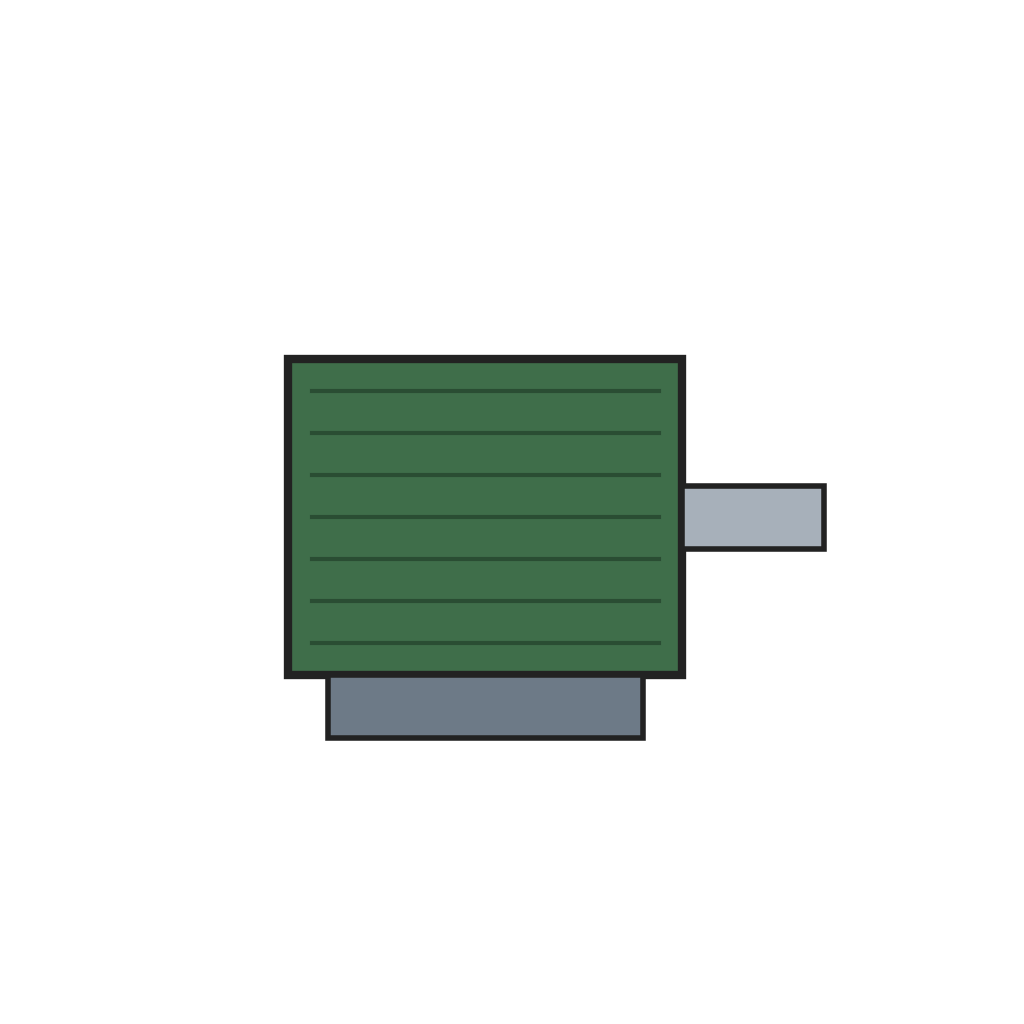
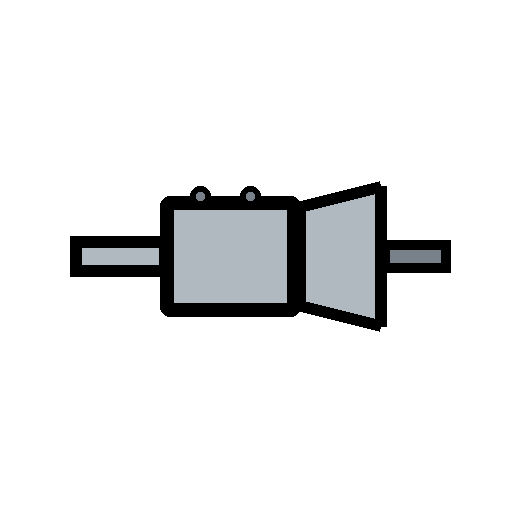
Print the frame. Fit the collet adapter on the motor's shaft, stand the motor in the support with its face on the ledge and the collet through the hole, and screw it down with two M4 screws. Wire it through a toggle switch to the DC supply as for our 1924 router.
Àwọn ohun èlò fún ìgbésẹ̀ yìí:
 Okùn PETG1 ẹyọ
 Mọ́tò iná mànàmáná1 ẹyọ
 Àsopọ̀ kólẹ́ẹ̀tì fún ọ̀pá mọ́tò1 ẹyọ
 Ìṣọ Onípọ̀n Orí Sokẹ́ẹ̀tì2 ẹyọ
 Àwọ̀n oníhànhán1 ẹyọ
 Okùn ìsopọ̀1 ẹyọ
 Tube tí ń hó pẹ̀lú ooru1 ẹyọ
Àwọn irinṣẹ́ tí a nílò:
 Ẹ̀rọ ìtẹ̀ 3D oníwàyà (FDM)
 Orísun iná DC
 Irin Sọ́ldà Oníná Mànàmáná
 Ìdìpọ̀ kọ́kọ́rọ́ igun mẹ́fà
5
5
The screw leg and knob
The screw leg and knob
Press an M10 nut into the trap under the boss. Cut 100 mm of M10 threaded rod, round its lower end with a file so it slides on the table, and screw it up through the nut. Turn a hardwood knob 25, bore it, and glue it on the rod's top with a nut locked under it.
Àwọn ohun èlò fún ìgbésẹ̀ yìí:
 Nọ́ọ̀tì Onígun Mẹ́fà2 ẹyọ
 Ọ̀pá oníṣọ̀kan1 ẹyọ
 Pátákó Igi Líle1 ẹyọ
 Ìdìpọ̀ Igi1 ẹyọ
Àwọn irinṣẹ́ tí a nílò:
 Ayùn Irin
 Àkójọ Ìfá
 Ẹ̀rọ ìyí igi
 Ẹ̀rọ Ìlùkòkò Aláìlókùn
 Àkójọ Orí Ìlùkòkò
 Kọ́kọ́rọ́ tí a lè ṣàtúnṣe
6
6
Rout
Rout
Clamp the work down on the table between two strips. Fit a bit and stand the router on the table so its legs are beside the work and the bit is over it. Turn the knob until the bit just clears the work, switch on, and turn it down a little while moving the router over the area to be cut, one hand on arm 11 and the other on the knob.
Àwọn irinṣẹ́ tí a nílò:
 Àkójọ orí ẹ̀rọ ìgbẹ́Pátákó Igi Líle
 Ìdìmú oní-ọ̀pá
 Òṣùwọ̀n Kálípà Díjítà Ìnṣì 6
 Gíláàsì ààbò
7
7
Troubleshooting
Troubleshooting
Three-legged router troubleshooting.
Flow
Loading...
8
8
History and honest limits
History and honest limits
**Homer E. Willard** and **Frederick S. Young** of Toledo, Ohio, US 2,146,458, dated 7 February 1939, filed 11 December 1935. They claimed "a portable router comprising a T-shaped frame having a semi-circular recess in the stem of the T, a bit-operating motor mounted in said recess and a leg projecting in the same direction as the bit from each of the ends of the frame", one leg "screw-threaded through the arm and terminating above the arm in an operating knob". Their work was an electrotype clamped on the table; their motor ran on mains. Ours is a small DC motor in a printed frame. They give no sizes; every size here is ours.
Àwọn ohun-èlò
11- 1 ẹyọÀyè
- 1 ẹyọÀyè
- Àyè
- Àyè
- Àyè
- Àyè
- Àyè
- 2 ẹyọÀyè
- 1 ẹyọÀyè
- 1 ẹyọÀyè
- 1 ẹyọÀyè
Àwọn irinṣẹ́ tó nílò
15- Àyè
- Àyè
- Àyè
- 1 vendor sell this, none ship to you yetÀyè
- 1 vendor sell this, none ship to you yetÀyè
- Àyè
Àwọn fáìlì àpẹrẹ
1Ìtọ́nisọ́nà yìí ń ṣe

Blueprint tó jọra
Àwọn blueprint wọ̀nyí pín ìmọ̀ — ọ̀nà, ohun-èlò tàbí ìlànà
CC0 Àgbègbè Gbogbogbò
Blueprint yìí ti jáde lábẹ́ CC0. O lè ṣe àdàkọ, yí padà, pín, àti lò láìsí ìyọ̀ǹda.
Ṣàtìlẹ́yìn Olùṣẹ́dá nípa rírà àwọn ọjà nipasẹ̀ Blueprint wọn Ẹ̀san Olùṣẹ́dá tí àwọn Olùtajà gbé kalẹ̀, tàbí ṣẹ̀dá àtúnṣe tuntun ti Blueprint yìí kí o sì fi sínú Blueprint rẹ gẹ́gẹ́ bí ìsopọ̀ láti pín owó-wíwọlé.