IṢẸ́ ỌNÀ
ẸWÀ ÀTI ÌLERA
IṢẸ́ ỌWỌ́
ÀṢÀ ÀTI ÌTÀN
ÌṢERÉ
ÀYÍKÁ
OÚNJẸ ÀTI OHUN MÍMU
REVERSE ENGINEERING
SÁYẸ́ǸSÌ
ERÉ ÌDÁRAYÁ
ÌMỌ̀-Ẹ̀RỌ
ÀWỌN OHUN WÍWỌ̀
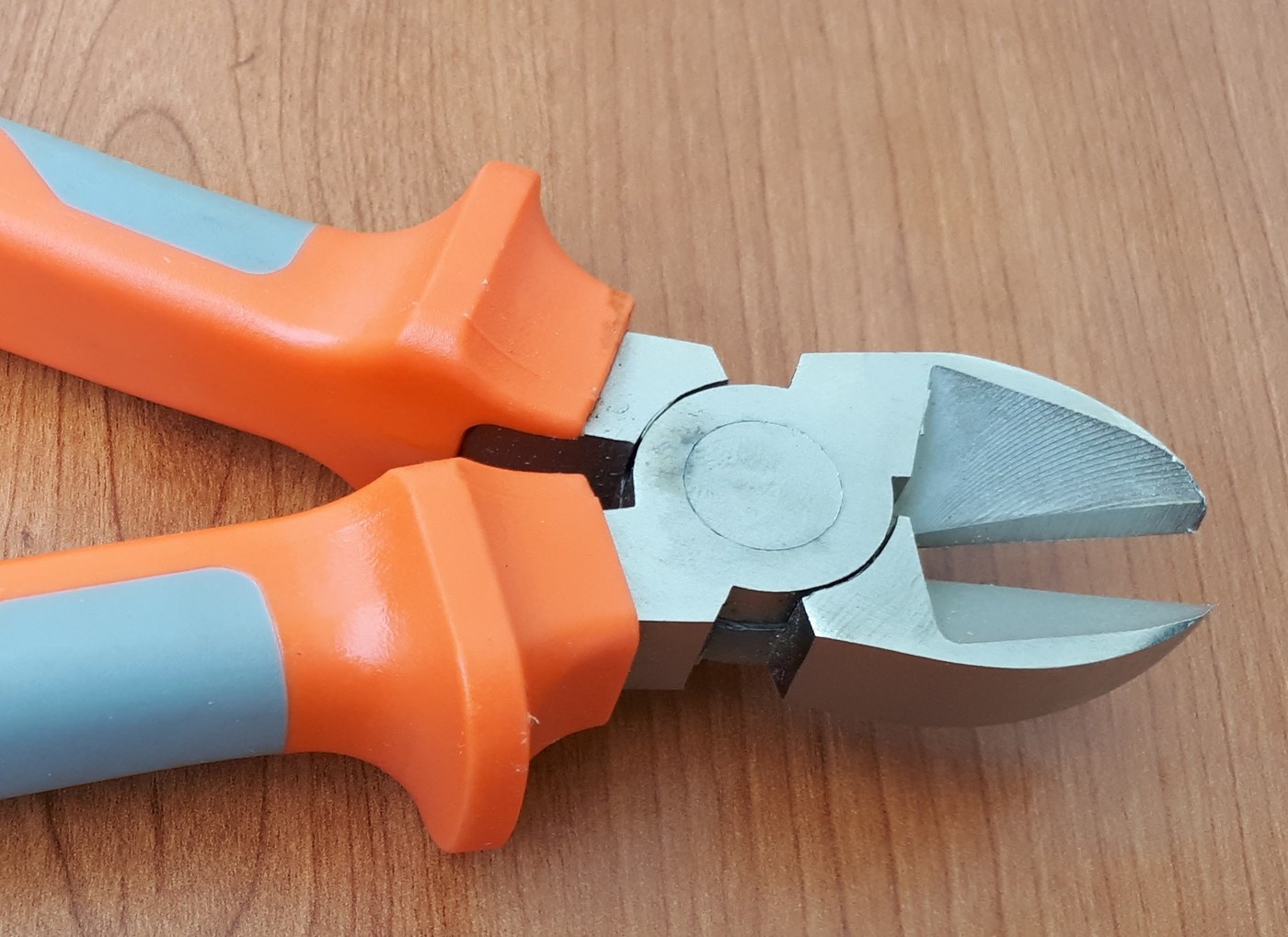


Wire Cutters: Diagonal Pliers Forged with Hardened V-Edged Jaws
Diagonal pliers cut wire by pressing two V-shaped edges into it until it splits, not by shearing like scissors. The edges sit at an angle to the joint rivet, which gives them their name, and the jaws must be hardened or steel wire dents them. Forge two halves from tool steel, rivet them, grind the edges and harden the jaws.
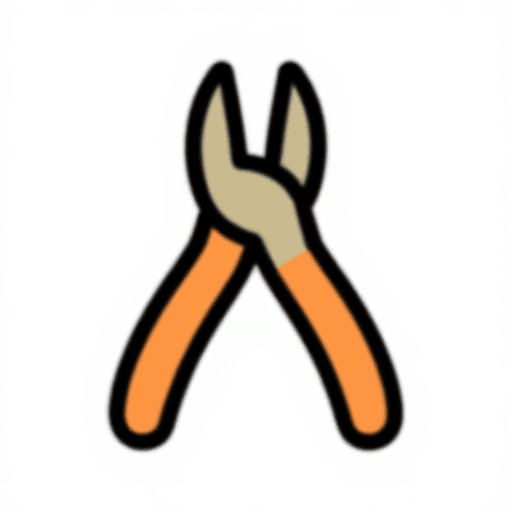
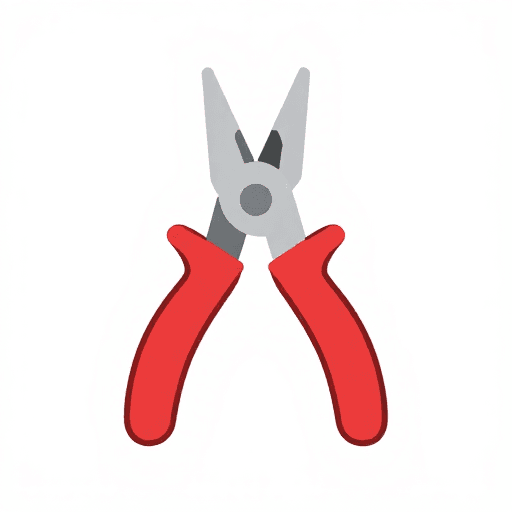
The picture: the jaws and joint of a modern pair; its handles are dipped in plastic, ours are bare steel.
Ilọsíwájú
Two days
Ìlànà
1
1
Forge the halves
Forge the halves
Forge two mirror halves from tool steel: a short, thick jaw set at an angle, a flat boss for the joint, and a handle (our sizes: jaw 18 mm, handle 120 mm from the joint).
Àwọn ohun èlò fún ìgbésẹ̀ yìí:
 Ọ̀pá onígun mẹ́jọ irin irinṣẹ́0.3 kg
 Èédú2 as required
Àwọn irinṣẹ́ tí a nílò:
 Ìléru alágbẹ̀dẹ
 Ìdí Alágbẹ̀dẹ
 Òòlù olórí ìtẹ̀ ìpakà
 Ẹmú alágbẹ̀dẹ
 Ìbọ̀wọ́ wẹ́lídìn
 Gíláàsì ààbò
2
2
Anneal and fit the joint
Anneal and fit the joint
Anneal both halves. File the bosses flat so they lap closely, drill them together and rivet them so the jaws close without play.
Àwọn ohun èlò fún ìgbésẹ̀ yìí:
 Ìṣó irin1 ẹyọ
Àwọn irinṣẹ́ tí a nílò:
Ìléru alágbẹ̀dẹ Ìfá Irin
 Ìlù ọwọ́
 Ìdìmú tábìlì iṣẹ́ tí ó wúwoÒòlù olórí ìtẹ̀ ìpakàÌdí Alágbẹ̀dẹ
3
3
Grind the edges
Grind the edges
Grind each jaw to a symmetrical V so the two edges meet along their whole length when closed. Check against the light.
Àwọn irinṣẹ́ tí a nílò:
 Òkúta ìpọ́n oníkẹ̀kẹ́Ìfá Irin
4
4
Harden the jaws
Harden the jaws
Heat the jaws only to cherry red and quench in water. Polish them bright, then warm the joint and let the colour run to the edges; quench at straw (our temper).
Àwọn ohun èlò fún ìgbésẹ̀ yìí:
 Omi10 lítà
Àwọn irinṣẹ́ tí a nílò:
Ìléru alágbẹ̀dẹ Àpótí ìtutùẸmú alágbẹ̀dẹÌbọ̀wọ́ wẹ́lídìnGíláàsì ààbò
5
5
Hone and test
Hone and test
Hone the edges lightly on the stone and try them on soft copper wire first. A dent in the edge means the jaw is too soft.
Àwọn irinṣẹ́ tí a nílò:
 Òkúta ìpọ́n grit 1000
6
6
Force at the edges
Force at the edges
Ń ṣí ìwé Jupyter…
Àwọn ohun-èlò
4- Àyè
- 2 as requiredÀyè
- 1 ẹyọÀyè
- 10 lítàÀyè
Ìtọ́nisọ́nà yìí ń ṣe
Blueprint tó jọra
Àwọn blueprint wọ̀nyí pín ìmọ̀ — ọ̀nà, ohun-èlò tàbí ìlànà
CC0 Àgbègbè Gbogbogbò
Blueprint yìí ti jáde lábẹ́ CC0. O lè ṣe àdàkọ, yí padà, pín, àti lò láìsí ìyọ̀ǹda.
Ṣàtìlẹ́yìn Olùṣẹ́dá nípa rírà àwọn ọjà nipasẹ̀ Blueprint wọn Ẹ̀san Olùṣẹ́dá tí àwọn Olùtajà gbé kalẹ̀, tàbí ṣẹ̀dá àtúnṣe tuntun ti Blueprint yìí kí o sì fi sínú Blueprint rẹ gẹ́gẹ́ bí ìsopọ̀ láti pín owó-wíwọlé.