Collaboration
ART
BEAUTY & WELLNESS
CRAFT
CULTURE & HISTORY
ENTERTAINMENT
ENVIRONMENT
FOOD & DRINKS
REVERSE ENGINEERING
SCIENCES
SPORTS
TECHNOLOGY
WEARABLES
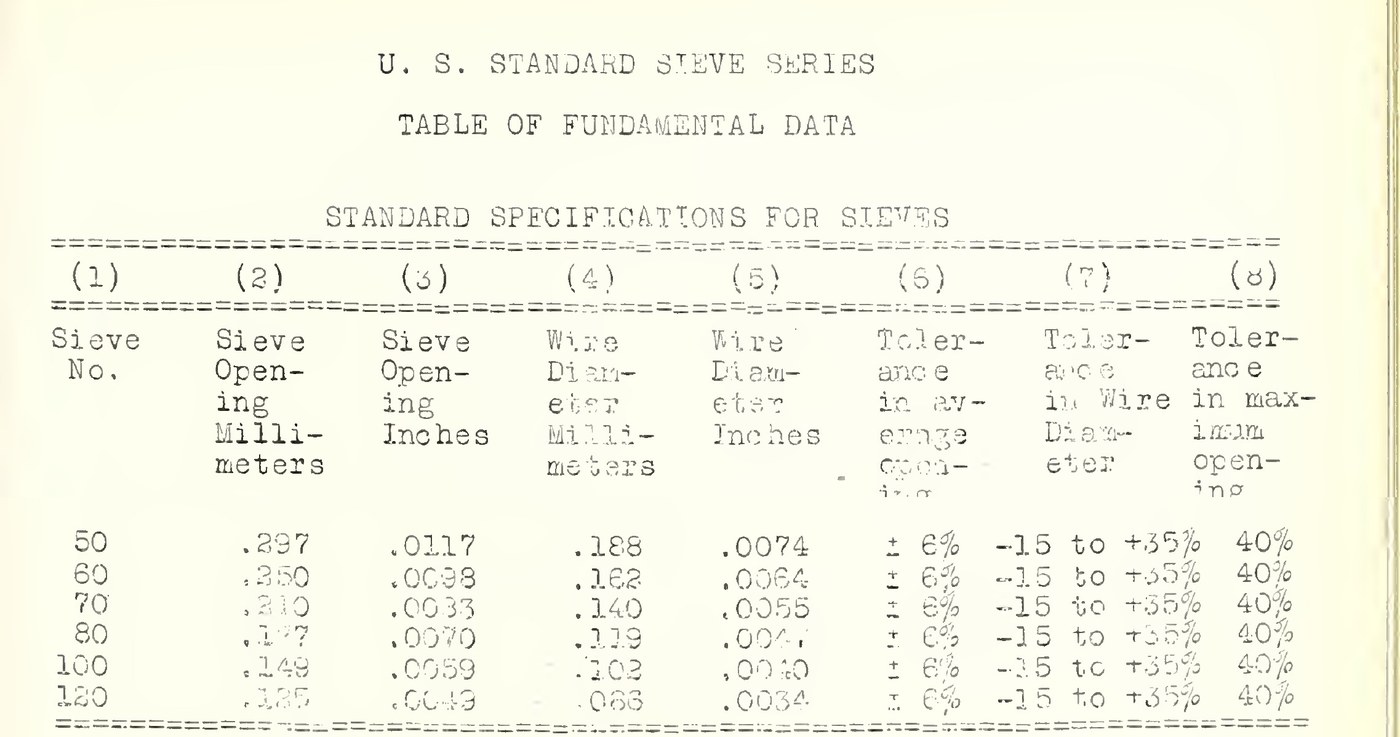


120-Mesh Sieve: U.S. Standard Sieve No. 120 (Bureau of Standards, 1924)
The standard testing sieve No. 120: plain-woven brass or bronze wire cloth with 0.125 mm (0.0049 in) openings and 0.086 mm (0.0034 in) wire, soldered smoothly into a round frame about 20 cm (8 in) across.
Result: a sieve that passes grains under 0.125 mm and holds back larger ones, made to the Bureau of Standards tolerances.
Source: Bureau of Standards, Letter Circular 74, Standard Specifications for Sieves (revised 1924). Unknown: the frame metal and the weaving. Picture: the Bureau's table.
Intermediate
Unknown
Instructions
1
1
Weave the wire cloth
Weave the wire cloth
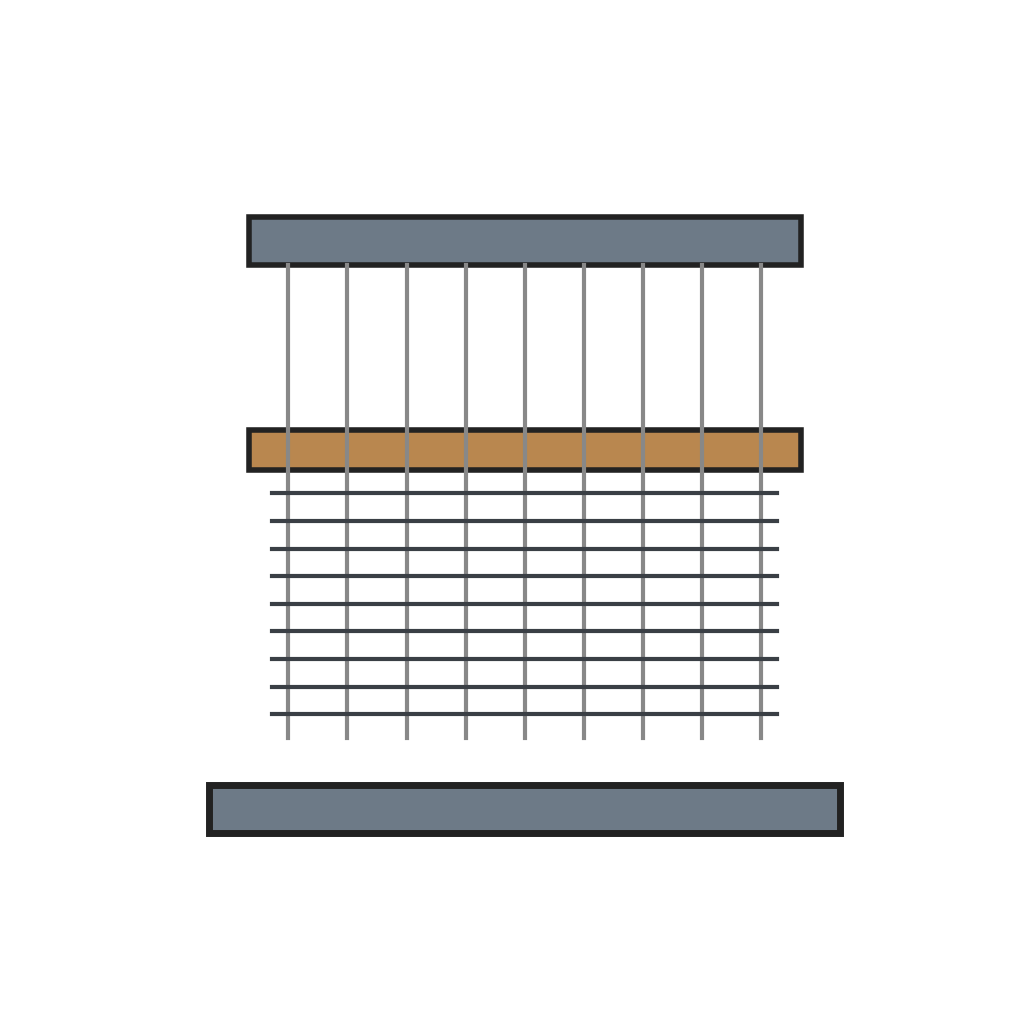
Weave plain (not twilled) cloth from brass, bronze or other suitable wire 0.086 mm (0.0034 in) thick, so the openings between adjacent wires are 0.125 mm (0.0049 in) each way, about 120 wires to the inch. Ours: bronze wire. Not given: how it is woven.
Materials for this step:
 Bronze Wire1 warp and shoot wires
Tools needed:
 Wire Cloth Loom
2
2
Make the frame
Make the frame
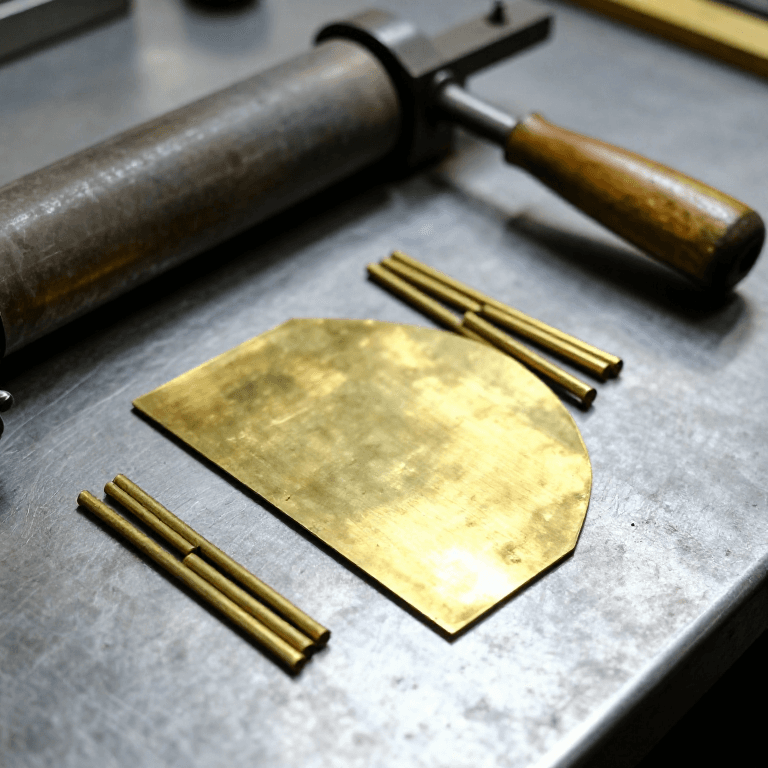
Make a circular frame about 20 cm (8 in) across, with about 5 cm (2 in), or 2.5 cm (1 in), between its top and the cloth. Ours: brass strip. Not given: the frame metal.
Materials for this step:
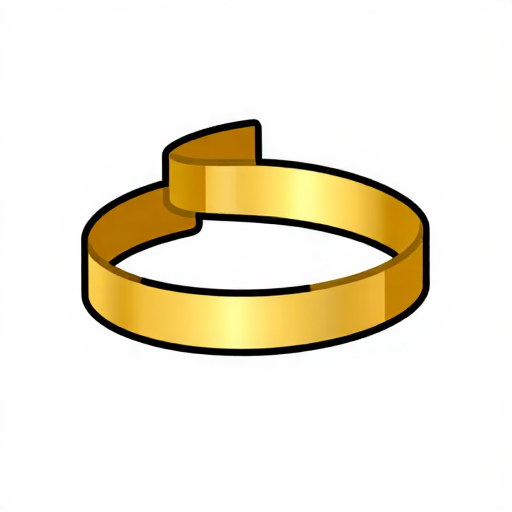 Brass Strip1 frame
Tools needed:
 Tin Snips
 Soldering Iron
3
3
Mount the cloth
Mount the cloth
Mount the cloth on the frame without distorting it. Fill the joint between cloth and frame smoothly with solder, so the material being sieved cannot catch in it.
Materials for this step:
 Tin-Lead Solder1 joint
 Flux1 joint
Tools needed:
Soldering Iron4
4
Check it against the tolerances
Check it against the tolerances
Measure the warp and shoot wires separately. Their average opening must be 0.125 mm within ±6 %, their average diameter 0.086 mm within −15 to +35 %, and no opening may exceed 0.125 mm by more than 40 %. Reject a sieve with punctures, loose or wavy cloth, poor soldering, or too many large openings.
Tools needed:
 Micrometer
 Magnifying Glass
Materials
4- 1 warp and shoot wiresPlaceholder
- 1 framePlaceholder
- 1 jointPlaceholder
- 1 jointPlaceholder
Tools Required
5- Placeholder
- Placeholder
- Soldering Iron3% commissionMagento Legacy StoreLOCALPlaceholder
- Placeholder
- Placeholder
Connected Blueprint Materials



This blueprint makes

CC0 Public Domain
This blueprint is released under CC0. You are free to copy, modify, distribute, and use this work for any purpose, without asking permission.
Support the Maker by purchasing products through their Blueprint where they earn a Maker Commission set by Vendors, or create a new iteration of this Blueprint and include it as a connection in your own Blueprint to share revenue.