
Colored Cotton from Paraíba — Dye-Free Color
Instructions
Choose the EMBRAPA cultivar
Choose the EMBRAPA cultivar
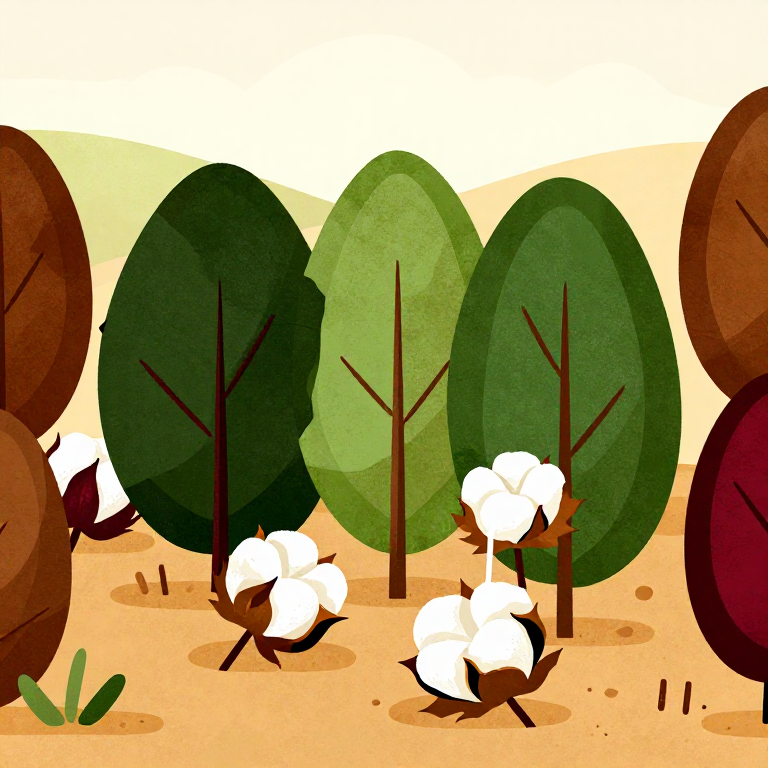
Select the colored cotton cultivar according to the desired color: BRS Ruby (dark reddish-brown, the most cultivated), BRS Topaz (light brown), BRS Sapphire (reddish-brown), BRS Green (green — caffeic acid color) or BRS Jade (light brown, high productivity). All are NON-OGM, developed by conventional breeding.
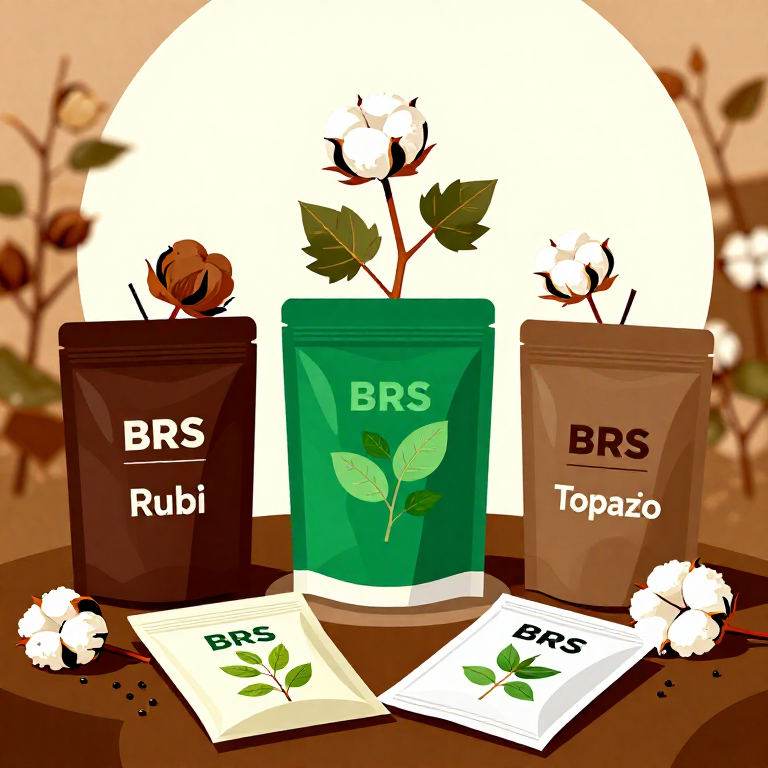
Materials for this step:
 Algodão Naturalmente Colorido1 kg
Prepare the soil
Prepare the soil
The colored cotton EMBRAPA was developed for the northeastern semi-arid region. Sandy to clayey soil, well drained, pH 6.0-7.0. Hot climate with a defined dry season. Organic cultivation — without pesticides or herbicides.
Plant
Plant
Sow at the beginning of the rainy season. Spacing: 0.80-1.0m between rows, 0.20-0.25m between plants. Depth: 3-5cm. Annual varieties (except BRS 200 Brown, which is semi-perennial with a 3-year cycle).
Isolate from white cotton
Isolate from white cotton
CRUCIAL: maintain a minimum distance of 250m from any conventional white cotton cultivation. Cross-pollination destroys the genetic purity of the colors. Each colored cultivar should also be isolated from the others.
Cultivate organically
Cultivate organically
Organic management without pesticides. Paraíba's colored cotton has organic certification. Biological pest control. Supplementary irrigation if necessary in the semi-arid region.
Harvest manually
Harvest manually
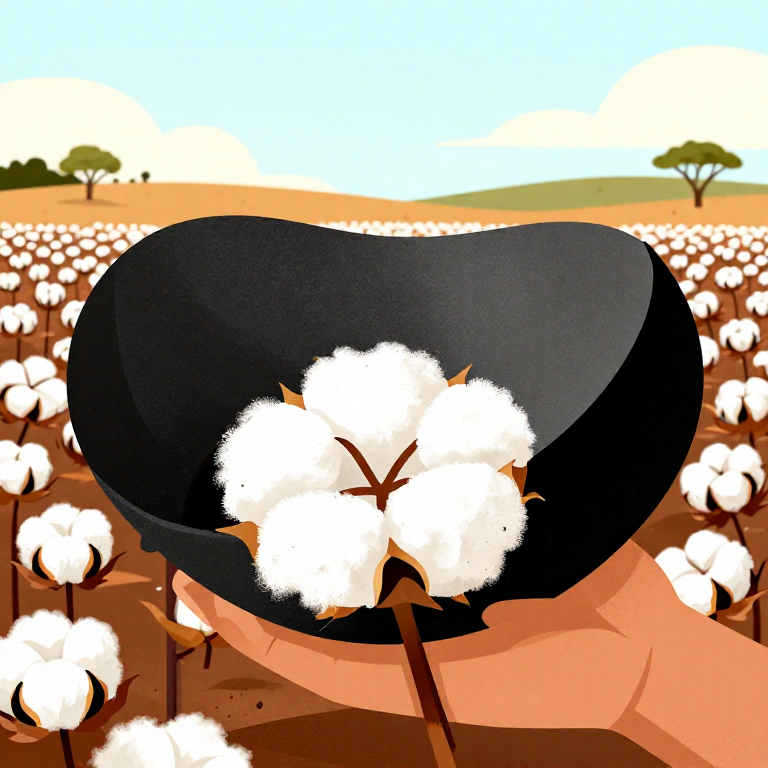
Harvest the cotton bolls when they open completely, revealing the lint. The fiber initially comes out white — the genetic color manifests within approximately 1 week after harvest.
Observe color development
Observe color development
Brown and ruby colors: from tannin vacuoles inside the fiber lumen. Green color: from caffeic acid in the suberin layers (wax). Green color is less stable to sunlight than brown colors.
Gin
Gin
Separate the fiber from the seeds with a manual or mechanical gin. The seeds can be saved for the next planting (they are not hybrids — seeds reproduce true to color).
Card the fiber
Card the fiber
Card the fiber with hand cards to align the fibers and remove impurities. Colored cotton has shorter fibers than commercial white cotton — careful carding improves reliability.
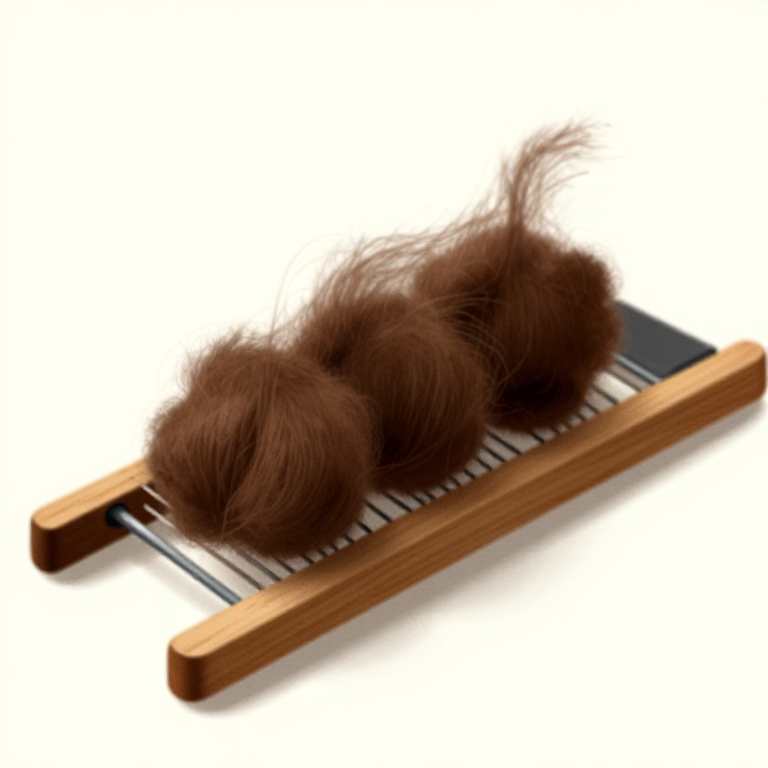
Tools needed:
 Hand Carders (Pair)
Spin manually
Spin manually
Spin the carded fiber on a hand spindle or spinning wheel. The shorter fiber requires more careful drafting and more twist. It can be blended with white cotton to increase length and strength.
Tools needed:
 Drop Spindle
Test washing
Test washing
Unlike chemically dyed fabrics, naturally colored cotton INTENSIFICA its color with each wash. Wash a sample to see the effect — researchers at Texas Tech University confirmed this phenomenon.
Weave or knit
Weave or knit
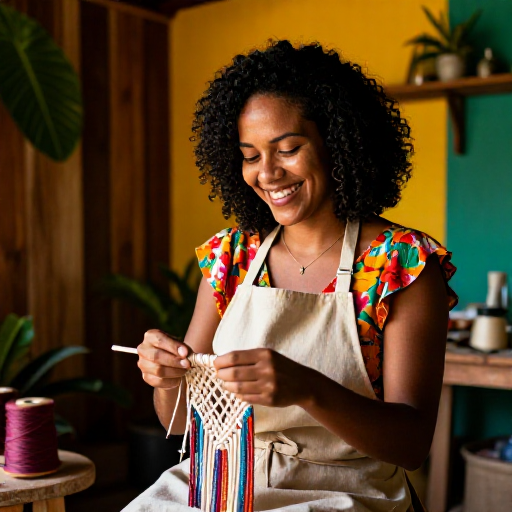
Use the yarn on a hand loom or knitting work. Paraíba's colored cotton has been used in jeans, clothing, accessories and has already been presented at fashion events in Milan.
Environmental impact
Environmental impact
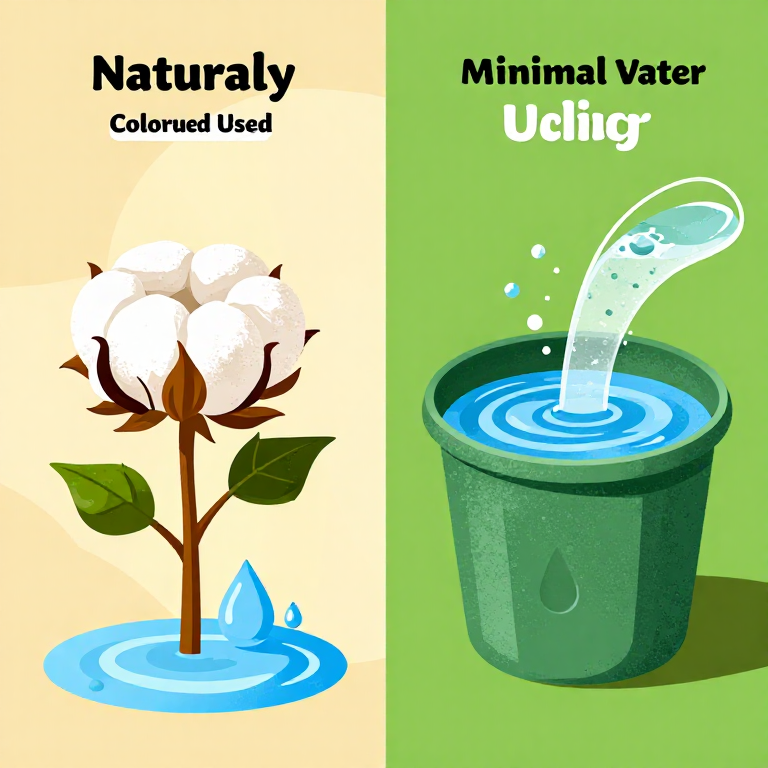
This production saves 87.5% of the water consumed in conventional textile processing — without bleaching, without dyeing, without chemical treatment. Quilombola communities and rural settlements in Paraíba produce the cotton with organic certification.
Natural UV protection
Natural UV protection
Research demonstrates that colored cotton, especially green, offers UV protection rated as 'good' to 'very good' (ASTM 6603), maintained even after 80 cycles of light exposure and multiple washes.
Materials
1- Placeholder
Tools Required
2- Placeholder
- Placeholder
CC0 Public Domain
This blueprint is released under CC0. You are free to copy, modify, distribute, and use this work for any purpose, without asking permission.
Support the Maker by purchasing products through their Blueprint where they earn a Maker Commission set by Vendors, or create a new iteration of this Blueprint and include it as a connection in your own Blueprint to share revenue.