Collaboration
ART
BEAUTY & WELLNESS
CRAFT
CULTURE & HISTORY
ENTERTAINMENT
ENVIRONMENT
FOOD & DRINKS
REVERSE ENGINEERING
SCIENCES
SPORTS
TECHNOLOGY
WEARABLES
English

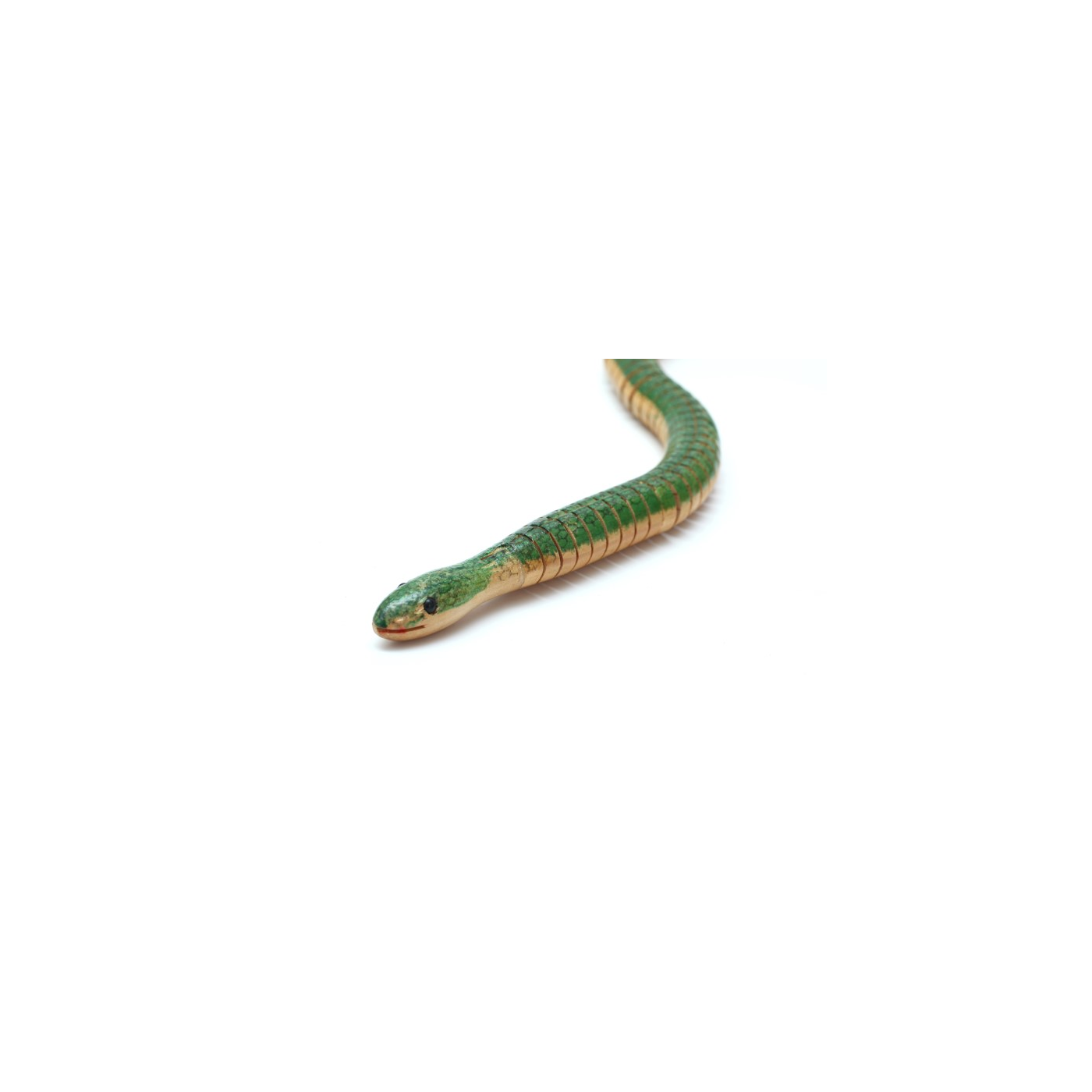
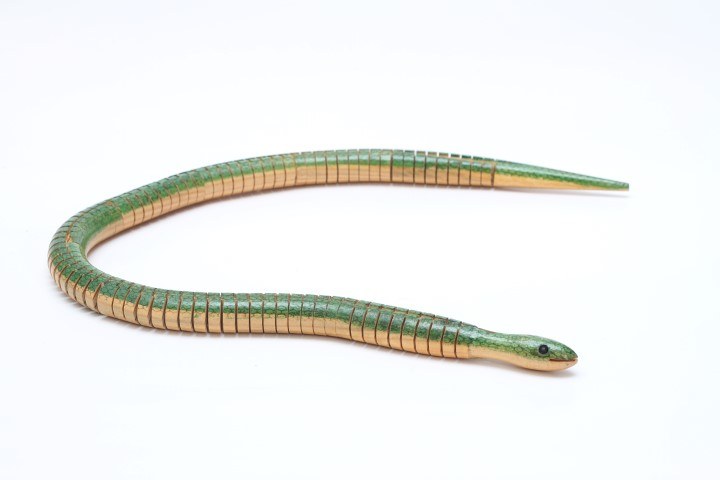
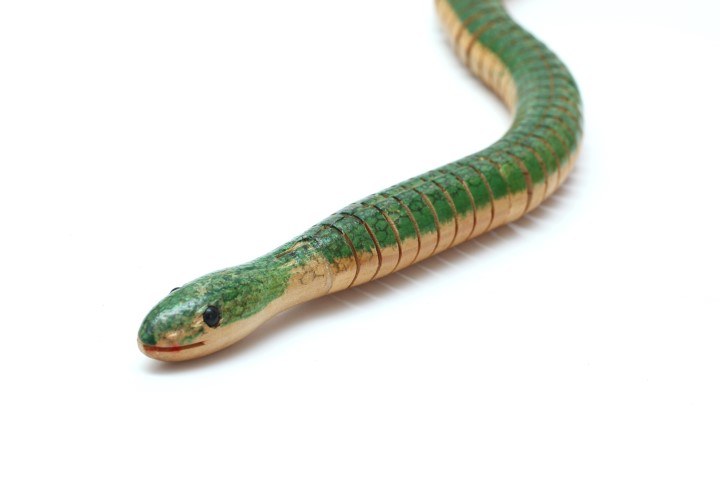
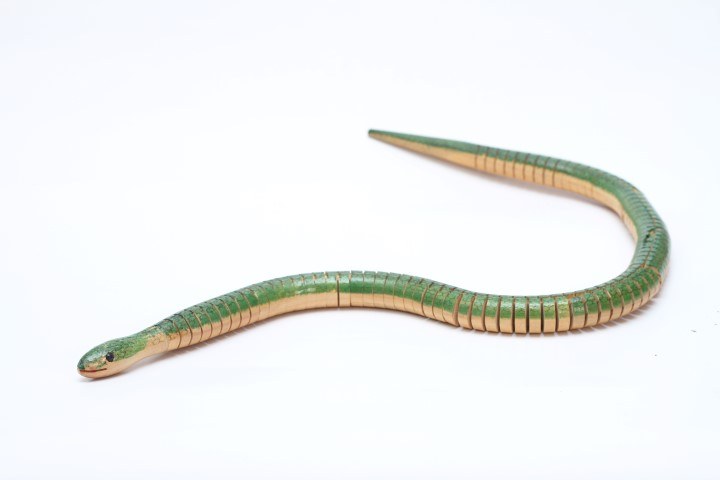
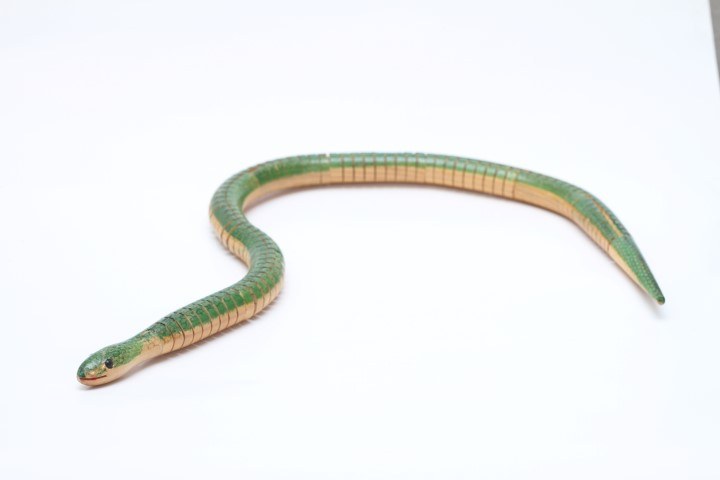
Ma-Rum Wood Snake — Slender ma-rum wood sticks split in half, sandwiched with raw cloth as the core, a head carved from sum-sum wood, covered with kite paper painted with patterns, segmented into sections. Hold the tail and sway to make it slither.
The Ma-Rum wood snake is a wooden animal toy made from ma-rum wood, often crafted into animals that were common in the past, such as snakes, squirrels, and crocodiles, helping children learn about nature. The snake's body is segmented into sections; hold the tail and sway it to make it slither like a real snake.
This blueprint makes a real Ma-Rum wood snake following the steps in the source.
Intermediate
About 1 day, including glue drying time
Instructions
1
1
Ingredients
Ingredients
Loading Jupyter Notebook...
2
2
Earlier animal toys
Earlier animal toys
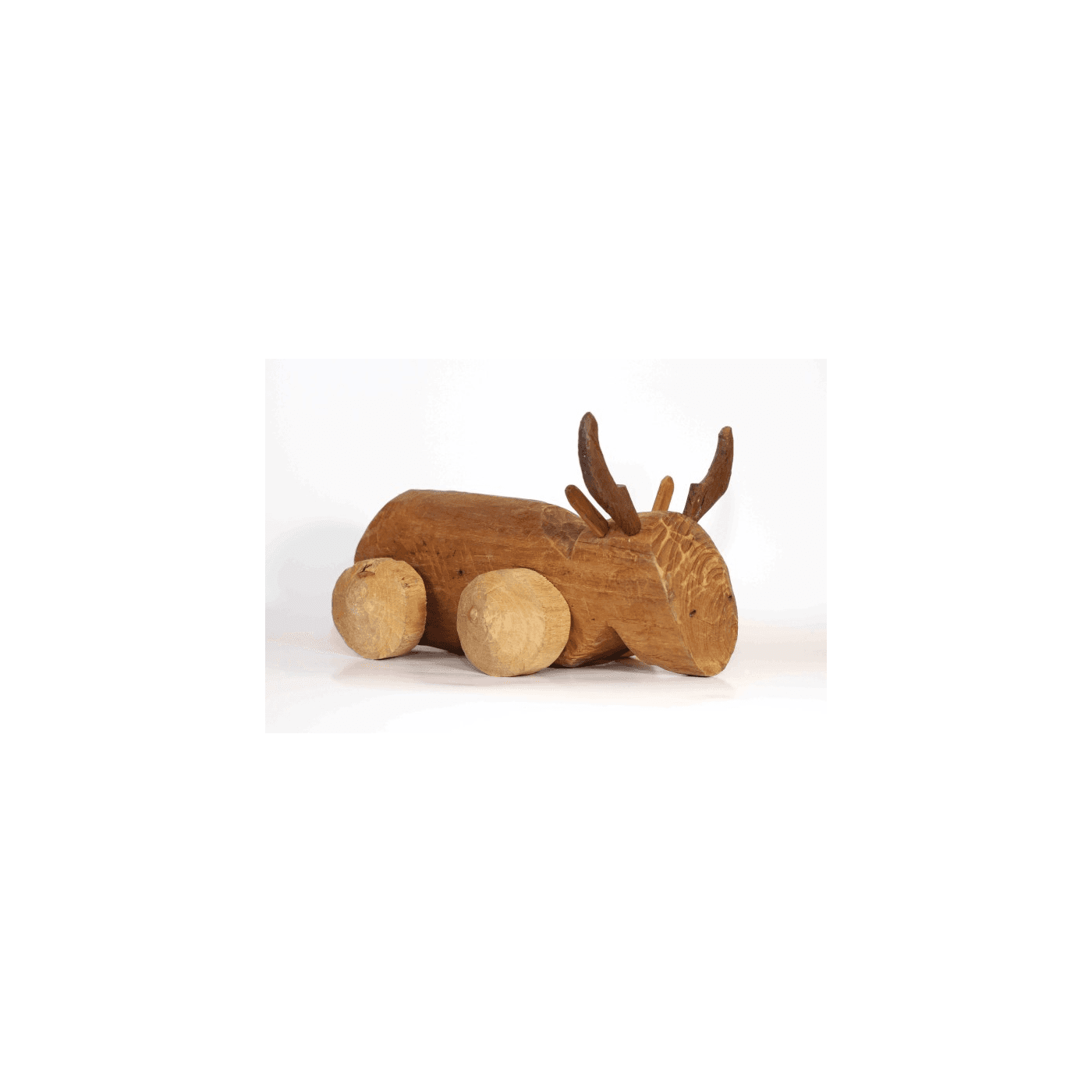
Animal toys on wheels; the wooden snake slithers because its body is segmented on a cloth core.
3
3
Read from source
Read from source
"Use a knife to score the snake into segments so that it moves like a snake slithering." (Sirindhorn Anthropology Center, author not specified, CC BY 4.0)
4
4
Snake body and fabric core
Snake body and fabric core
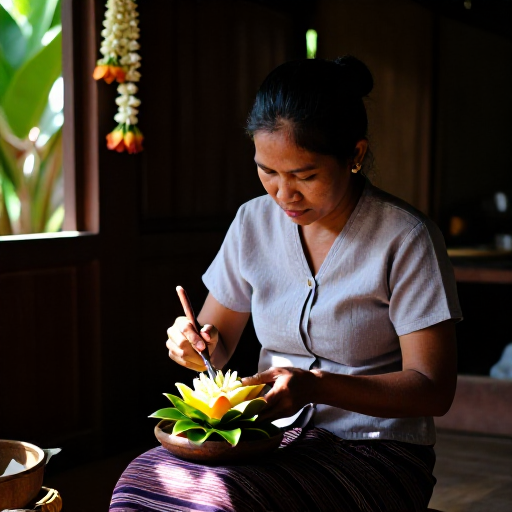
Cut lengths of rattan (ระกำ) to the desired length and whittle them into a snake shape, tapering to a thin tail. Split each piece into 2 halves of equal thickness along the entire length. Cut raw cloth as tall as the body and as long as the snake. Apply glue to both sides, sandwich the two rattan halves onto both sides of the cloth, leaving the top edge of the cloth slightly extending beyond the wood along its entire length. Let it dry. The raw cloth forms the core of the body.
Materials for this step:
 Fabric1 piece
 Glue1 piece
Tools needed:
 Knife
 Scissors
5
5
Snake head
Snake head
Carve a crate wood or rain tree wood into a snake head shape lifted from the ground, sized to fit the body, and glue it onto the snake's body.
Tools needed:
 Hand Saw
6
6
Skin and segments
Skin and segments
Wrap the head and body with kite paper coated in glue so it fits snugly, let it dry, paint snake patterns with color, then use a knife to score the snake's body into segments.
Materials for this step:
 Paper1 piece
7
7
Real image
Real image
Real image of a bamboo pit viper (Sirindhorn Anthropology Centre, author not specified, CC BY 4.0)
8
8
How to play
How to play
Hold the tail of the snake and sway it left and right alternately; the snake's body will wriggle like a real snake. Older children who understand snakes well use it for playful teasing. Young children should not be allowed to play with it, because when they encounter a real snake they might try to pick it up and play with it. It can also be hung from tree branches to scare birds away so they don't peck at fruit, or hung under eaves to keep sparrows from building nests.
9
9
Troubleshooting
Troubleshooting
Salak snake troubleshooting
Flow
Loading...
10
10
History and Limitations
History and Limitations
Wooden toys made from ramkham wood were common in the past, depicting animals such as snakes, squirrels, and crocodiles. Young children should not play with them, as they might mistake them for real snakes. Be careful with knives and saws.
Source: Sirindhorn Anthropology Centre, Local Tools and Utensils Database, "Ngu Mai Ramkham" (author not specified) (license CC BY 4.0)
**Limitations** The source does not provide the length of the snake or the spacing of the segments (băng). There is no product listing for ramkham wood, chamcha wood, or common paints.
This blueprint makes
Related Blueprints
These blueprints share knowledge with this one — techniques, materials, or principles that connect them in the learning graph.
CC0 Public Domain
This blueprint is released under CC0. You are free to copy, modify, distribute, and use this work for any purpose, without asking permission.
Support the Maker by purchasing products through their Blueprint where they earn a Maker Commission set by Vendors, or create a new iteration of this Blueprint and include it as a connection in your own Blueprint to share revenue.