ART
BEAUTY & WELLNESS
CRAFT
CULTURE & HISTORY
ENTERTAINMENT
ENVIRONMENT
FOOD & DRINKS
REVERSE ENGINEERING
SCIENCES
SPORTS
TECHNOLOGY
WEARABLES
English

Cashmere Fiber Combing — Preparing Mongolian Goat Cashmere
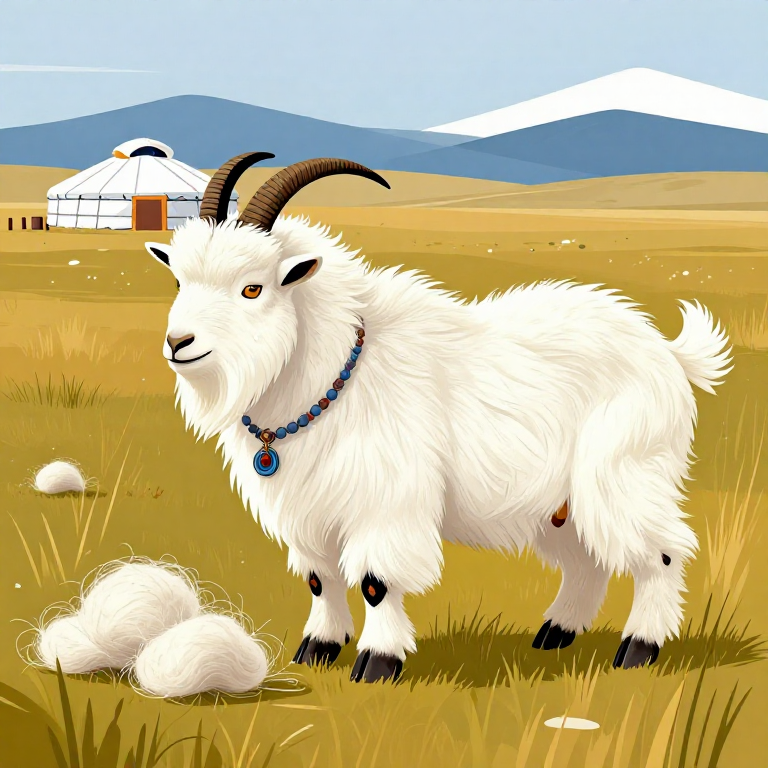
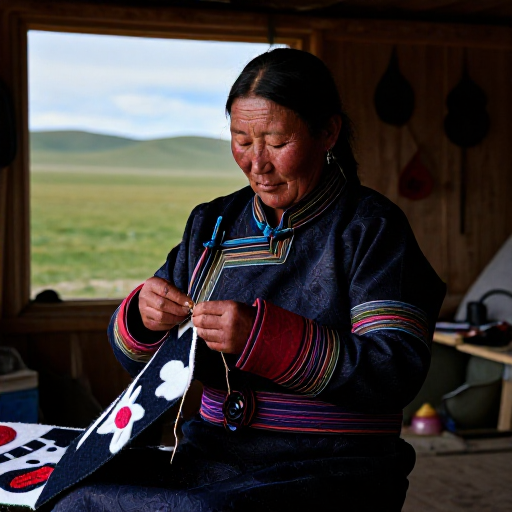
Guide to fully combing and preparing cashmere undercoat from Mongolian goats during spring. Mongolia is the world's second-largest cashmere producer. Covers timing the spring molt, combing technique, sorting by color and fineness, washing, and preparing for textile processing.
Intermediate
2-3 hours per goat
Instructions
1
1
Understanding Cashmere Wool
Understanding Cashmere Wool
Cashmere is the undercoat fiber of goats. Mongolian goats (Capra hircus) grow fine undercoat fiber to survive cold winters. This fiber has a diameter of 14-19 microns, which is finer than sheep wool (20-40 microns). One goat yields an average of 200-500 grams of cashmere fiber per year.
2
2
Determine the Combing Time
Determine the Combing Time
In spring during April-May, when the air temperature consistently rises above 10 degrees Celsius, goats begin to shed their undercoat. You can tell shedding has started when fiber begins to protrude from the sides and haunches of the goat. Combing too early leaves the goat without sufficient cold protection.
3
3
Prepare the Combing Tools
Prepare the Combing Tools
Prepare a steel comb (toothed comb). The traditional Mongolian comb has a wooden handle and steel teeth. The spacing between teeth is 2-3 mm. A comb with teeth that are too fine will break the fiber. Also prepare a collection bag (cloth bag).
Tools needed:
 Steel Comb (2-3mm teeth spacing)
Collection Bag (cloth)
4
4
Prepare the Goat
Prepare the Goat
Keep the goat calm. Seat it on its haunches and gently tie its legs, or have an assistant hold it. A stressed goat produces lower quality fiber. Before combing, manually pick out any plants, dirt, and debris stuck in the goat's coat.
5
5
Begin Combing from the Sides
Begin Combing from the Sides
Start combing from the sides of the goat. Gently stroke the comb down to the skin to separate the undercoat. Leave the coarse outer guard hair and collect only the fine inner undercoat. Comb in one direction — do not move back and forth.
Tools needed:
Steel Comb (2-3mm teeth spacing)6
6
Comb the Haunches, Chest, and Back
Comb the Haunches, Chest, and Back
After finishing the sides, move to the haunches, chest, and back. The haunch fiber is the finest and highest quality. Avoid the belly area — the wool there is short and dirty. Combing one goat completely takes 1.5-2.5 hours.
7
7
Separate the Coarse Guard Hair
Separate the Coarse Guard Hair
The combed fiber contains a mix of fine undercoat and coarse outer guard hair. Manually separate the guard hair (40-100 microns) by hand. This directly affects the quality of the cashmere — too much guard hair mixed in lowers the grade.
8
8
Sort by Color
Sort by Color
Sort the Mongolian goat cashmere by color: white (most valuable), grey, brown, black. White cashmere is in highest demand because it is easiest to dye. Collect each color separately. Mixed-color cashmere is considered lower quality.
Tools needed:
 Sorting Bags (by color)
9
9
Remove Dirt and Plant Matter
Remove Dirt and Plant Matter
Shake the sorted cashmere to remove dirt, sand, and other debris. Pick out stuck plant seeds one by one by hand. Since Mongolian goats graze on native pastures, the cashmere typically contains a lot of grass and plant fragments.
10
10
Wash the Cashmere
Wash the Cashmere
Add mild detergent to warm water at 35-40 degrees Celsius and gently soak the cashmere. Let it sit for 15-20 minutes. Do not wring or stretch — the fiber is delicate. Change the water 2-3 times until the rinse water runs clear. Do not use cold water — the cashmere will felt.
Materials for this step:
 Mild Detergent50 milliliter
Warm Water (35-40C)10 liters
Tools needed:
 Large Washing Basin
11
11
Dry the Cashmere
Dry the Cashmere
Gently squeeze the washed cashmere to remove excess water. Spread it on a drying rack and dry in the shade. Do not dry in direct sunlight — the color will fade. Drying takes 1-2 days. Properly dried cashmere feels soft and lightweight.
Tools needed:
 Drying Rack
12
12
Weigh and Record
Weigh and Record
Weigh the dried cashmere. One goat yields 200-500 grams of cashmere. White goats tend to yield more. Record the weight, color, goat identification, and date. Mongolian cashmere is valued at 40-100 US dollars per kilogram on the world market.
Tools needed:
 Kitchen Scale
13
13
Proper Storage
Proper Storage
Place the clean, dry cashmere in cloth bags. Do not use airtight plastic bags — cashmere needs to breathe. To protect against moths, you can add lavender flowers or birch bark. Store in a cool, dry, dark place. Properly stored cashmere retains its quality for many years.
Materials for this step:
 Cloth Storage Bag2 pieces
Materials
3- 50 milliliterPlaceholder
- 2 piecesPlaceholder
Tools Required
6- Placeholder
- Placeholder
- Placeholder
- Placeholder
- Placeholder
CC0 Public Domain
This blueprint is released under CC0. You are free to copy, modify, distribute, and use this work for any purpose, without asking permission.
Support the Maker by purchasing products through their Blueprint where they earn a Maker Commission set by Vendors, or create a new iteration of this Blueprint and include it as a connection in your own Blueprint to share revenue.