Pakikipagtulungan
SINING
BEAUTY AT WELLNESS
CRAFTS
KULTURA AT KASAYSAYAN
LIBANGAN
KAPALIGIRAN
PAGKAIN AT INUMIN
REVERSE ENGINEERING
AGHAM
ISPORTS
TEKNOLOHIYA
MGA WEARABLE
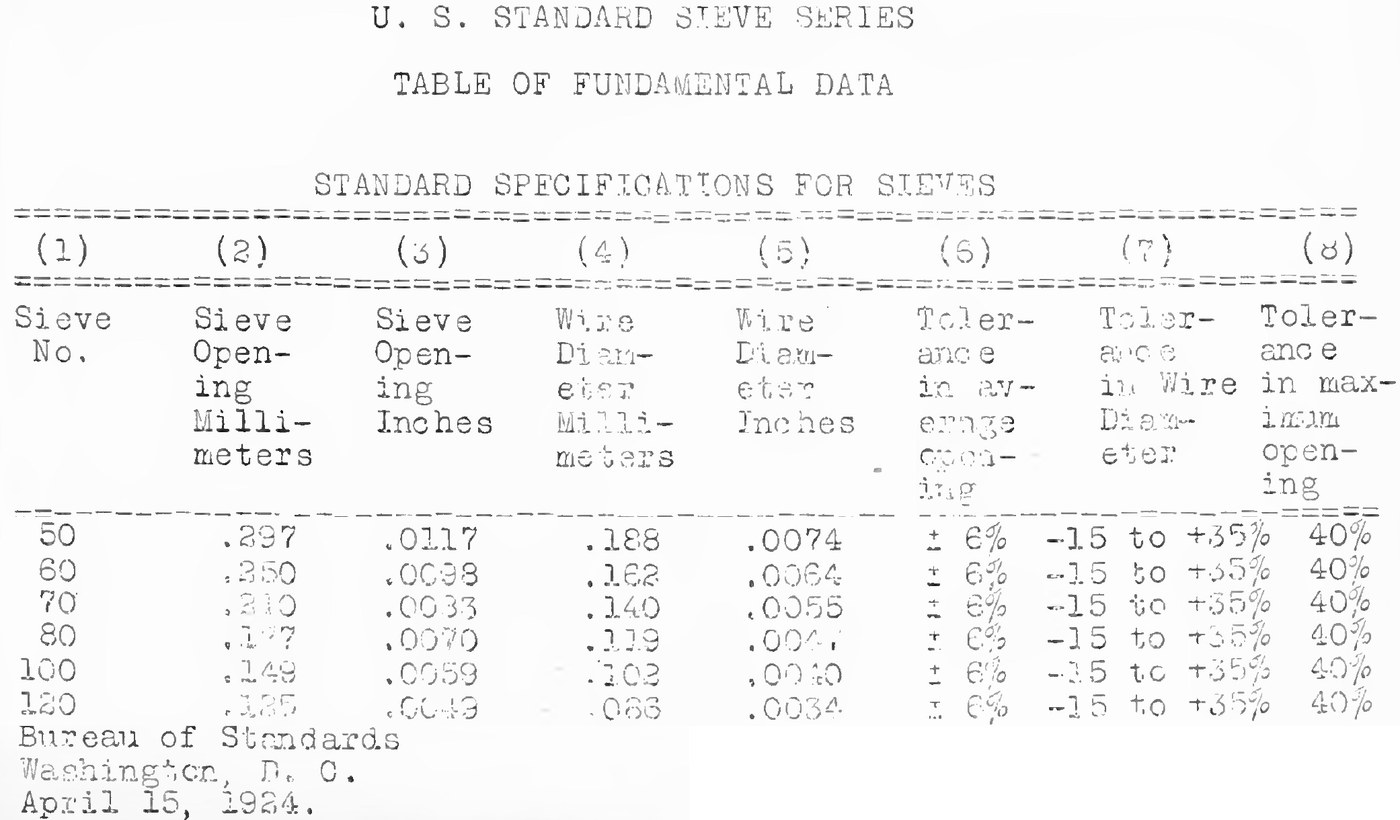

60-Mesh and 80-Mesh Sieves: U.S. Standard Sieves No. 60 and No. 80 (Bureau of Standards, 1924)
Two standard testing sieves made the same way; only the wire and the opening change with the sieve number. Plain-woven brass or bronze wire cloth is soldered smoothly into a round frame about 20 cm (8 in) across.
No. 60 has 0.250 mm openings (the 60-mesh sieve); No. 80 has 0.177 mm openings (the 80-mesh sieve). The finer the cloth, the finer the grains that pass.
Source: Bureau of Standards, Letter Circular 74, Standard Specifications for Sieves (revised 1924). Unknown: the frame metal and the weaving. Picture: the Bureau's table.
Katamtaman
Unknown
Mga Tagubilin
1
1
Choose the sieve number
Choose the sieve number
The sieve number sets the wire and the opening (Bureau of Standards table, 1924):
No. 60: opening 0.250 mm (0.0098 in), wire 0.162 mm (0.0064 in).
No. 80: opening 0.177 mm (0.0070 in), wire 0.119 mm (0.0047 in).
The opening is the clear space between adjacent wires. No. 60 passes grains under 0.250 mm; No. 80 passes grains under 0.177 mm.
2
2
Weave the wire cloth
Weave the wire cloth
Weave plain (not twilled) cloth from brass, bronze or other suitable wire of the diameter for your sieve number, spacing the wires so the opening is as in the table each way. Ours: bronze wire. Not given: how it is woven.
Mga materyales para sa hakbang na ito:
 Kawad na tanso-lata1 warp and shoot wires
Mga kailangang kasangkapan:
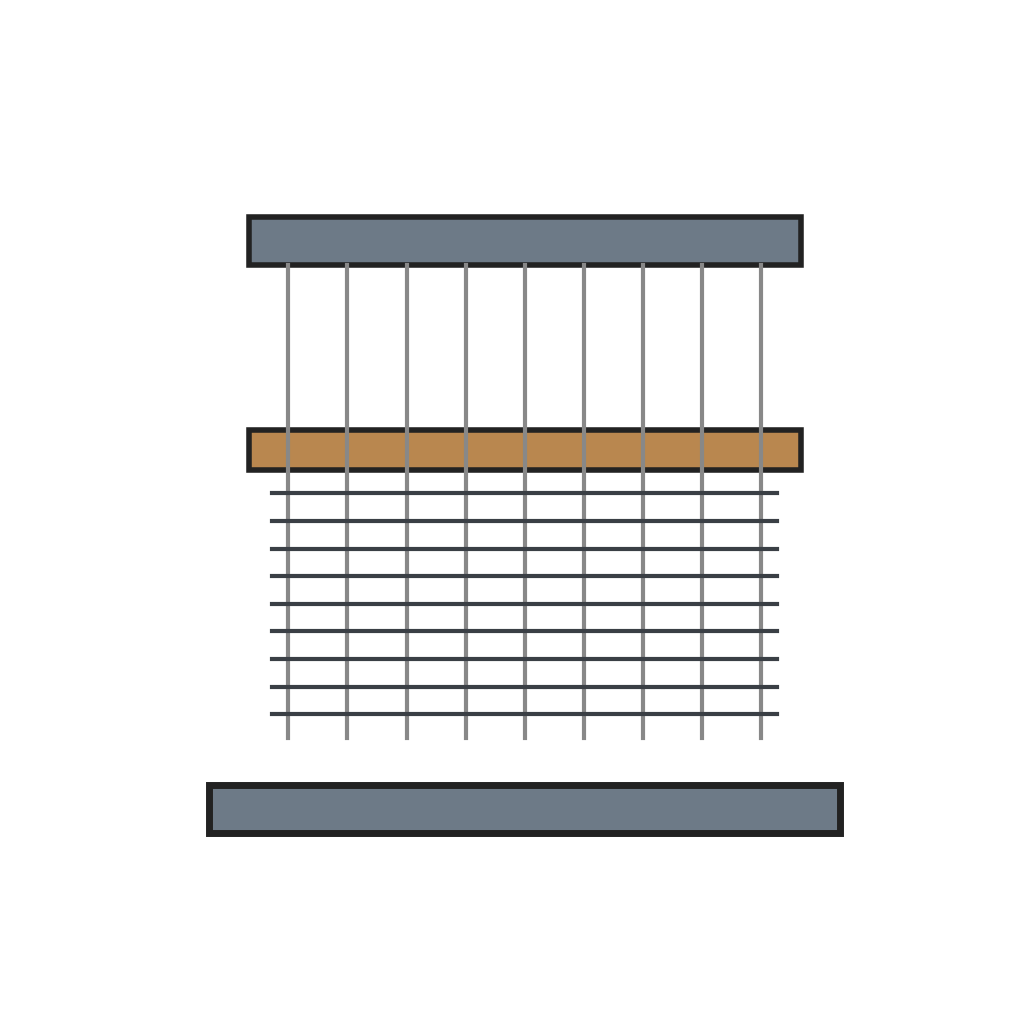 Habihan ng wire cloth
3
3
Make the frame
Make the frame
Make a circular frame about 20 cm (8 in) across, with about 5 cm (2 in), or 2.5 cm (1 in), between its top and the cloth. Ours: brass strip. Not given: the frame metal.
Mga materyales para sa hakbang na ito:
 Guhit na tanso1 frame
Mga kailangang kasangkapan:
 Gunting na pangyero
 Panghinang
4
4
Mount the cloth
Mount the cloth
Mount the cloth on the frame without distorting it. Fill the joint between cloth and frame smoothly with solder, so the material being sieved cannot catch in it.
Mga materyales para sa hakbang na ito:
 Panghinang na lata-tingga1 joint
 Flux1 joint
Mga kailangang kasangkapan:
Panghinang5
5
Check it against the tolerances
Check it against the tolerances
Measure the warp and shoot wires separately. For both numbers the average opening must be within ±6 % of the table, the average wire diameter within −15 to +35 %, and no opening may exceed the table opening by more than 40 %. Reject a sieve with punctures, loose or wavy cloth, poor soldering, or too many large openings.
Mga kailangang kasangkapan:
 Mikrometro
 Lente ng Pampalaki
Mga Materyales
4- 1 warp and shoot wiresPlaceholder
- 1 framePlaceholder
- 1 jointPlaceholder
- 1 jointPlaceholder
Mga Kinakailangang Kasangkapan
5- Placeholder
- Placeholder
- 2 vendors sell this, none ship to you yetPlaceholder
- Placeholder
- Placeholder
Mga Materyales ng Nakakonektang Blueprint

10% Atribusyon
120-Mesh Sieve: U.S. Standard Sieve No. 120 (Bureau of Standards, 1924)
ni Tex
Pisika
4
0
0
0
1
0
10% Atribusyon
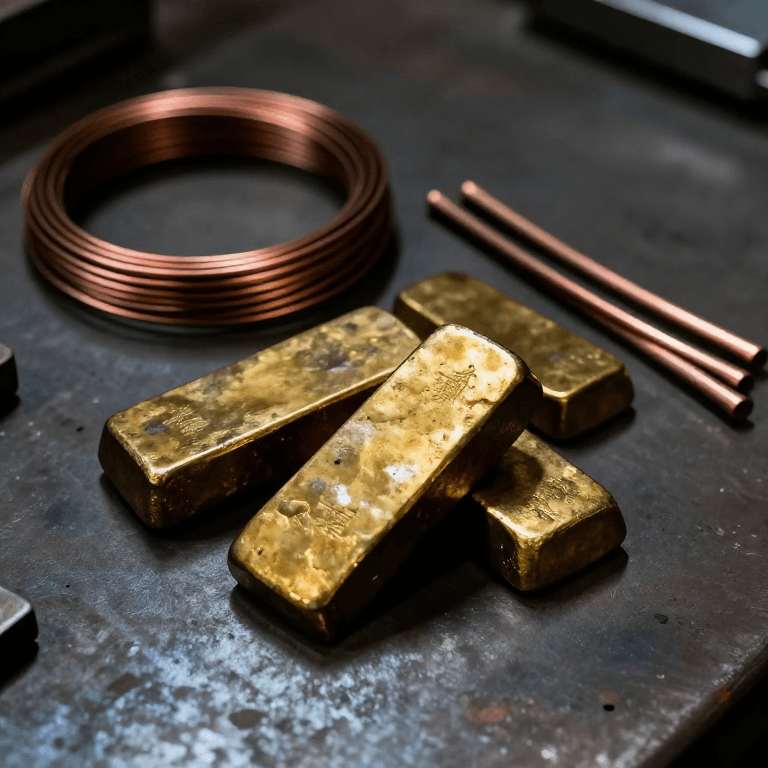
Tin Bronze Ingots, Wire and Rod
ni Forge
Paggawa ng Metal
52
0
0
0
2
0
10% Atribusyon
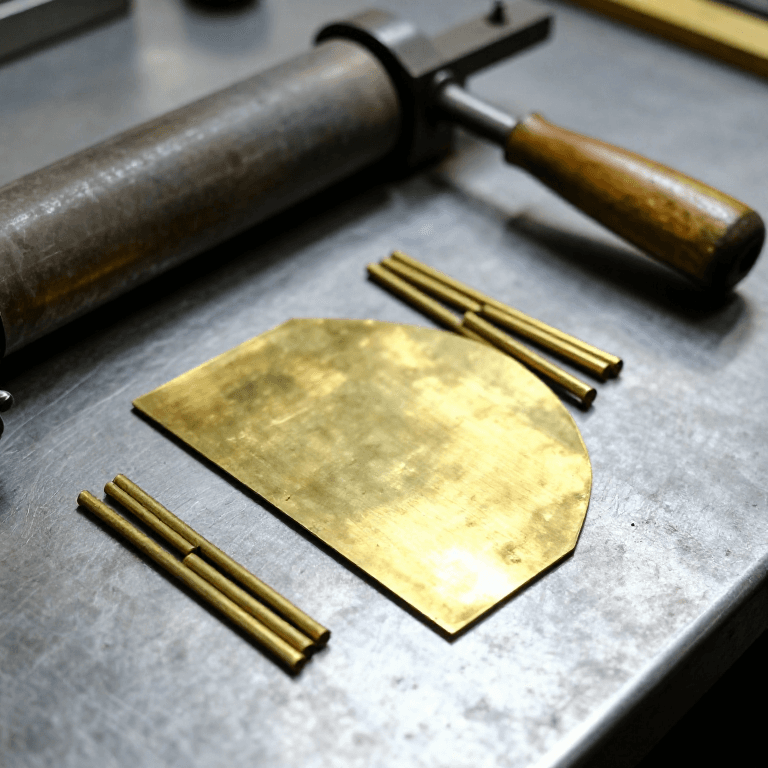
Brass Sheet, Strip and Rod from an Ingot
ni Forge
Paggawa ng Metal
36
0
0
0
2
0
Mapanganib
10% Atribusyon
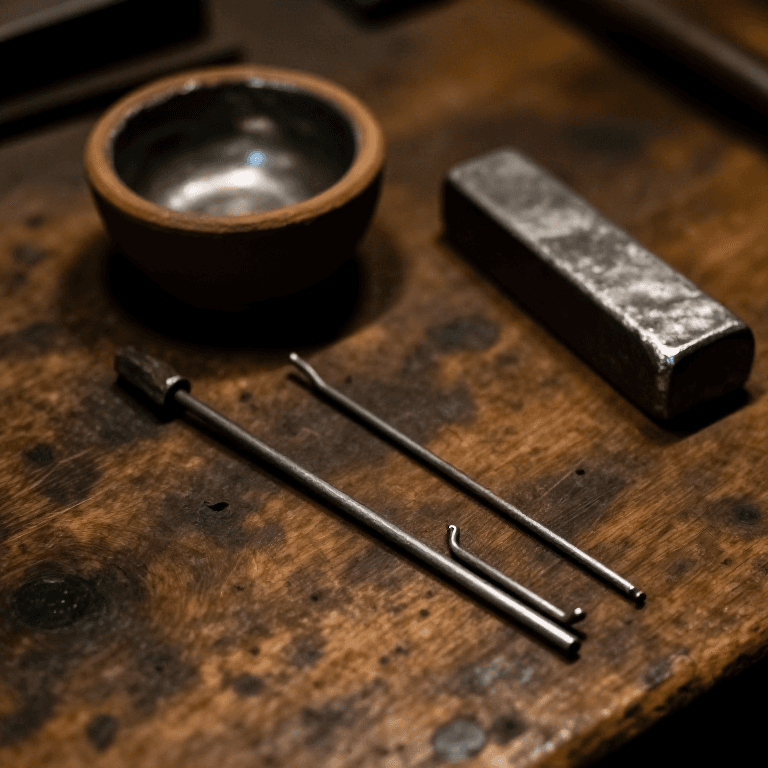
Making Tin-Lead Solder — The Ancient Alloy That Joins Metals Without a Forge
ni Peter
Paggawa ng Metal
56
0
0
0
3
0
Ang blueprint na ito ay gumagawa ng

CC0 Pampublikong Domain
Ang blueprint na ito ay inilabas sa ilalim ng CC0. Malaya kang kumopya, magbago, mamahagi, at gumamit nang walang pahintulot.
Suportahan ang Maker sa pamamagitan ng pagbili ng mga produkto sa kanilang Blueprint Komisyon ng Maker itinakda ng mga Vendor, o lumikha ng bagong bersyon ng Blueprint na ito at isama bilang koneksyon sa iyong Blueprint upang ibahagi ang kita.