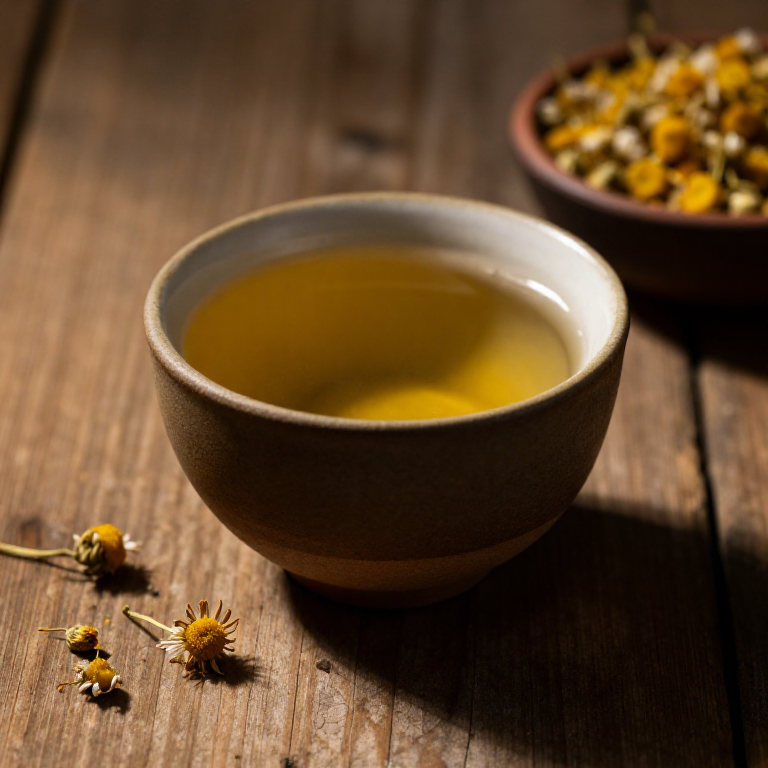

Chamomile Tea as Medicine — The Ancient Flower Infusion for Calm and Digestion
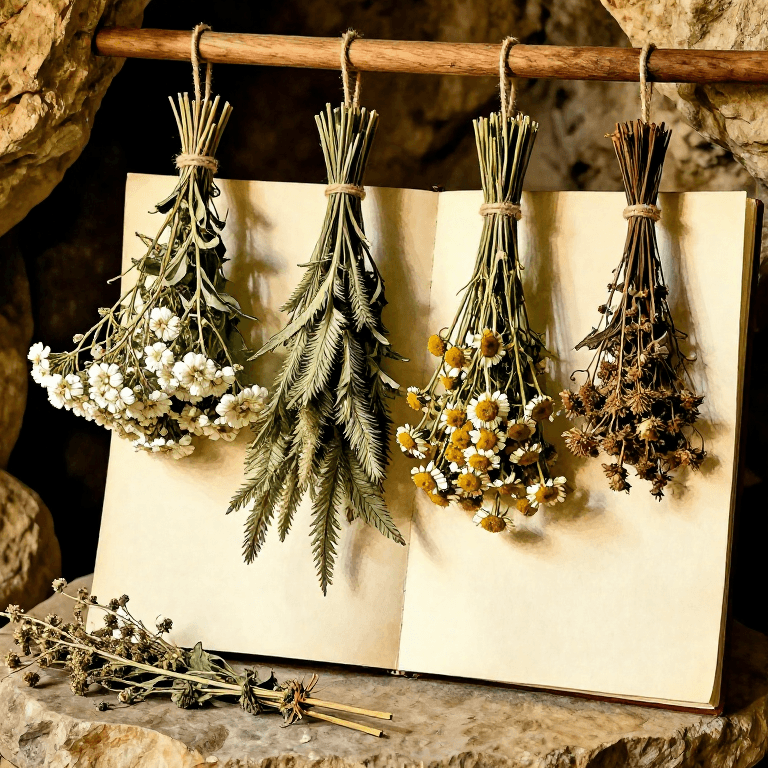
Chamomile is one of the oldest medicinal herbs known to humanity. German chamomile (Matricaria chamomilla) has been used therapeutically for over five thousand years — the ancient Egyptians dedicated it to their sun god Ra, Hippocrates prescribed it for fevers and inflammation, and Anglo-Saxon herbalists listed it among their Nine Sacred Herbs. The name itself comes from the Greek 'khamaimelon' meaning 'earth apple', describing the apple-like fragrance released when the flowers are crushed. The flower heads contain a complex of active compounds: bisabolol (anti-inflammatory), chamazulene (which gives the essential oil its distinctive blue colour), and apigenin (a flavonoid that binds to benzodiazepine receptors in the brain, producing mild sedative and anxiolytic effects). These compounds make chamomile effective for digestive complaints — bloating, mild cramps, nausea — and as a gentle sleep aid. Chamomile grows wild across Europe, western Asia, and has naturalised on every inhabited continent, thriving in disturbed soils, field margins, and roadsides. It is one of the safest medicinal herbs and remains listed in the pharmacopoeias of over twenty-six countries. This blueprint covers identification, harvesting, drying, and preparing chamomile as a medicinal infusion.
Mga Tagubilin
Identify German chamomile in the field
Identify German chamomile in the field
Harvest flower heads at peak bloom
Harvest flower heads at peak bloom
Mga kailangang kasangkapan:
 Gunting
 Bakol na yantok para sa ani
Clean and sort the harvested flowers
Clean and sort the harvested flowers
Dry the chamomile flowers
Dry the chamomile flowers
Mga kailangang kasangkapan:
 Pantuyuang Estante
 Telang Bulak
Store dried chamomile in an airtight container
Store dried chamomile in an airtight container
Mga materyales para sa hakbang na ito:
 Garapong Seramiko na May Takip1 piraso
Measure dried flowers for a medicinal infusion
Measure dried flowers for a medicinal infusion
Mga materyales para sa hakbang na ito:
 Tuyong bulaklak ng kamomila4 g
Heat water to the correct temperature
Heat water to the correct temperature
Mga materyales para sa hakbang na ito:
 Distiladong Tubig250 ml
Mga kailangang kasangkapan:
 Malaking Kaldero
 Panimula ng apoy
Steep the chamomile flowers
Steep the chamomile flowers
Mga kailangang kasangkapan:
 Mangkok na Iinuman
Strain the infusion and serve
Strain the infusion and serve
Mga materyales para sa hakbang na ito:
 Pulot-Pukyutan1 kutsara
Mga kailangang kasangkapan:
 Pinong Salaan
Understand medicinal dosage and applications
Understand medicinal dosage and applications
Mga Materyales
5- 1 pirasoPlaceholder
- Placeholder
- 250 mlPlaceholder
- 1 kutsaraPlaceholder
- 1 pirasoPlaceholder
Mga Kinakailangang Kasangkapan
9- Placeholder
- Placeholder
- Placeholder
- Placeholder
- Placeholder
- Placeholder
- Placeholder
- Placeholder
- Placeholder
Mga Materyales ng Nakakonektang Blueprint
Kaugnay na Blueprint
Ang mga blueprint na ito ay nagbabahagi ng kaalaman — mga teknik, materyales, o prinsipyo
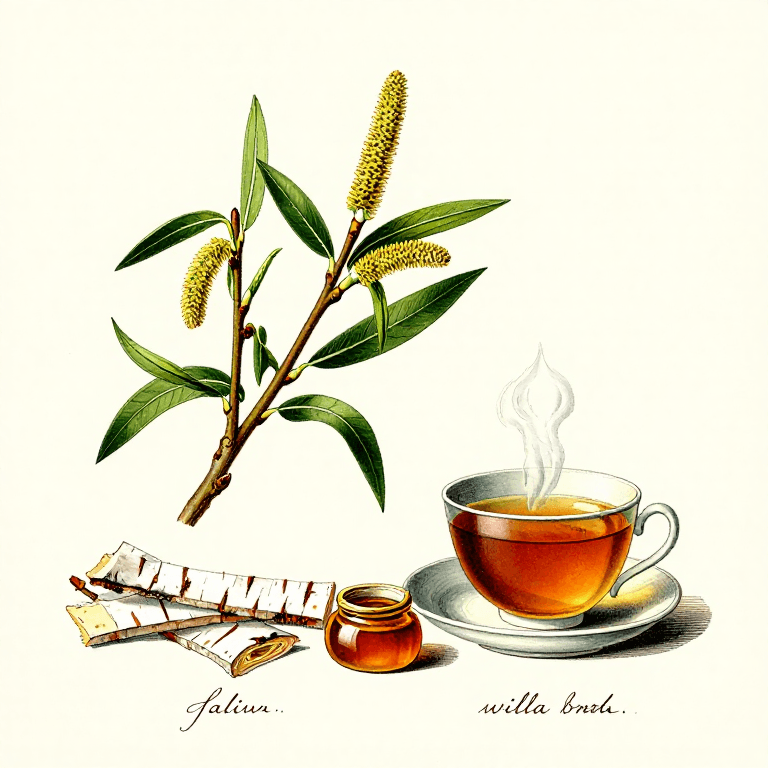
Willow Bark Tea — Nature's Pain Reliever (Precursor to Aspirin)
ni Bob
Kagubatan
Preparing a Yarrow Wound Poultice — Prehistoric Herbal First Aid
ni Bob
Kagubatan
Compounding a Healing Salve from Herbs — Medieval Herbal Medicine
ni Bob
Mga Halamang Gamot at Pampalasa
Dyeing Yellow with Dyer's Chamomile — The Golden Flower of Mediterranean Dye Gardens
ni Tex
Tela at Katad
Plantain Leaf Poultice — The Universal Wound Herb Found on Every Continent
ni Bob
Kagubatan
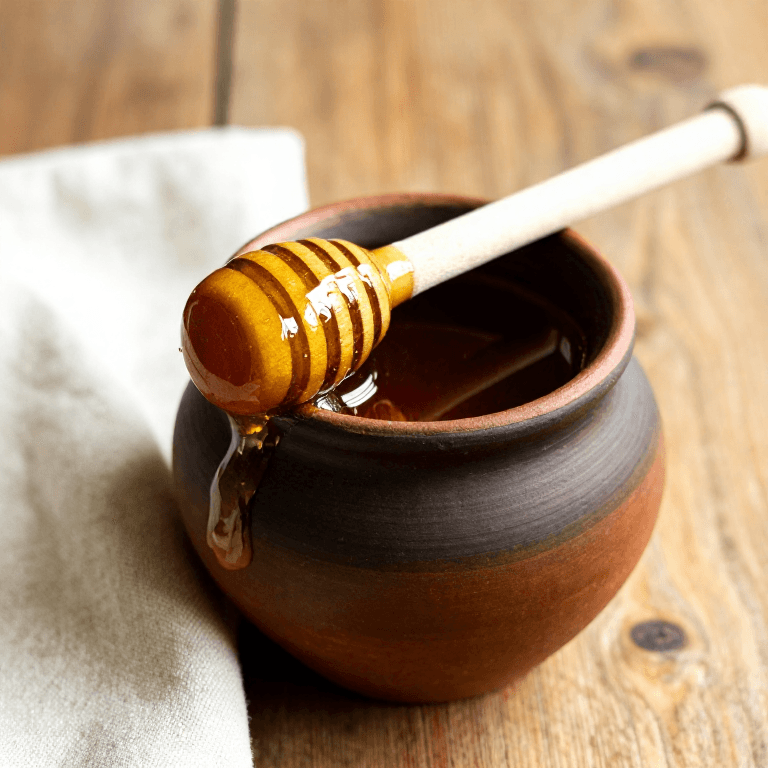
Honey as a Wound Dressing — The Oldest Antimicrobial Medicine Known to Humanity
ni Bob
Kagubatan
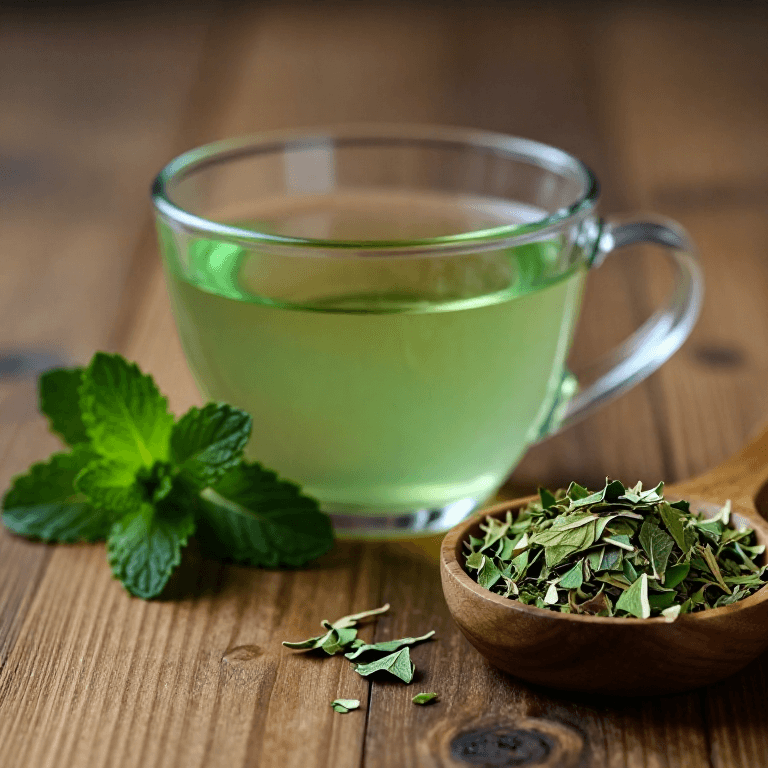
Peppermint Tea for Digestive Relief — The Cooling Herb That Calms the Stomach
ni Bob
Mga Mainit na Inumin
CC0 Pampublikong Domain
Ang blueprint na ito ay inilabas sa ilalim ng CC0. Malaya kang kumopya, magbago, mamahagi, at gumamit nang walang pahintulot.
Suportahan ang Maker sa pamamagitan ng pagbili ng mga produkto sa kanilang Blueprint Komisyon ng Maker itinakda ng mga Vendor, o lumikha ng bagong bersyon ng Blueprint na ito at isama bilang koneksyon sa iyong Blueprint upang ibahagi ang kita.