Pakikipagtulungan
SINING
BEAUTY AT WELLNESS
CRAFTS
KULTURA AT KASAYSAYAN
LIBANGAN
KAPALIGIRAN
PAGKAIN AT INUMIN
REVERSE ENGINEERING
AGHAM
ISPORTS
TEKNOLOHIYA
MGA WEARABLE
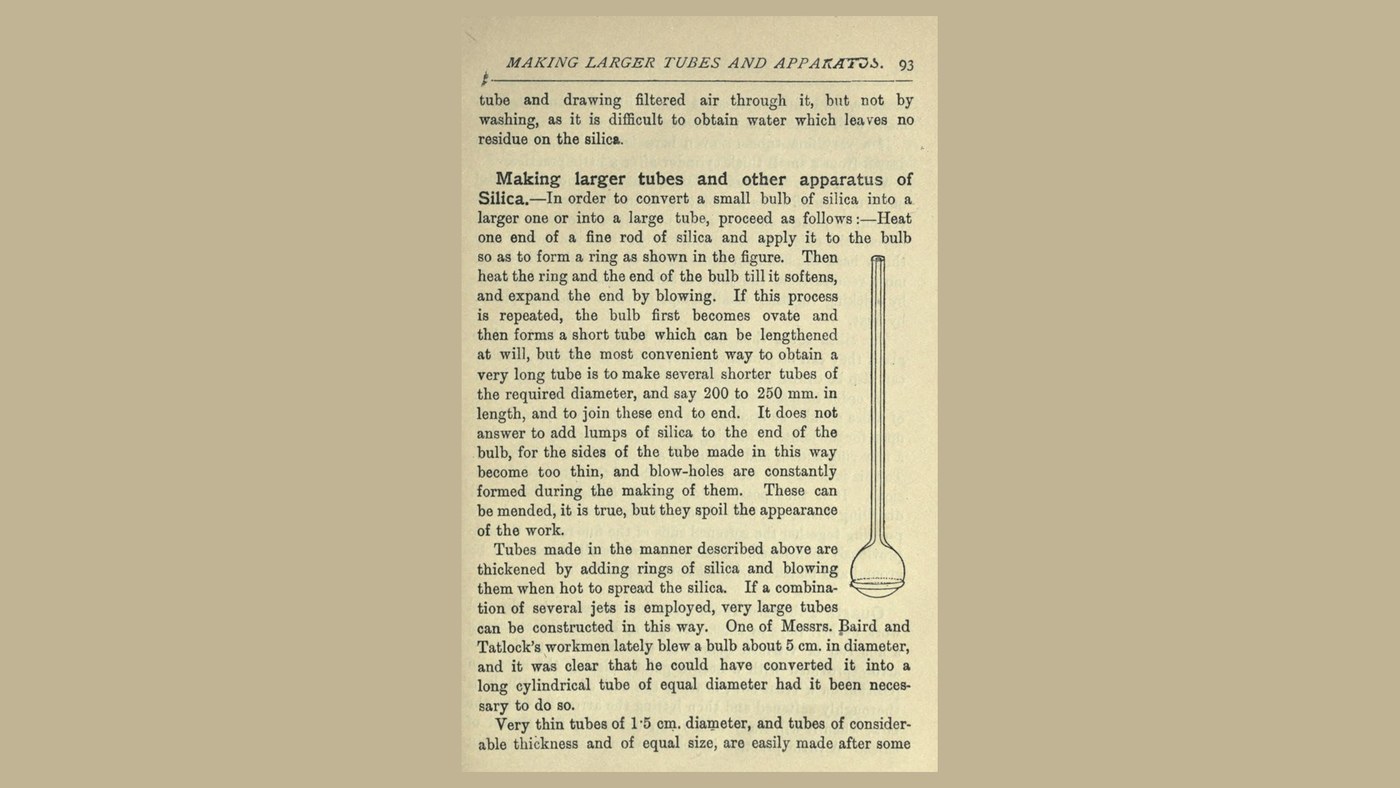


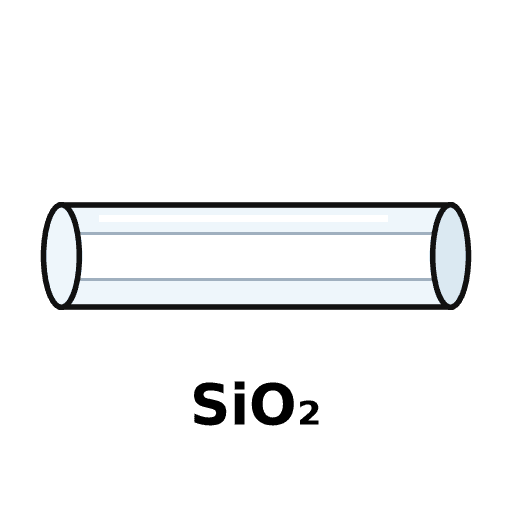
Fused Quartz Tube: Blown from Brazil Pebble in the Oxy-Gas Flame (Shenstone, 1916)
Fused silica stands sudden heating and cooling that would crack glass, but natural quartz splinters violently in a flame.
W. A. Shenstone, in The Methods of Glass-Blowing and of Working Silica in the Oxy-Gas Flame (1916), first turns Brazil pebble into a "non-splintering" silica by quenching it from a yellow-red heat, then melts it in an oxy-gas flame into fine rods, wraps the rods round a platinum core into a first tube, and enlarges it with rings of rod blown out.
Not given: quantities and times. He advises most workers to start from bought tubes and to learn each stage by practice.
Source: W. A. Shenstone (1916), pp. 88-94. Picture: his p. 93.
Abantado
Several days of practice
Mga Tagubilin
1
1
Read Shenstone
Read Shenstone
"The silica tubes thus made can be cut and broken like glass, they can be joined together before the flame, and they can also be drawn into smaller tubes when softened by heat."
2
2
Crack the Brazil pebble
Crack the Brazil pebble
Clean the chips of Brazil pebble (rock crystal) thoroughly, heat them in boiling water and drop them into cold water. Repeat until they have cracked enough to break easily with a clean steel pestle or hammer. Hand-pick the fragments and reject any that are not perfectly free from foreign matter.
Mga materyales para sa hakbang na ito:
 Kristal na bato1 as required
 Tubig1 as required
Mga kailangang kasangkapan:
 Kasarolang mataas ang gilid
 Pang-init na Plato
 Balde
 Martilyong bilog ang isang ulo
3
3
Make it non-splintering
Make it non-splintering
Heat the pure, transparent pieces to a yellow-red heat in a covered platinum dish in a muffle furnace and plunge them quickly into a deep clean vessel of distilled water. Repeat until they are semi-opaque, friable masses like white enamel. Wash them with distilled water, drain and dry. Now they can go straight into the hottest part of the flame without splintering.
Mga materyales para sa hakbang na ito:
 Distiladong Tubig1 as required
Mga kailangang kasangkapan:
 Platinum na pinggan
 Muffle furnace
 Sipit ng Krisol
 Basong Salamin na Pang-agham
4
4
Set up the flame
Set up the flame
Use an efficient oxy-gas burner fed with coal gas and oxygen from a bottle fitted with a gauge and regulator; watch the oxygen used. Protect your eyes with very dark glasses, so dark that work is a little difficult at first, and keep a second pair for long spells, as the glasses get hot. The hottest spot is near the tip of the inner cone: bring the work exactly there.
Mga materyales para sa hakbang na ito:
 Gas ng uling ng bato1 as required
 Oksiheno1 as required
Mga kailangang kasangkapan:
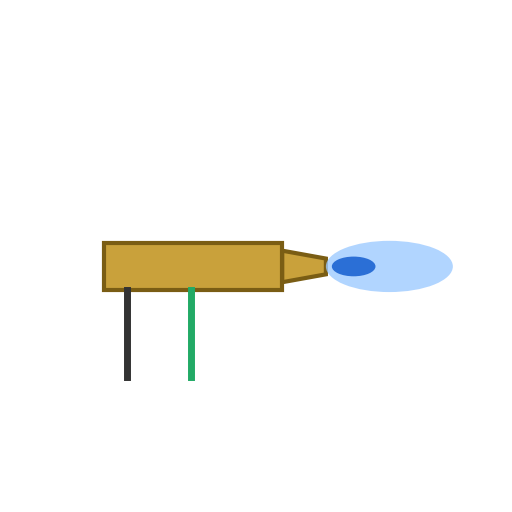 Burner na oxygen at coal gas
 Tangke ng gas na may presyon
 Regulator na pambawas ng presyon
 Panukat ng Diin
 Maitim na salaming pang-pandayan
5
5
Draw fine rods
Draw fine rods
Hold a fragment in platinum-tipped forceps and melt one corner. Press a second fragment against the melted part until they stick, and heat from below upwards (to avoid bubbles) until it is clear. Add a third, a fourth and so on until you have an irregular rod. Reheat it in sections and draw it out into rods or coarse threads 1 to 2 mm across.
Mga kailangang kasangkapan:
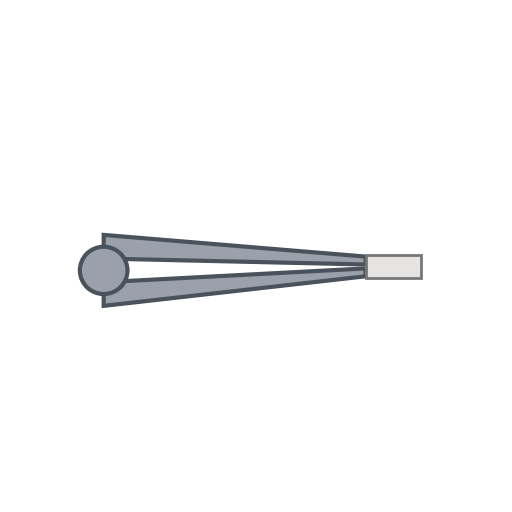 Forceps na may dulong platinumBurner na oxygen at coal gasMaitim na salaming pang-pandayan
6
6
Make the first tube
Make the first tube
Bind a few rods round a platinum rod about 1 mm across with platinum wires at both ends. Withdraw the core slightly from one end and heat gradually from there until a rough tube 4 to 5 cm long has formed. Close one end, blow it into a small bulb, fix a silica rod to the far end of the bulb, reheat and draw it out into a fine tube. Blow a fresh bulb on one end and draw it out again, until the tube is 6 to 8 cm long.
Mga kailangang kasangkapan:
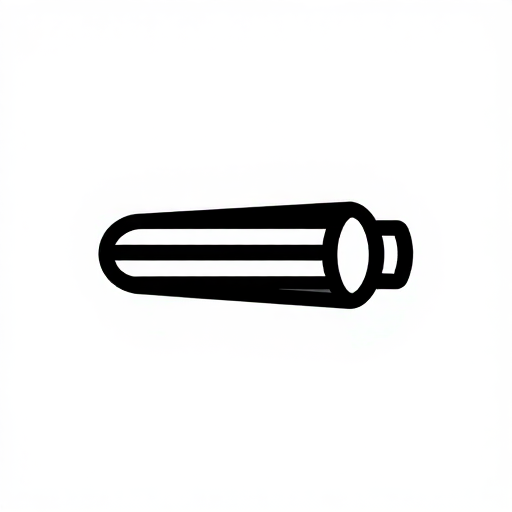 Kawad na platinoForceps na may dulong platinumBurner na oxygen at coal gasMaitim na salaming pang-pandayan
7
7
Blow without soiling it
Blow without soiling it
Blow through a rubber tube on the open end of the silica tube, with a glass tube loosely packed with granulated potash between your mouth and the work so the inside stays clean. Do not take a hot bulb out of the flame to blow it; move it just off the hot spot. Mend holes with plastic silica from the softened end of a fine rod and blow the lump out. Keep the silica clean: a white crust that forms is removed by reheating, but dust or handling can spoil the surface for good.
Mga kailangang kasangkapan:
 Tubong Goma
 Tubong salamin
 Potassium carbonate (potas)Burner na oxygen at coal gas
8
8
Enlarge and lengthen
Enlarge and lengthen
To widen a bulb into a tube, lay a ring of fine rod round its end, heat the ring and the end until soft and blow; repeat until the bulb becomes a short tube. For a long tube make several pieces 200 to 250 mm long at the diameter you need and join them end to end. Thicken a tube by adding rings and blowing them out. For a large tube, set a plate of silica behind the work to throw the flame back onto its far side.
Mga kailangang kasangkapan:
Burner na oxygen at coal gasForceps na may dulong platinumMaitim na salaming pang-pandayan9
9
History and honest limits
History and honest limits
Thorpe's Dictionary (vol. IV, 1913) records Gaudin spinning fused silica threads in 1839, Boys making quartz fibres in 1887, and Shenstone showing in 1901 how to make tubes and bulbs before the oxy-coal-gas blowpipe.
Shenstone gives no quantities or times and says most workers save time and money by starting from bought silica tubes. A finished tube holds a little moisture and nitric peroxide; he removes them by heating it and drawing filtered air through, not by washing.
Mga Materyales
5- 1 as requiredPlaceholder
- 1 as requiredPlaceholder
- 1 as requiredPlaceholder
- 1 as requiredPlaceholder
- 1 as requiredPlaceholder
Mga Kinakailangang Kasangkapan
18- Placeholder
- Placeholder
- Placeholder
- Placeholder
- Placeholder
- Placeholder
- Placeholder
- Placeholder
- Placeholder
- Placeholder
- Placeholder
- Placeholder
- Placeholder
- Placeholder
- Placeholder
- Placeholder
- Placeholder
- Placeholder
Ang blueprint na ito ay gumagawa ng
CC0 Pampublikong Domain
Ang blueprint na ito ay inilabas sa ilalim ng CC0. Malaya kang kumopya, magbago, mamahagi, at gumamit nang walang pahintulot.
Suportahan ang Maker sa pamamagitan ng pagbili ng mga produkto sa kanilang Blueprint Komisyon ng Maker itinakda ng mga Vendor, o lumikha ng bagong bersyon ng Blueprint na ito at isama bilang koneksyon sa iyong Blueprint upang ibahagi ang kita.