SINING
BEAUTY AT WELLNESS
CRAFTS
KULTURA AT KASAYSAYAN
LIBANGAN
KAPALIGIRAN
PAGKAIN AT INUMIN
REVERSE ENGINEERING
AGHAM
ISPORTS
TEKNOLOHIYA
MGA WEARABLE
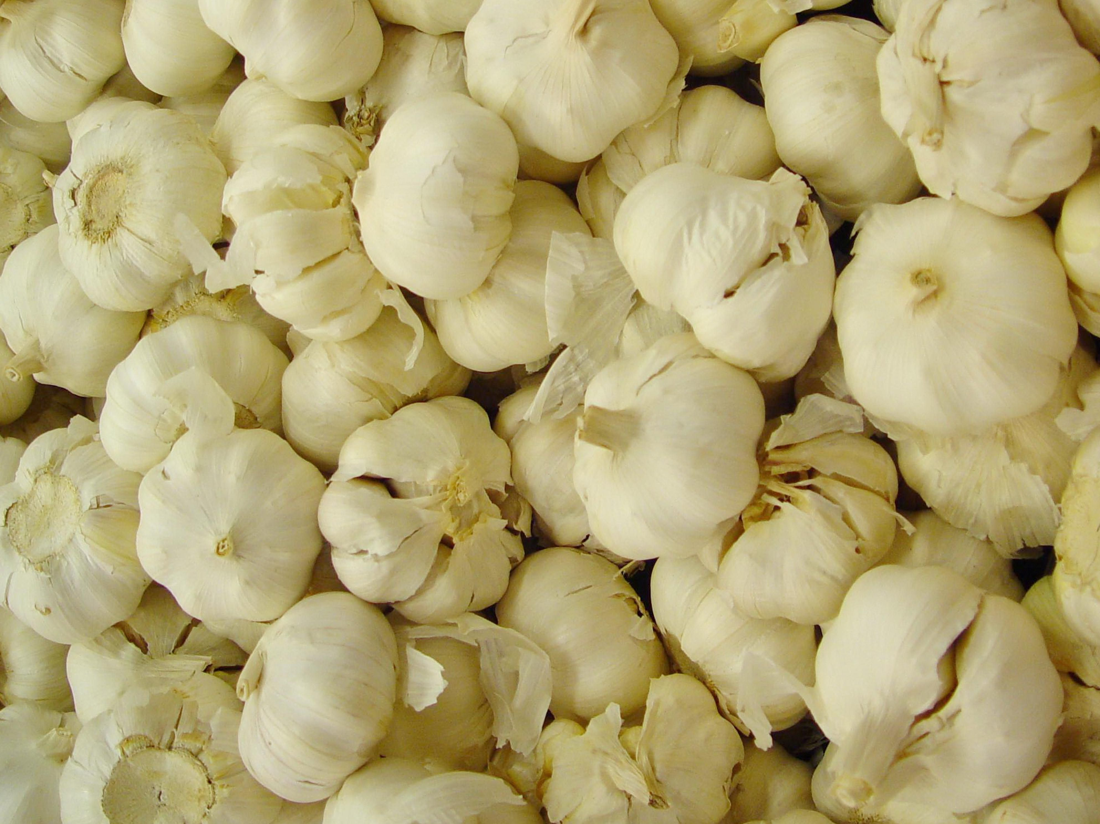
Wikimedia Commons contributor · Public Domain


Growing Garlic from Cloves — Cloning a Bulb Without Seed
Grow garlic the only way it really grows — from cloves, not seed. Each clove you plant is a living bud that clones itself into a whole new bulb, so your best bulbs replant themselves year after year. Split a bulb, plant in autumn, cut the scape, harvest and cure in summer, and save your biggest bulbs to plant again. A buildable school-year project in vegetative propagation.
Baguhan
Autumn to midsummer (about 8-9 months)
Mga Tagubilin
1
1
One clove becomes a whole bulb
One clove becomes a whole bulb
Garlic almost never makes usable seed. Instead you plant a single CLOVE — and each clove is a living bud that grows into a complete new bulb of a dozen cloves. Every plant is therefore an exact copy (a clone) of its parent, so saving garlic means simply replanting your best bulbs.
2
2
Split a bulb into cloves
Split a bulb into cloves
Just before planting, break a bulb apart into its cloves, keeping the papery skin ON each one. Choose the BIGGEST cloves — a bigger clove grows a bigger bulb — and don't damage the flat basal plate at the bottom, which is where the roots come from.
Mga materyales para sa hakbang na ito:
 Ulo ng bawang2 bulb
3
3
Plant in autumn, pointed end up
Plant in autumn, pointed end up
Plant in autumn, a few weeks before the ground freezes, pointed end UP, about 5 cm deep and 15 cm apart, then mulch with straw. Garlic needs the coming winter's cold to trigger it to split into a many-cloved bulb — plant it in spring and you often get one round undivided bulb instead.
Mga materyales para sa hakbang na ito:
 Kompost1 bag
 Tinadtad na Dayami1 bag
Mga kailangang kasangkapan:
 Dyaryolin sa hardin
4
4
Cut the scape
Cut the scape
In early summer hardneck garlic sends up a curling flower stalk called a SCAPE. Cut it off (and eat it — they're delicious): removing the scape sends the plant's energy down into a bigger bulb instead of into a flower head. Softneck garlic usually makes no scape.
Mga kailangang kasangkapan:
 Gunting sa pagpuputol ng sanga
5
5
Harvest in summer
Harvest in summer
Harvest in mid-summer when the lower leaves have browned but about five or six green leaves remain — each green leaf is a papery wrapper still protecting the bulb. Ease the bulbs out gently with a fork; don't yank or bruise them, and don't wait until all leaves die or the wrappers split.
Mga kailangang kasangkapan:
 Panduro sa hardin
6
6
Cure for storage
Cure for storage
Hang or lay the whole plants — roots, tops and all — in a warm, airy, shaded spot for 2-4 weeks until the necks are papery dry. This curing is what lets garlic store for months; only after it's cured do you trim the roots and tops (or braid softnecks by their soft stems).
Mga materyales para sa hakbang na ito:
 Tali sa hardin1 rolyo
7
7
Save the best to replant
Save the best to replant
Set aside your very biggest, healthiest bulbs (about a tenth of the crop) as next year's seed stock. Store them cool, dry and airy at room temperature — NEVER the fridge, whose cold and damp make cloves sprout. Replant them next autumn; choosing the best each year slowly adapts the strain to your own garden.
Mga materyales para sa hakbang na ito:
 Sakong burlap1 piraso
 Mga Tatak na Madikit1 pilyego
8
8
Compendium — vegetative propagation and the clone
Compendium — vegetative propagation and the clone
Everything in the seed-saving blueprints is SEXUAL reproduction: two parents' genes shuffle together in a flower, and the seed is a brand-new individual, never quite like either parent — which is the whole point of pollination, isolation and coming-true. Garlic works the completely different way: VEGETATIVE (clonal) propagation. A clove is not a seed — it has no father, no pollination, no genetic mixing. It is just a bud, a piece of the parent plant that grows into a genetically IDENTICAL copy. This has big advantages: it is fast and certain (no waiting two years or dodging cross-pollination), and because every plant is a clone, the variety stays perfectly true forever — a garlic strain kept for a thousand years is still literally the same individual, endlessly copied. But clones have two catches. First, there is no genetic mixing, so the plant cannot adapt through breeding the way seed crops do — the only 'selection' you get is choosing which existing clones to keep (your biggest bulbs). Second, and more serious, any virus or disease inside the parent is copied straight into every clove, so problems accumulate down the generations unless you start with clean, healthy stock. One thing garlic still shares with the biennial root crops, though, is VERNALIZATION: it needs a spell of winter cold to switch from making a single round bulb to splitting into a proper cluster of cloves — which is exactly why you plant it in autumn and let it feel the winter, the same cold trigger that makes a stored carrot bolt. (Hardneck garlic also offers a second clonal route: the tiny aerial bulbils on its scape can be grown on, taking a year or two to reach full size.) Grown this way for over five thousand years across the ancient world, garlic is one of humanity's oldest continuously-cloned crops.
Mga Materyales
6- 2 bulbPlaceholder
- 1 bagPlaceholder
- 1 bagPlaceholder
- 1 rolyoPlaceholder
- 1 pirasoPlaceholder
- 1 pilyegoPlaceholder
Mga Kinakailangang Kasangkapan
3- Placeholder
- Placeholder
- Placeholder
Ang blueprint na ito ay gumagawa ng
Kaugnay na Blueprint
Ang mga blueprint na ito ay nagbabahagi ng kaalaman — mga teknik, materyales, o prinsipyo

CC0 Pampublikong Domain
Ang blueprint na ito ay inilabas sa ilalim ng CC0. Malaya kang kumopya, magbago, mamahagi, at gumamit nang walang pahintulot.
Suportahan ang Maker sa pamamagitan ng pagbili ng mga produkto sa kanilang Blueprint Komisyon ng Maker itinakda ng mga Vendor, o lumikha ng bagong bersyon ng Blueprint na ito at isama bilang koneksyon sa iyong Blueprint upang ibahagi ang kita.