SINING
BEAUTY AT WELLNESS
CRAFTS
KULTURA AT KASAYSAYAN
LIBANGAN
KAPALIGIRAN
PAGKAIN AT INUMIN
REVERSE ENGINEERING
AGHAM
ISPORTS
TEKNOLOHIYA
MGA WEARABLE

Isotactic Polypropylene
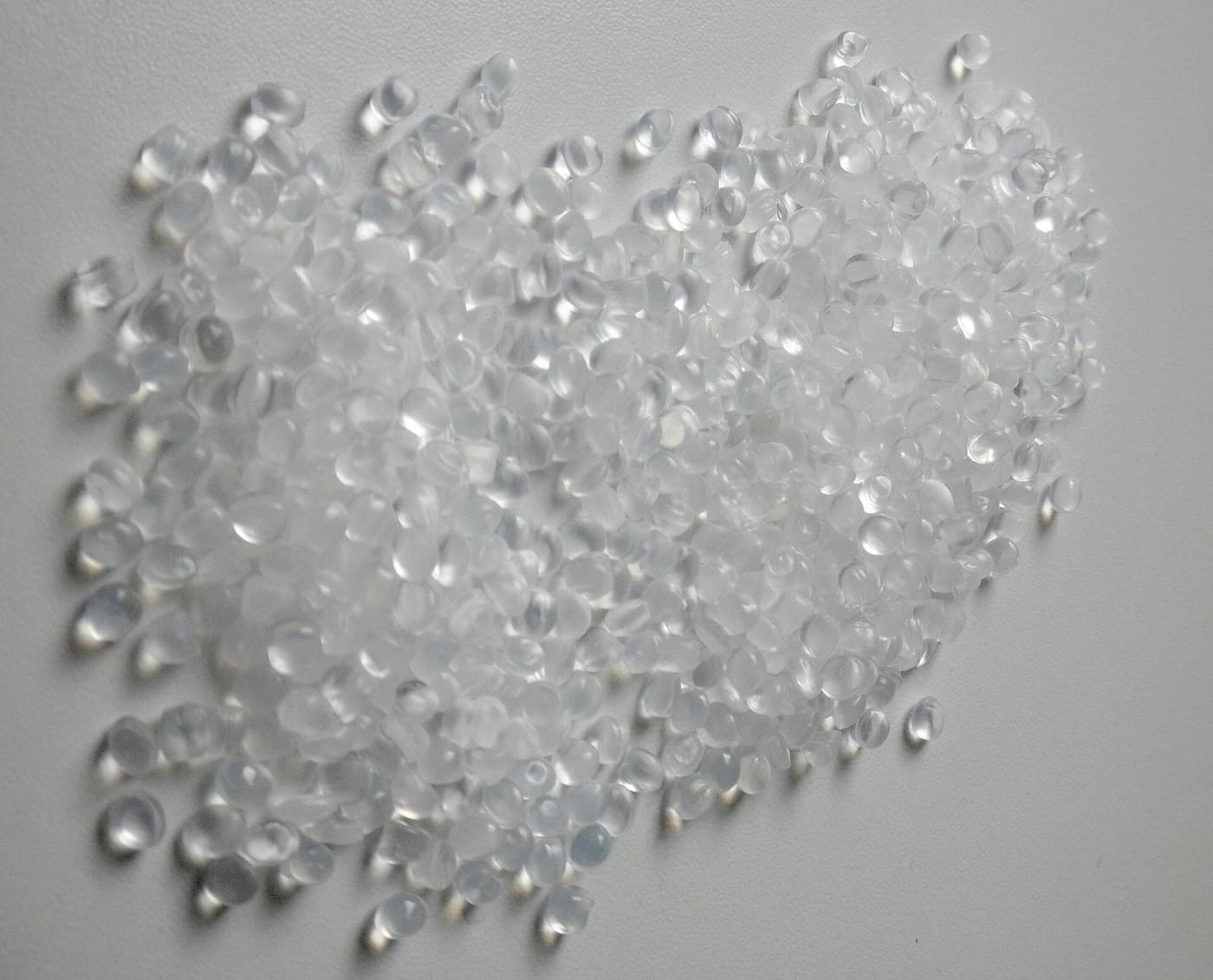
Propylene had always polymerised into a useless sticky mass. In March 1954 Giulio Natta's group at the Milan Polytechnic, using catalysts of the kind Karl Ziegler had just found for ethylene, made polypropylene in which every methyl group sits on the same side of the chain. They called it isotactic. The ordered chains crystallise, and a sticky nothing became a stiff, light, tough plastic. Natta and Ziegler shared the 1963 Nobel Prize in Chemistry.
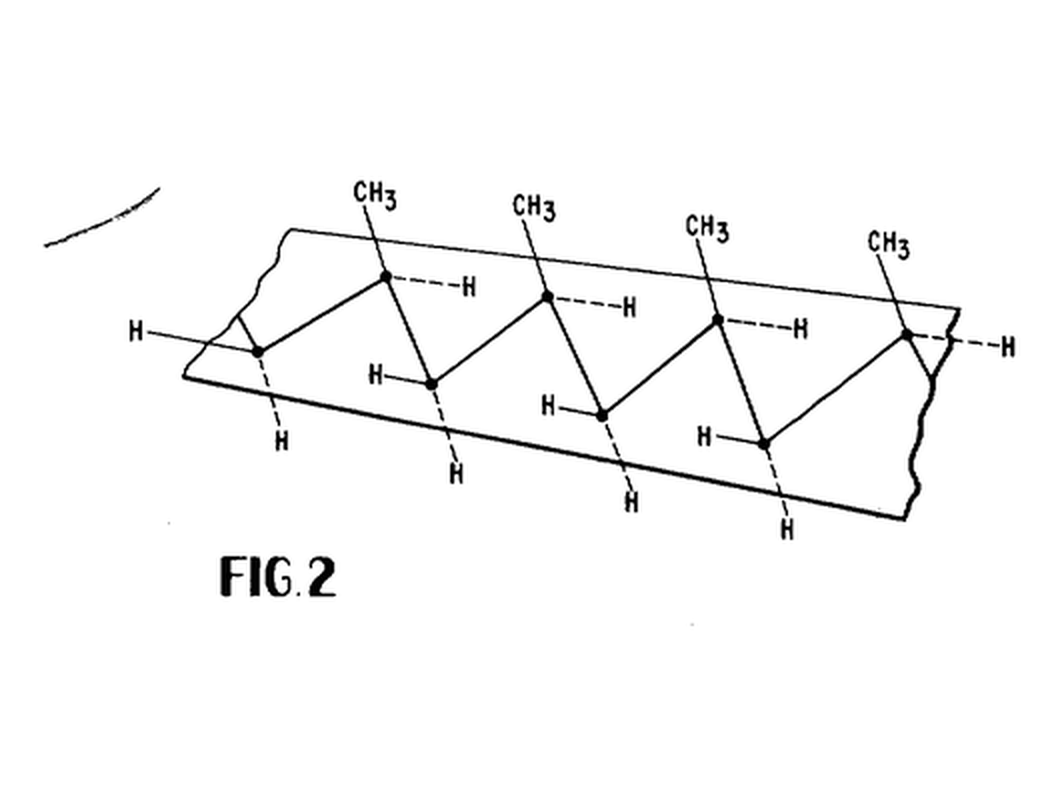
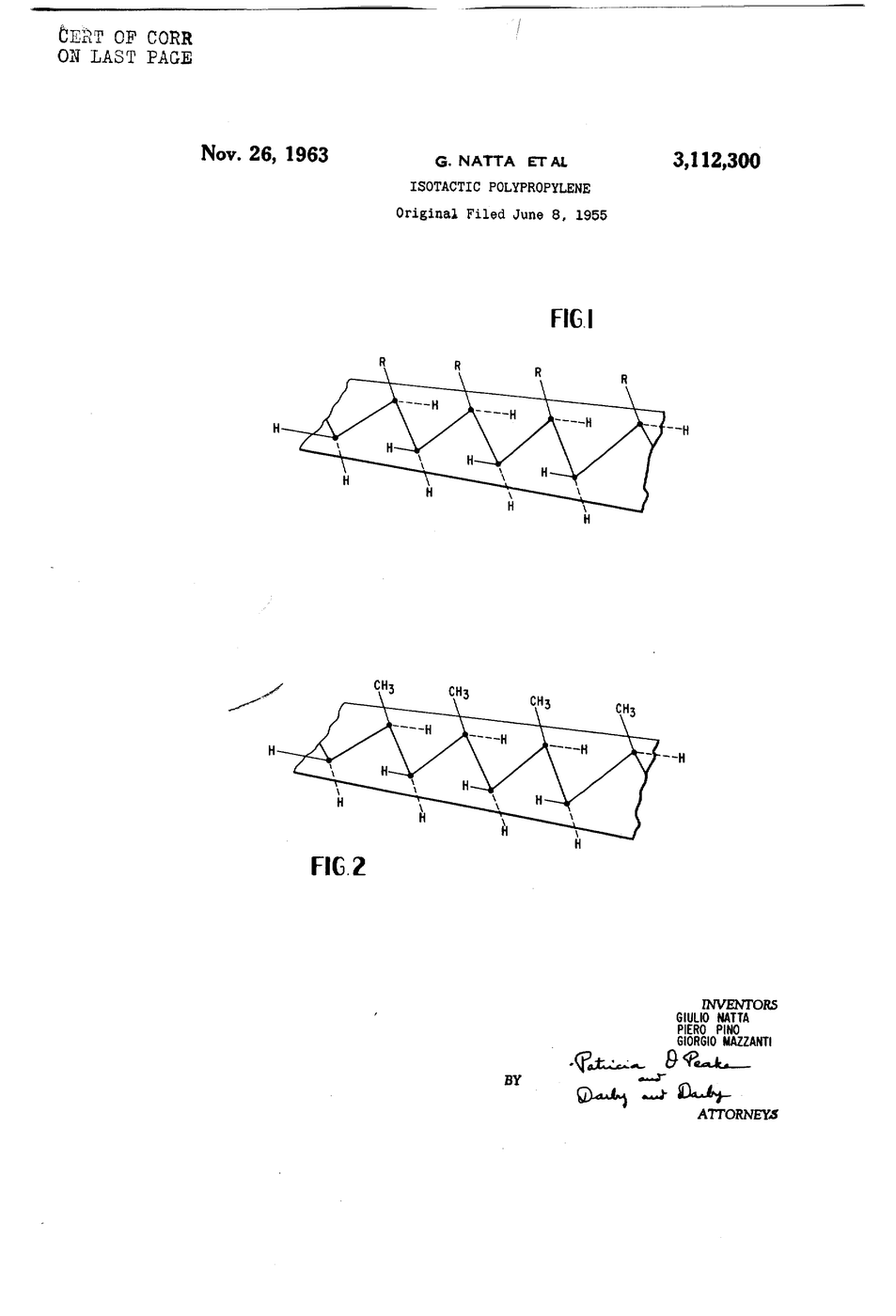
**US 3,112,300**, "Isotactic polypropylene", Natta, Pino and Mazzanti, assigned to Montecatini, filed 9. December 1957 (continuing an application of 8. June 1955), granted 26. November 1963. Its single claim is the arrangement itself: macromolecules "insoluble in boiling n-heptane" with the structure "shown in FIGURE 2 of the accompanying drawing".
**You build the property that made it famous**: an Arduino servo rig that folds a polypropylene living hinge thousands of times, beside PET film.
Katamtaman
3 hours plus flex runs
Mga Tagubilin
1
1
Cut the hinges
Cut the hinges
Cut 80 x 20 mm strips from 0.5 mm polypropylene and from PET film. Measure both thicknesses. Fold each sharply across the middle once and flatten the crease with a fingernail - flexing it right away is how moulded hinges are made too.
Mga materyales para sa hakbang na ito:
 Pilyegong polypropylene (A4)1 pilyego
 Pilyego ng estensil na mylar1 pilyego
Mga kailangang kasangkapan:
 Kutsilyong pantaller
 Ruler
Ruler Digital na Kalibrador 6 Pulgada
2
2
Build the fixture
Build the fixture
Screw two 100 x 50 mm pine blocks side by side. Hot-glue the servo to one so its shaft sits exactly on the crease line. Clamp one leaf of the hinge to the other block with a binder clip; hot-glue the free leaf to the servo horn.
Mga materyales para sa hakbang na ito:
 Tablang pino1 piraso
 Mga turnilyong pangkahoy2 piraso
 Mikroserbong motor na SG90 (5 piraso)1 pakete
Mga kailangang kasangkapan:
 Baril ng mainit na pandikit
 Malalaking binder clip
 Set ng mga distornilyador
3
3
Wire and flash the counter
Wire and flash the counter
Servo signal to D9, power to 5V and GND; microswitch between D2 and GND. One SG90 can run from the Uno's 5 V pin - if the board resets under load, power the servo separately with a shared GND. Open the serial monitor at 115200.
living_hinge_flex_counter.inocpp
Mga materyales para sa hakbang na ito:
 Mikroswitch (ginagalaw ng pihitan)1 piraso
 Set ng kableng Dupont (lalaki-babae)1 set
Mga kailangang kasangkapan:
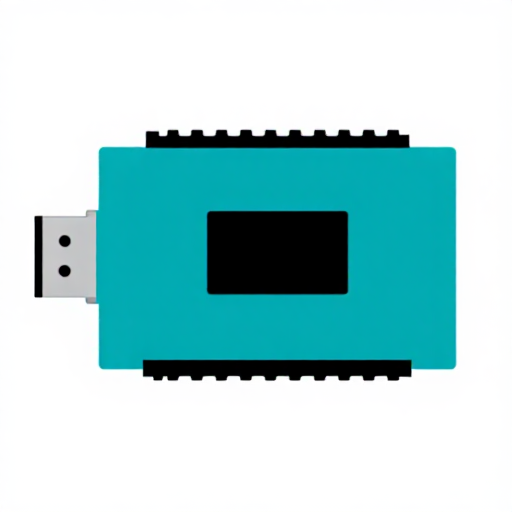 Arduino Uno R3
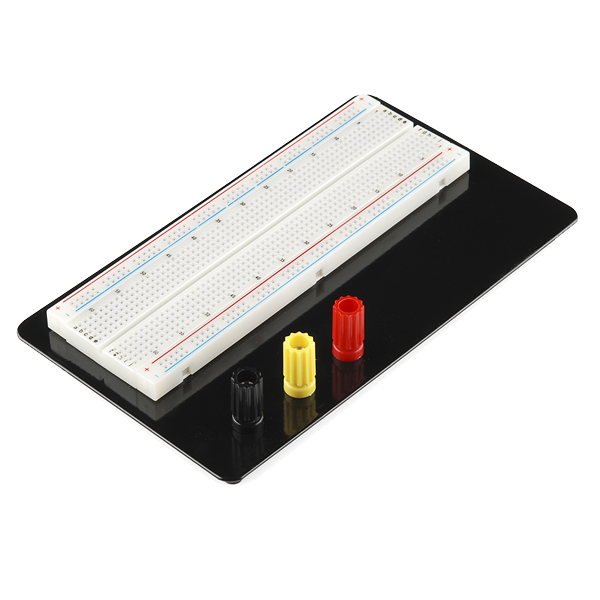 Breadboard - Classic
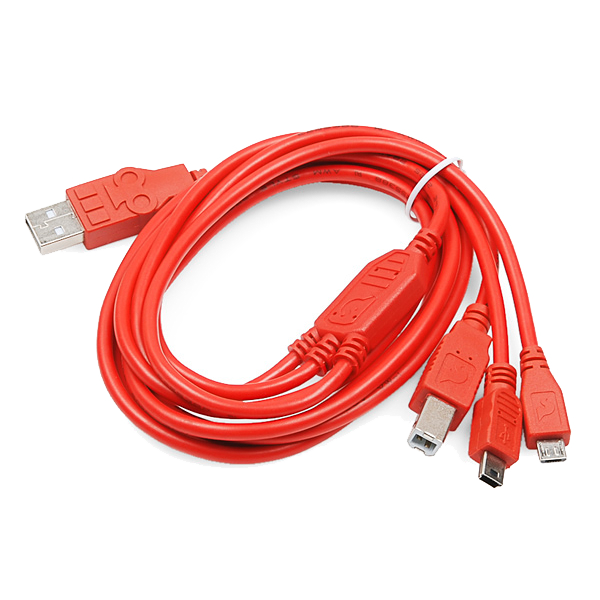 SparkFun Cerberus USB Cable - 1.8 meter
4
4
Run and inspect
Run and inspect
Press the switch to start. Every 1000 cycles it stops: look at the crease under the loupe. Whitening is normal; a crack you can see through is failure. Record the last intact count, then run the other material.
Mga kailangang kasangkapan:
 Lupang Pampalaki
5
5
Strain, counts, siblings
Strain, counts, siblings
Naglo-load ng Jupyter notebook…
6
6
History & Context
History & Context
**What the patent specifies:** high-molecular polypropylene made of isotactic macromolecules, insoluble in boiling n-heptane, with the structure of its FIGURE 2 (shown here). **Modern build (derived):** commercial PP sheet, creased by hand into a hinge.
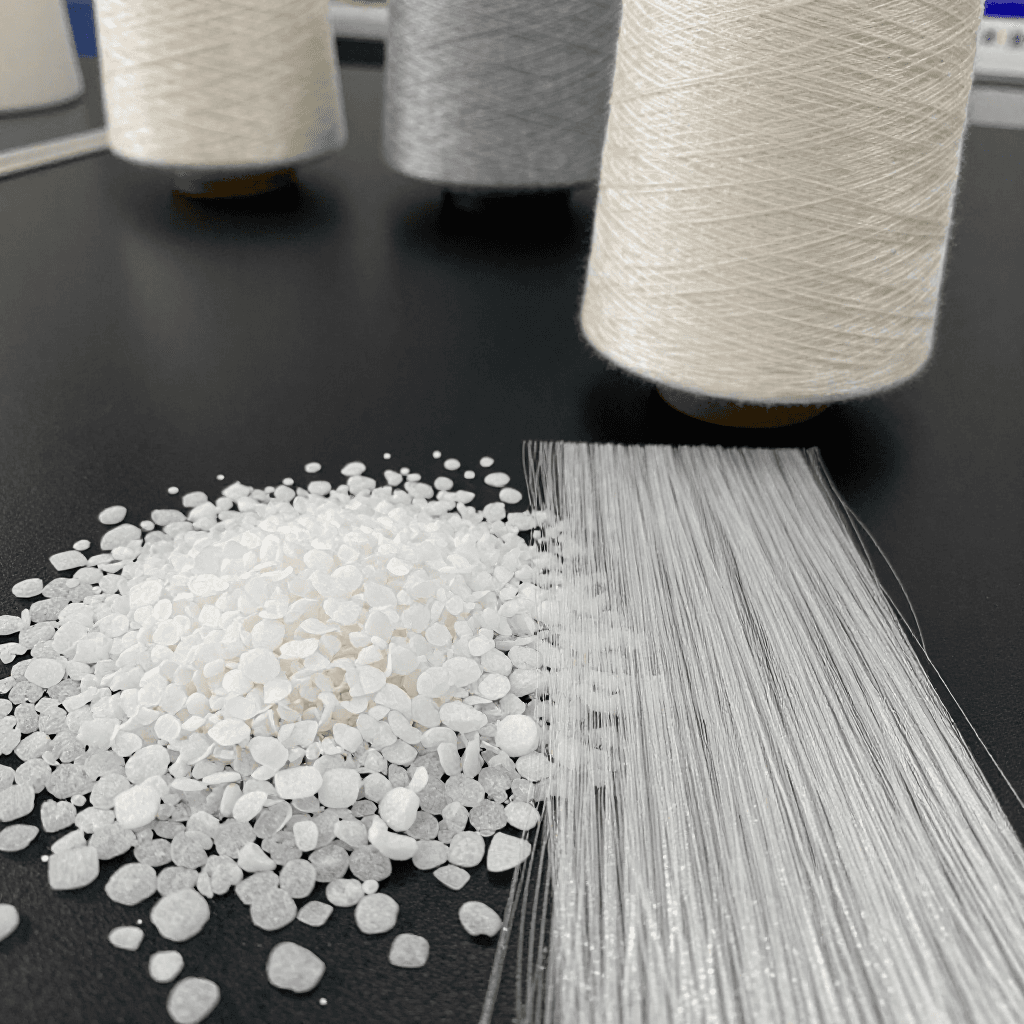
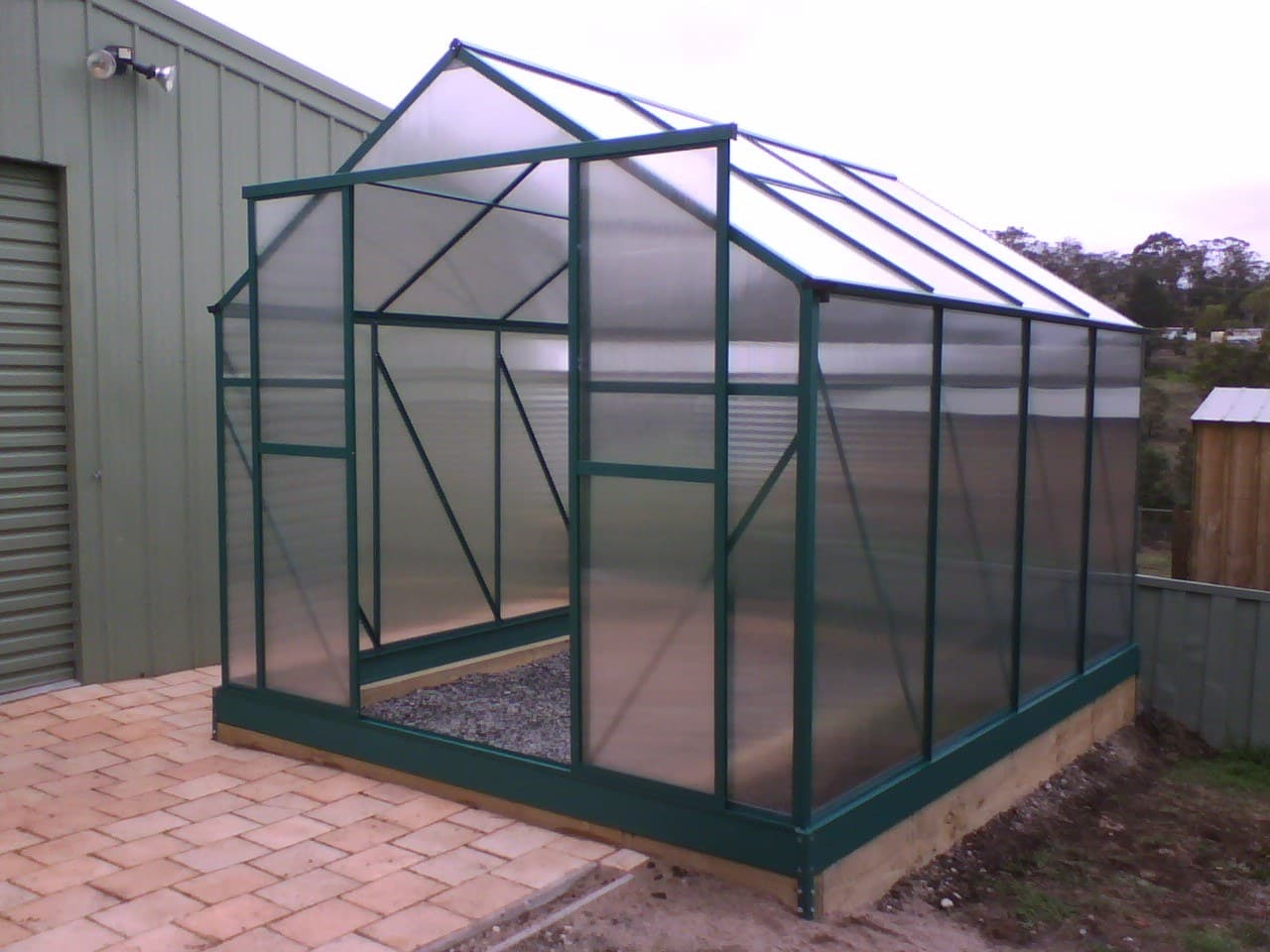
Montecatini began production in 1957. Moulded PP hinges now close most flip-top caps, and PP makes crates, car bumpers, rope and food tubs. Its limits: it turns brittle in deep cold, degrades in sunlight without stabilisers, and is hard to glue or paint.
Mga Materyales
7- 1 pilyegoPlaceholder
- 1 pilyegoPlaceholder
- 1 pirasoPlaceholder
- 2 pirasoPlaceholder
- Placeholder
- Placeholder
- Placeholder
Mga Kinakailangang Kasangkapan
10- Placeholder
- Placeholder
- Placeholder
- Placeholder
- Placeholder
- Placeholder
- Arduino Uno R310% komisyonMagento Legacy Storeships internationallyPlaceholder
- Breadboard - Classic10% komisyon$9.36
- SparkFun Cerberus USB Cable - 1.8 meter10% komisyon$5.60
- Placeholder
Kaugnay na Blueprint
Ang mga blueprint na ito ay nagbabahagi ng kaalaman — mga teknik, materyales, o prinsipyo



CC0 Pampublikong Domain
Ang blueprint na ito ay inilabas sa ilalim ng CC0. Malaya kang kumopya, magbago, mamahagi, at gumamit nang walang pahintulot.
Suportahan ang Maker sa pamamagitan ng pagbili ng mga produkto sa kanilang Blueprint Komisyon ng Maker itinakda ng mga Vendor, o lumikha ng bagong bersyon ng Blueprint na ito at isama bilang koneksyon sa iyong Blueprint upang ibahagi ang kita.