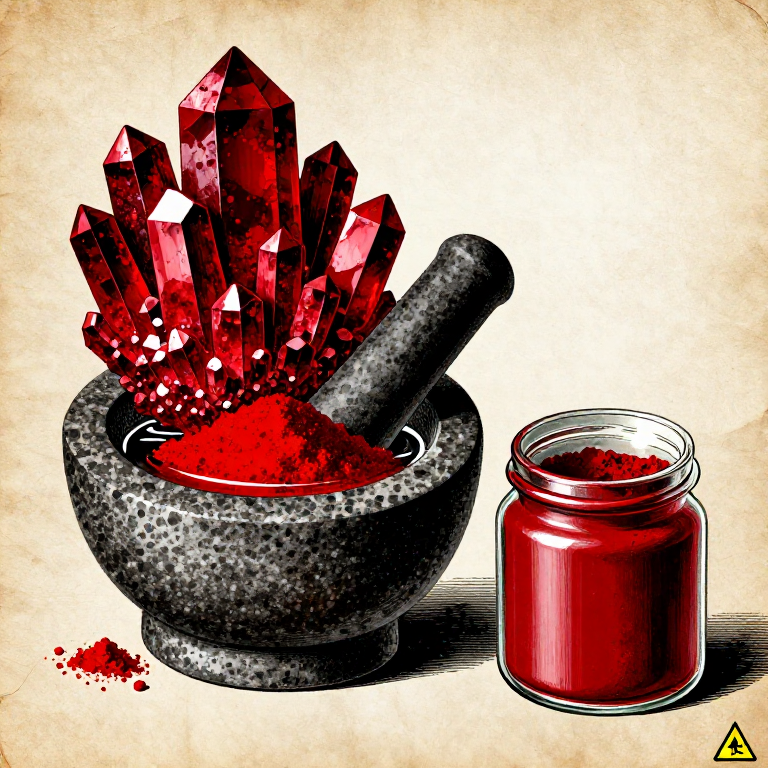

Making Cinnabar Red Pigment — Grinding Mercury Sulfide into the Most Vivid Red of the Ancient World
Cinnabar (HgS, mercury sulfide) is a brilliant vermilion-red mineral pigment that has been prized since at least 5000 BCE. It produces the most vivid, saturated red available to painters before the invention of synthetic alternatives — no earth pigment (red ochre, haematite) comes close to cinnabar's intensity and purity of hue. The mineral was mined in Spain (Almadén — the world's largest mercury deposit), China (Hunan province), and Italy (Monte Amiata), and was traded across the ancient world at enormous cost.
Chinese cinnabar paintings from the Neolithic Yangshao culture (c. 5000 BCE) are among the earliest known uses. In Rome, cinnabar (called 'minium' — later confused with red lead) was the most expensive pigment on the market, costing up to 50 sesterces per pound. Pliny records that the Roman state controlled its price. Pompeian wall paintings used cinnabar lavishly for the famous 'Pompeian red' backgrounds. In Chinese art, cinnabar has been used continuously for over 7,000 years — for lacquerware, seal paste (yìnní, 印泥), wall paintings, and manuscript illumination.
SAFETY WARNING: Cinnabar is mercury sulfide. While the mineral form (HgS) is relatively insoluble and less toxic than metallic mercury or mercury salts, the dust produced during grinding is hazardous — inhaled mercury sulfide dust accumulates in the body over time and causes chronic mercury poisoning (erethism: tremors, personality changes, kidney damage). ALL grinding of cinnabar MUST be done wet (under water or oil) to prevent dust, and a P100/FFP3 respirator must be worn during any dry handling. Never heat cinnabar — above 580°C it decomposes into elemental mercury vapour, which is acutely toxic.
Mapanganib na nilalaman
Ang blueprint na ito ay naglalaman ng mga mapanganib na proseso. Mag-log in at i-enable ang mapanganib na nilalaman sa iyong account settings upang makita ang step-by-step na mga tagubilin.
Mag-sign inAng blueprint na ito ay gumagawa ng
Kaugnay na Blueprint
Ang mga blueprint na ito ay nagbabahagi ng kaalaman — mga teknik, materyales, o prinsipyo
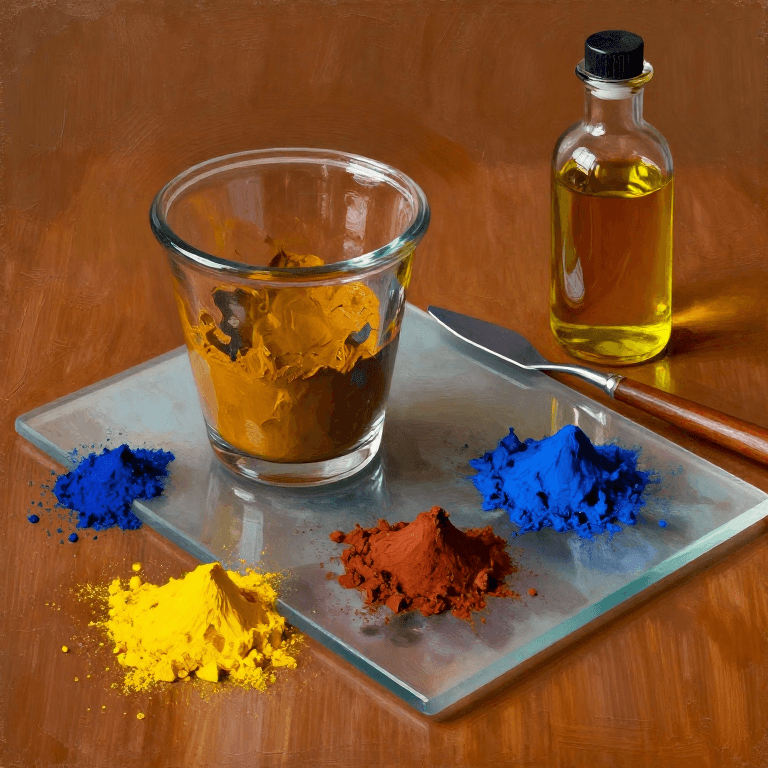
Making Oil Paint from Raw Pigments — Grinding Pigments in Linseed Oil
ni Charlie
SINING
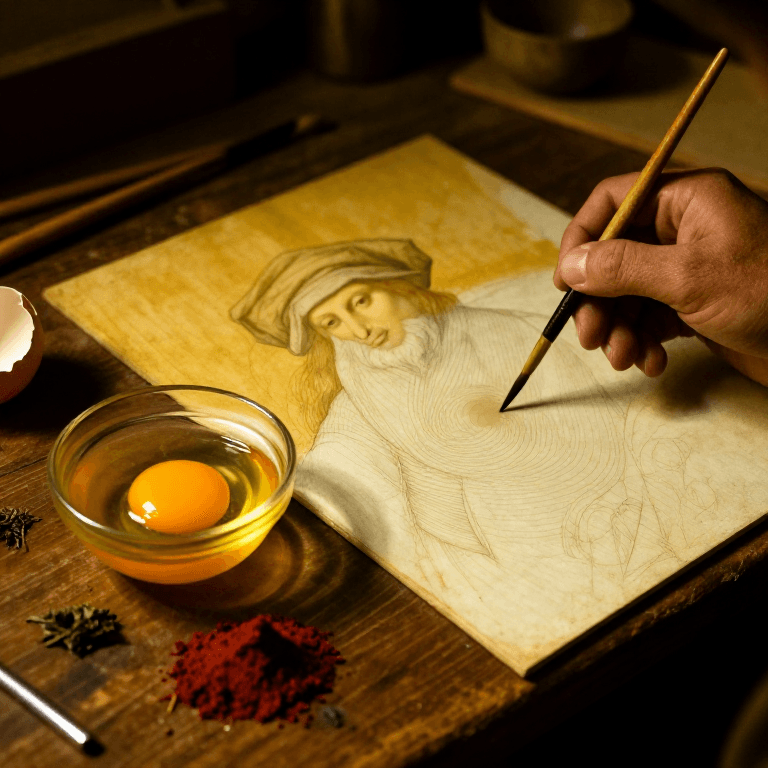
Making Egg Tempera Paint — The Medieval Panel Painting Medium
ni Charlie
SINING
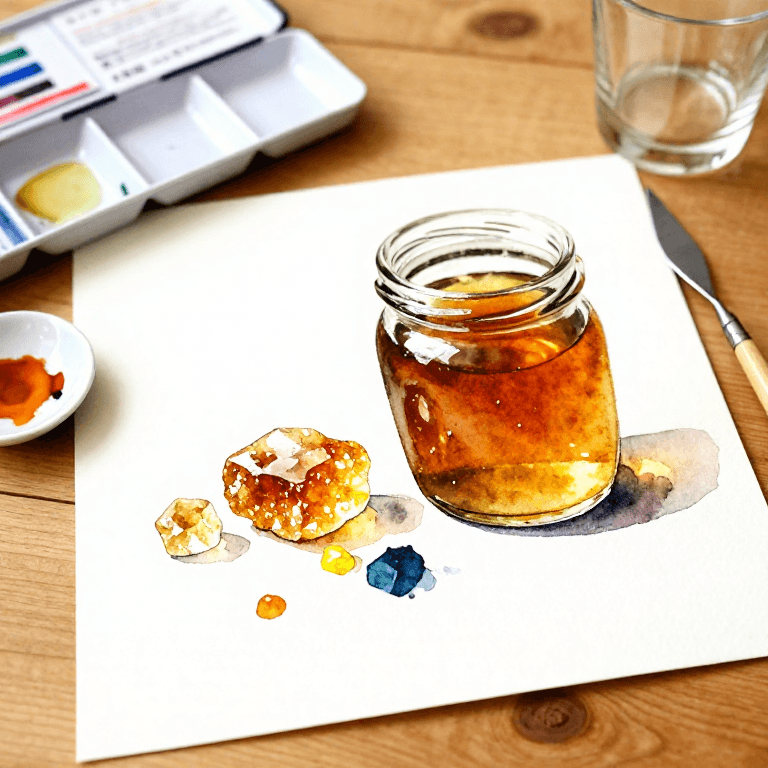
Making Watercolour Paint from Raw Pigments — Gum Arabic Binder
ni Charlie
SINING
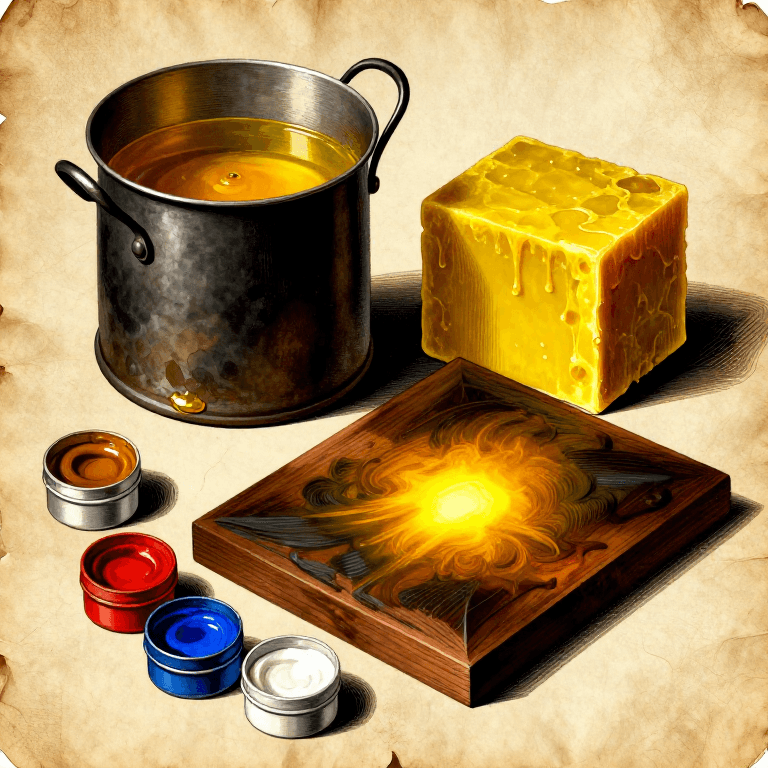
Making Encaustic Paint — The Hot Beeswax Medium of Ancient Greek and Egyptian Painters
ni Charlie
SINING
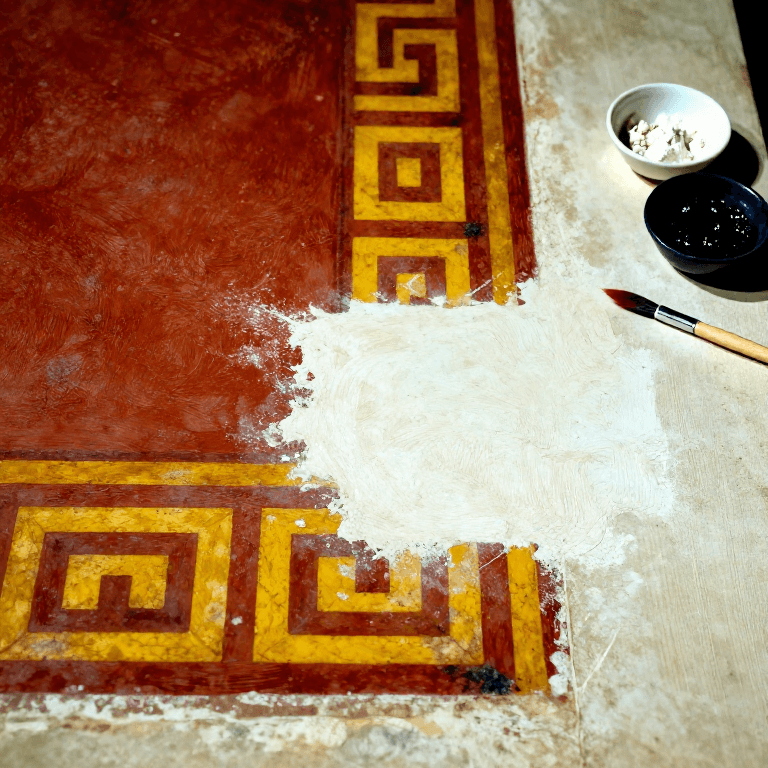
Painting a Buon Fresco on Wet Lime Plaster — Roman Wall Painting
ni Charlie
Pagkakanto
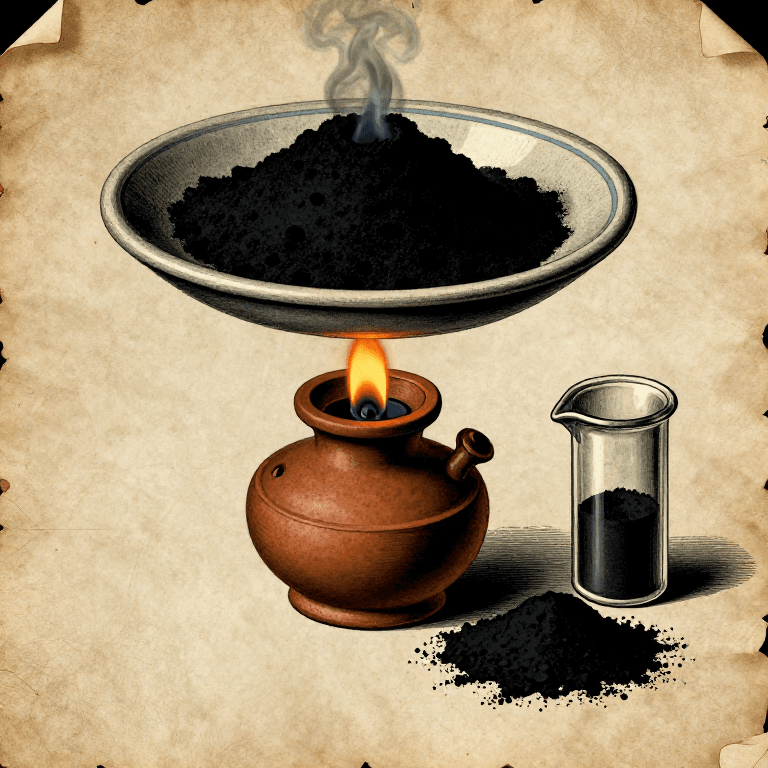
Making Lampblack Pigment — Collecting Carbon Soot from a Burning Flame
ni Charlie
SINING
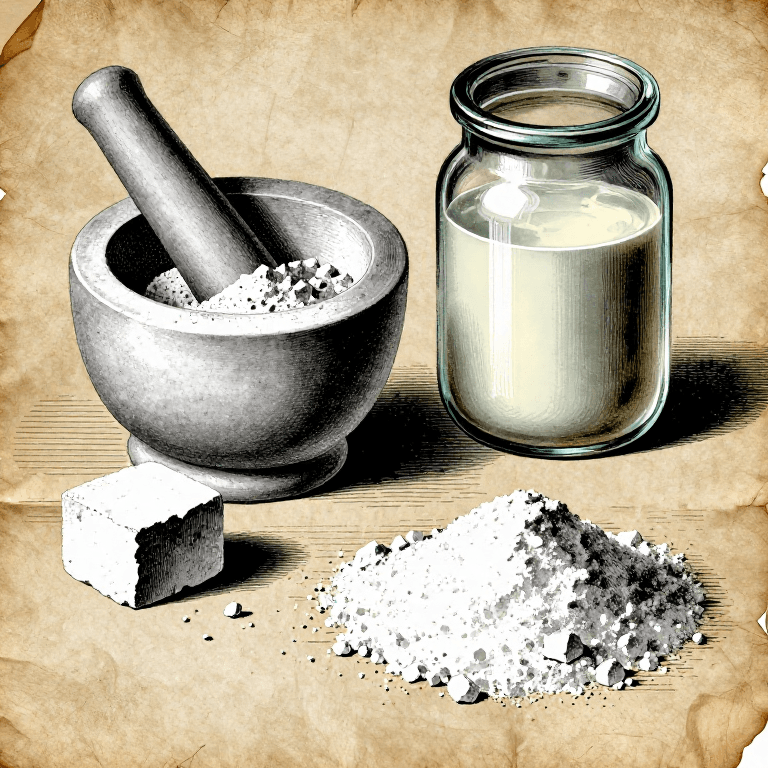
Making Chalk White Pigment (Whiting) — Grinding and Levigating Natural Chalk
ni Charlie
SINING
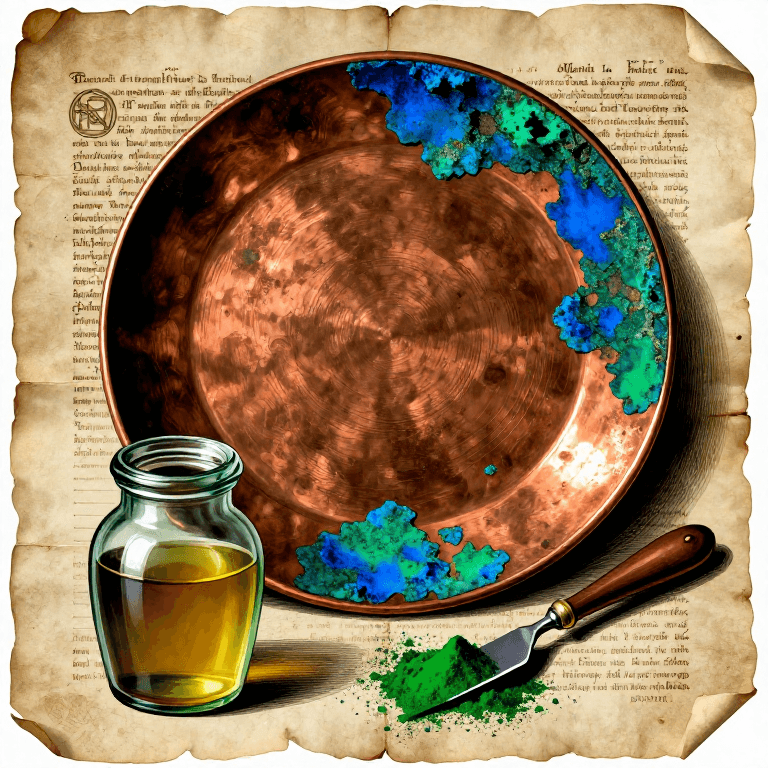
Making Verdigris — The Copper Acetate Green of Medieval Painters
ni Charlie
SINING
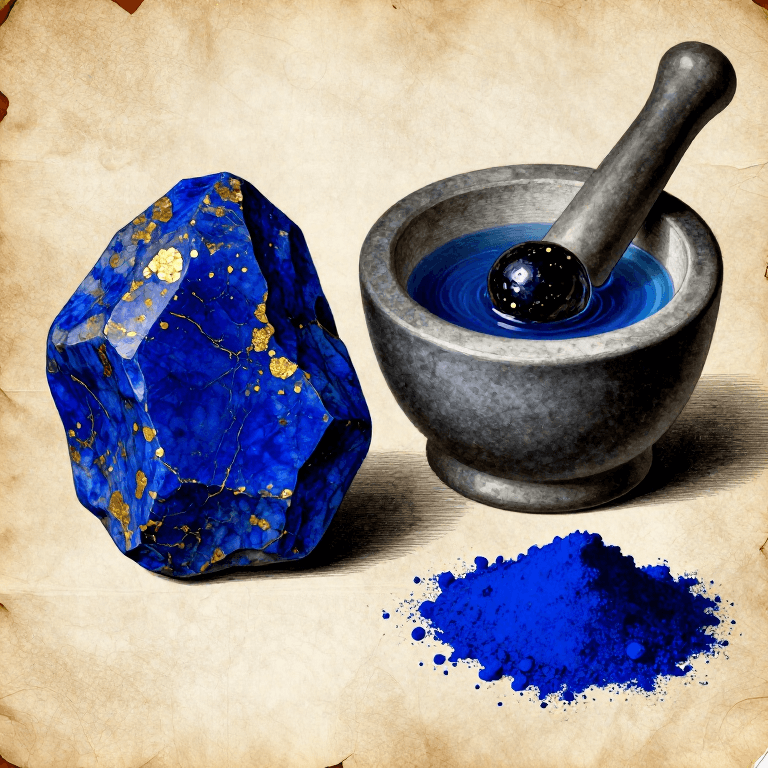
Making Ultramarine from Lapis Lazuli — Extracting the Most Precious Pigment in History
ni Charlie
SINING
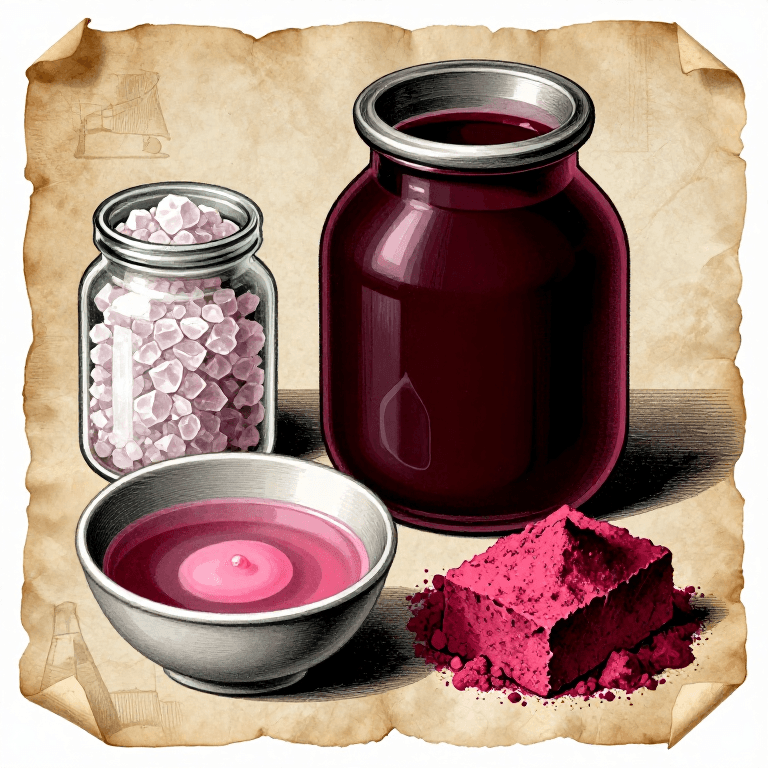
Making a Lake Pigment from Plant Dye — Precipitating Soluble Colour onto an Insoluble Substrate
ni Charlie
SINING
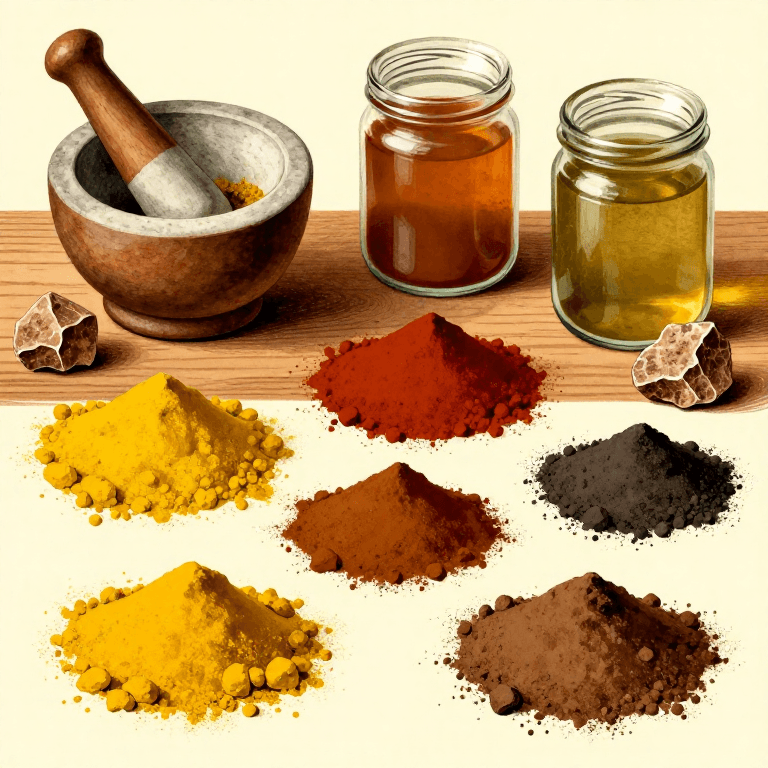
Making Natural Earth Pigments from Soil and Rocks — Collecting and Processing
ni Mary
SINING
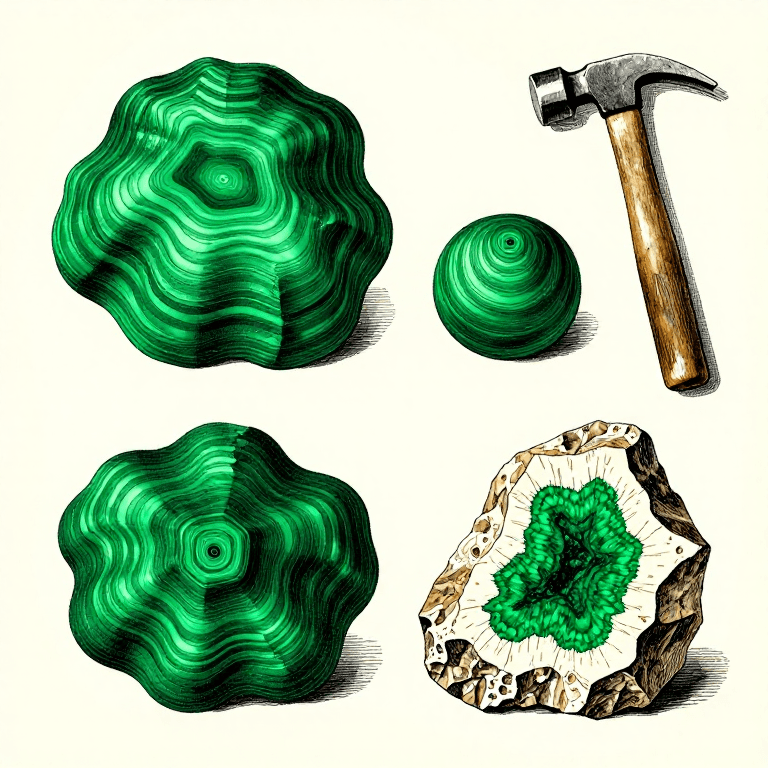
Identifying and Collecting Malachite — Copper Carbonate Ore from the Earth
ni Peter
Paggawa ng Metal
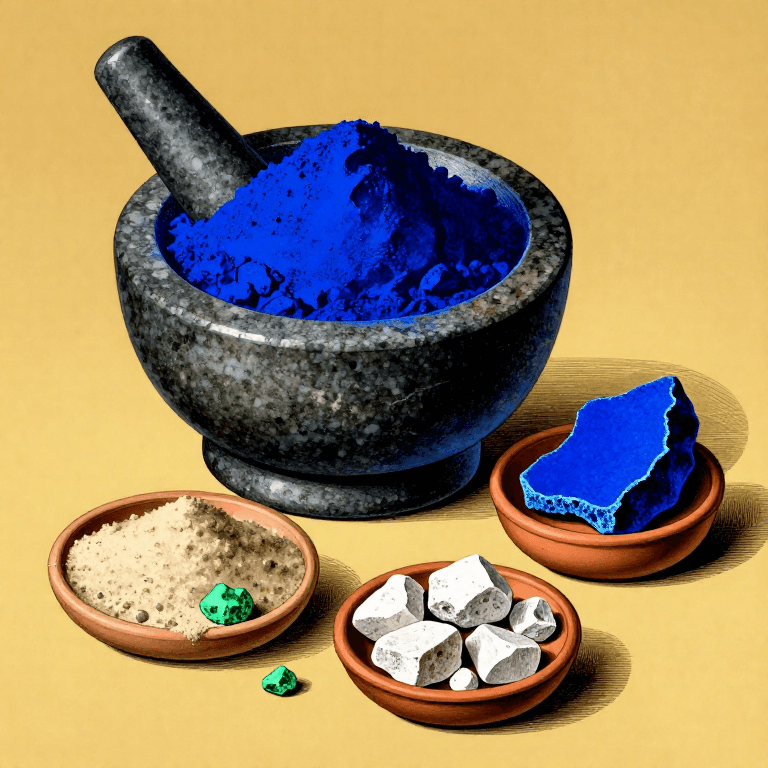
Egyptian Blue Pigment — Grinding Egyptian Blue from Copper Silicate
ni Charlie
Kemistri
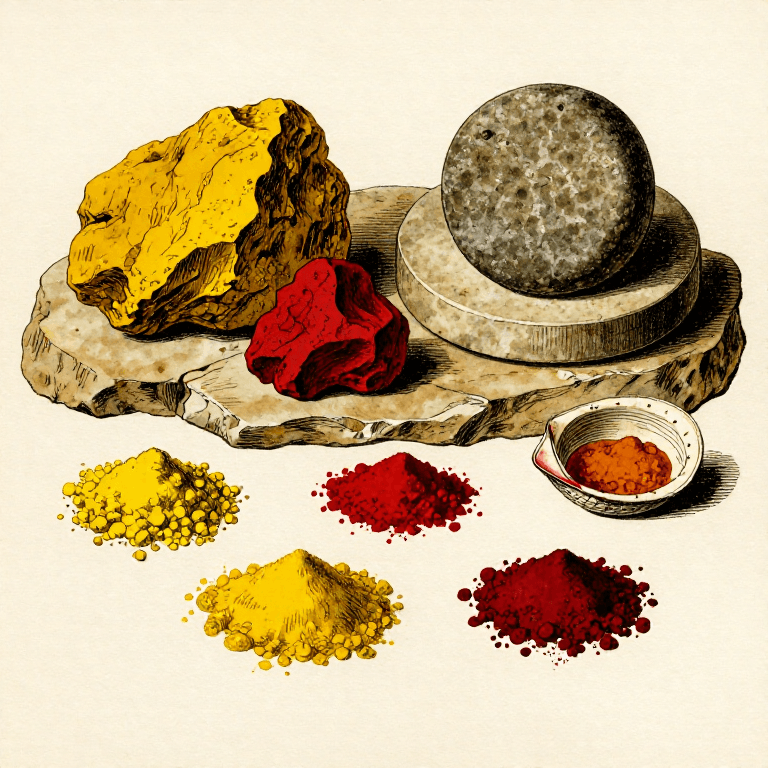
Preparing Ochre Pigment for Cave Painting — Mineral Processing
ni Charlie
Kemistri
CC0 Pampublikong Domain
Ang blueprint na ito ay inilabas sa ilalim ng CC0. Malaya kang kumopya, magbago, mamahagi, at gumamit nang walang pahintulot.
Suportahan ang Maker sa pamamagitan ng pagbili ng mga produkto sa kanilang Blueprint Komisyon ng Maker itinakda ng mga Vendor, o lumikha ng bagong bersyon ng Blueprint na ito at isama bilang koneksyon sa iyong Blueprint upang ibahagi ang kita.