SINING
BEAUTY AT WELLNESS
CRAFTS
KULTURA AT KASAYSAYAN
LIBANGAN
KAPALIGIRAN
PAGKAIN AT INUMIN
REVERSE ENGINEERING
AGHAM
ISPORTS
TEKNOLOHIYA
MGA WEARABLE
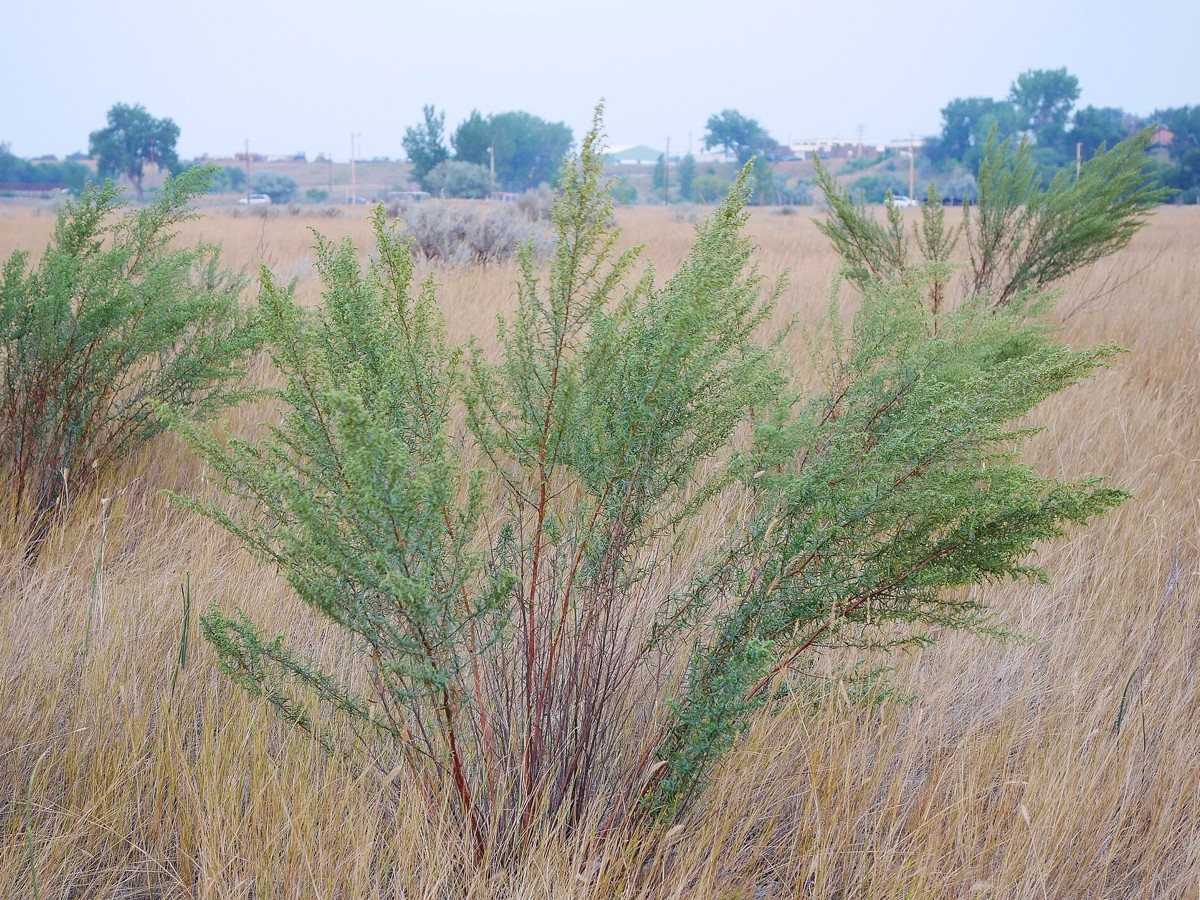


Mugwort Leaves and Tops: Wild Tarragon Cut in Flower, Hung Top Downward to Dry (Densmore, 1928; Britton & Brown, 1913)
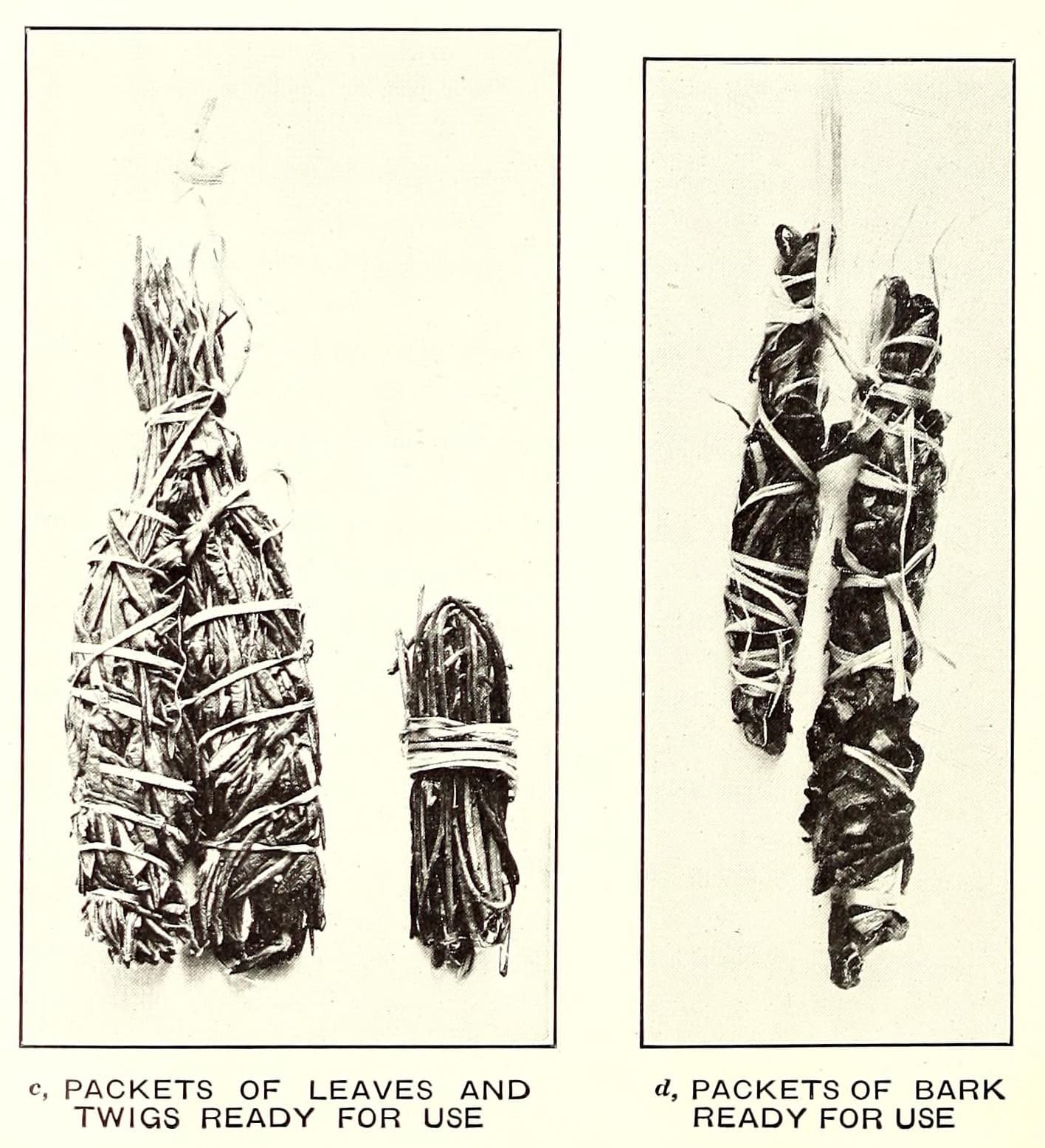
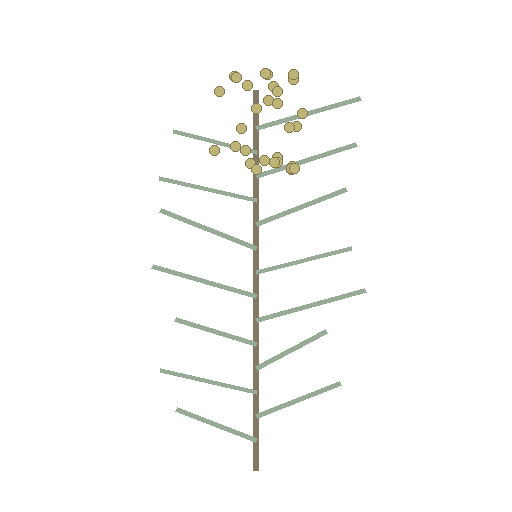
The leaves and flowering tops of the plant Densmore called mugwort, Artemisia dracunculoides (today included in tarragon, Artemisia dracunculus), as the Chippewa kept them: cut in flower, hung top downward to dry, kept clean and wrapped. Densmore records them dried and steeped for chronic dysentery.
Baguhan
An hour to cut, one to two weeks to dry
Mga Tagubilin
1
1
Tarragon
Tarragon
Garden tarragon, the same species, here grown and cut (Grow Plants).
2
2
Know the plant
Know the plant
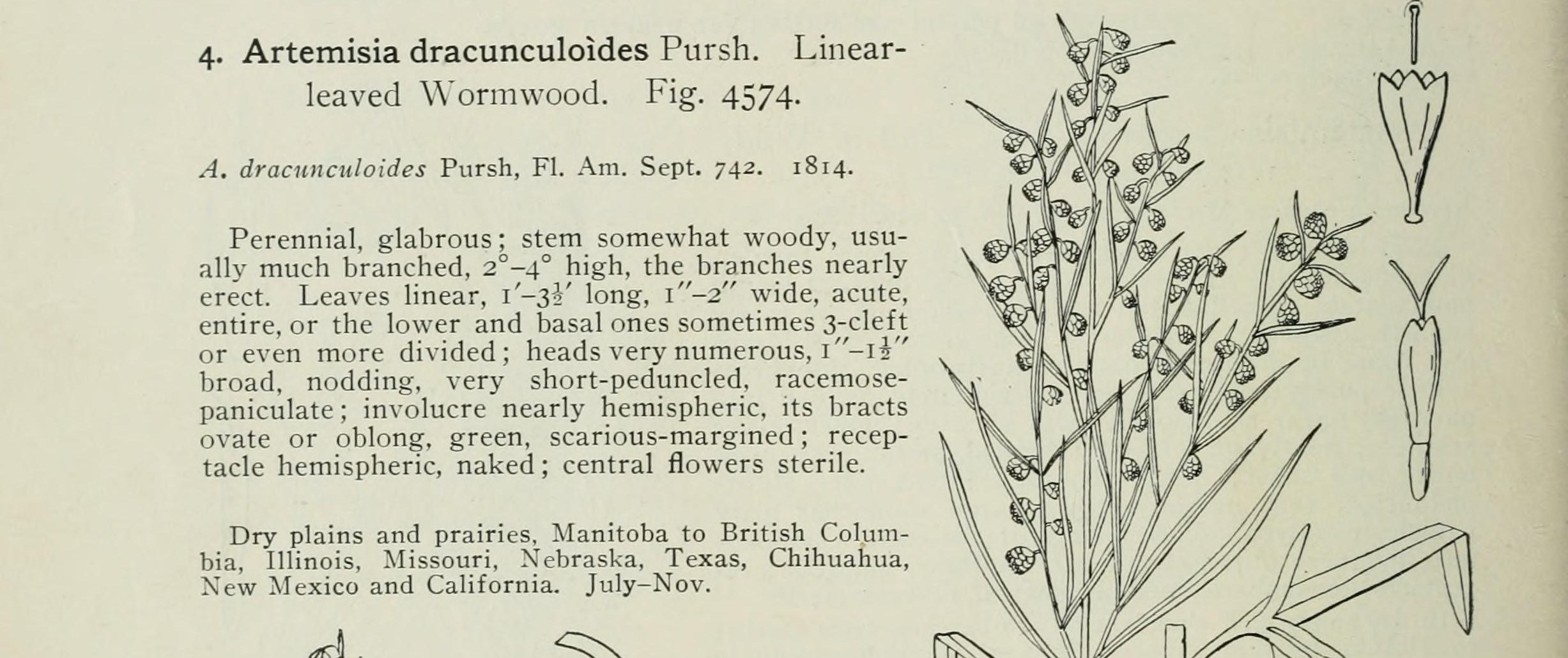
Britton and Brown (1913, vol. III, p. 524), Artemisia dracunculoides, Linear-leaved Wormwood: perennial, smooth, the stem somewhat woody and much branched, 2 to 4 feet; leaves linear, 1 to 3½ inches long, entire, the lower ones sometimes three-cleft; very many small nodding flower heads in a long branched cluster; dry plains and prairies, July-November. Kew's Plants of the World Online treats the name as a synonym of tarragon, Artemisia dracunculus.
3
3
What the tops are for
What the tops are for
Densmore (1928, pp. 344-345), for dysentery: mugwort, "(flowering plant)", part used "Leaves and top", "Dried and steeped", taken internally. "This was used for chronic dysentery."

4
4
Cut the tops
Cut the tops
Densmore's remedy uses the flowering plant: cut the leafy tops when the heads are in flower, from July on (Britton and Brown), leaving the woody base (ours).
Mga kailangang kasangkapan:
 Kutsilyo
5
5
Hang top downward to dry
Hang top downward to dry
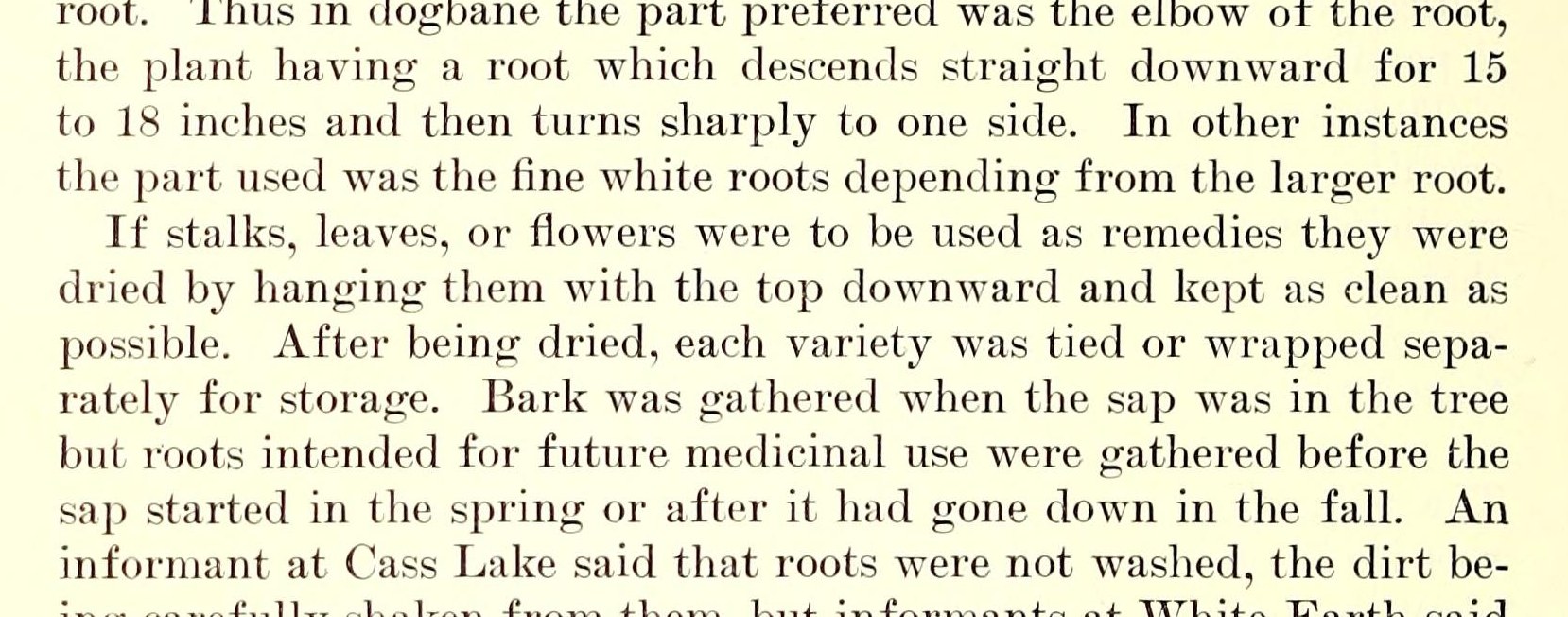
Densmore (p. 326): stalks, leaves and flowers "were dried by hanging them with the top downward and kept as clean as possible." Tie small bunches and hang them in a dry, airy place (ours).
Mga kailangang kasangkapan:
 Pisi ng Bulak
6
6
Wrap separately and bag
Wrap separately and bag
"After being dried, each variety was tied or wrapped separately for storage" (p. 326). Keep the bundles in a bag.
Mga kailangang kasangkapan:
Pisi ng Bulak Supot na lino
7
7
Prepare for use
Prepare for use
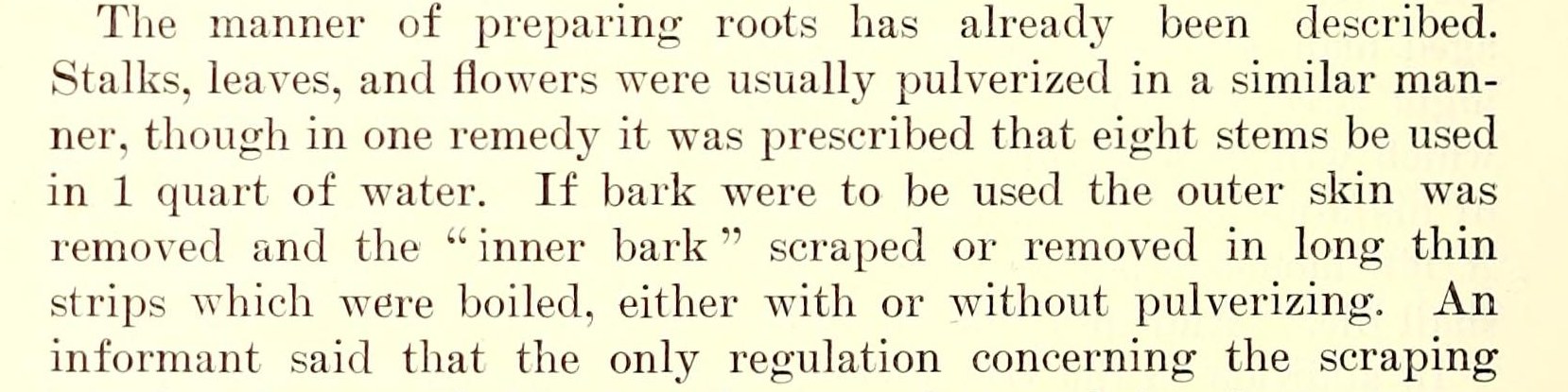
Densmore (p. 328): "Stalks, leaves, and flowers were usually pulverized" like roots; a mortar works too (ours).
Mga kailangang kasangkapan:
 Almires at Panghalo
8
8
Troubleshooting
Troubleshooting
Problems and fixes.
Flow
Loading...
9
9
Sources and honest limits
Sources and honest limits
Frances Densmore, Uses of Plants by the Chippewa Indians (1928), pp. 326, 328 and 344-345; N. L. Britton and A. Brown, An Illustrated Flora of the Northern United States, vol. III (1913), p. 524; Plants of the World Online (Kew), Artemisia dracunculoides Pursh. The knife, drying screen, twine and mortar are ours. Be sure of the plant before cutting, and take only where it is plentiful and allowed. The cover shows wild tarragon on the prairie in north-east Montana (Thayne Tuason, CC BY-SA 4.0, Wikimedia Commons). Not made by us yet.
Mga Kinakailangang Kasangkapan
4- Placeholder
- Placeholder
- Placeholder
- Placeholder
Mga Materyales ng Nakakonektang Blueprint
Ang blueprint na ito ay gumagawa ng
CC0 Pampublikong Domain
Ang blueprint na ito ay inilabas sa ilalim ng CC0. Malaya kang kumopya, magbago, mamahagi, at gumamit nang walang pahintulot.
Suportahan ang Maker sa pamamagitan ng pagbili ng mga produkto sa kanilang Blueprint Komisyon ng Maker itinakda ng mga Vendor, o lumikha ng bagong bersyon ng Blueprint na ito at isama bilang koneksyon sa iyong Blueprint upang ibahagi ang kita.