

Parity Check
Mga Tagubilin
Add a parity bit
Add a parity bit
One extra bit that makes the count come out even.
- Write a seven-bit binary value.
- Count the 1s.
- Append a 0 if that count is already even, a 1 if it is odd.
Mga materyales para sa hakbang na ito:
 Graph Paper1 pad
 Graphite Pencil Set1 set
Corrupt it and get caught
Corrupt it and get caught
Play sender and attacker.
- Hand a parity-protected block to someone else.
- Have them flip exactly one bit, anywhere, without telling you which.
- Count the 1s.
Find both blind spots
Find both blind spots
Attack it deliberately, as with casting out nines.
- Flip TWO bits and re-count.
- Note the parity is correct again and the error is invisible.
- Also note that with a single detected error you cannot say WHICH bit is wrong.
Go two-dimensional and correct the error
Go two-dimensional and correct the error
Now make it locate the fault, not just report it.
- Lay 16 bits out in a 4×4 grid.
- Add a parity bit to each row and to each column.
- Have someone flip one bit; check every row and every column.
Mga materyales para sa hakbang na ito:
 Cardstock Assorted Pack (50 Sheets)1 pakete
History and context
History and context
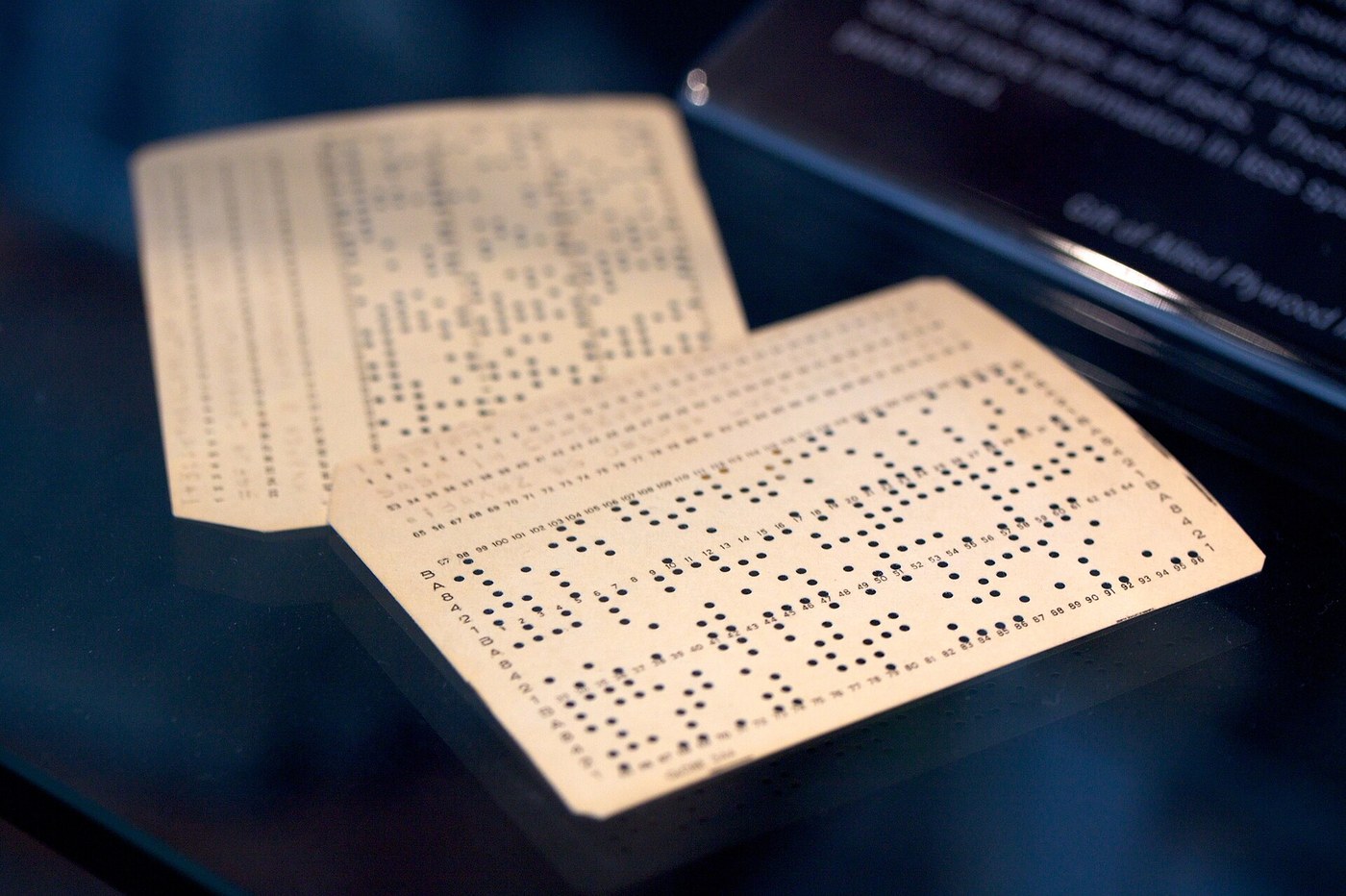
Parity is as old as the machines that needed it. Early relay and valve computers were unreliable enough that checking mattered constantly, and parity bits were used in punched tape, magnetic tape and memory from the beginning.
Richard Hamming's frustration is the founding story of the field. Working at Bell Labs in the 1940s, he ran jobs on a relay machine over the weekend with no operators present; the machine would detect a parity error, give up, and drop the job, so he would return on Monday to nothing. His response — if it can detect the error, why can it not fix it — produced the Hamming code in 1950, which locates and corrects single-bit errors using cleverly overlapping parity checks rather than a full grid.
Where it goes from there: Reed-Solomon codes handle bursts of errors and are why a scratched CD still plays and why QR codes survive being partly obscured. Deep space probes use codes so strong that data arrives intact from billions of kilometres at signal levels barely above noise — Voyager's pictures reached Earth because of error correction, not despite the distance.
The general principle is worth naming because it recurs far outside computing: deliberately adding structured redundancy makes corruption detectable, and adding enough of it makes corruption repairable. The cost is always bandwidth or storage, and the design question is always how much error you expect and how expensive a retransmission would be.
Mga Materyales
3- 1 padPlaceholder
- 1 setPlaceholder
- 1 paketePlaceholder
Kaugnay na Blueprint
Ang mga blueprint na ito ay nagbabahagi ng kaalaman — mga teknik, materyales, o prinsipyo
CC0 Pampublikong Domain
Ang blueprint na ito ay inilabas sa ilalim ng CC0. Malaya kang kumopya, magbago, mamahagi, at gumamit nang walang pahintulot.
Suportahan ang Maker sa pamamagitan ng pagbili ng mga produkto sa kanilang Blueprint Komisyon ng Maker itinakda ng mga Vendor, o lumikha ng bagong bersyon ng Blueprint na ito at isama bilang koneksyon sa iyong Blueprint upang ibahagi ang kita.