SINING
BEAUTY AT WELLNESS
CRAFTS
KULTURA AT KASAYSAYAN
LIBANGAN
KAPALIGIRAN
PAGKAIN AT INUMIN
REVERSE ENGINEERING
AGHAM
ISPORTS
TEKNOLOHIYA
MGA WEARABLE
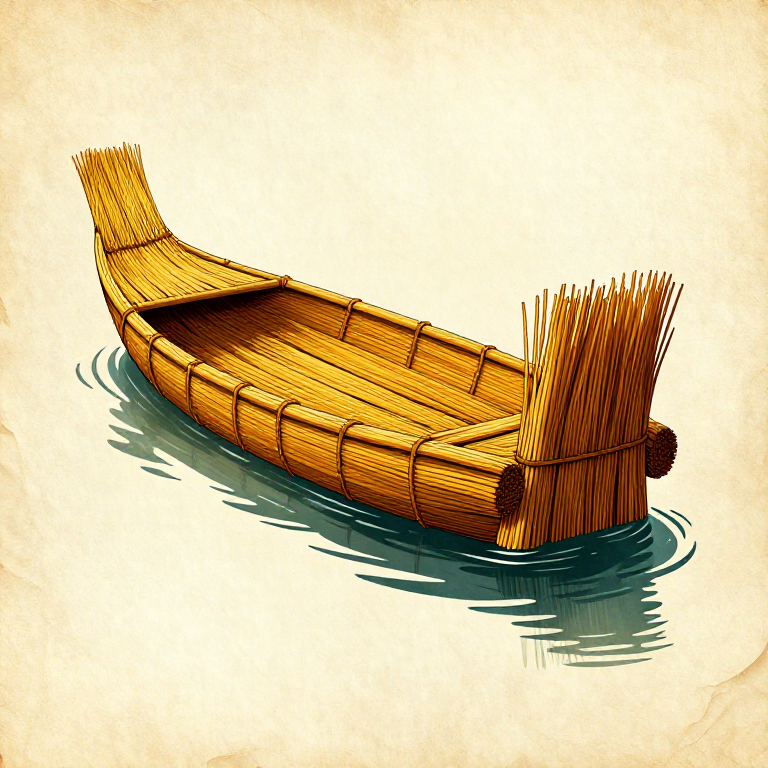


Building a Reed Bundle Raft — Buoyant Watercraft from Wetland Plants
The reed bundle raft is one of the oldest watercraft designs, used by cultures worldwide wherever large reeds or bulrushes grow near water. The totora reed boats of Lake Titicaca, the papyrus boats of ancient Egypt, and the tule balsa rafts of Native California all use the same principle: bundles of dried reeds lashed tightly together contain enough trapped air to support a person's weight. Reeds are naturally buoyant because their stems are filled with a spongy aerenchyma tissue. A well-built reed raft can carry 200-400 kg depending on size. The craft is simple to build, requires no metal tools, and the materials grow abundantly in any wetland. The main limitation is lifespan — waterlogged reeds eventually lose buoyancy after 2-4 weeks of continuous use.
Katamtaman
4-6 hours
Mga Tagubilin
1
1
Harvest Reeds
Harvest Reeds
Harvest large quantities of bulrush, cattail, or tule reeds — each stalk should be 2+ metres long.
Mga materyales para sa hakbang na ito:
 Tuyong tambo100 piraso
2
2
Dry the Reeds
Dry the Reeds
Spread the reeds on dry ground and let them dry for 1-2 weeks until they feel light and stiff.
3
3
Sort by Length
Sort by Length
Sort dried reeds by length into matching groups.
4
4
Form the First Bundle
Form the First Bundle
Form the first bundle: gather a tight armload of reeds (30-40cm diameter) and bind at 3-4 points along its length with strong cordage.
Mga materyales para sa hakbang na ito:
 Lubid5 piraso
5
5
Taper Both Ends
Taper Both Ends
Taper both ends of the bundle by using progressively shorter reeds at the outsides — this creates a pointed bow and stern.
6
6
Make a Second Bundle
Make a Second Bundle
Make a second identical bundle.
7
7
Lash the Bundles Together
Lash the Bundles Together
Lash the two bundles side by side with cross-lashings every 30-40cm, pulling the bundles as tight as possible.
8
8
Check the Width
Check the Width
The raft should be wider than the paddler's hips (80-120cm total width).
9
9
Optional: Add a Deck Bundle
Optional: Add a Deck Bundle
Optional: add a third smaller bundle on top between the two main bundles to create a raised deck.
10
10
Prepare a Paddle
Prepare a Paddle
Tie a paddle or pole before launching.
11
11
Test in Shallow Water
Test in Shallow Water
Test in shallow water first — the raft should sit with the top surface above waterline with the paddler aboard.
12
12
Store Out of Water
Store Out of Water
Keep the raft stored out of water when not in use to extend lifespan.
Mga Materyales ng Nakakonektang Blueprint
Kaugnay na Blueprint
Ang mga blueprint na ito ay nagbabahagi ng kaalaman — mga teknik, materyales, o prinsipyo



CC0 Pampublikong Domain
Ang blueprint na ito ay inilabas sa ilalim ng CC0. Malaya kang kumopya, magbago, mamahagi, at gumamit nang walang pahintulot.
Suportahan ang Maker sa pamamagitan ng pagbili ng mga produkto sa kanilang Blueprint Komisyon ng Maker itinakda ng mga Vendor, o lumikha ng bagong bersyon ng Blueprint na ito at isama bilang koneksyon sa iyong Blueprint upang ibahagi ang kita.