SINING
BEAUTY AT WELLNESS
CRAFTS
KULTURA AT KASAYSAYAN
LIBANGAN
KAPALIGIRAN
PAGKAIN AT INUMIN
REVERSE ENGINEERING
AGHAM
ISPORTS
TEKNOLOHIYA
MGA WEARABLE
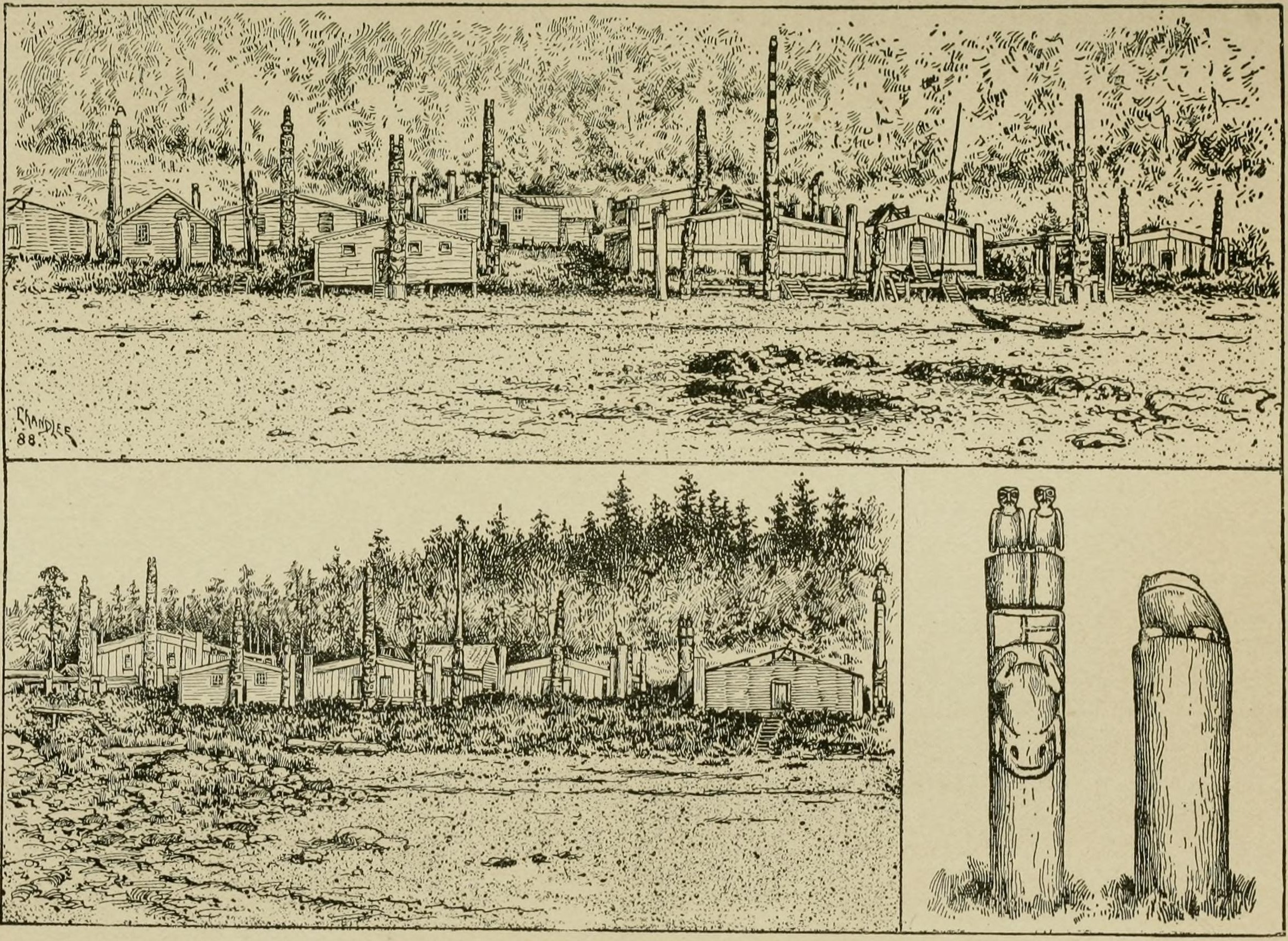


Totem Pole of the Haida, Tlingit and Tsimshian: Cedar Log Adzed, Relief-Carved with Crests, Painted and Raised on Guys (Niblack, 1890)
How the Haida, Tlingit and Tsimshian made the carved crest columns we call totem poles, as Albert Niblack recorded them around 1888: a cedar log got out of the forest and hauled up on skids, adzed smooth, relief-carved with the owner's clan crest at the top and his wife's crest and family legends below, painted with ochre or lignite ground with salmon eggs, and raised with poles, props and rope guys into a deep hole at a potlatch.
Abantado
Months to years
Mga Tagubilin
1
1
Read Niblack
Read Niblack
"These are the very tall ones erected in front of the houses, and are generally surmounted by the clan-totem of the chief occupant."
2
2
Plan the crests
Plan the crests
The column tells whose it is: the owner's clan crest at the top (among the Tlingit often the phratry crest, with clan crests below), his wife's crest, which is also his children's, below it, or a family legend tied to his crest. The figures are the owner's own; carve your own family's story, not a copy of someone else's pole (ours).
3
3
Get out the log
Get out the log
Fell a large, straight cedar (ours: western red cedar). Split off what is not wanted with wedges and get the timber out in the rough in the forest, then tow or haul it to the site and lift it onto skids.
Mga materyales para sa hakbang na ito:
 Troso ng pulang cedar1 piraso
Mga kailangang kasangkapan:
 Palakol
 Mga kalang kahoy
 Kahoy na Pamukpok
 Lubid
 Poste na kahoy
4
4
Smooth the log
Smooth the log
On the skids, smooth-finish the log with the adze. The old blades were green jade-like stone; in Niblack's day the favourite was the end of a broad flat file ground sharp and hafted.
Mga kailangang kasangkapan:
 Daras
5
5
Carve in relief
Carve in relief
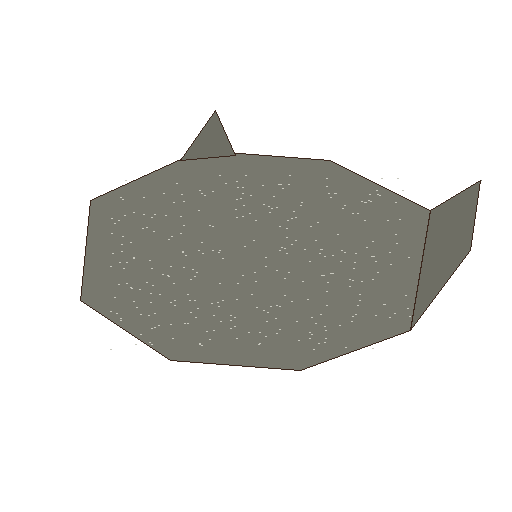
Carve the crests in relief: rough down the surface with the chisel and adze, then smooth by scraping with sharp-edged shells or stones, or rub with dogfish skin for a finished surface. The carving was done by the owner if he was expert, or by carvers he hired.
Mga materyales para sa hakbang na ito:
 Balat ng dogfish1 piraso
Mga kailangang kasangkapan:
Daras Set ng pait para sa kahoyKahoy na Pamukpok
6
6
Grind the paint and paint
Grind the paint and paint
Grind red or brown ochre, charcoal or lignite in a stone mortar. For a lasting black on wood, grind lignite dry with salmon eggs first chewed with cedar bark: it gives the paint body and makes it stick. Paint the figures with hair or fibre brushes (in older times columns were simply daubed with ochre).
Mga materyales para sa hakbang na ito:
 Hilaw na okre1 piraso
 Uling1 piraso
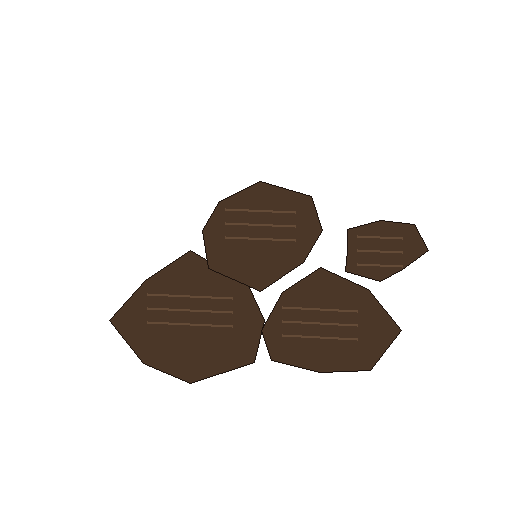 Lignite1 piraso
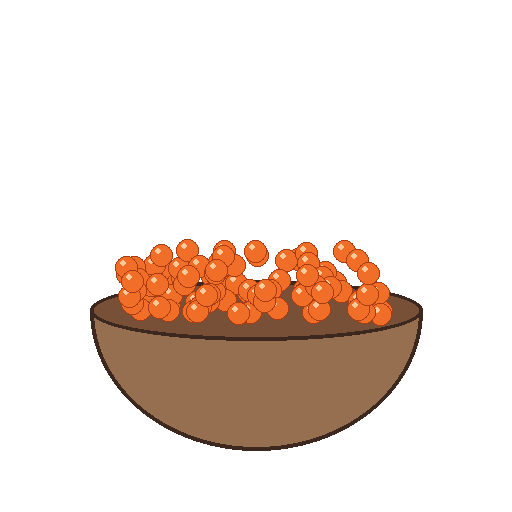 Itlog ng salmon1 piraso
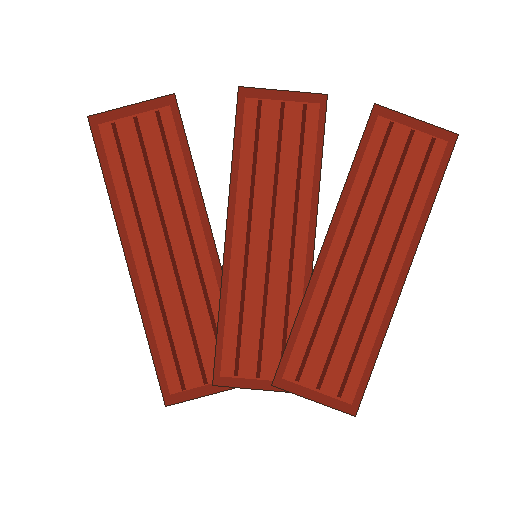 Panloob na balat ng pulang cedar1 piraso
Mga kailangang kasangkapan:
 Batong Almires at Panghalo
 Mga pinong pinsel
7
7
Raise the column
Raise the column
Dig a deep hole in front of the house (ours: about a fifth of the pole's length, and well clear of the house front unless you are making a Haida doorway pole). Raise the column with poles, props and rope guys, many people pulling together, set its foot in the hole and pack it firm.
Mga kailangang kasangkapan:
 PalaLubidPoste na kahoy
8
8
Troubleshooting
Troubleshooting
Totem pole troubleshooting.
Flow
Loading...
9
9
History and honest limits
History and honest limits
From Albert P. Niblack, *The Coast Indians of Southern Alaska and Northern British Columbia*, **Report of the U.S. National Museum for 1888** (1890), pp. 279-282, 307-309, 319-320, 324 and Plate II (checked on the archive.org scan coastindiansofso00nibl). Among the Haida the column usually stood against the house with the doorway cut through it about three feet up; others stood a few feet in front. Raising was a potlatch: feasting, dancing and gifts, the work itself a small part of the time. Only the wealthy could afford one. Niblack gives no sizes or carving order: species, sizes, hole depth and the order of work are ours.
Mga Materyales
7- 1 pirasoPlaceholder
- 1 pirasoPlaceholder
- 1 pirasoPlaceholder
- 1 pirasoPlaceholder
- 1 pirasoPlaceholder
- 1 pirasoPlaceholder
- 1 pirasoPlaceholder
Mga Kinakailangang Kasangkapan
10- Placeholder
- Placeholder
- Placeholder
- Placeholder
- Placeholder
- Placeholder
- Placeholder
- Placeholder
- Placeholder
- Placeholder
Ang blueprint na ito ay gumagawa ng
Kaugnay na Blueprint
Ang mga blueprint na ito ay nagbabahagi ng kaalaman — mga teknik, materyales, o prinsipyo

CC0 Pampublikong Domain
Ang blueprint na ito ay inilabas sa ilalim ng CC0. Malaya kang kumopya, magbago, mamahagi, at gumamit nang walang pahintulot.
Suportahan ang Maker sa pamamagitan ng pagbili ng mga produkto sa kanilang Blueprint Komisyon ng Maker itinakda ng mga Vendor, o lumikha ng bagong bersyon ng Blueprint na ito at isama bilang koneksyon sa iyong Blueprint upang ibahagi ang kita.