SINING
BEAUTY AT WELLNESS
CRAFTS
KULTURA AT KASAYSAYAN
LIBANGAN
KAPALIGIRAN
PAGKAIN AT INUMIN
REVERSE ENGINEERING
AGHAM
ISPORTS
TEKNOLOHIYA
MGA WEARABLE


Glass Wool
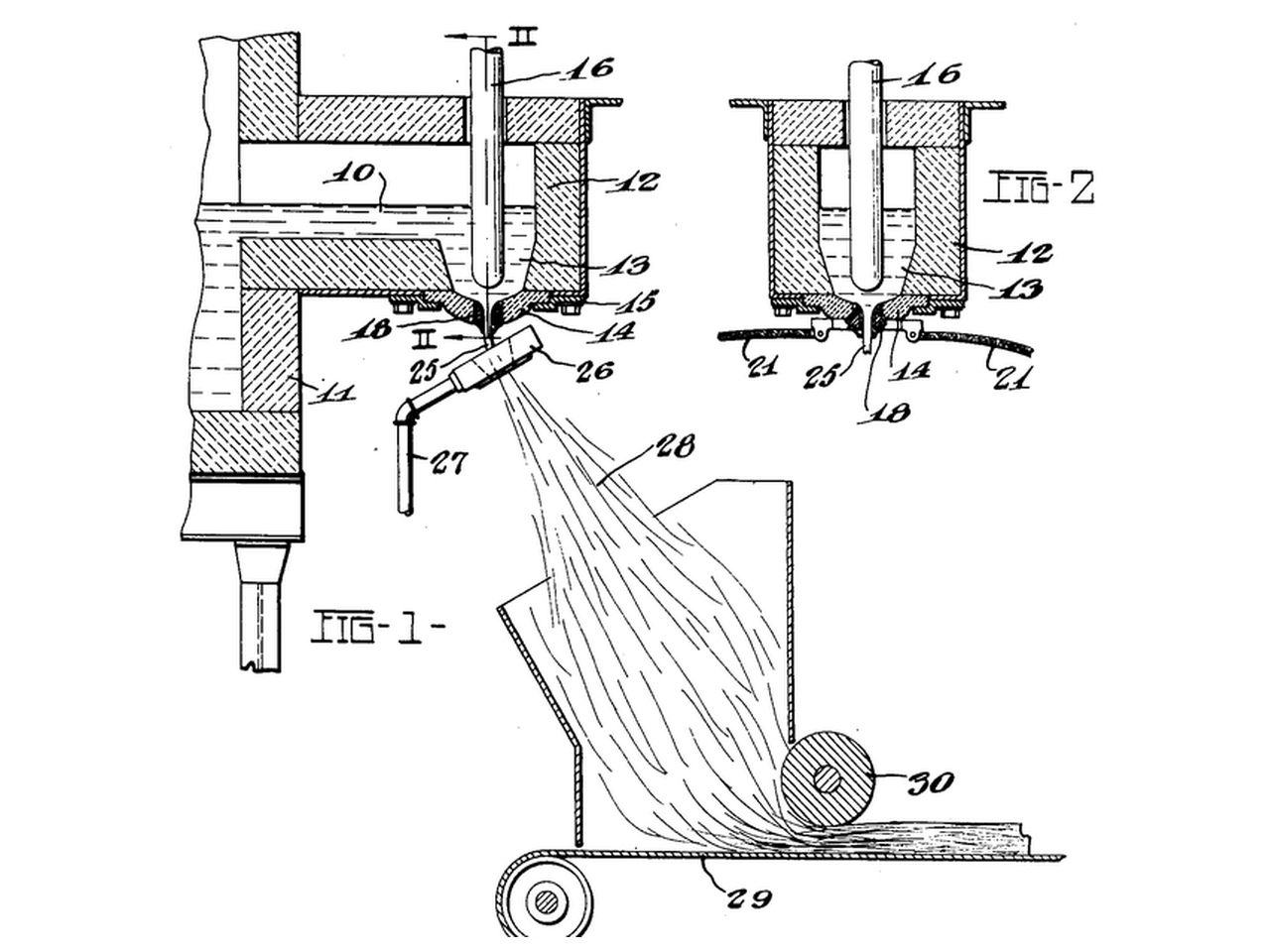
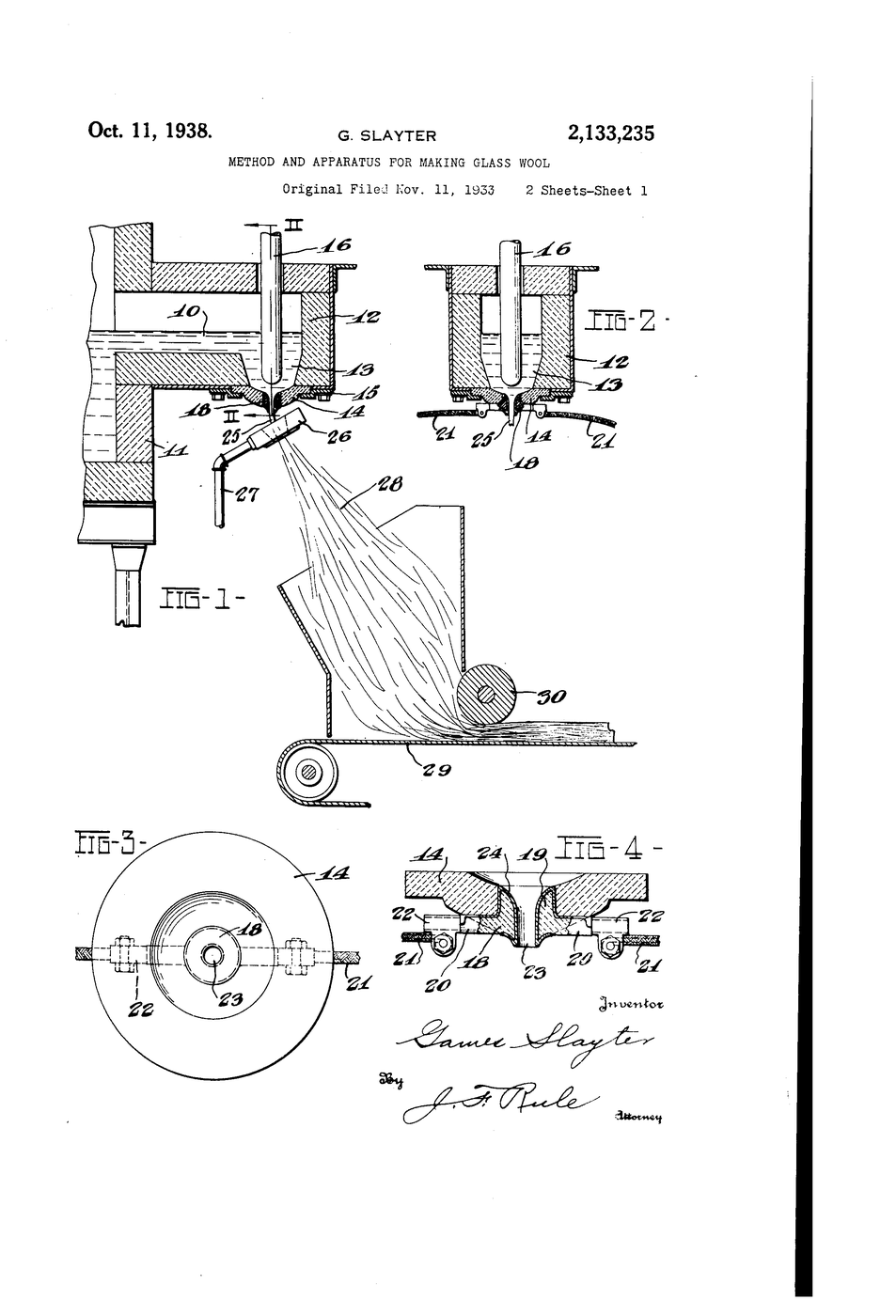
Glass wool was made before the 1930s by blowing steam at a falling thread of molten glass, but by the time the glass reached the blast it had cooled too far to draw really fine fibres. Games Slayter at Owens-Illinois brought the blast right up to the bushing the glass leaves the furnace through, while it was still at furnace heat.
**US 2,133,235**, "Method and apparatus for making glass wool", Slayter, assigned to Owens-Illinois, filed 11. November 1933, granted 11. October 1938. Its FIGURE 1 (the picture above) shows the furnace, the bushing, the steam blast and the wool piling onto a conveyor. The same work led to Owens-Corning Fiberglas in 1938.
**You measure what it is for**: three jars of hot water - bare, in glass wool, in cotton wool - logged by an Arduino, and the cooling curves turned into heat-loss figures.
Baguhan
2 hours
Mga Tagubilin
1
1
Wire the logger
Wire the logger
Probes' red to 5V, black to GND, data (yellow) together to D2, with a 4.7 kΩ resistor from D2 to 5V. Install the OneWire and DallasTemperature libraries. Warm each probe in your hand in turn to learn which index is which.
three_jar_cooling_logger.inocpp
Mga materyales para sa hakbang na ito:
 Sensor ng temperatura na DS18B203 piraso
 Kit ng Risistor1 kit
 Set ng kableng Dupont (lalaki-babae)1 set
Mga kailangang kasangkapan:
 Arduino Uno R3
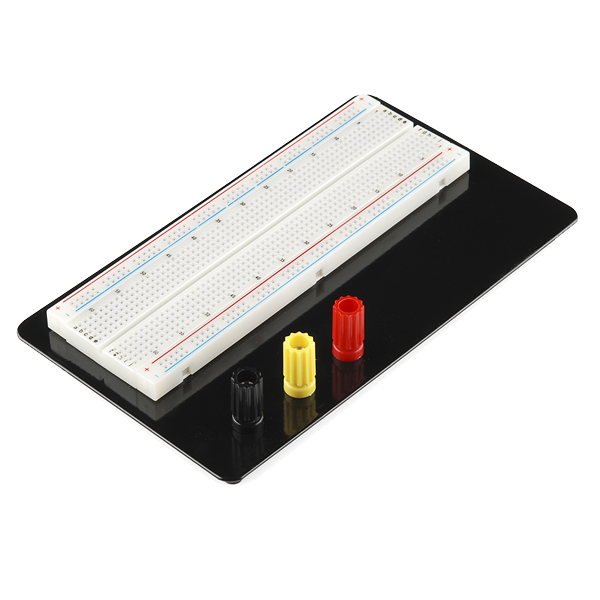 Breadboard - Classic
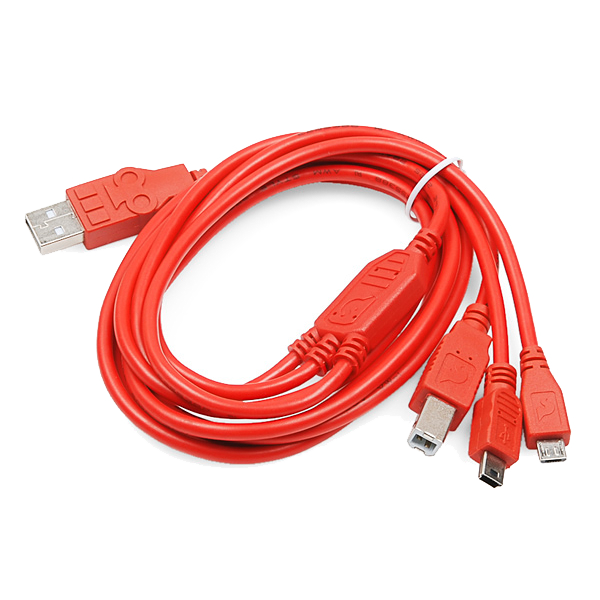 SparkFun Cerberus USB Cable - 1.8 meter
2
2
Prepare three jars
Prepare three jars
Drill a 7 mm hole in each of three identical lids. Push a probe through each so its tip sits mid-jar. Seal the hole with tape.
Mga materyales para sa hakbang na ito:
 Garapong Salamin na May Takip3 piraso
 Teyp na pantakip1 rolyo
Mga kailangang kasangkapan:
 Walang-Kableng Barena
 Hanay ng Talim ng Barena
3
3
Wrap two of them
Wrap two of them
Gloves, long sleeves, mask, glasses. Put glass wool inside a plastic bag, then wrap jar 2 in it 30 mm thick all round and under, and tape. Wrap jar 3 the same way in cotton wool. Leave jar 1 bare.
Mga materyales para sa hakbang na ito:
 Insulasyong glass wool1 rolyo
 Bulak na sumisipsip1 pakete
 Mga plastik na supot4 pirasoTeyp na pantakip1 rolyo
Mga kailangang kasangkapan:
 Guwantes na Katad Pangtrabaho
 Maskara Laban sa Alikabok
 Malinaw na Salaming Pangkaligtasan
 Gunting
4
4
Fill and log
Fill and log
Boil water. Pour 500 ml into each jar, one after another, and close the lids. Start the serial monitor and log for 90 minutes. Note the room temperature.
Mga kailangang kasangkapan:
 Electric kettle - salamin
 Silindrong may sukatan
5
5
Fit the curves
Fit the curves
Naglo-load ng Jupyter notebook…
6
6
History & Context
History & Context
**What the patent specifies:** a steam blast applied at the bushing itself, so the glass stream is drawn while still at furnace temperature, giving very fine wool. **Modern build (derived):** commercial glass-wool insulation, handled wrapped.
Continuous glass filament for textiles and reinforcement followed from the same laboratory. Its limits: loose fibres irritate skin, eyes and lungs, so it is always handled covered, and like any fibrous insulation it loses most of its value when wet or compressed.
Mga Materyales
8- 3 pirasoPlaceholder
- Placeholder
- Placeholder
- 3 pirasoPlaceholder
- 2 rolyoPlaceholder
- 1 rolyoPlaceholder
- 1 paketePlaceholder
- 4 pirasoPlaceholder
Mga Kinakailangang Kasangkapan
11- 1 vendor sell this, none ship to you yetPlaceholder
- Breadboard - Classic10% komisyon$9.46
- SparkFun Cerberus USB Cable - 1.8 meter10% komisyon$5.66
- 1 vendor sell this, none ship to you yetPlaceholder
- Placeholder
- Placeholder
- Placeholder
- Placeholder
- Placeholder
- Placeholder
- Placeholder
Kaugnay na Blueprint
Ang mga blueprint na ito ay nagbabahagi ng kaalaman — mga teknik, materyales, o prinsipyo
CC0 Pampublikong Domain
Ang blueprint na ito ay inilabas sa ilalim ng CC0. Malaya kang kumopya, magbago, mamahagi, at gumamit nang walang pahintulot.
Suportahan ang Maker sa pamamagitan ng pagbili ng mga produkto sa kanilang Blueprint Komisyon ng Maker itinakda ng mga Vendor, o lumikha ng bagong bersyon ng Blueprint na ito at isama bilang koneksyon sa iyong Blueprint upang ibahagi ang kita.