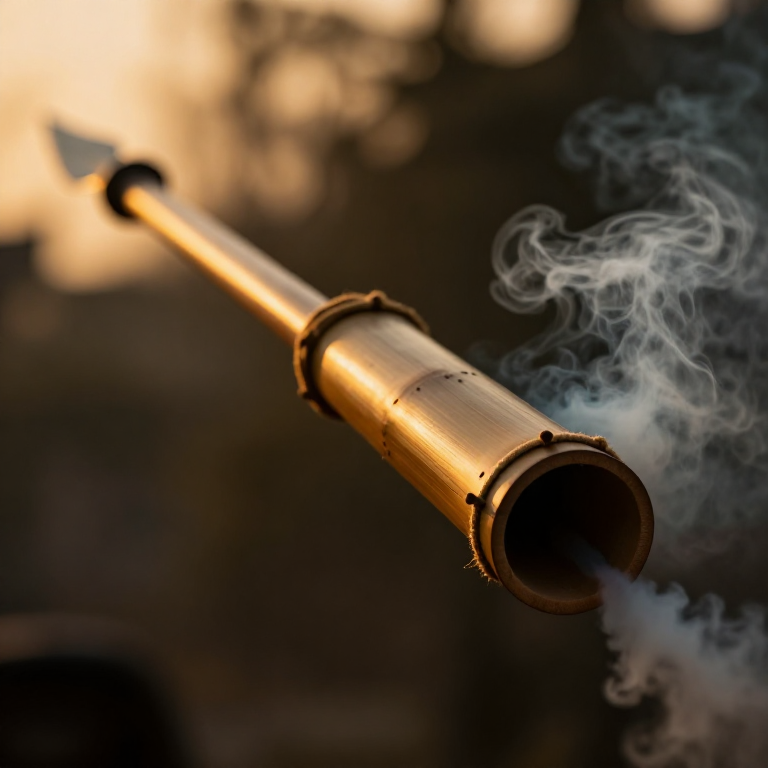

Building a Song Dynasty Fire Lance — The World's First Gunpowder Weapon
The fire lance (火槍, huǒ qiāng) is the ancestor of every firearm ever made. First documented in Chinese military manuals around 950-1000 AD during the Song dynasty, it was created by attaching a gunpowder-filled tube to the end of a spear. When ignited, the tube erupted in a jet of flame, hot gas, and shrapnel that could reach 3-5 meters — terrifying cavalry charges and demoralizing enemy infantry.
Chinese alchemists had been experimenting with saltpeter mixtures since the 9th century, originally seeking an elixir of immortality. What they found instead was the opposite — a formula for destruction. The earliest military manual to record gunpowder formulas, the Wujing Zongyao (武经总要, 1044 AD), describes several fire lance configurations: some designed purely for flame projection, others packed with iron filings, broken porcelain, or small stones as proto-shrapnel.
The fire lance represents the critical transition point in human innovation: the moment chemistry left the laboratory and entered the battlefield. Within two centuries, the bamboo tube would be replaced by bronze and iron barrels, the shrapnel would become bullets, and the fire lance would evolve into the gun — changing warfare, politics, and the balance of power across civilizations forever.
Mapanganib na nilalaman
Ang blueprint na ito ay naglalaman ng mga mapanganib na proseso. Mag-log in at i-enable ang mapanganib na nilalaman sa iyong account settings upang makita ang step-by-step na mga tagubilin.
Kaugnay na Blueprint
Ang mga blueprint na ito ay nagbabahagi ng kaalaman — mga teknik, materyales, o prinsipyo
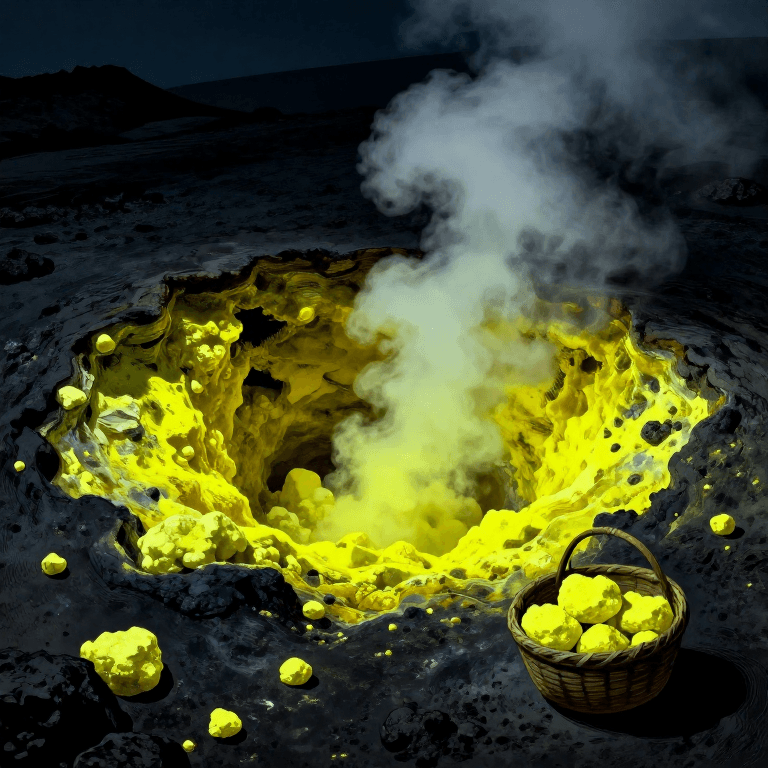
Collecting Native Sulfur from Volcanic Deposits
ni Peter
Disyerto
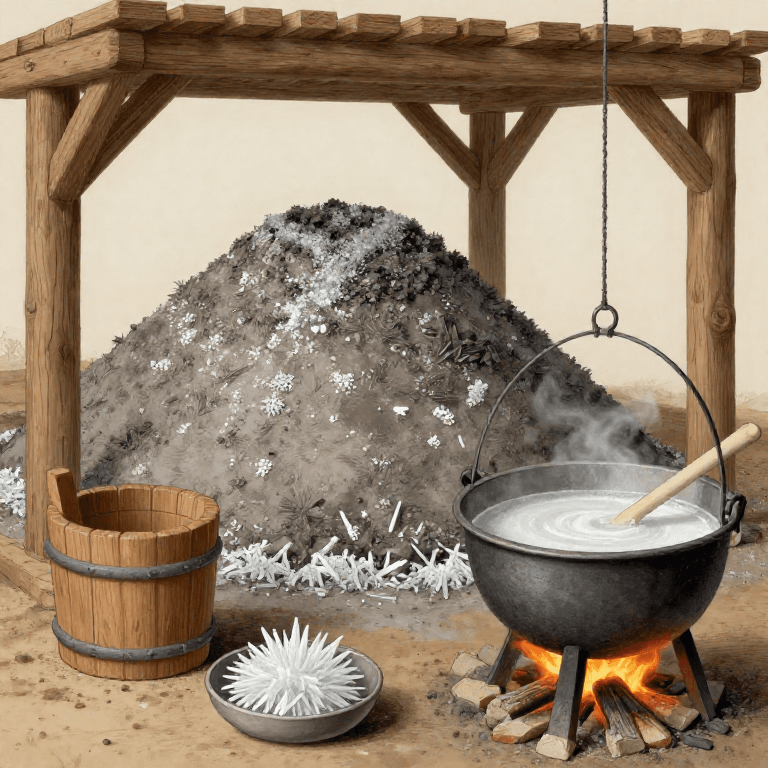
Growing Saltpeter from Niter Beds — The Explosive Element in Every Living Thing
ni Peter
Sinauna
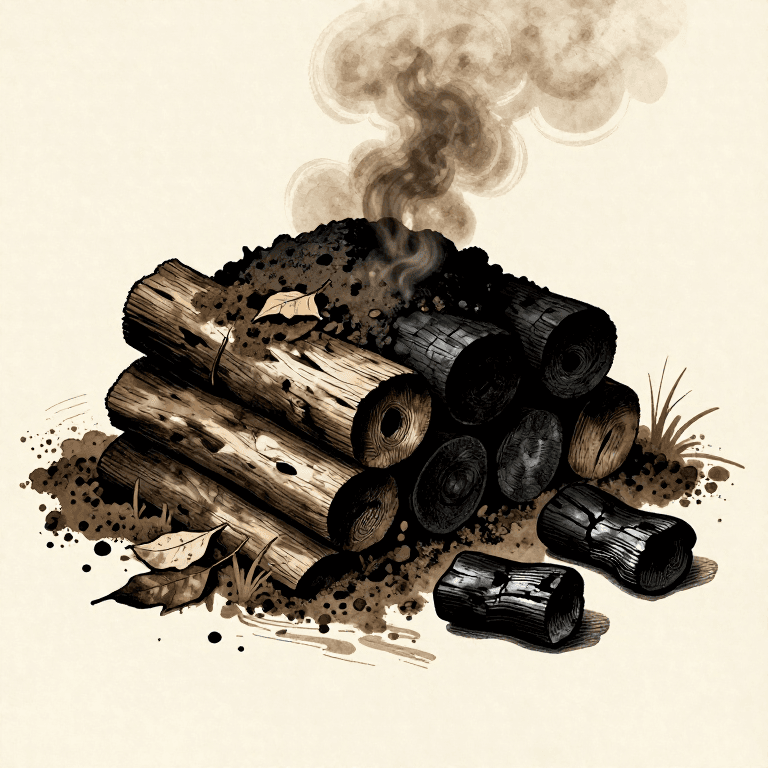
Making Charcoal from Hardwood — Pyrolysis in a Pit Kiln
ni Charlie
Kemistri
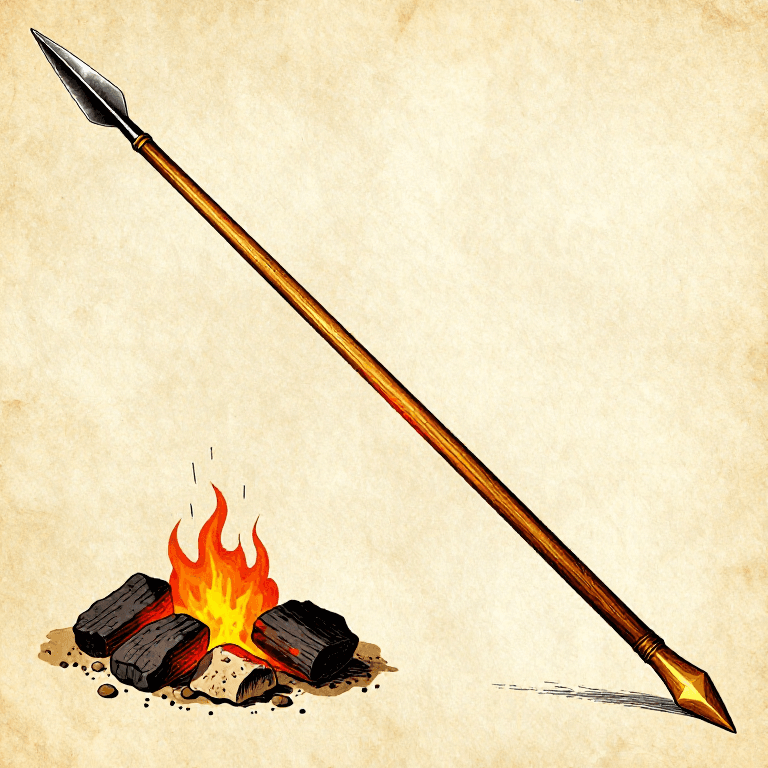
Making a Fire-Hardened Hunting Spear — The Oldest Weapon
ni Spartan
Mga Sandata
CC0 Pampublikong Domain
Ang blueprint na ito ay inilabas sa ilalim ng CC0. Malaya kang kumopya, magbago, mamahagi, at gumamit nang walang pahintulot.
Suportahan ang Maker sa pamamagitan ng pagbili ng mga produkto sa kanilang Blueprint Komisyon ng Maker itinakda ng mga Vendor, o lumikha ng bagong bersyon ng Blueprint na ito at isama bilang koneksyon sa iyong Blueprint upang ibahagi ang kita.