Pakikipagtulungan
SINING
BEAUTY AT WELLNESS
CRAFTS
KULTURA AT KASAYSAYAN
LIBANGAN
KAPALIGIRAN
PAGKAIN AT INUMIN
REVERSE ENGINEERING
AGHAM
ISPORTS
TEKNOLOHIYA
MGA WEARABLE
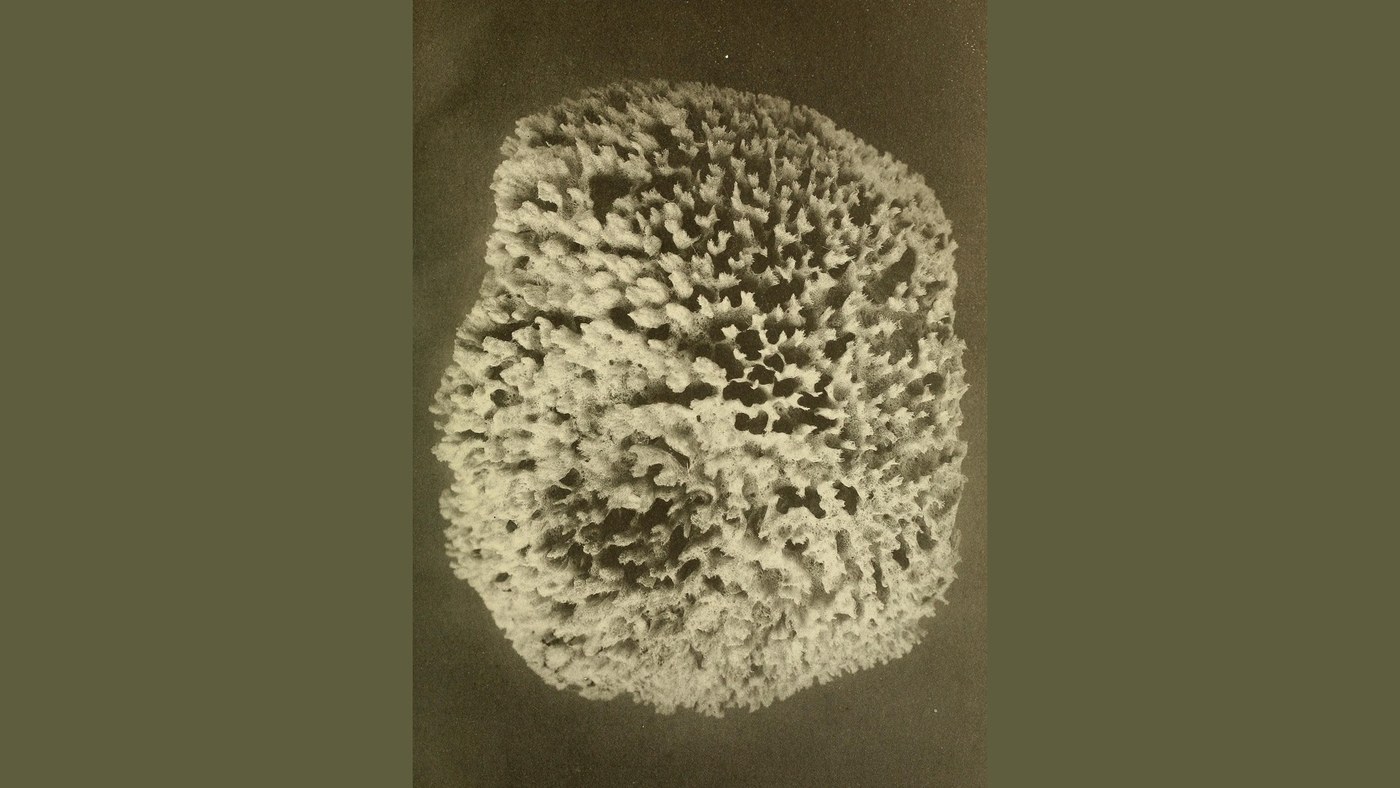


Sponge: Hooked and Crawl-Cured (Florida, Moore 1910)
How Florida hookers took and cured bath sponges around 1900: sight the sponge through a glass-bottomed bucket from a two-man dingey, tear it loose with a three-tined hook on a pole, let it die on deck root down, rot it out for a week in a staked pen in salt water, then beat, squeeze and scrape it clean and string it in bunches.
Maceration in fresh water darkens the fibre, so the pen stands in salt or brackish water.
Source: H. F. Moore, The Commercial Sponges and the Sponge Fisheries (U.S. Bureau of Fisheries, 1910), pp. 436-453. Picture: Plate XXX, a Rock Island sheepswool sponge.
Katamtaman
Unknown
Mga Tagubilin
1
1
Build the crawl
Build the crawl
On shore near the sponge grounds, in salt or brackish water, build a crawl (kraal) about 10 ft square: stakes driven close together and nailed to horizontal pieces to keep them from spreading.
Mga kailangang kasangkapan:
 Tulos na kahoy
 Pakong Bakal
 Martilyo
2
2
Sight the sponges
Sight the sponges
Work two to a dingey: the sculler moves the boat on the hooker's signals; the hooker kneels in the waist, leaning over the side, watching the bottom through the water glass, a bucket whose glass bottom is held below the surface to cut out reflections. In clear water the bottom can be seen to about 50 ft.
Mga kailangang kasangkapan:
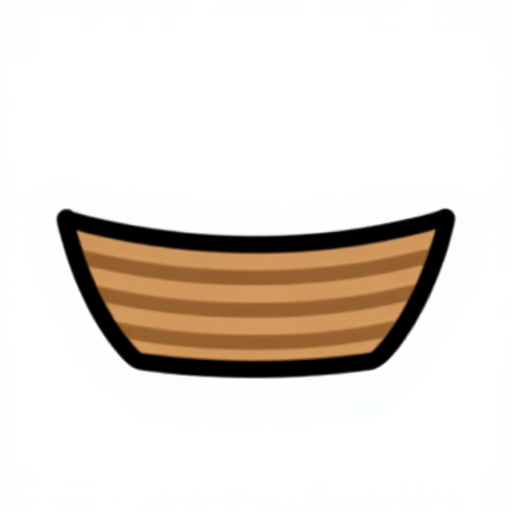 Maliit na bangkang kahoy
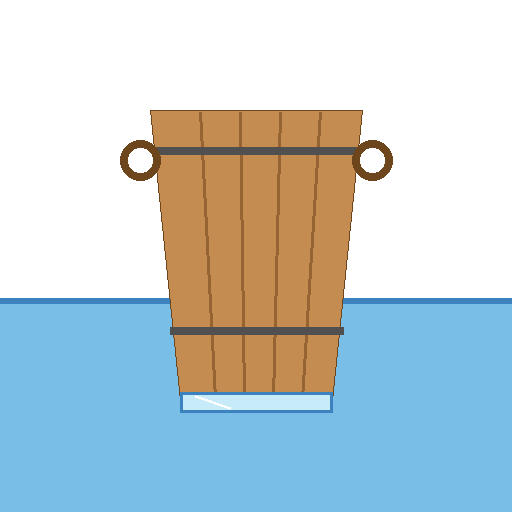 Baldeng may salaming ilalim
3
3
Hook them loose
Hook them loose
When a sponge is sighted the sculler puts the boat in position. The hooker rests the pole on his shoulder as a fulcrum, lowers the hook with his right hand while holding the water glass with his left, sets the tines into the base of the sponge and tears it loose, taking care not to mutilate it.
Mga kailangang kasangkapan:
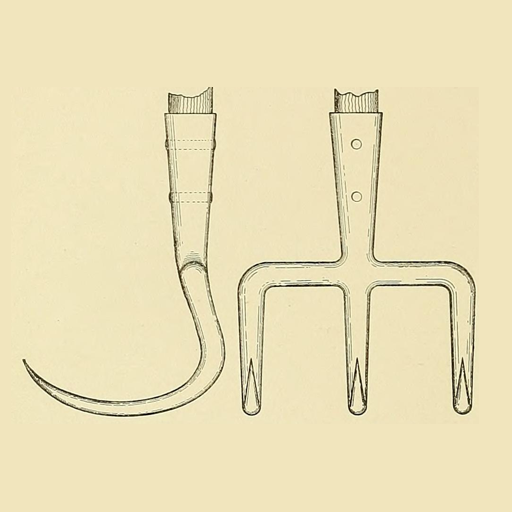 Kawit ng esponghaBaldeng may salaming ilalimMaliit na bangkang kahoy
4
4
Kill them on deck
Kill them on deck
Lay the sponges on deck root down so the gurry, the liquefied matter from decomposition, can run out. In hot sun the inner tissues begin to slough in a day or two; in cold cloudy weather a week may not be enough. Keep the skin from drying and sticking to the skeleton.
Mga kailangang kasangkapan:
Maliit na bangkang kahoy5
5
Macerate, beat and squeeze
Macerate, beat and squeeze
Put the dead sponges in the crawl for about a week to macerate. Then remove what flesh is left by beating each partly submerged sponge with a short heavy stick and squeezing it again and again under water. Scrape off any skin that sticks with a dull knife.
Mga kailangang kasangkapan:
 Patpat
 Kutsilyo
6
6
String them in bunches
String them in bunches
With a long needle string the cleaned sponges on rope yarns 6 ft long, sponges of about the same size together, eye and root (the top of one against the bottom of the next). Tie the ends of each yarn together into a wreath, a bunch, and partly dry them.
Mga kailangang kasangkapan:
 Karayom na malaki ang butas
 Lubid
Mga Kinakailangang Kasangkapan
10- Placeholder
- Placeholder
- Placeholder
- Placeholder
- Placeholder
- Placeholder
- Placeholder
- Placeholder
- Placeholder
- Placeholder
Ang blueprint na ito ay gumagawa ng

CC0 Pampublikong Domain
Ang blueprint na ito ay inilabas sa ilalim ng CC0. Malaya kang kumopya, magbago, mamahagi, at gumamit nang walang pahintulot.
Suportahan ang Maker sa pamamagitan ng pagbili ng mga produkto sa kanilang Blueprint Komisyon ng Maker itinakda ng mga Vendor, o lumikha ng bagong bersyon ng Blueprint na ito at isama bilang koneksyon sa iyong Blueprint upang ibahagi ang kita.