Pakikipagtulungan
SINING
BEAUTY AT WELLNESS
CRAFTS
KULTURA AT KASAYSAYAN
LIBANGAN
KAPALIGIRAN
PAGKAIN AT INUMIN
REVERSE ENGINEERING
AGHAM
ISPORTS
TEKNOLOHIYA
MGA WEARABLE
Staining: Making the Invisible Visible
Bob

Nilikha ni

Bob

23. Setyembre 2026BE
47
0
0
0
0

Staining: Making the Invisible Visible

The mounting rung ended on an awkward fact: a good mountant matches the refractive index of the tissue, and in doing so makes an unstained specimen almost invisible. You have removed the glare and the detail with it. The fix arrived from an unexpected direction. The coal-tar dye industry of the 1860s and 70s — the same chemistry as the synthetic alizarin and Para red blueprints — produced hundreds of brilliant aniline dyes for textiles, and biologists discovered that they stained some cell structures and not others. Paul Ehrlich built a career on which dye went where, and in 1884 Hans Christian Gram found a sequence that split all bacteria into two groups by the structure of their cell walls. A stain is not paint. It binds where the chemistry lets it bind, so WHERE it lands is itself the information.
Katamtaman
4 hours

Mga Tagubilin

1

Start with one dye and understand why it binds

Make a dilute methylene blue solution and put a drop on a scraping of onion or a smear of yeast. Within a minute the nuclei are blue and the rest is pale. Methylene blue is a cation — a positively charged dye — and it is drawn to anything negatively charged. Nucleic acids are strongly negative, so the nucleus takes it up first and hardest. That is the whole logic of staining: match the charge or the chemistry of the dye to the structure you want, and the specimen sorts itself out.

Mga materyales para sa hakbang na ito:
Methylene blueMethylene blue10 ml
SibuyasSibuyas1 piraso
Lebadura ng tinapayLebadura ng tinapay10 g
Salaming pantanaw na may pantakipSalaming pantanaw na may pantakip20 piraso

Mga kailangang kasangkapan:
Pipetang may bahagdan (Mohr)Pipetang may bahagdan (Mohr)
MikroskopyoMikroskopyo
2

Fix the smear before you stain it

Spread a thin smear, let it air-dry completely, then pass the slide briefly through a flame two or three times — warm, never hot. Heat fixing does two things: it kills and sticks the material to the glass so it does not wash off during the staining steps, and it makes the cell membranes permeable so dye can get in. Overheat it and cells distort beyond recognition. The test is the back of your hand: the slide should feel warm, not painful.

Mga kailangang kasangkapan:

Salaming pantanaw na may pantakipSalaming pantanaw na may pantakip
3

Run a Gram stain, in order, with the clock

Crystal violet for one minute; rinse. Iodine for one minute; rinse. Then the decolouriser — alcohol — for a few SECONDS only; rinse at once. Finally safranin for a minute; rinse and blot dry. The iodine is not a stain, it is a mordant: it forms a large complex with the crystal violet that is trapped inside a thick cell wall. The decolourising step is the entire test and it is the one that goes wrong — a few seconds too long and everything washes out and reads as Gram-negative. Time it. Do not guess.

Mga materyales para sa hakbang na ito:
Pangkulay na crystal violetPangkulay na crystal violet50 ml
Mga kristal ng yodoMga kristal ng yodo5 g
Pangkulay na safraninPangkulay na safranin50 ml
Etanol - antas laboratoryo, 95 %Etanol - antas laboratoryo, 95 %100 ml

Mga kailangang kasangkapan:

Panukat ng OrasPanukat ng Oras
Gwantes na NitrileGwantes na Nitrile
Basong BorosilikatoBasong Borosilikato
4

Read the result, and know what it means

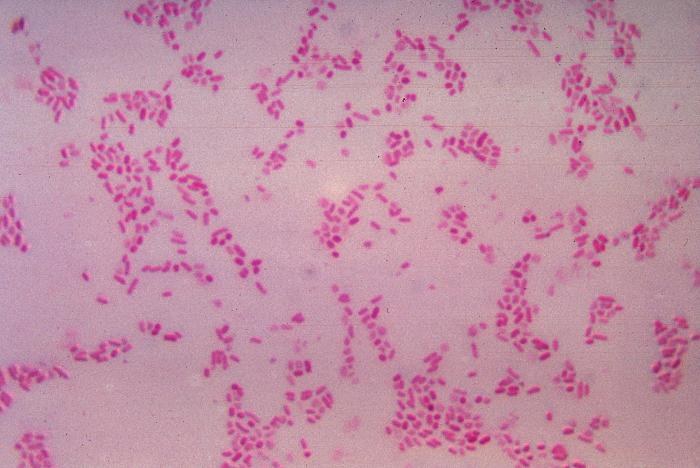
Purple cells are Gram-positive; pink or red cells are Gram-negative. The difference is real structure, not a dye preference. A Gram-positive wall is a thick peptidoglycan mesh that holds the violet-iodine complex when the alcohol dehydrates and closes it. A Gram-negative wall is thin with an outer lipid membrane the alcohol dissolves, so the complex washes straight out and the safranin that follows is all you see. One minute of dye tells you something structural about an organism a thousand times too small to dissect.

Mga kailangang kasangkapan:

MikroskopyoMikroskopyo
5

Always run a known control alongside

Stain a slide of something you KNOW is Gram-positive on the same slide or alongside, in the same staining run. Without it an all-pink result is ambiguous: either the organisms are Gram-negative, or you over-decolourised everything. The control answers that immediately, and it costs one extra smear. This is the same discipline as the dark control in the SODIS blueprint and the co-spot in the chromatography one — a result without a reference is a colour, not a finding.

Mga materyales para sa hakbang na ito:

Salaming pantanaw na may pantakipSalaming pantanaw na may pantakip10 piraso

Mga kailangang kasangkapan:

MikroskopyoMikroskopyo
6

Counterstain, and use the whole palette

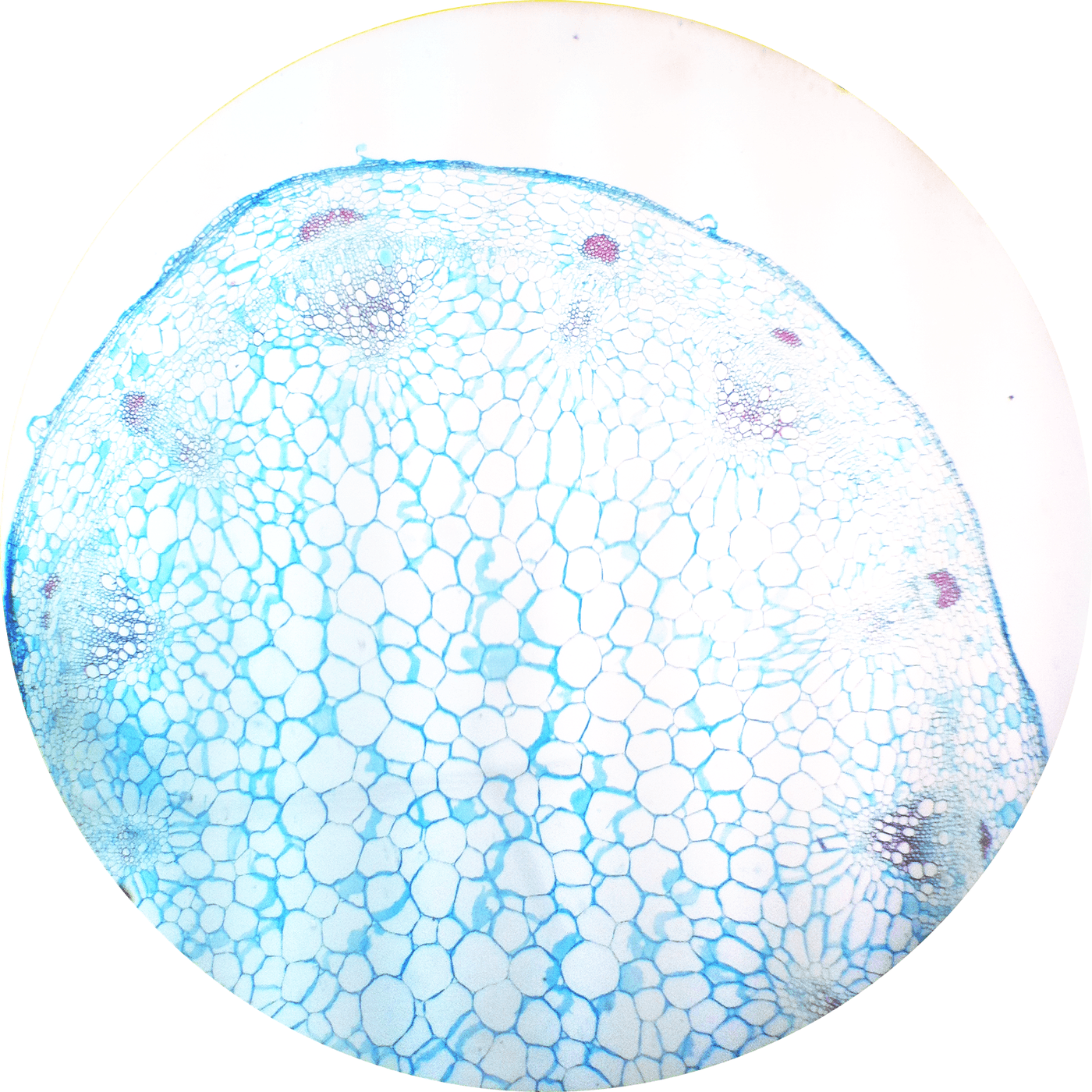
Try a two-dye scheme on plant sections: a dye that takes to lignified walls and a contrasting one for the cellulose, applied in sequence. This is what haematoxylin and eosin do for animal tissue — one basic dye for the acidic nuclei, one acidic dye for the basic cytoplasm — and it is why almost every histology image you have ever seen is blue and pink. Two dyes that bind by opposite chemistry divide the specimen between them and nothing is left uncoloured.

Mga materyales para sa hakbang na ito:

Pangkulay na safraninPangkulay na safranin50 ml
Methylene blueMethylene blue20 ml

Mga kailangang kasangkapan:

Basong BorosilikatoBasong Borosilikato
Panukat ng OrasPanukat ng Oras
7

Dye uptake, time and the decolourising window

Naglo-load ng Jupyter notebook…

Mga kailangang kasangkapan:

Panukat ng OrasPanukat ng Oras
8

Treat the dyes with respect

Wear gloves, work over a tray, and keep the dyes off skin and clothing. Label every bottle with what it is and when you made it. Aniline dyes stain hands for days and fabric permanently, and several of the historic ones are now known to be harmful in ways their Victorian users had no idea about — which is worth remembering as a general lesson about materials, not only these. Made-up stains also go off: crystal violet precipitates and methylene blue oxidises, and an old stain that no longer works looks exactly like a technique failure.

Mga kailangang kasangkapan:

Gwantes na NitrileGwantes na Nitrile

Mga Materyales

8

Mga Kinakailangang Kasangkapan

6

CC0 Pampublikong Domain

Ang blueprint na ito ay inilabas sa ilalim ng CC0. Malaya kang kumopya, magbago, mamahagi, at gumamit nang walang pahintulot.

Suportahan ang Maker sa pamamagitan ng pagbili ng mga produkto sa kanilang Blueprint Komisyon ng Maker itinakda ng mga Vendor, o lumikha ng bagong bersyon ng Blueprint na ito at isama bilang koneksyon sa iyong Blueprint upang ibahagi ang kita.

Talakayan

(0)

Mag-login upang sumali sa talakayan

Naglo-load ng mga komento...