SINING
BEAUTY AT WELLNESS
CRAFTS
KULTURA AT KASAYSAYAN
LIBANGAN
KAPALIGIRAN
PAGKAIN AT INUMIN
REVERSE ENGINEERING
AGHAM
ISPORTS
TEKNOLOHIYA
MGA WEARABLE



The Ribbon-Cutting Can Opener: A Square Knife That Rolls Up a Strip and Leaves Smooth Edges
A thin blade drawn through tin leaves ragged, sharp edges on the lid and on the can.
Isaac N. Arment of Dayton, Washington Territory, received US 327,983, dated 13 October 1885, for improvements on his 1880 opener, consisting in "the removal of a narrow ribbon or strip of the metal by means of a knife having a broad or rectangular cutting-edge; and it consists, further, in the method of rolling up into small compass the narrow ribbon or strip removed by the knife." The knife's flat face, about a sixteenth of an inch wide and inclined at about thirty degrees, "cuts out a small portion of the tin the same width with itself, and curls the said narrow portion into a solid roll and down into the can, and leaves both edges" "smooth and straight, as though cut by a pair of shears." A clamping plate and thumb screw lock the head block, and a second knife on the bar's side cuts square cans and round cans just below the rim.
This rung works out how small the ribbon rolls up, then makes the broad-edged knife on a clamped head block, and compares its edges with those of the 1880 blade.
Abantado
About 5 hours
Mga Tagubilin
1
1
The rolled ribbon
The rolled ribbon
Naglo-load ng Jupyter notebook…
2
2
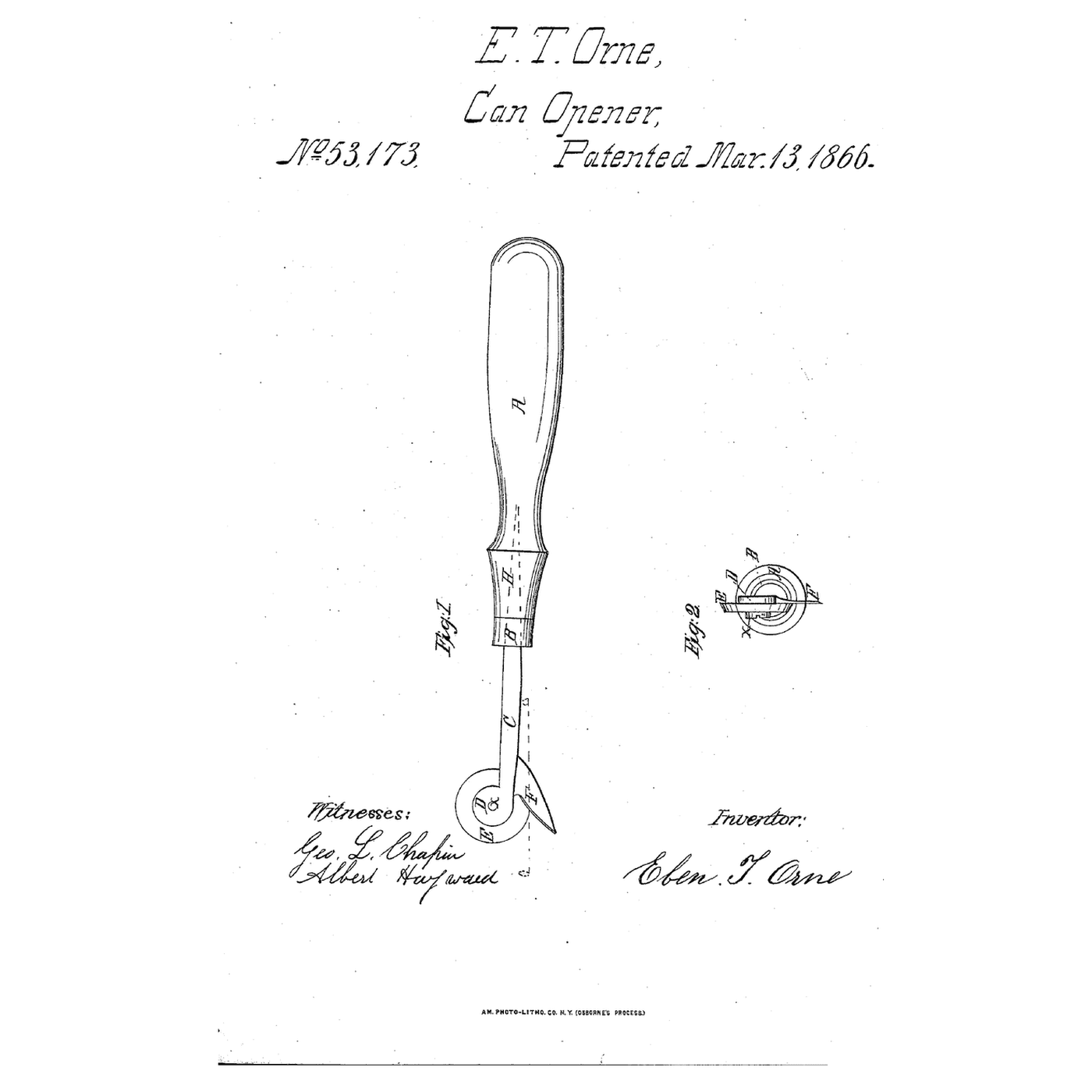
Arment's earlier opener
Arment's earlier opener
The embedded blueprint is Arment's 1880 opener with a two-edged blade. Five years later he gave the knife a broad square edge that cuts a ribbon out and leaves smooth edges.
3
3
Read US 327,983
Read US 327,983
"e4 is my improved knife-blade fixed on the head-block e. This knife is constructed so as to present a flat face, e5, (see Fig. 1,) arranged at right angles to the direction of the movement of the knife. This flat face is inclined backward and downward at an angle of about thirty degrees from the under face of the head-block, as shown more clearly in Fig. 4, and it is made about the sixteenth part of an inch in width."
"The flat or angular face e5 is employed to cut the tin. It cuts out a small portion of the tin the same width with itself, and curls the said narrow portion into a solid roll and down into the can, and leaves both edges—namely, the edge of the portion of the top cut out and the edge remaining on the can—smooth and straight, as though cut by a pair of shears."
4
4
Make the ribbon knife and compare edges
Make the ribbon knife and compare edges
**Knife.** From a piece of spring steel, file a knife whose front end is a flat face 1.6 mm wide, square to the direction of travel and sloping back and down at about 30°, with its outer side bevelled and its inner side square, as Arment's e6 and e7. Harden and temper it.
**Head block.** Fix the knife under a head block like the one in the 1880 blueprint, sliding in the bar's slot on bevelled guides. Cut a recess across the block's top, fit a small plate in it with a thumb screw, and bevel the plate's edges so that tightening the screw clamps it against the guides.
**Side knife.** Fix a short knife d′ along the side of the bar at the spur end, its point flush with the end, for square cans.
**Test.** Open one can with the 1880 two-edged blade and a second with the ribbon knife. Catch the rolled ribbon and compare its diameter with the notebook. Run a gloved finger along both cut edges of each can.
Mga materyales para sa hakbang na ito:
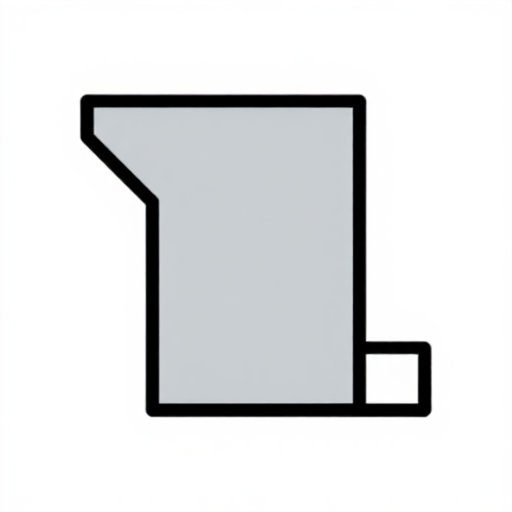 Guhit na bakal na muwelye0.1 metro
 Patag na Baras na Malambot na Asero0.35 metro
 Mga turnilyo ng makina1 piraso
 Tuerkang Heksagonal2 piraso
 Lata2 piraso
Mga kailangang kasangkapan:
 Lagaring Pang-metal
 Kikil (Kikil na Pangkamay)
 Hanay ng Pinong Kikil
 Bais sa Mesang Panggawa
 Walang-Kableng Barena
 Hanay ng Talim ng Barena
 Sulô ng Propano
 Panukat ng Anggulo
 Digital na Kalibrador 6 Pulgada
 Set ng mga distornilyador
 Guwantes na Matibay sa Init
 Guwantes na Katad Pangtrabaho
 Malinaw na Salaming Pangkaligtasan
5
5
A knife that tears, jams or leaves a ragged edge
A knife that tears, jams or leaves a ragged edge
Ribbon-cutting can opener troubleshooting.
Flow
Loading...
6
6
History and honest limits
History and honest limits
**Isaac N. Arment** of Dayton, Columbia County, Washington Territory, filed US 327,983 on 13 September 1881; it is dated 13 October 1885. The same bar carried the knife b and corkscrew c in the slot a′, held by a single spring b′. His claims cover the bar's slot, spur and bevelled guides with the adjustable knife-carrying head and its clamping plate, and the opener with the spur and stud d, the knife e4 and the side knife d′.
**Honest limits.** Filed spring steel stands in for his made knife, and the head block is simplified. The notebook's roll is idealised as tightly wound; its sizes are examples. Your ribbons and edges are the result.
Mga Materyales
5- 0.1 metroPlaceholder
- 0.35 metroPlaceholder
- 1 pirasoPlaceholder
- 2 pirasoPlaceholder
- 2 pirasoPlaceholder
Mga Kinakailangang Kasangkapan
13- Placeholder
- Placeholder
- Placeholder
- Placeholder
- 1 vendor sell this, none ship to you yetPlaceholder
- Placeholder
- Placeholder
- Placeholder
- Placeholder
- Placeholder
- Placeholder
- Placeholder
- Placeholder
Ang blueprint na ito ay gumagawa ng
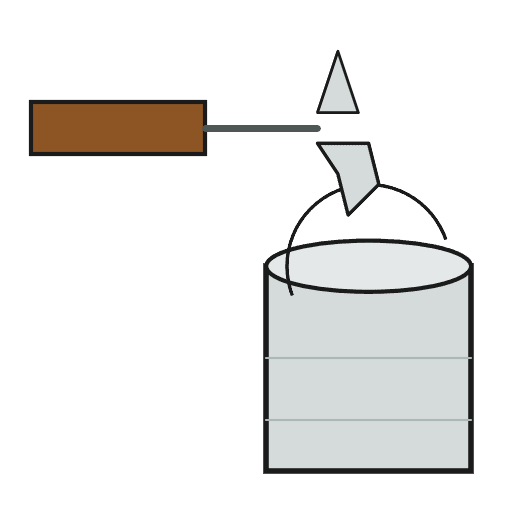
Kaugnay na Blueprint
Ang mga blueprint na ito ay nagbabahagi ng kaalaman — mga teknik, materyales, o prinsipyo


CC0 Pampublikong Domain
Ang blueprint na ito ay inilabas sa ilalim ng CC0. Malaya kang kumopya, magbago, mamahagi, at gumamit nang walang pahintulot.
Suportahan ang Maker sa pamamagitan ng pagbili ng mga produkto sa kanilang Blueprint Komisyon ng Maker itinakda ng mga Vendor, o lumikha ng bagong bersyon ng Blueprint na ito at isama bilang koneksyon sa iyong Blueprint upang ibahagi ang kita.