SINING
BEAUTY AT WELLNESS
CRAFTS
KULTURA AT KASAYSAYAN
LIBANGAN
KAPALIGIRAN
PAGKAIN AT INUMIN
REVERSE ENGINEERING
AGHAM
ISPORTS
TEKNOLOHIYA
MGA WEARABLE



The Rotary Tiller: Blades That Cut the Soil in Slices
A plough and harrow need several passes and a heavy tractor to pull them, and the wheels pack the soil they have just loosened. A rotary tiller drives its blades round from the engine: they chop down into the soil in slices, throw it back against a hood and leave it loose in one pass — and because the blades push backwards, they help drive the machine forwards instead of dragging on it.
Arthur Clifford Howard began experimenting with rotary tillage on his father's farm at Gilgandra, New South Wales, in 1912, found that the ground could be tilled without packing it, and settled on L-shaped blades on widely spaced flanges on a small rotor. He patented a design with an internal combustion engine in 1920, and in 1922 formed Austral Auto Cultivators, later Howard Auto Cultivators.
This rung plots the blade paths, works out the bite length that sets the tilth, and builds a drill-driven rotor to check it in sand.
Katamtaman
About 4 hours
Mga Tagubilin
1
1
Blade paths and bite length
Blade paths and bite length
Naglo-load ng Jupyter notebook…
2
2
Build a bench rotor
Build a bench rotor
Cut six blades 120 mm long from 20 mm spring steel strip and bend each 40 mm from one end to a right angle — Howard's L-shape. Drill the long leg twice.
Bolt three blades to each of two plywood flanges 100 mm across, at 120 degrees apart, their bent tips all pointing the same way round. Fix the flanges 80 mm apart on a 10 mm threaded rod, the second flange turned 60 degrees from the first so the blades enter the soil alternately. Chuck the rod in a cordless drill.
Wear eye protection: blades spinning in sand throw it hard.
Mga materyales para sa hakbang na ito:
 Guhit na bakal na muwelye1 piraso
 Tabla ng playwud1 piraso
 Baras na may sinulid1 piraso
 Mga turnilyo ng makina12 piraso
 Pinong Buhangin20 kilogram
Mga kailangang kasangkapan:
 Walang-Kableng Barena
 Hanay ng Talim ng Barena
 Bais sa Mesang Panggawa
 Llaveng ingles
 Ruler
Ruler Malinaw na Salaming Pangkaligtasan
 Guwantes na Katad Pangtrabaho
3
3
Measure the bite
Measure the bite
Level damp sand in a long tray and mark a 500 mm run with pins. Measure the drill's speed under load with the tachometer. Lower the spinning rotor into the sand at the start mark and walk it to the end mark at a steady pace, timing it.
Each blade leaves a curved cut in the sand. Count the cuts over the 500 mm and divide: that is your bite length. Compare it with $60v/(nz)$ using your measured speed $v$, rotor speed $n$ and $z = 3$ blades per flange. Repeat at half the walking speed: the bites halve and the sand is left finer.
Mga kailangang kasangkapan:
 Digital na Takometro
 Panukat ng Oras
 Kit ng bandilita at tulos sa pagsukat ng lupaRuler
4
4
A tiller leaving poor tilth
A tiller leaving poor tilth
Common rotary tiller problems.
Flow
Loading...
5
5
History and honest limits
History and honest limits
**Arthur Clifford Howard** of Gilgandra, New South Wales, began rotary tillage experiments in 1912, powered at first by his father's steam tractor; his earliest designs threw the soil sideways until he developed the L-shaped blade. He patented an engine-driven rotary hoe in 1920 and founded Austral Auto Cultivators in 1922; the Howard Rotavator became a byword for the machine.
**Honest limits.** Rotary tilling takes more energy per hectare than ploughing, pulverises soil structure if overused, and can leave a smeared pan at its working depth in wet soil. It is best for seedbeds, gardens and working residue in, not for every field every year.
Mga Materyales
5- 1 pirasoPlaceholder
- 1 pirasoPlaceholder
- 1 pirasoPlaceholder
- 12 pirasoPlaceholder
- 20 kilogramPlaceholder
Mga Kinakailangang Kasangkapan
10- 1 vendor sell this, none ship to you yetPlaceholder
- Placeholder
- Placeholder
- Placeholder
- Placeholder
- Placeholder
- Placeholder
- Placeholder
- Placeholder
Kaugnay na Blueprint
Ang mga blueprint na ito ay nagbabahagi ng kaalaman — mga teknik, materyales, o prinsipyo
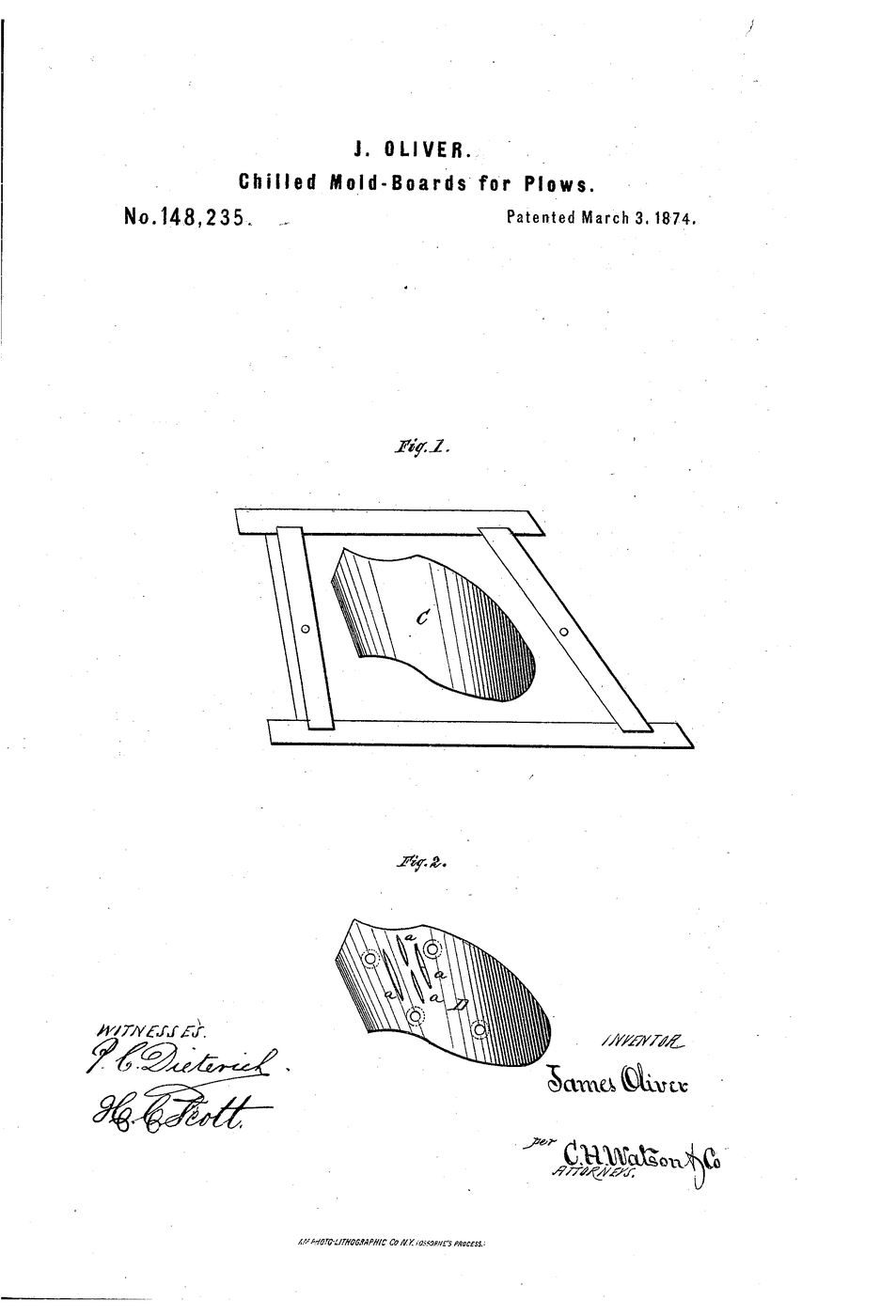


CC0 Pampublikong Domain
Ang blueprint na ito ay inilabas sa ilalim ng CC0. Malaya kang kumopya, magbago, mamahagi, at gumamit nang walang pahintulot.
Suportahan ang Maker sa pamamagitan ng pagbili ng mga produkto sa kanilang Blueprint Komisyon ng Maker itinakda ng mga Vendor, o lumikha ng bagong bersyon ng Blueprint na ito at isama bilang koneksyon sa iyong Blueprint upang ibahagi ang kita.