SINING
BEAUTY AT WELLNESS
CRAFTS
KULTURA AT KASAYSAYAN
LIBANGAN
KAPALIGIRAN
PAGKAIN AT INUMIN
REVERSE ENGINEERING
AGHAM
ISPORTS
TEKNOLOHIYA
MGA WEARABLE
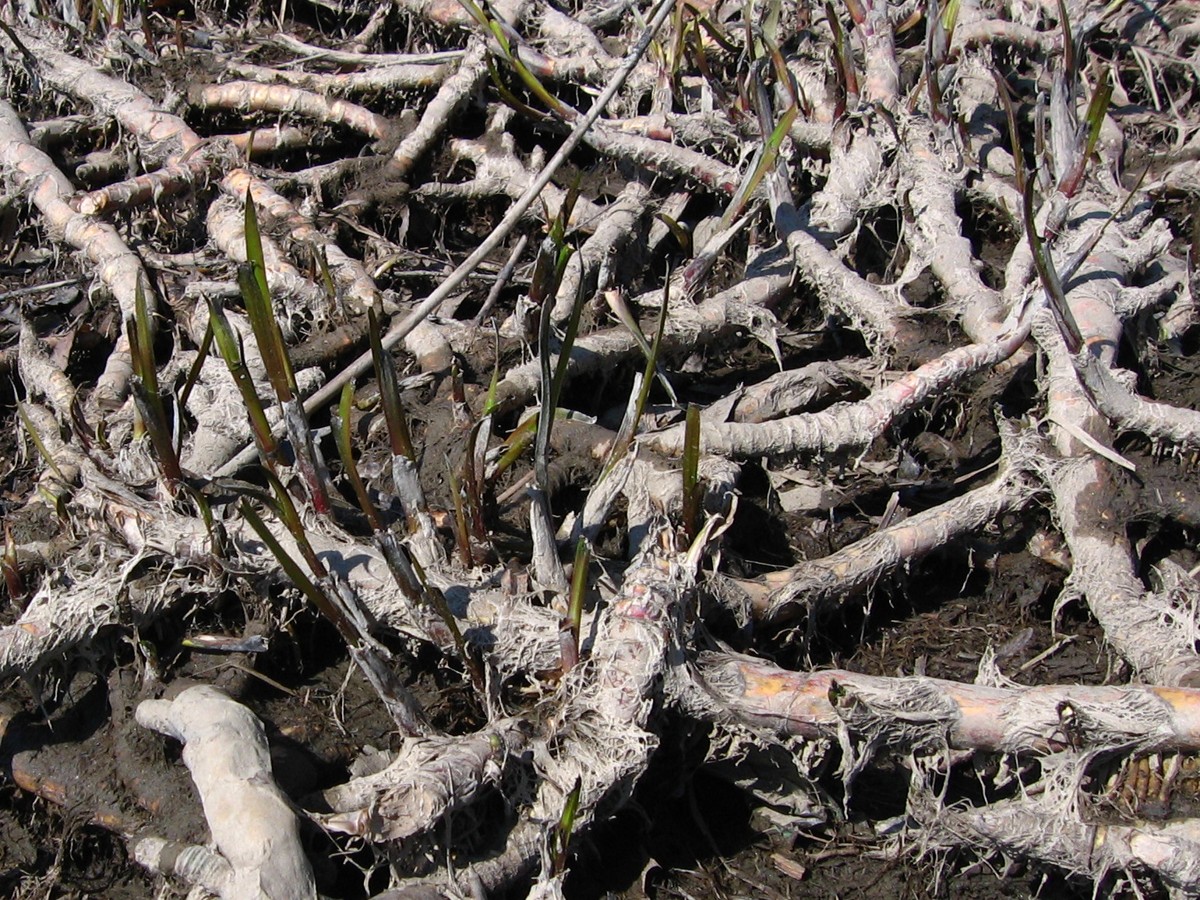


Calamus Root: Sweet Flag Rootstock Dug Out of Sap Time, Dried and Kept in Packets (Densmore, 1928; Britton & Brown, 1913)
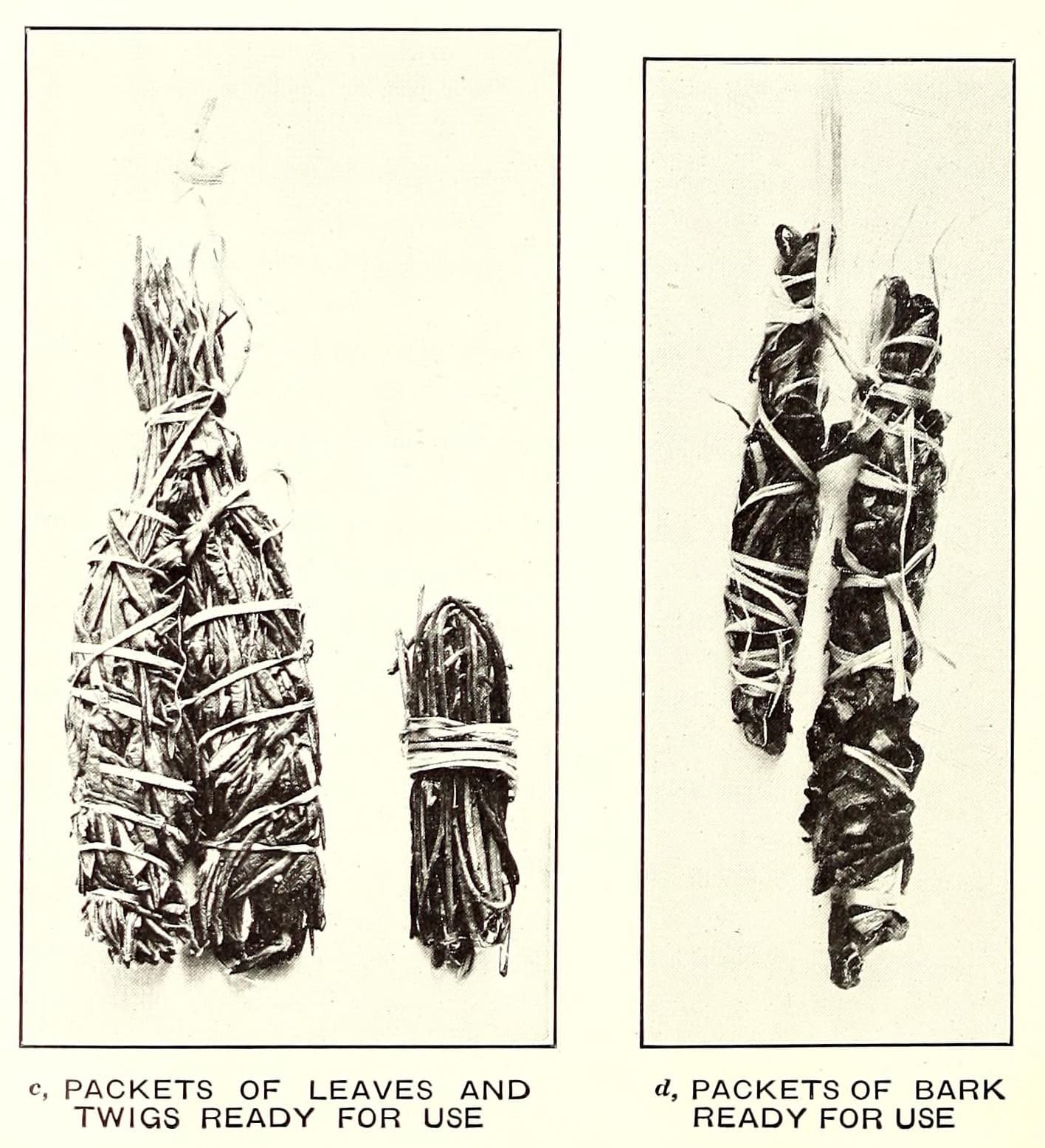
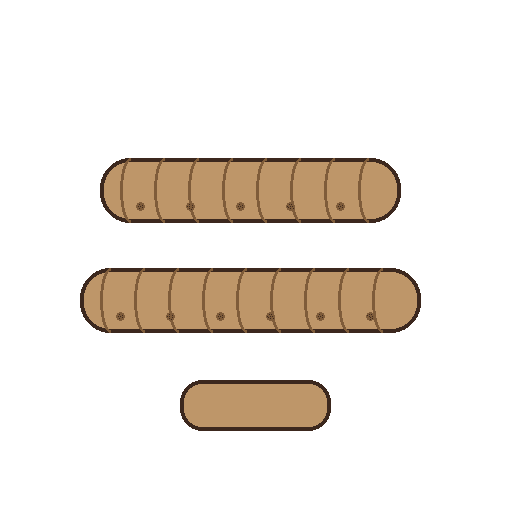
The dried rootstock of sweet flag (Acorus calamus) as the Chippewa kept it: dug out of sap time, cleaned, dried, tied in packets and bagged. For colds Densmore records it pulverized and snuffed, or as a decoction; it was so strong that a dose was measured by the length of the patient's index finger.
Baguhan
An hour to dig, a week to dry
Mga Tagubilin
1
1
Sweet flag
Sweet flag
Harvesting sweet flag rootstocks by a pond (Wild and Mindful).
2
2
Know the plant
Know the plant
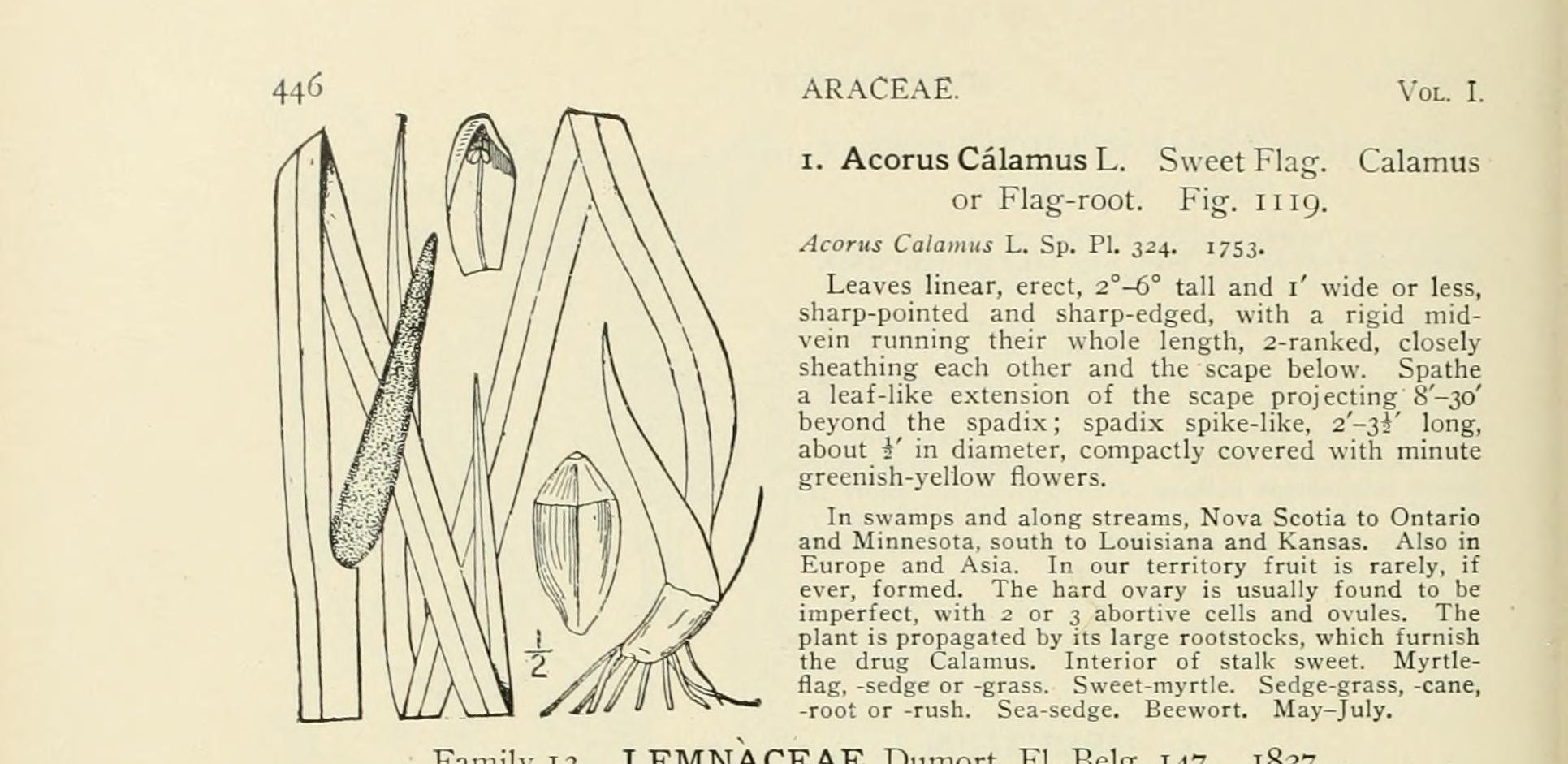
Britton and Brown (1913, vol. I, p. 446), Acorus Calamus, Sweet Flag, Calamus or Flag-root: leaves linear, erect, 2 to 6 feet tall and 1 inch wide or less, sharp-edged, with a rigid midvein the whole length; a spike-like spadix 2 to 3½ inches long, covered with minute greenish-yellow flowers; in swamps and along streams, May-July. "The plant is propagated by its large rootstocks, which furnish the drug Calamus."
3
3
What the root is for
What the root is for
Densmore (1928, pp. 340-341), for colds: calamus, part used "Root", "(1) Pulverized" and "Snuffed up nostrils", or "(2) Decoction" taken internally.

4
4
A very strong root
A very strong root
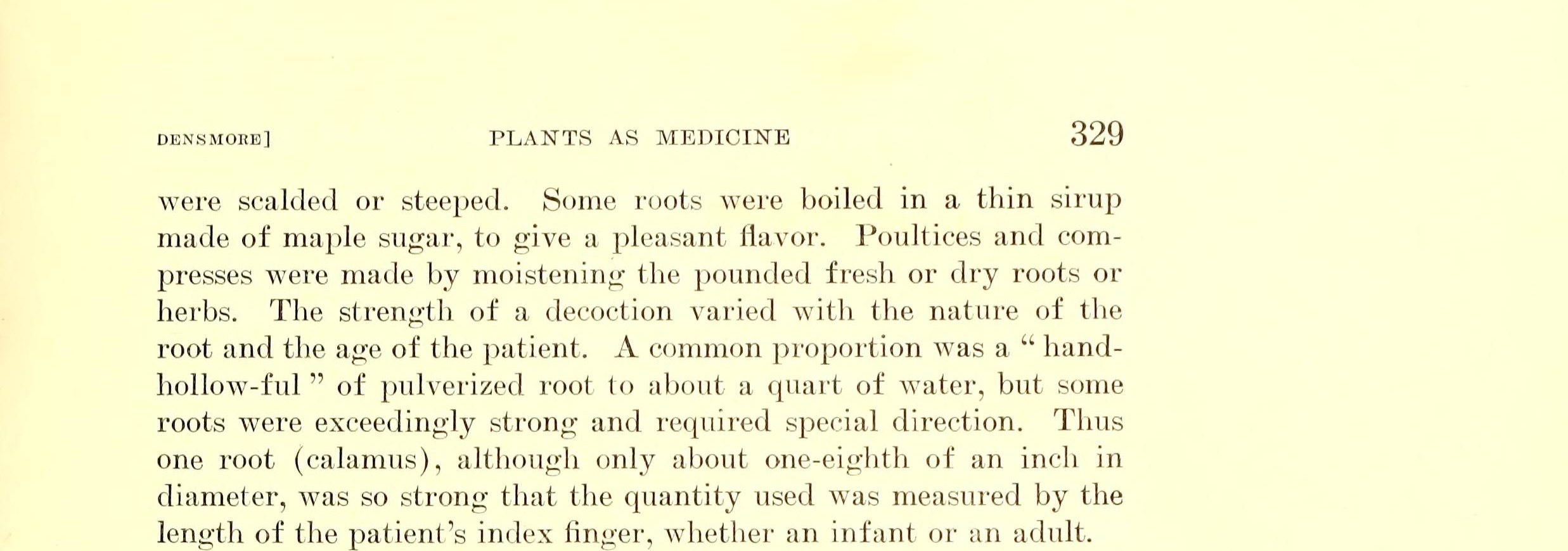
Densmore (p. 329): one root, calamus, "although only about one-eighth of an inch in diameter, was so strong that the quantity used was measured by the length of the patient's index finger, whether an infant or an adult."
5
5
Dig at the right time
Dig at the right time
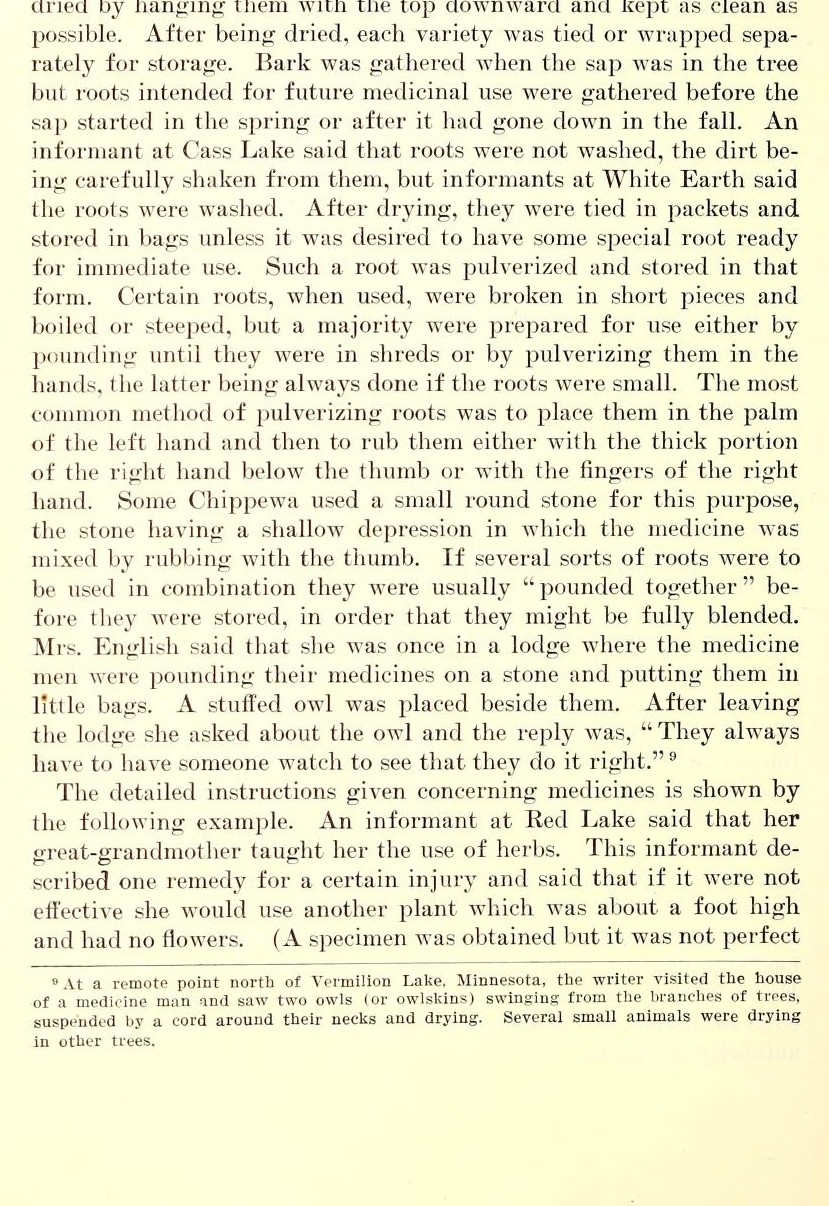
Densmore (p. 326): roots for later use were gathered "before the sap started in the spring or after it had gone down in the fall". Mark the plants in early summer and come back in autumn (ours); lift the rootstocks from the mud by hand or with a digging stick.
Mga kailangang kasangkapan:
 Patpat na panghukay
 Balde
6
6
Clean the roots
Clean the roots
Shake the earth off carefully, as Densmore's Cass Lake informant did, or wash the roots, as at White Earth.
Mga kailangang kasangkapan:
Balde7
7
Dry them
Dry them
Spread the roots on a drying screen in an airy, shaded place (ours) and turn them daily until they snap.
Mga kailangang kasangkapan:
 Kuwadrong pantuyo
8
8
Tie in packets and bag
Tie in packets and bag
After drying, tie the roots in packets and keep them in a bag, as Densmore records.
Mga kailangang kasangkapan:
 Pisi ng Bulak
 Supot na lino
9
9
Prepare for use
Prepare for use
When needed, pound the root to shreds or pulverize it (p. 326); a mortar works too (ours).
Mga kailangang kasangkapan:
 Almires at Panghalo
10
10
Troubleshooting
Troubleshooting
Root problems and fixes.
Flow
Loading...
11
11
Sources and honest limits
Sources and honest limits
Frances Densmore, Uses of Plants by the Chippewa Indians (1928), pp. 326, 329 and 340-341; N. L. Britton and A. Brown, An Illustrated Flora of the Northern United States, vol. I (1913), p. 446. The drying screen and mortar are ours. Be sure of the plant before digging, and dig only where it is plentiful and allowed. The cover shows calamus rootstocks (Kostka Martin, CC0, Wikimedia Commons). Not made by us yet.
Mga Kinakailangang Kasangkapan
6- Placeholder
- Placeholder
- Placeholder
- Placeholder
- Placeholder
- Placeholder
Mga Materyales ng Nakakonektang Blueprint
Ang blueprint na ito ay gumagawa ng
CC0 Pampublikong Domain
Ang blueprint na ito ay inilabas sa ilalim ng CC0. Malaya kang kumopya, magbago, mamahagi, at gumamit nang walang pahintulot.
Suportahan ang Maker sa pamamagitan ng pagbili ng mga produkto sa kanilang Blueprint Komisyon ng Maker itinakda ng mga Vendor, o lumikha ng bagong bersyon ng Blueprint na ito at isama bilang koneksyon sa iyong Blueprint upang ibahagi ang kita.