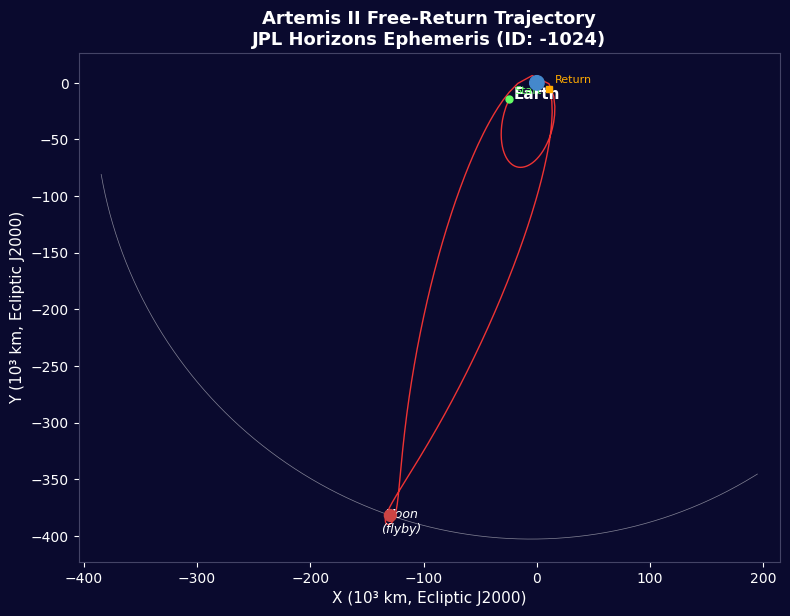


آرٹیمس II - JPL ہورائزنز فلائٹ ڈیٹا
ہدایات
مشن جائزہ
مشن جائزہ
اس مرحلے کے لیے مواد:
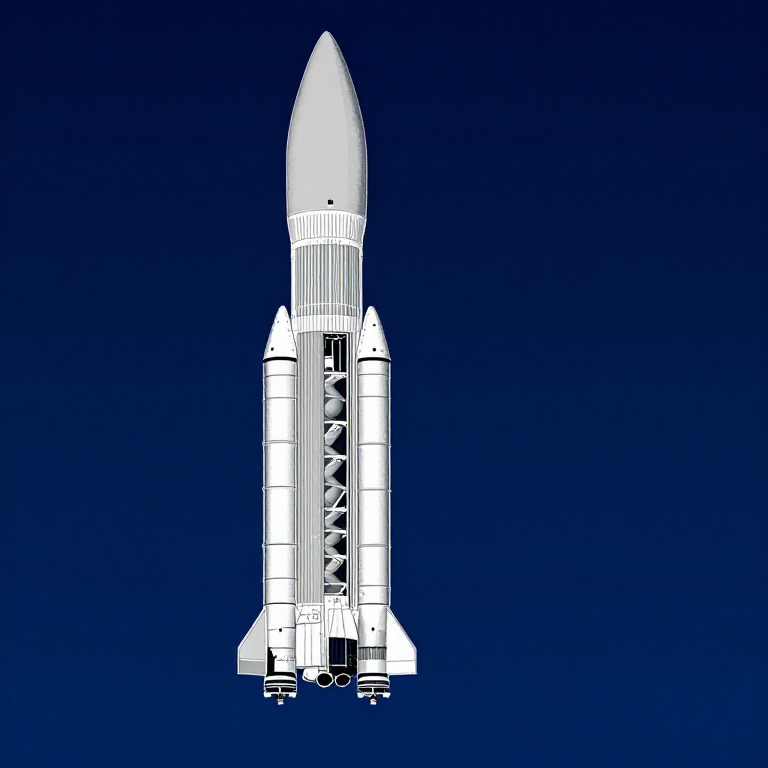
 ماڈل راکٹ کٹ (بلند طاقت)1 (SLS Block 1 reference) ٹکڑا
 ہائیڈروجن144,000 kg (core stage) کلوگرام
 آکسیجن840,000 kg (core stage) کلوگرام
 ٹھوس راکٹ ایندھن1,000,000 kg (2 boosters) کلوگرام
 اوریون خلائی جہاز1 (CM-003 Integrity) ٹکڑا
 خلا بازوں کا عملہ4 ٹکڑے
درکار اوزار:
 راکٹ چھوڑنے کا چبوترہ
لائبریریں درآمد کریں
لائبریریں درآمد کریں
زمین اور چاند کے پیرامیٹرز
زمین اور چاند کے پیرامیٹرز
SLS Block 1 راکٹ ڈیٹا
SLS Block 1 راکٹ ڈیٹا
سرکلر مدار کی رفتار
سرکلر مدار کی رفتار
فرار کی رفتار
فرار کی رفتار
Tsiolkovsky راکٹ مساوات
Tsiolkovsky راکٹ مساوات
Trans-Lunar انجیکشن
Trans-Lunar انجیکشن
آزادانہ واپسی کا راستہ
آزادانہ واپسی کا راستہ
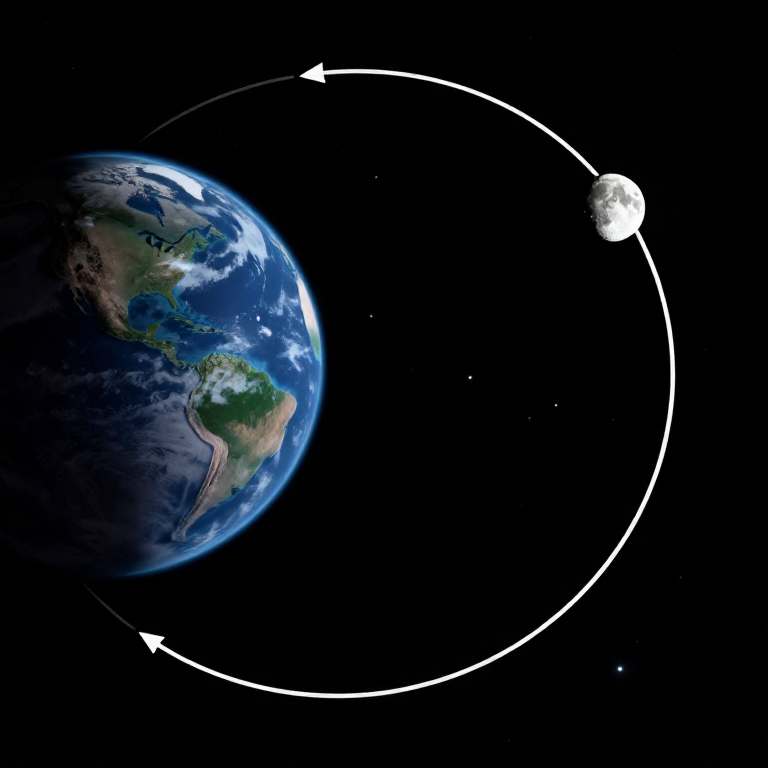
چاند کی Flyby ہائپربولا
چاند کی Flyby ہائپربولا
اہم نکات پر کشش ثقل
اہم نکات پر کشش ثقل
ماحول میں دوبارہ داخل ہونا
ماحول میں دوبارہ داخل ہونا
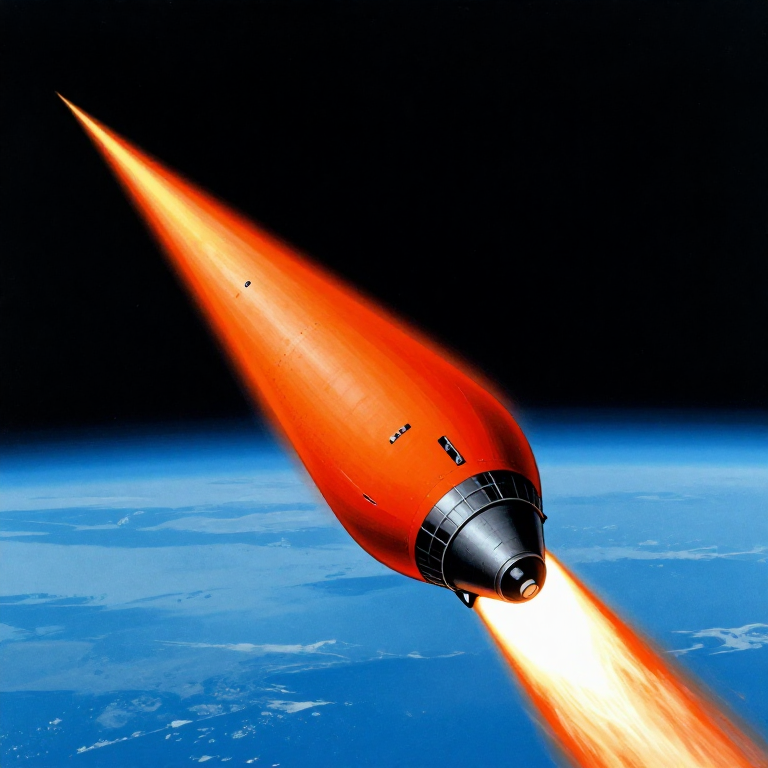
مشن ٹائم لائن
مشن ٹائم لائن
رفتار کی تصویری نمائندگی
رفتار کی تصویری نمائندگی
توانائی کے بجٹ کا خلاصہ
توانائی کے بجٹ کا خلاصہ
Python بمقابلہ Wolfram
Python بمقابلہ Wolfram
What free Python can do vs Wolfram Mathematica
| Capability | Python (free) | Mathematica ($$$) |
|---|---|---|
| Orbital mechanics equations | NumPy/SciPy — full coverage | Built-in symbolic + numeric |
| JPL Horizons ephemeris data | REST API + gzip/json (as shown above) | HorizonsEphemerisData[] function |
| Unit-aware calculations | Pint library | Built-in Quantity framework |
| 2D/3D trajectory plots | Matplotlib (4-panel dashboard above) | Built-in Graphics3D + Manipulate |
| Real-time ephemeris data | Astropy + JPL Horizons API | Built-in AstronomicalData[] |
| Interactive animation | ipywidgets / Plotly | Manipulate[] — seamless |
| Symbolic algebra | SymPy | Native — Mathematica's core strength |
| Deployment | Runs anywhere (browser via Pyodide) | Requires Wolfram licence or Cloud |
Verdict: Using the same JPL Horizons data source as Wolfram, Python reproduces the Artemis II trajectory with identical data points — 428 state vectors covering the full 10-day mission. The analytical model (Hohmann transfer + patched conics) predicts TLI speed within 3% and flyby distance within 0.4% of reality.
Mathematica's edge is in symbolic manipulation and the seamless Manipulate[] 3D animation. But for numerical computation, data analysis, and reproducibility, Python is fully capable — and this entire blueprint runs in the browser via Pyodide. No server, no licence, no installation.
مواد
6- 1 (SLS Block 1 reference) ٹکڑاپلیس ہولڈر
- 144,000 kg (core stage) کلوگرامپلیس ہولڈر
- 840,000 kg (core stage) کلوگرامپلیس ہولڈر
- 1,000,000 kg (2 boosters) کلوگرامپلیس ہولڈر
- 1 (CM-003 Integrity) ٹکڑاپلیس ہولڈر
- 4 ٹکڑےپلیس ہولڈر
درکار اوزار
1- پلیس ہولڈر
CC0 پبلک ڈومین
یہ بلیو پرنٹ CC0 کے تحت جاری کیا گیا ہے۔ آپ اجازت لیے بغیر اس کام کو نقل، ترمیم، تقسیم اور کسی بھی مقصد کے لیے استعمال کرنے کے لیے آزاد ہیں۔
میکر کی حمایت کریں ان کے بلیو پرنٹ کے ذریعے پروڈکٹس خرید کر جہاں وہ میکر کمیشن وینڈرز کی طرف سے مقرر، کماتے ہیں، یا اس بلیو پرنٹ کی نئی تکرار بنائیں اور آمدنی شیئر کرنے کے لیے اسے اپنے بلیو پرنٹ میں کنکشن کے طور پر شامل کریں۔