فن
خوبصورتی اور تندرستی
دستکاری
ثقافت اور تاریخ
تفریح
ماحول
خوراک اور مشروبات
ریورس انجینئرنگ
سائنسز
کھیل
ٹیکنالوجی
پہننے والے آلات
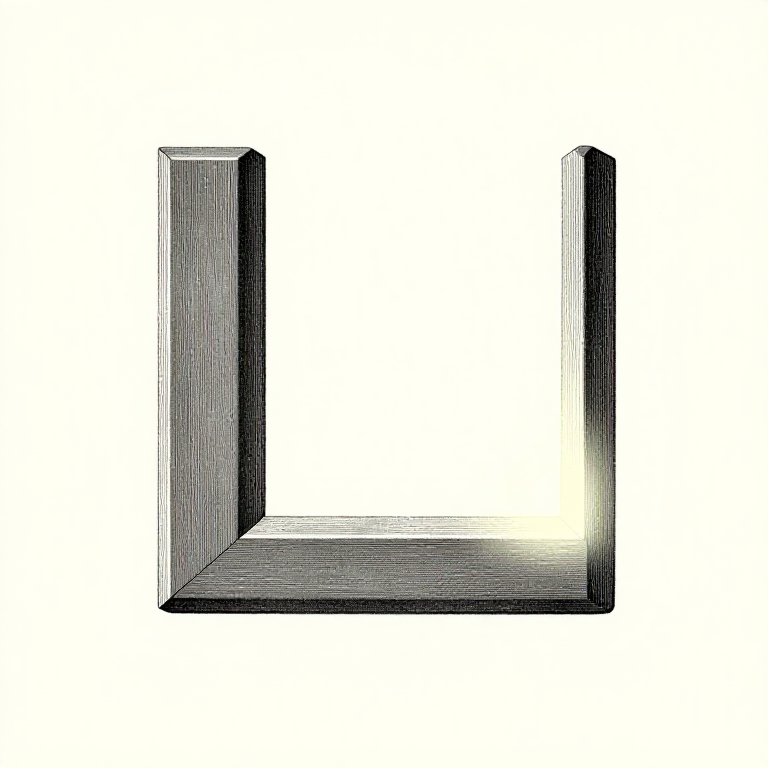


Bending: Where the Curve Starts Is a Decision
Bending looks like the easiest operation and produces the most disappointing results, because the bend happens wherever the metal is hottest and thinnest — not where you intended.
So bending is really a heating problem. Control where the heat is and the bend goes there; heat the whole bar and it bends in a long lazy arc wherever it happens to be weakest.
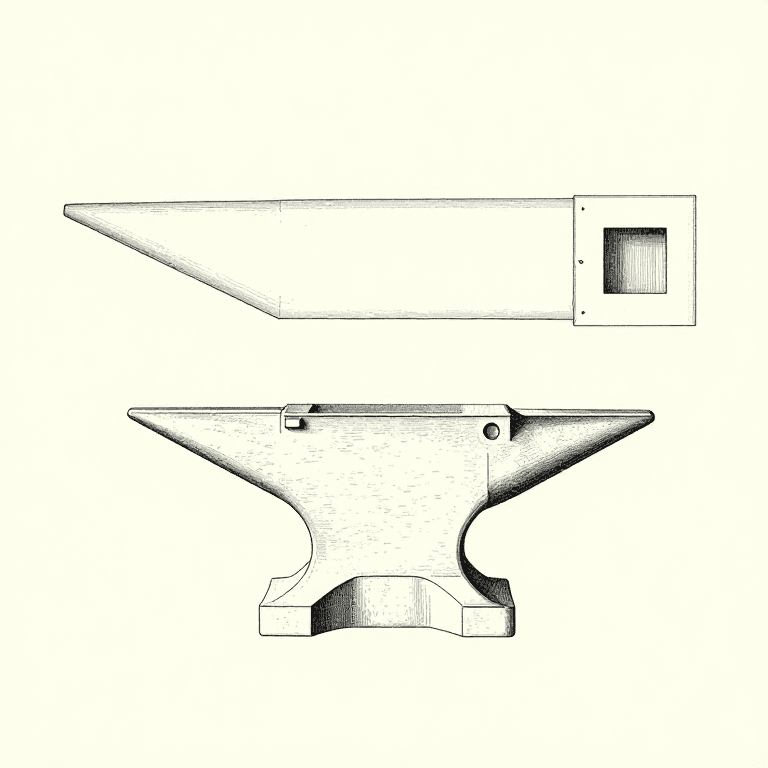
The second decision is the RADIUS, and that is what the anvil's horn is for: a continuously variable former from a tight curl at the tip to a gentle sweep at the base.
درمیانہ
3 hours
ہدایات
1
1
Heat a short band exactly where the bend goes
Heat a short band exactly where the bend goes
Bring a narrow band to bright heat and leave the bar dark either side. Cold metal will not bend, so the deformation is confined to the hot band — the same lever the upsetting rung uses.
A sharp corner needs a very short hot zone; a gentle curve needs a long one. So decide the shape first, then heat to match it, rather than heating and hoping.
Use the fire's shape to help. A narrow slot in the fuel, or the work laid across rather than into the hot zone, heats a band instead of a length. This is the heating-evenly rung again, used deliberately in reverse.
اس مرحلے کے لیے مواد:
 نرم فولاد کی سلاخ1 ٹکڑا
 لکڑی کا کوئلہ1 ٹکڑا
درکار اوزار:
 لوہار کی بھٹی
 لوہار کی سنڈاسی
 بھٹی کے لیے گہرے رنگ کی عینک
2
2
Over the horn, over the edge, or in the vice
Over the horn, over the edge, or in the vice
The HORN gives any radius you want — move along it. Lay the bar across and pull down, or hammer it round; the horn supports the inside of the curve while the metal wraps.
The anvil EDGE gives a sharp corner. Hang the bar over the edge with the hot band exactly at the edge line, and strike down — the metal folds over the radius of that edge, so a sharp edge gives a crisp corner and a rounded one gives a soft bend.
The VICE holds one side while you lever the other, which gives the most control for a precise angle. A bending fork in the hardy hole does the same on the anvil and leaves both hands free.
اس مرحلے کے لیے مواد:
نرم فولاد کی سلاخ1 ٹکڑادرکار اوزار:
 نہائی
نہائی بھاری بینچ شکنجہ
 لوہار کا ہتھوڑالوہار کی سنڈاسی
3
3
The outside stretches — and how far is arithmetic
The outside stretches — and how far is arithmetic
Jupyter نوٹ بک لوڈ ہو رہی ہے…
اس مرحلے کے لیے مواد:
نرم فولاد کی سلاخ1 ٹکڑادرکار اوزار:
نہائیلوہار کا ہتھوڑا مکبر لوپ
 حساب کرنے والا آلہ
4
4
Check against the drawing, not against your eye
Check against the drawing, not against your eye
Draw the shape full size on a steel plate or a sheet of paper and offer the work to it after every few blows. The eye is a poor judge of an angle and a worse one of a curve.
For a repeated shape — a set of scrolls, a row of identical brackets — make a simple jig or a bending fork so each piece is formed against the same former. That is the story-stick principle from the marking-out batch: one reference, used repeatedly, beats measuring each piece.
Correct while it is still hot. A bend that has gone cold can be reheated, but every extra heat costs scale and risks grain growth, and a shape corrected three times rarely looks as crisp as one made right in two heats.
اس مرحلے کے لیے مواد:
نرم فولاد کی سلاخ1 ٹکڑادرکار اوزار:
 پیمانہلوہار کی سنڈاسینہائی
یہ بلوپرنٹ بناتا ہے
متعلقہ بلیو پرنٹ
یہ بلیو پرنٹ علم بانٹتے ہیں — تکنیک، مواد یا اصول
CC0 پبلک ڈومین
یہ بلیو پرنٹ CC0 کے تحت جاری کیا گیا ہے۔ آپ اجازت لیے بغیر اس کام کو نقل، ترمیم، تقسیم اور کسی بھی مقصد کے لیے استعمال کرنے کے لیے آزاد ہیں۔
میکر کی حمایت کریں ان کے بلیو پرنٹ کے ذریعے پروڈکٹس خرید کر جہاں وہ میکر کمیشن وینڈرز کی طرف سے مقرر، کماتے ہیں، یا اس بلیو پرنٹ کی نئی تکرار بنائیں اور آمدنی شیئر کرنے کے لیے اسے اپنے بلیو پرنٹ میں کنکشن کے طور پر شامل کریں۔