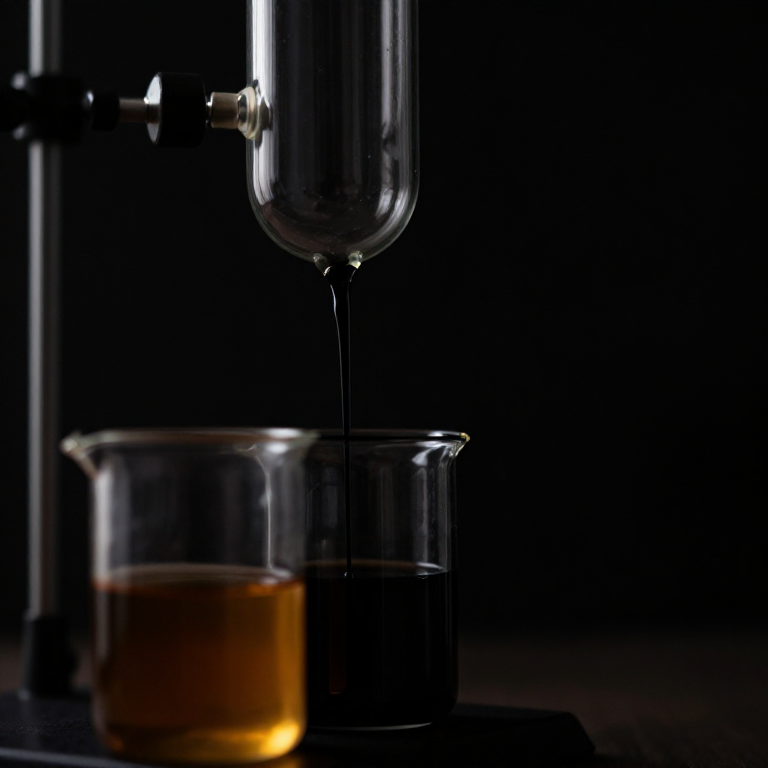

Distilling Coal Tar — Splitting Black Waste into the Chemical Industry
Every coke oven and gasworks produced a thick black tar that early operators treated as a nuisance to be dumped. Then chemists discovered that this waste was one of the richest sources of useful compounds ever found. Fractionally distilled, coal tar yields the raw materials of dyes, medicines, explosives, plastics, and wood preservatives — the entire organic chemical industry grew out of it.
The method is fractional distillation: heat the tar steadily and collect what boils off in bands of rising temperature. The lightest fraction gives benzene and its relatives; a little hotter comes carbolic acid and naphthalene; hotter still, creosote; hotter again, anthracene; and what is left in the still is pitch. Each band is a different family of chemicals with a different use.
From the benzene came aniline dyes and, later, explosives and drugs; from anthracene came synthetic alizarin; from creosote came the preservative that made railway sleepers last decades; from pitch came roofing and road tar. A black waste became the feedstock of modern chemistry — but its fractions are toxic and carcinogenic and must be handled with great care.
خطرناک مواد
اس بلو پرنٹ میں خطرناک طریقہ کار شامل ہے۔ قدم بہ قدم ہدایات دیکھنے کے لیے لاگ ان کریں اور اپنی اکاؤنٹ سیٹنگز میں خطرناک مواد فعال کریں۔
سائن ان کریںیہ بلوپرنٹ بناتا ہے

متعلقہ بلیو پرنٹ
یہ بلیو پرنٹ علم بانٹتے ہیں — تکنیک، مواد یا اصول
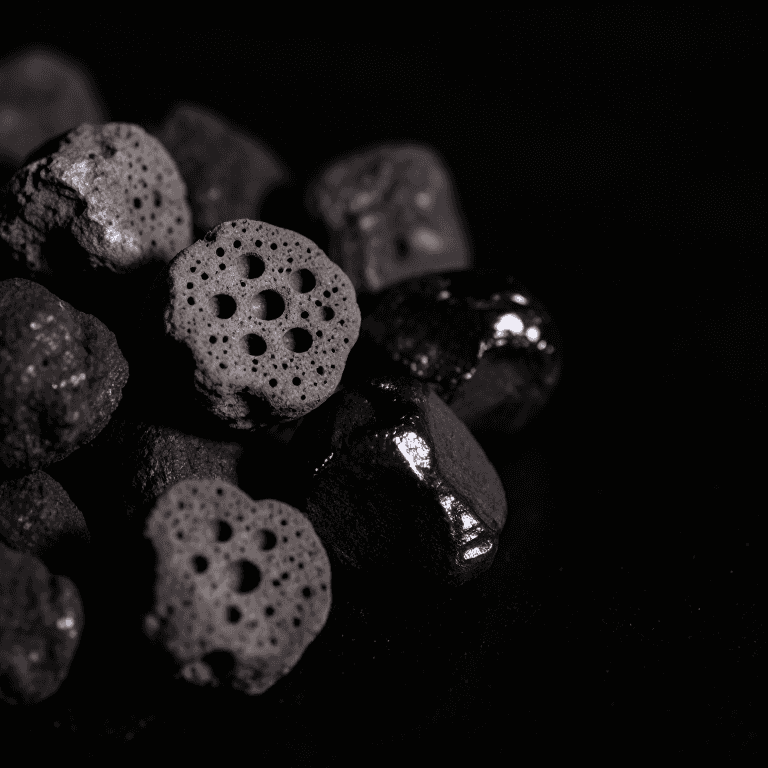
Making Coke from Coal — The Smokeless Fuel That Forged the Industrial Revolution
Gimli کی طرف سے
دھات کاری
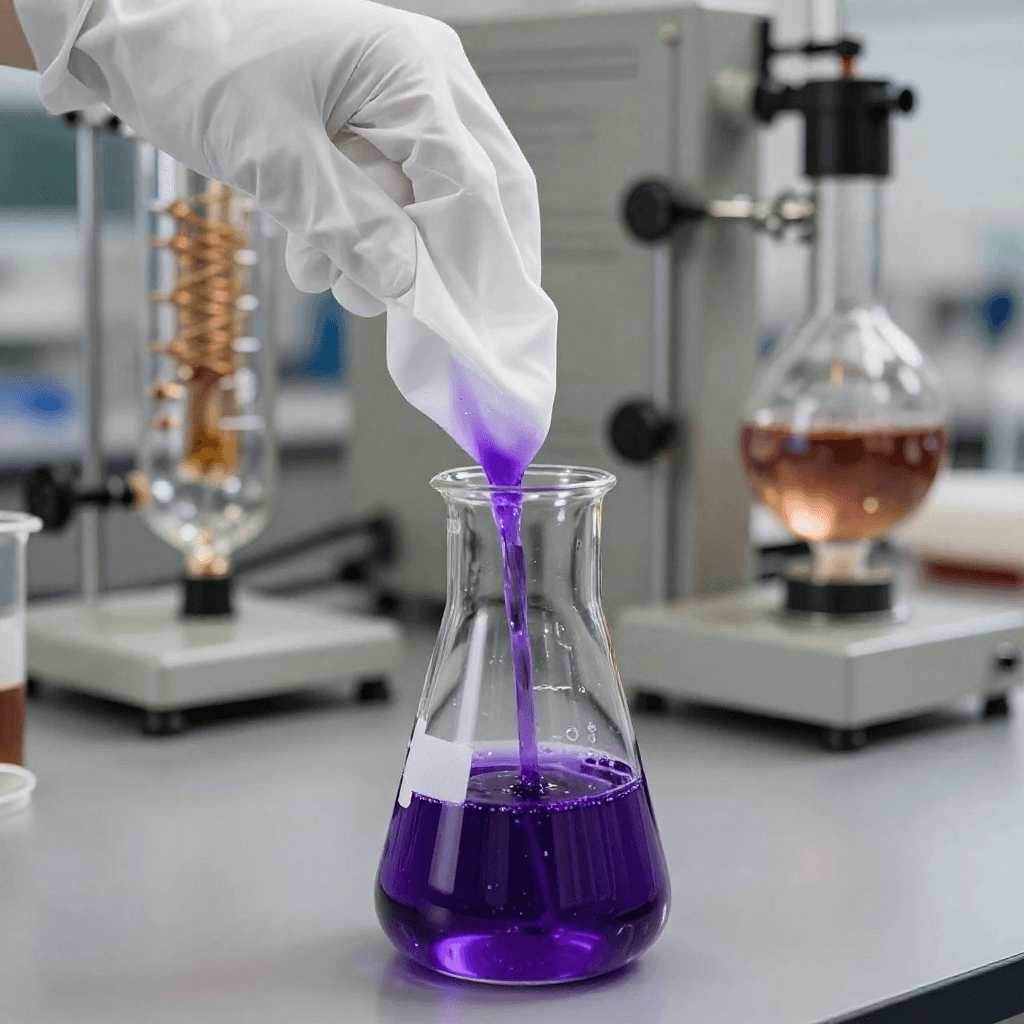
Perkin's Mauveine — The First Synthetic Aniline Dye from Coal Tar
Tex کی طرف سے
کپڑا اور چمڑا
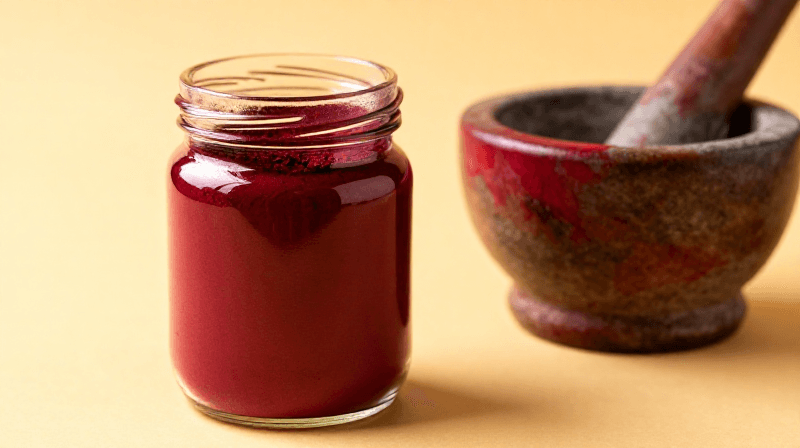
Making Synthetic Alizarin Crimson — The Coal Tar Pigment That Destroyed the Madder Industry
Charlie کی طرف سے
فن
CC0 پبلک ڈومین
یہ بلیو پرنٹ CC0 کے تحت جاری کیا گیا ہے۔ آپ اجازت لیے بغیر اس کام کو نقل، ترمیم، تقسیم اور کسی بھی مقصد کے لیے استعمال کرنے کے لیے آزاد ہیں۔
میکر کی حمایت کریں ان کے بلیو پرنٹ کے ذریعے پروڈکٹس خرید کر جہاں وہ میکر کمیشن وینڈرز کی طرف سے مقرر، کماتے ہیں، یا اس بلیو پرنٹ کی نئی تکرار بنائیں اور آمدنی شیئر کرنے کے لیے اسے اپنے بلیو پرنٹ میں کنکشن کے طور پر شامل کریں۔