
Collecting Native Sulfur from Volcanic Deposits
ہدایات
Understand native sulfur
Understand native sulfur
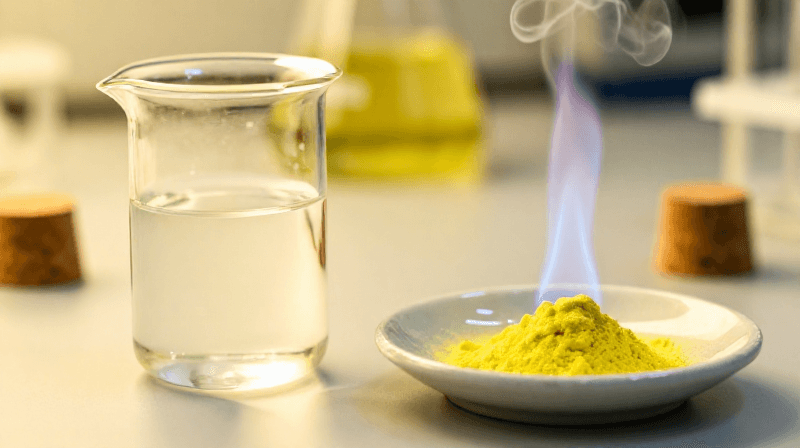
Sulfur (S, atomic number 16) is one of the few elements that occurs in its native (uncombined) state in nature. Native sulfur forms bright yellow orthorhombic crystals with a distinctive smell. Key physical properties: melting point 112.8 degrees C (alpha-sulfur), boiling point 444.6 degrees C, density 2.07 g/cm3, Mohs hardness 1.5-2.5. It burns with a blue flame producing sulfur dioxide (SO2). Native sulfur deposits form around volcanic fumaroles where hydrogen sulfide (H2S) gas meets atmospheric oxygen: 2H2S + O2 -> 2S + 2H2O.
Understand the extreme hazards
Understand the extreme hazards
CRITICAL SAFETY WARNING: Volcanic fumarole areas are extremely dangerous. The primary hazards are: (1) Hydrogen sulfide (H2S) — smells like rotten eggs at low concentrations but deadens the sense of smell at 50+ ppm; causes unconsciousness at 100-200 ppm and death within minutes at 300+ ppm. (2) Sulfur dioxide (SO2) — severe respiratory irritant. (3) Unstable ground — crusts over voids can collapse into boiling acidic pools (pH 0-2). (4) Sudden phreatic eruptions — steam explosions with zero warning. (5) Burns from steam vents at 100-400 degrees C. NEVER work alone. Always carry an H2S gas monitor with audible alarm. Volcanic activity can change without warning.
درکار اوزار:
 H2S گیس کا نگران (ذاتی، سنائی دینے والے الارم کے ساتھ)
Locate volcanic sulfur deposits
Locate volcanic sulfur deposits
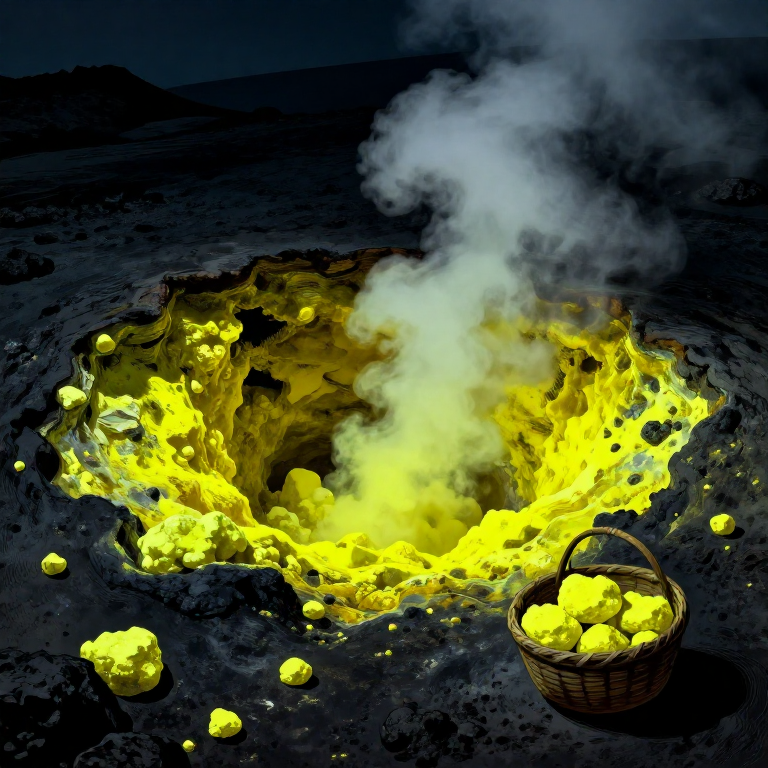
Native sulfur accumulates around active fumaroles (volcanic gas vents), solfataras, and hot springs. Major historical collection sites include: Kawah Ijen (Indonesia), Mount Etna and Solfatara di Pozzuoli (Italy), White Island (New Zealand), and various Icelandic geothermal areas. Sulfur appears as bright yellow crusts, crystals, and mounds surrounding vent openings. Deposits range from thin coatings to massive beds meters thick at prolific sites. Always consult local geological surveys and volcanological observatories before visiting any active volcanic area.
Prepare safety equipment
Prepare safety equipment
Required equipment: (1) Full-face gas mask with multi-gas cartridge (rated for H2S, SO2, and acid gases — ABEK or equivalent), (2) H2S personal gas monitor set to alarm at 10 ppm, (3) chemical-resistant gloves (nitrile or neoprene), (4) long-sleeved clothing and full trousers — no exposed skin, (5) sturdy boots with thick soles (ground can be hot), (6) safety goggles under the gas mask, (7) a partner who stays upwind as a spotter. Carry a two-way radio. Establish a clear evacuation route before approaching any vent. If the gas monitor alarms, retreat immediately — do not attempt to silence the alarm and continue.
درکار اوزار:
 پورے چہرے کا گیس ماسک (ABEK کثیر گیس کارتوس)
 ذاتی H2S گیس کا نگران
 نائٹرائل دستانے
 بند حفاظتی چشمہ
 دو طرفہ ریڈیو
Assess the site before collection
Assess the site before collection
Approach the fumarole area from upwind. Test the ground ahead with a long pole before stepping — sulfur crusts can conceal hollow voids above superheated water or acid pools. Note the wind direction and have an escape route planned. Check your H2S monitor continuously. Background H2S levels below 5 ppm are acceptable for short-duration work. If levels exceed 10 ppm, move upwind or retreat. Note the color of any pools: bright turquoise or milky white water is typically pH 0-2 (extremely acidic, containing sulfuric and hydrochloric acid). Never touch or step in volcanic pools.
درکار اوزار:
 ٹٹولنے کا ڈنڈا
Identify collectible sulfur
Identify collectible sulfur
The best sulfur for collection is found as solid crystalline crusts and masses on the margins of fumaroles, not directly on active vents. Look for: (1) bright yellow crystalline deposits (orthorhombic crystals up to 5 cm), (2) massive sulfur crusts 2-10 cm thick, (3) sulfur stalactites and flow structures where molten sulfur has solidified. Avoid collecting directly from steaming vents — the ground is hottest and least stable there. Older, cooler deposits at the periphery are safer and often yield the purest sulfur.
Break and collect sulfur specimens
Break and collect sulfur specimens
Use a geological hammer or chisel to break sulfur crusts from the substrate. Sulfur is brittle and fractures easily (Mohs hardness 1.5-2.5). Place specimens in a cloth bag or bucket — NOT in sealed plastic bags, as residual H2S gas can accumulate inside. Collect 2-5 kg, working quickly and efficiently. Limit time near active vents to 20-30 minutes maximum, even with respiratory protection. Crystal specimens can be collected whole for display; massive material is used for purification.
اس مرحلے کے لیے مواد:
 قدرتی گندھک (جمع کی ہوئی)3 kilogram
درکار اوزار:
 ارضیاتی ہتھوڑا
 ٹھنڈی چھینی
 سوتی کپڑے کا جمع کرنے والا تھیلا
Transport sulfur safely
Transport sulfur safely
Move collected sulfur to a well-ventilated area away from the fumarole zone before further processing. Sulfur is flammable (ignition temperature approximately 232 degrees C in air) — keep it away from open flames and heat sources. Raw volcanic sulfur often contains trapped H2S and other volcanic gases that off-gas over hours. Spread the collected material on a tarp in open air and allow it to ventilate for at least 1-2 hours before handling without respiratory protection.
درکار اوزار:
 زمین کا ترپال
Sort and remove impurities by hand
Sort and remove impurities by hand
Once off-gassed, sort the collected sulfur. Remove visible rock fragments, soil, and mineral contaminants (iron oxides, clay, silica). Break larger pieces into fist-sized chunks. Volcanic sulfur typically has purity ranging from 50-99% depending on the deposit. Bright yellow, clean crystalline pieces are the purest. Dull gray or brown-stained material contains significant mineral impurities.
درکار اوزار:
 چمڑے کے کام کے دستانے
Purify by melting and filtering
Purify by melting and filtering
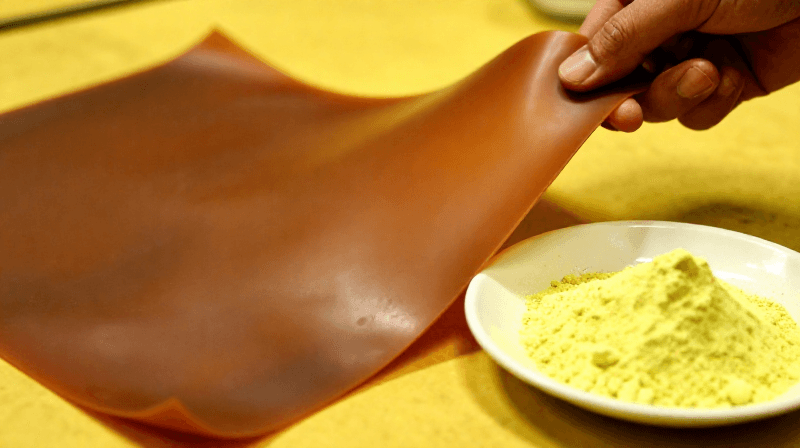
For higher purity, melt the sulfur at 112.8-120 degrees C (alpha-sulfur melts at 112.8 degrees C and remains a mobile yellow liquid to about 160 degrees C). Use a metal pot or can on a controlled heat source outdoors. Do NOT exceed 160 degrees C — above this temperature, sulfur polymerizes into a thick, dark red-brown viscous form that is difficult to pour. Filter the molten sulfur through a layer of cloth (cotton) to remove insoluble mineral particles. Collect the filtered melt in a mold.
WARNING: Molten sulfur can ignite. Keep a metal lid nearby to smother flames. NEVER use water on burning sulfur — it splatters. Burning sulfur produces toxic SO2 gas.
درکار اوزار:
 دھات کی دیگچی
 قابو والا حرارت کا منبع
 چھاننے کا سوتی کپڑا
 حرارت پیما
 دھات کا ڈھکن
Cast purified sulfur into molds
Cast purified sulfur into molds
Pour filtered molten sulfur into molds — small tin cans, cardboard molds lined with foil, or carved wooden forms work well. Sulfur shrinks slightly on solidifying and releases easily from smooth surfaces. Allow to cool slowly at room temperature for 30-60 minutes. The solidified sulfur will be bright yellow and translucent if pure. Cloudy or dark patches indicate remaining impurities. A second melt-and-filter cycle further improves purity.
درکار اوزار:
 جگاڑی ڈھلائی سانچے
Test and assess the sulfur
Test and assess the sulfur
Test the purified sulfur: (1) Color — pure sulfur is bright lemon-yellow. (2) Fracture — breaks with a conchoidal (shell-like) fracture. (3) Odor — should have minimal smell; strong H2S odor indicates impurity. (4) Burn test — a small piece touched with a match burns with a characteristic blue flame and acrid SO2 smell (do this outdoors, in small amounts). (5) Solubility — sulfur is insoluble in water but dissolves in carbon disulfide (CS2). Record the final weight and estimate purity.
درکار اوزار:
 ماچس
ماچسStore sulfur safely
Store sulfur safely
Store purified sulfur in a cool, dry location away from heat sources, open flames, and oxidizing materials. Sulfur is flammable (flash point approximately 207 degrees C, auto-ignition 232 degrees C). Keep in sealed glass jars, metal tins, or ceramic containers — not plastic, as sulfur can degrade some plastics over time. Label with date, source location, and estimated purity. Sulfur dust in air is explosive — store solid pieces, not powder. Historically, sulfur was used in black powder, vulcanizing rubber, sulfuric acid production, medicine, and as a fumigant and fungicide.
درکار اوزار:
 ڈھکن والا شیشے کا مرتبان
مواد
1- 3 kilogramپلیس ہولڈر
درکار اوزار
20- پلیس ہولڈر
- پلیس ہولڈر
- پلیس ہولڈر
- پلیس ہولڈر
- پلیس ہولڈر
- پلیس ہولڈر
- پلیس ہولڈر
- پلیس ہولڈر
- پلیس ہولڈر
- پلیس ہولڈر
- پلیس ہولڈر
- پلیس ہولڈر
- پلیس ہولڈر
- پلیس ہولڈر
- پلیس ہولڈر
- پلیس ہولڈر
- پلیس ہولڈر
- پلیس ہولڈر
منسلک بلیو پرنٹ مواد

CC0 پبلک ڈومین
یہ بلیو پرنٹ CC0 کے تحت جاری کیا گیا ہے۔ آپ اجازت لیے بغیر اس کام کو نقل، ترمیم، تقسیم اور کسی بھی مقصد کے لیے استعمال کرنے کے لیے آزاد ہیں۔
میکر کی حمایت کریں ان کے بلیو پرنٹ کے ذریعے پروڈکٹس خرید کر جہاں وہ میکر کمیشن وینڈرز کی طرف سے مقرر، کماتے ہیں، یا اس بلیو پرنٹ کی نئی تکرار بنائیں اور آمدنی شیئر کرنے کے لیے اسے اپنے بلیو پرنٹ میں کنکشن کے طور پر شامل کریں۔