

Crucible Cast Steel by the Huntsman Process — Remelting Blister Steel into Flawless Ingots
Blister steel was a triumph, but it had a flaw: its carbon was uneven, rich at the surface of each bar and poor in the core. For fine springs, watch parts, and razors, smiths needed steel that was the same all the way through. In 1740 the Sheffield clockmaker Benjamin Huntsman found the answer — melt the steel completely.
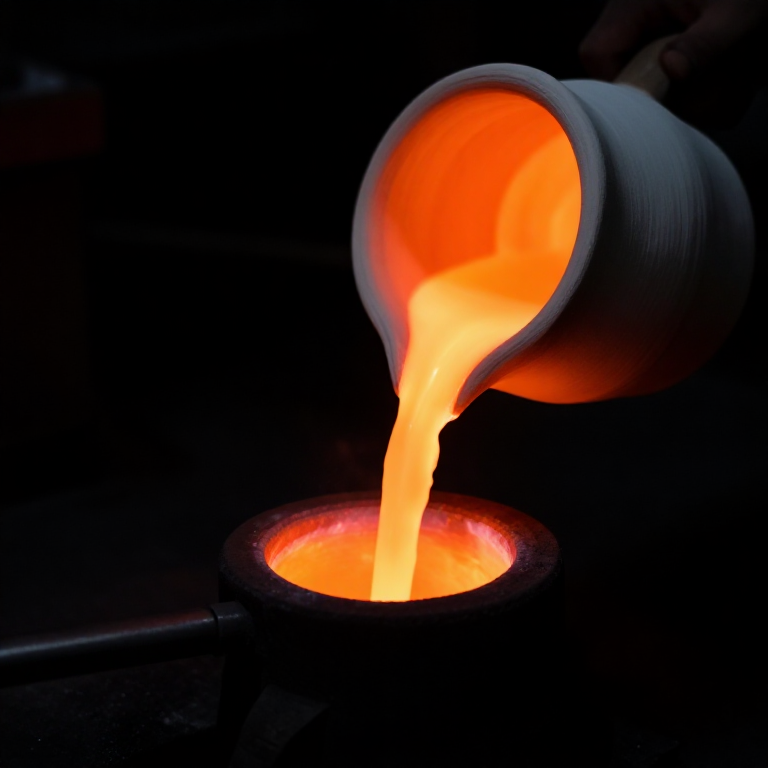
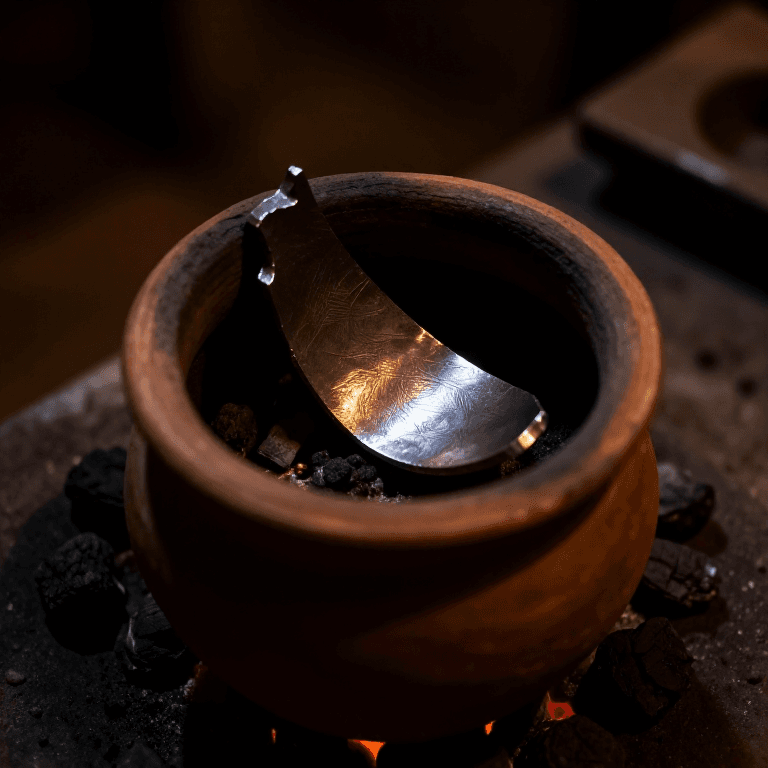
No furnace of the day could melt steel, so Huntsman built one that could. He broke blister steel into small pieces, sealed them in a covered clay crucible, and drove a coke fire hot enough — around 1600 degrees Celsius — to turn the solid steel into a clear liquid. Fully molten, the carbon spread perfectly evenly through the metal and the impurities floated off as slag. Poured into a mould, it set into a flawless ingot of cast steel.
Huntsman's crucible steel was the finest in the world and made Sheffield the steel capital of the age. The principle — melt it to make it uniform — is the same one that still underlies steelmaking today, and it sits at the very top of the iron-and-steel chain that runs from ore to coke to pig iron to wrought iron to blister steel to this.
ہدایات
Understand the goal
Understand the goal
Break up the blister steel
Break up the blister steel
اس مرحلے کے لیے مواد:
 آبلہ دار فولاد کی سلاخیں12 کلوگرام
درکار اوزار:
 ہتھوڑا
Prepare a clay crucible
Prepare a clay crucible
اس مرحلے کے لیے مواد:
 گہری مٹی کی کٹھالی1 ٹکڑا
Charge the crucible
Charge the crucible
اس مرحلے کے لیے مواد:
 چونے کے پتھر کی سل1 کلوگرام
Build a coke melting furnace
Build a coke melting furnace
اس مرحلے کے لیے مواد:
 دھات کاری کا کوک50 کلوگرام
درکار اوزار:
 دھونکنی
Melt the steel fully
Melt the steel fully
درکار اوزار:
 کٹھالی کی چمٹی
Let the carbon even out
Let the carbon even out
Let the slag rise
Let the slag rise
Lift the crucible
Lift the crucible
درکار اوزار:
کٹھالی کی چمٹیCast the ingot
Cast the ingot
درکار اوزار:
 ڈلی کا سانچہ
Cool and strip
Cool and strip
درکار اوزار:
ہتھوڑاIdentify cast steel
Identify cast steel
درکار اوزار:
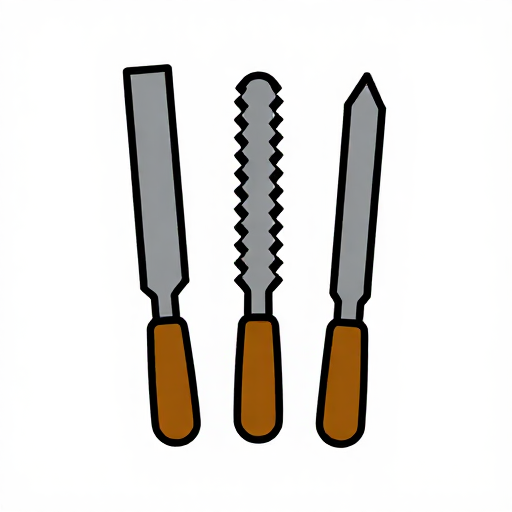 ریتیوں کا سیٹ
مواد
4- 12 کلوگرامپلیس ہولڈر
- 1 ٹکڑاپلیس ہولڈر
- 1 کلوگرامپلیس ہولڈر
- 50 کلوگرامپلیس ہولڈر
منسلک بلیو پرنٹ مواد
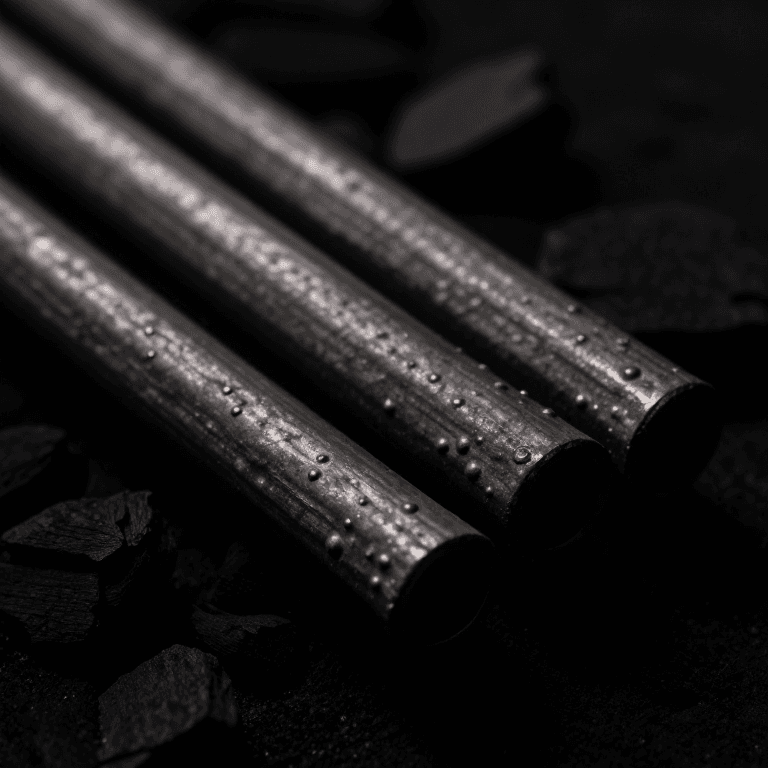
یہ بلوپرنٹ بناتا ہے
متعلقہ بلیو پرنٹ
یہ بلیو پرنٹ علم بانٹتے ہیں — تکنیک، مواد یا اصول

CC0 پبلک ڈومین
یہ بلیو پرنٹ CC0 کے تحت جاری کیا گیا ہے۔ آپ اجازت لیے بغیر اس کام کو نقل، ترمیم، تقسیم اور کسی بھی مقصد کے لیے استعمال کرنے کے لیے آزاد ہیں۔
میکر کی حمایت کریں ان کے بلیو پرنٹ کے ذریعے پروڈکٹس خرید کر جہاں وہ میکر کمیشن وینڈرز کی طرف سے مقرر، کماتے ہیں، یا اس بلیو پرنٹ کی نئی تکرار بنائیں اور آمدنی شیئر کرنے کے لیے اسے اپنے بلیو پرنٹ میں کنکشن کے طور پر شامل کریں۔