فن
خوبصورتی اور تندرستی
دستکاری
ثقافت اور تاریخ
تفریح
ماحول
خوراک اور مشروبات
ریورس انجینئرنگ
سائنسز
کھیل
ٹیکنالوجی
پہننے والے آلات
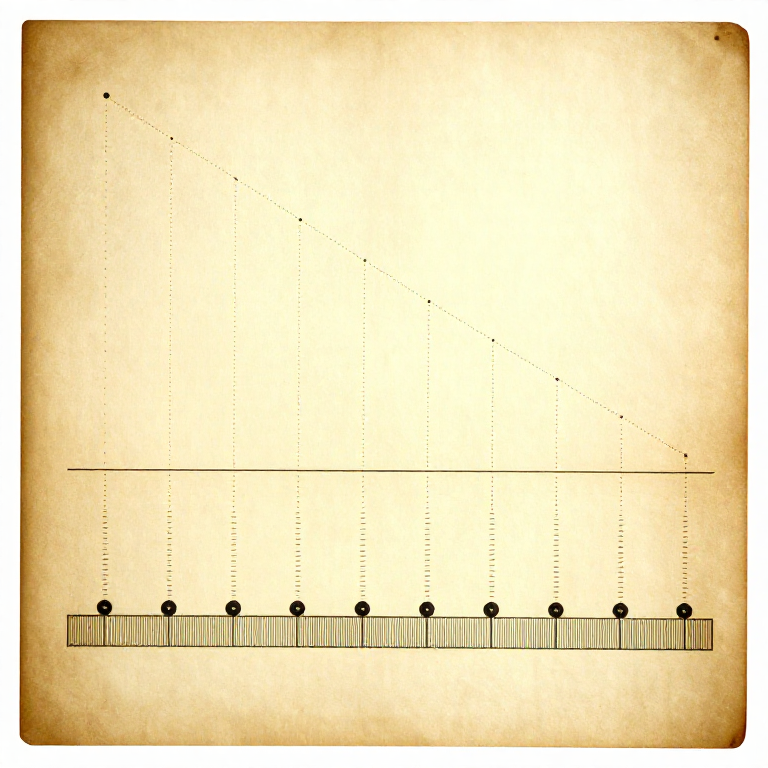


Cumulative Error: Why You Measure From One End, Not Piece to Piece
Mark the first position, then measure the next from that mark, then the next from that one — and every small error is carried forward and added to the next. By the tenth position the total can be several millimetres, and no single measurement was wrong.
Measure every position from the SAME origin instead and each error stays local. The tenth mark is as accurate as the first, because it did not inherit anything.
This is the arithmetic behind the face-side rule, the story stick and stepping off with dividers. All three are the same idea: share one reference, and errors stop compounding.
درمیانہ
3 hours
ہدایات
1
1
Chain measuring versus measuring from one end
Chain measuring versus measuring from one end
CHAIN measuring is marking each position from the previous mark. It feels natural and it is what a tape measure invites, because you keep moving the hook.
ABSOLUTE measuring is leaving the tape hooked at one end and reading every position from there. Each mark has one measurement's worth of error and no more.
The difference is invisible for two or three marks and serious for ten. It is why a shelf unit made by measuring each shelf from the last has a visibly uneven top shelf, and why a cutting list should give cumulative positions rather than individual lengths.
اس مرحلے کے لیے مواد:
 سخت لکڑی کا تختہ1 ٹکڑا
درکار اوزار:
 فیتہ پیما
 پیمانہ
2
2
How the error actually grows
How the error actually grows
Jupyter نوٹ بک لوڈ ہو رہی ہے…
درکار اوزار:
 حساب کرنے والا آلہفیتہ پیما
3
3
Mark a whole set together, from one setting
Mark a whole set together, from one setting
Clamp all the identical parts side by side with their ends flush and their face sides all the same way up, then strike every line across the whole bundle at once.
Now the parts cannot disagree, because there is only one line. Any error in its position is shared, and a shared error usually does not matter — a shelf unit that is uniformly 1 mm shorter than the drawing is fine, while one with shelves at slightly different heights is not.
The same reasoning gives the stop block. Set it once and cut ten pieces against it, and all ten are identical; measure ten pieces individually and you have ten slightly different lengths, however carefully you measured.
اس مرحلے کے لیے مواد:
سخت لکڑی کا تختہ4 ٹکڑےدرکار اوزار:
 مستقل گونیا
 نشان لگانے کی چھری
 بھاری بینچ شکنجہ
4
4
When the total matters, and when only the divisions do
When the total matters, and when only the divisions do
Decide which of the two you actually need before laying anything out, because the right method differs.
If the OVERALL size must be exact — a piece fitting a known opening — measure absolutely from one end and accept whatever the divisions come to. If the DIVISIONS must be even and the total can be whatever it is, step them off with dividers and never measure at all.
Most work is the second kind and gets treated as the first, which is why so much of it has a visibly narrow space at one end. Deciding this question explicitly is the whole of good layout, and it takes ten seconds at the start of a job.
اس مرحلے کے لیے مواد:
سخت لکڑی کا تختہ1 ٹکڑادرکار اوزار:
 دو نوکوں والا پرکارفیتہ پیما
 ناپ رکھنے والی چھڑی
درکار اوزار
8- 1 vendor sell this, none ship to you yetپلیس ہولڈر
- پلیس ہولڈر
- پلیس ہولڈر
- پلیس ہولڈر
- پلیس ہولڈر
- پلیس ہولڈر
- پلیس ہولڈر
- پلیس ہولڈر
متعلقہ بلیو پرنٹ
یہ بلیو پرنٹ علم بانٹتے ہیں — تکنیک، مواد یا اصول


CC0 پبلک ڈومین
یہ بلیو پرنٹ CC0 کے تحت جاری کیا گیا ہے۔ آپ اجازت لیے بغیر اس کام کو نقل، ترمیم، تقسیم اور کسی بھی مقصد کے لیے استعمال کرنے کے لیے آزاد ہیں۔
میکر کی حمایت کریں ان کے بلیو پرنٹ کے ذریعے پروڈکٹس خرید کر جہاں وہ میکر کمیشن وینڈرز کی طرف سے مقرر، کماتے ہیں، یا اس بلیو پرنٹ کی نئی تکرار بنائیں اور آمدنی شیئر کرنے کے لیے اسے اپنے بلیو پرنٹ میں کنکشن کے طور پر شامل کریں۔