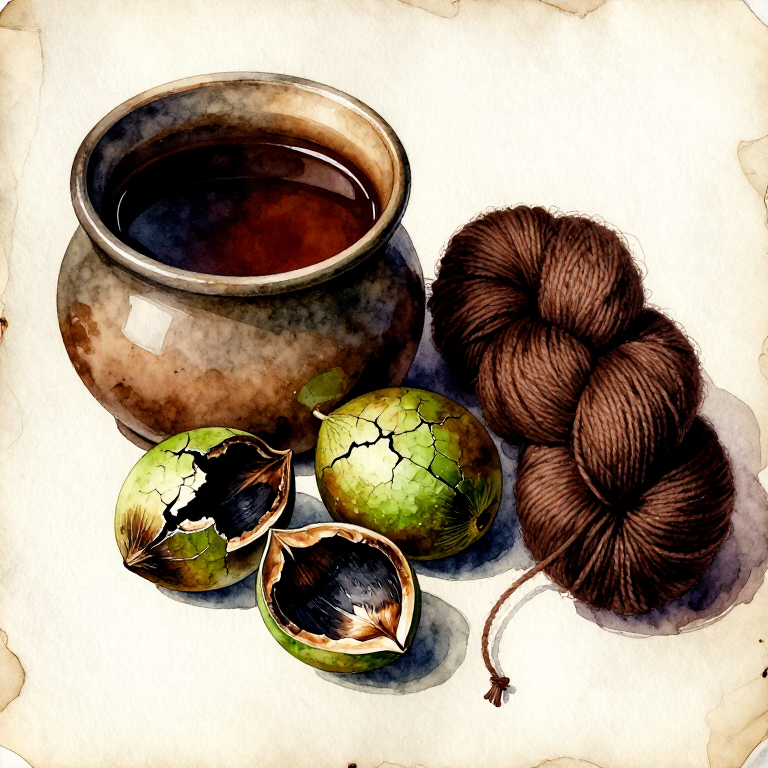

Dyeing Brown with Walnut Hulls — One of Humanity's Oldest and Most Permanent Dyes
Walnut hulls are among the oldest dye sources known to humanity. The green outer husks of both black walnut (Juglans nigra) and English walnut (Juglans regia) contain juglone — a naphthoquinone pigment that produces warm brown to near-black on wool, silk, cotton, and linen. Archaeological evidence places walnut hull dyeing in the Neolithic period, and it has been used continuously across Europe, the Middle East, Central Asia, and the Americas ever since.
What makes walnut exceptional among natural dyes is that it is substantive — juglone bonds directly to both protein and cellulose fibres without any mordant. Most plant dyes require alum or another metallic mordant to fix the colour permanently. Walnut needs nothing. This made it one of the most practical dyes in pre-industrial households: gather hulls, simmer, dye. The resulting brown is also remarkably permanent — excellent lightfastness and washfastness, far superior to most plant-derived browns.
The colour range depends on concentration and fibre type. At 100% WOF (weight of fibre), walnut gives a warm medium brown on wool. At 200% WOF, a deep chocolate brown. With iron modification (ferrous sulfate added to the dye bath), the colour shifts to dark grey-brown approaching black. On cotton and linen, the colour is lighter — tan to warm brown — but still permanent without mordant, which is unusual for a plant dye on cellulose.
One practical caution: juglone stains everything it touches. Skin, fingernails, countertops, wooden spoons — all will turn brown on contact. Rubber gloves are essential, and dedicate a pot and utensils to dyeing that you will not use for food.
ہدایات
Weigh the walnut hulls
Weigh the walnut hulls
Use 150-200% WOF of walnut hulls for a deep brown. For 100 g of wool, weigh out 150-200 g of hulls. Both fresh green hulls and dried black hulls work — fresh green hulls give slightly stronger colour because the juglone content is highest before oxidation. Dried hulls that have turned black still contain abundant juglone and work well. If collecting fresh hulls, wear rubber gloves from the start — juglone stains skin a stubborn brown that lasts for days.
اس مرحلے کے لیے مواد:
 اخروٹ کا بیرونی چھلکا200 گرام
درکار اوزار:
 ڈیجیٹل باورچی خانہ ترازو
 ربڑ کے دستانے
Soak the hulls overnight in warm water
Soak the hulls overnight in warm water
Place the walnut hulls in a stainless steel or enamel dye pot with 4-5 litres of warm water and soak for 8-12 hours. The water will begin turning dark brown almost immediately as juglone dissolves. By morning, the liquid will be a deep, opaque brown-black. This pre-soak allows the dense hull tissue to soften and release dye more completely during simmering. Do not use an aluminium pot — juglone reacts with aluminium and produces unpredictable colour shifts.
درکار اوزار:
 یخنی کی بڑی دیگ
Simmer the hulls for 60 minutes
Simmer the hulls for 60 minutes
Bring the pot to a gentle simmer (80-85°C) and hold for 60 minutes. Stir occasionally with a dedicated wooden spoon. Do not boil — temperatures above 90°C can break down juglone and dull the colour. The liquid will deepen to a rich, near-black brown during simmering. The hulls will soften and begin to disintegrate, releasing their full dye content. A second extraction is possible by simmering the spent hulls in fresh water for another hour, yielding a lighter tan bath useful for pale shades.
درکار اوزار:
 پکوان کا تھرمامیٹر
 لکڑی کا چمچہ
Strain out the hull material
Strain out the hull material
Strain the dye liquor through a fine mesh strainer into a clean pot. Walnut hulls disintegrate during simmering into a pulpy mass — strain thoroughly, pressing the pulp to extract all the dark liquid. Small hull fragments left in the dye bath will stick to wool and cause uneven spots. For the cleanest results, strain a second time through muslin cloth. The strained liquid should be a deep, clear brown — one of the darkest plant-dye baths you will encounter.
درکار اوزار:
 باریک چھلنی
Dye the wool at 80°C for 45-60 minutes
Dye the wool at 80°C for 45-60 minutes
Pre-wet the wool in lukewarm water for 15 minutes, squeeze gently, and lower it into the walnut dye bath at room temperature. No mordant is needed — walnut is one of the rare substantive dyes that bonds directly to fibre without metallic assistance. Slowly raise the temperature to 80°C over 20 minutes, then hold for 45-60 minutes. Turn the wool gently every 10 minutes for even colour. The wool will absorb the brown rapidly. Longer immersion deepens the shade — leaving the wool in the cooling bath overnight produces the richest colour.
اس مرحلے کے لیے مواد:
 اونی دھاگے کا لچھا100 گرام
Cool overnight, rinse, and dry
Cool overnight, rinse, and dry
Turn off the heat and leave the wool in the dye bath overnight. The extended cooling period allows juglone to continue bonding to the fibre, deepening the final colour by one to two shades. In the morning, remove the wool wearing rubber gloves, squeeze gently, and rinse in lukewarm water until the runoff is mostly clear. Some initial washoff is normal. The final colour is a warm, rich brown — one of the most permanent colours achievable from a plant source. Walnut-dyed wool resists fading in sunlight far better than most natural dyes. Dry in shade on a rack or line.
درکار اوزار:
ربڑ کے دستانےمواد
2- 200 گرامپلیس ہولڈر
- 100 گرامپلیس ہولڈر
درکار اوزار
6- پلیس ہولڈر
- پلیس ہولڈر
- پلیس ہولڈر
- پلیس ہولڈر
- پلیس ہولڈر
- پلیس ہولڈر
منسلک بلیو پرنٹ مواد
Dyeing with Oak Bark — Tannin Brown from the Most Common European Tree
Tex کی طرف سے
کپڑا اور چمڑا
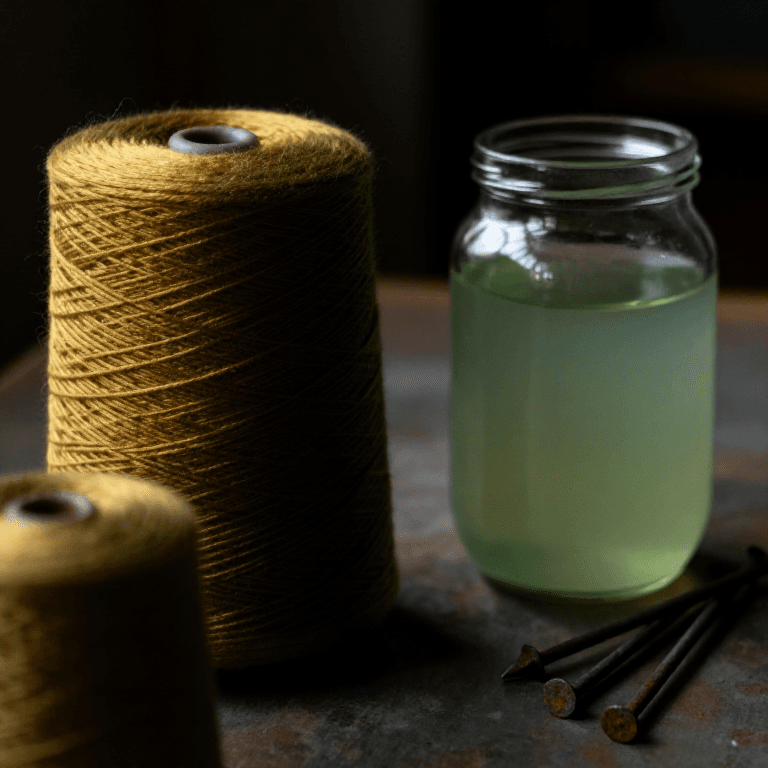
Iron Saddening — Darkening and Shifting Natural Dye Colours with Iron Water
Tex کی طرف سے
کپڑا اور چمڑا
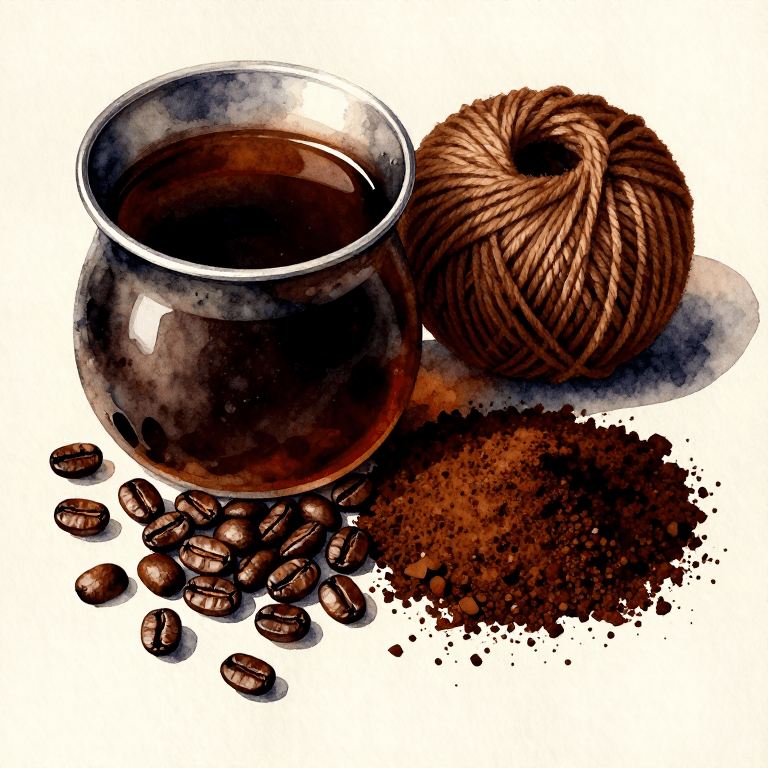
Dyeing Warm Brown with Coffee — The Universal Kitchen-Cupboard Dye
Tex کی طرف سے
کپڑا اور چمڑا
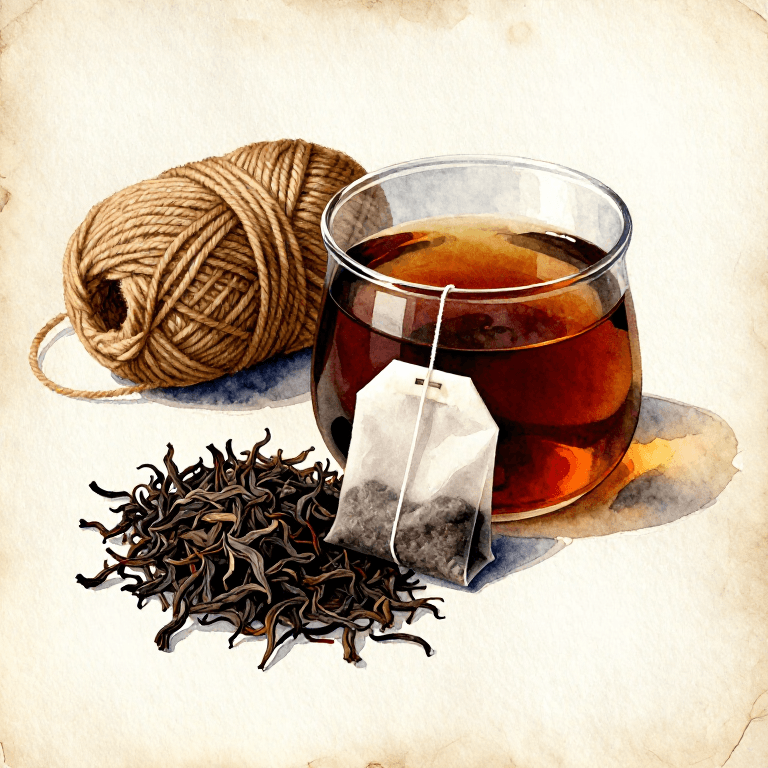
Dyeing Warm Tan with Tea — The Gentlest Tannin Dye in Every Household
Tex کی طرف سے
کپڑا اور چمڑا
یہ بلوپرنٹ بناتا ہے

متعلقہ بلیو پرنٹ
یہ بلیو پرنٹ علم بانٹتے ہیں — تکنیک، مواد یا اصول
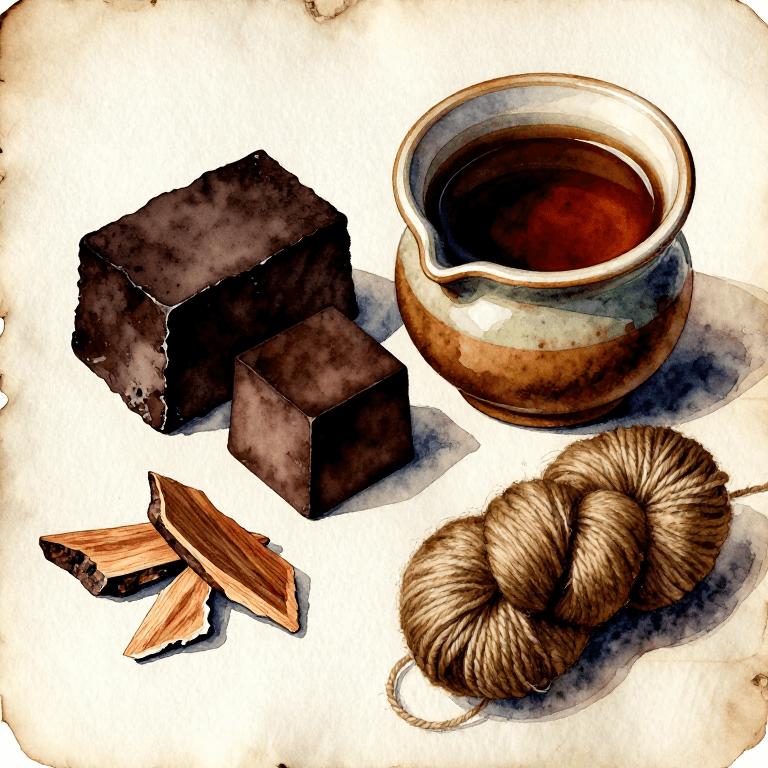
Dyeing Brown with Cutch — The Acacia Heartwood Dye of the Indian Subcontinent
Tex کی طرف سے
کپڑا اور چمڑا
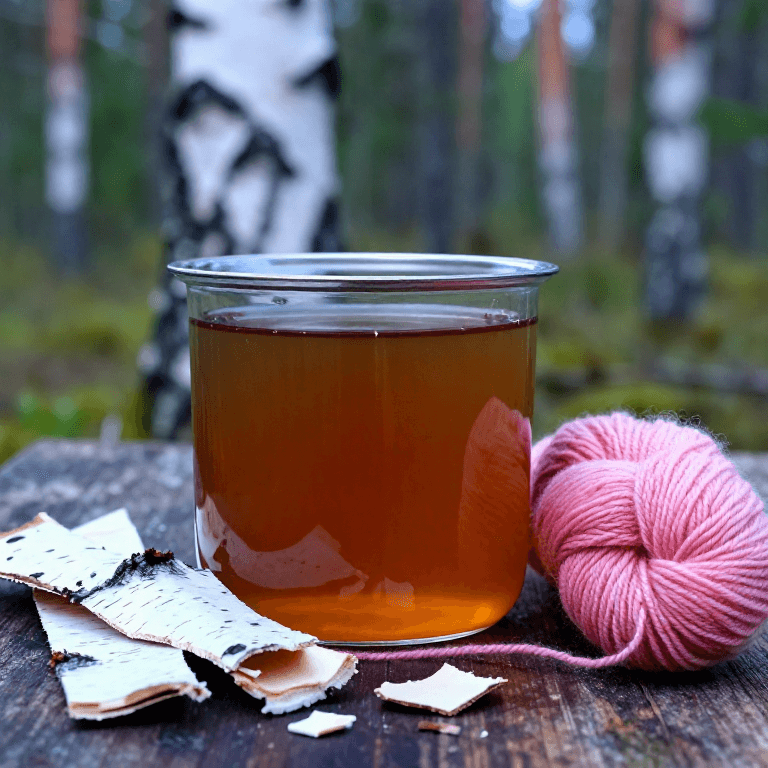
Dyeing with Birch Bark — Salmon-Pink and Cinnamon from the Northern Forest
Tex کی طرف سے
کپڑا اور چمڑا
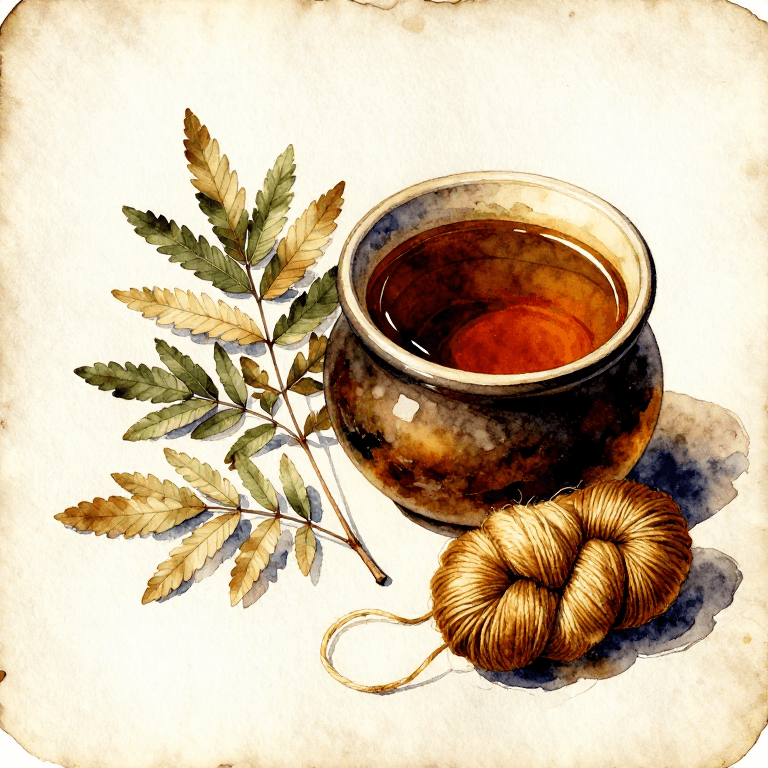
Dyeing Yellow-Brown with Sumac Leaves — The Tannin-Rich Dye of the Ancient Mediterranean
Tex کی طرف سے
کپڑا اور چمڑا
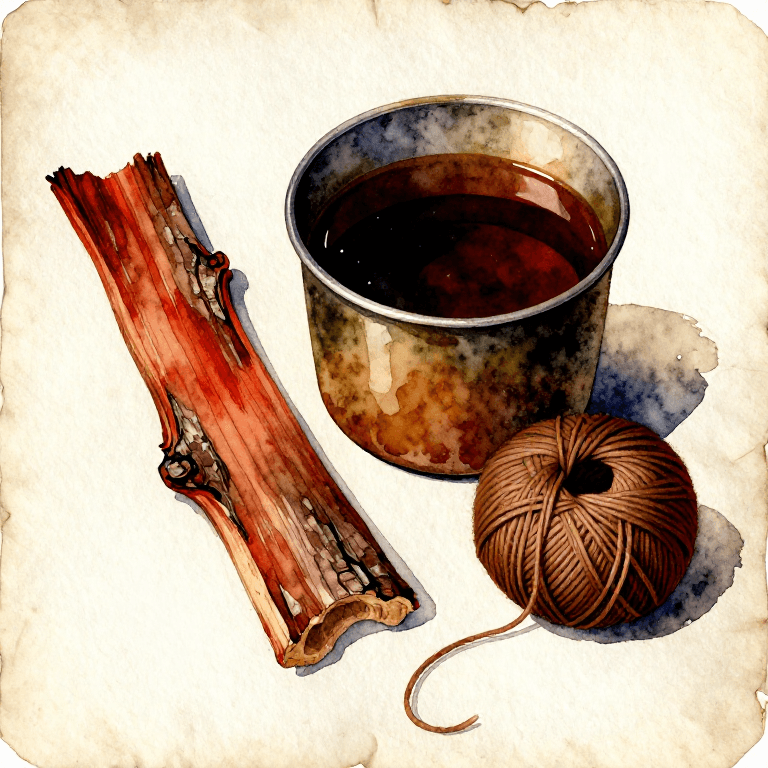
Dyeing Brown-Black with Alder Bark — The Northern European Dark Dye
Tex کی طرف سے
کپڑا اور چمڑا
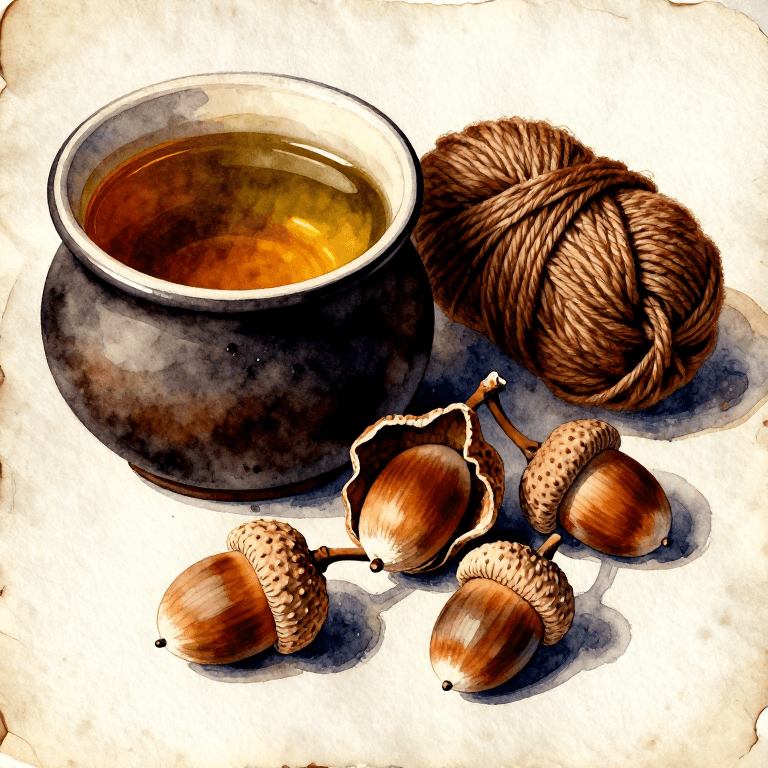
Dyeing Brown with Acorns — The Universal Tannin Dye of the Ancient World
Tex کی طرف سے
کپڑا اور چمڑا
CC0 پبلک ڈومین
یہ بلیو پرنٹ CC0 کے تحت جاری کیا گیا ہے۔ آپ اجازت لیے بغیر اس کام کو نقل، ترمیم، تقسیم اور کسی بھی مقصد کے لیے استعمال کرنے کے لیے آزاد ہیں۔
میکر کی حمایت کریں ان کے بلیو پرنٹ کے ذریعے پروڈکٹس خرید کر جہاں وہ میکر کمیشن وینڈرز کی طرف سے مقرر، کماتے ہیں، یا اس بلیو پرنٹ کی نئی تکرار بنائیں اور آمدنی شیئر کرنے کے لیے اسے اپنے بلیو پرنٹ میں کنکشن کے طور پر شامل کریں۔