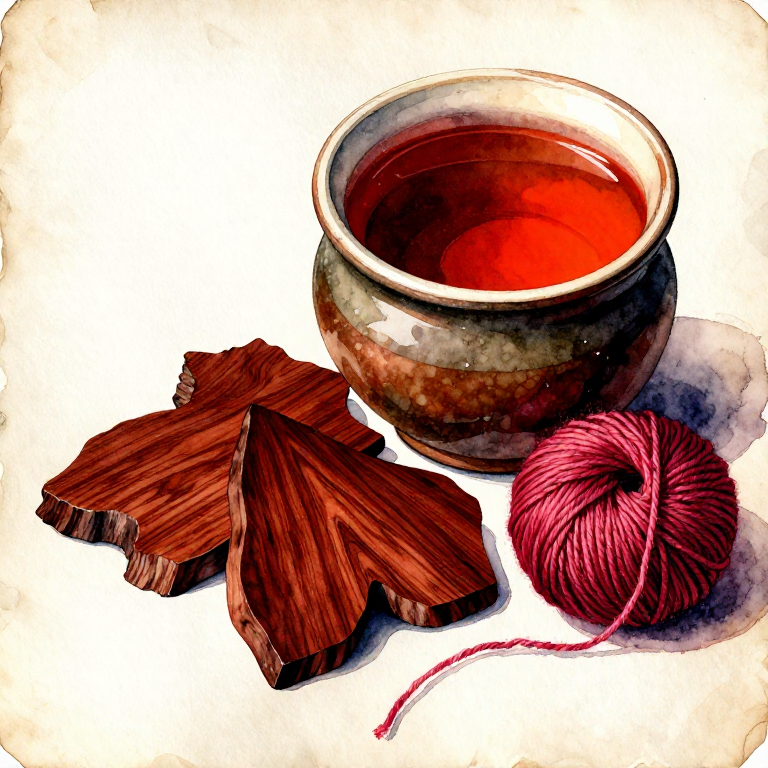

Dyeing Red with Sappanwood — The Asian Heartwood Dye That Preceded Brazilwood
Sappanwood (Caesalpinia sappan) is a small thorny tree native to Southeast Asia and the Indian subcontinent. Its dense, reddish heartwood contains brazilin — the same dye molecule found in the closely related brazilwood (Caesalpinia echinata) of South America. When brazilin oxidises in air and alkaline conditions, it becomes brazilein, a vivid red pigment. Sappanwood was the primary red wood-dye of Asia for over two thousand years, used extensively in India, China, Japan, and throughout Southeast Asia.
In Japan, sappanwood is known as suō (蘇芳) and was one of the most important dyes of the Heian period (794-1185 CE). Japanese court colours — the elaborate system of layered robes whose colours signified rank and season — relied on sappanwood for its reds and pinks. Chinese dyers used sappanwood (sumu, 苏木) as both a textile dye and a traditional medicine. In Southeast Asia, sappanwood chips are still brewed as a herbal drink (nam fang in Thai) valued for its deep red colour.
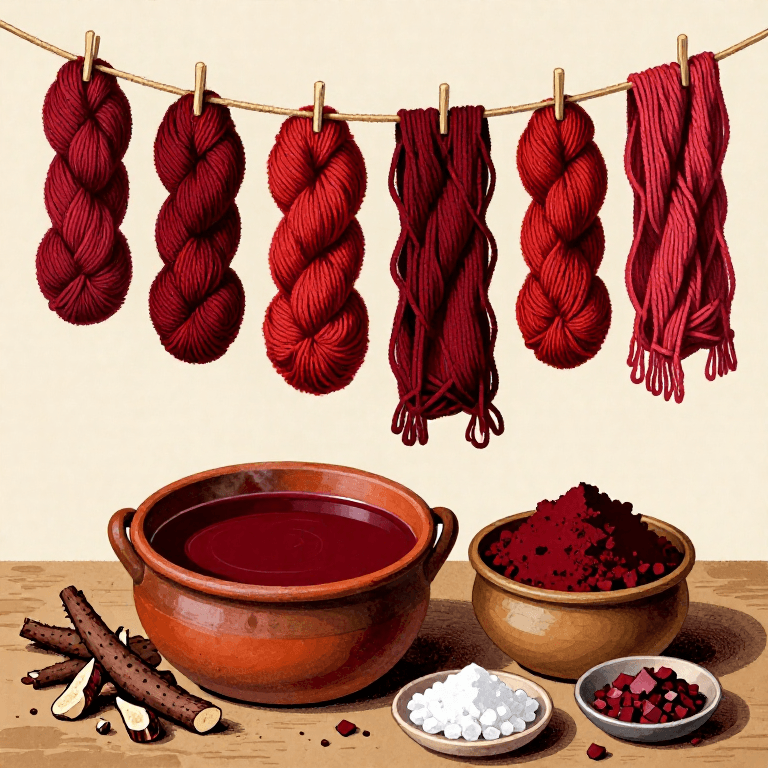
On alum-mordanted wool, sappanwood produces warm rose-red to crimson. The colour is not as lightfast as cochineal or madder — sappanwood red fades in prolonged sunlight — but it is one of the most beautiful and accessible reds from a plant source. The chemistry is simple: chip the wood, simmer, strain, and dye. With alkaline modifiers (washing soda), the colour shifts to deep crimson-purple. With acid (vinegar), it shifts to bright orange-red.
ہدایات
Weigh the sappanwood chips
Weigh the sappanwood chips
Use 50-100% WOF of sappanwood chips for a medium to deep red. For 100 g of wool, weigh out 50-100 g of chips. Sappanwood is sold as small chips or shavings of the dense, reddish-orange heartwood. The chips should be a deep orange-red colour — pale or yellowish chips come from the sapwood and contain little brazilin. Good quality sappanwood chips stain your fingers red-orange when handled.
اس مرحلے کے لیے مواد:
 بقم کی لکڑی کے ٹکڑے80 گرام
درکار اوزار:
 ڈیجیٹل باورچی خانہ ترازو
Soak the chips overnight in warm water
Soak the chips overnight in warm water
Place the sappanwood chips in the dye pot with 4 litres of warm water and soak overnight (8-12 hours). The chips will begin releasing brazilin slowly — the water will turn a deep orange-red during soaking. This pre-extraction step is essential because sappanwood heartwood is dense and releases its dye gradually. By morning, the soaking liquid will be a vivid red-orange.
درکار اوزار:
 یخنی کی بڑی دیگ
Simmer the chips for 60 minutes
Simmer the chips for 60 minutes
Bring the pot to a gentle simmer (80-85°C) and hold for 60 minutes. Do not boil — excessive heat dulls sappanwood colour. Stir occasionally. The liquid will deepen to an intensely vivid red, almost opaque. During simmering, the brazilin in the heartwood oxidises to brazilein (the active dye compound). The chips will pale after thorough extraction but can be simmered again in fresh water for a weaker second bath.
درکار اوزار:
 پکوان کا تھرمامیٹر
 لکڑی کا چمچہ
Strain out the chips
Strain out the chips
Strain the dye liquor through a fine mesh strainer into a clean pot. Squeeze the spent chips to extract all the red liquid. The strained dye bath is a brilliant, clear red — one of the most vivid plant-derived dye baths you will encounter. Wood chips left in contact with the wool during dyeing can cause uneven spots, so strain thoroughly.
درکار اوزار:
 باریک چھلنی
Dye alum-mordanted wool at 80°C for 45 minutes
Dye alum-mordanted wool at 80°C for 45 minutes
Pre-wet the alum-mordanted wool, squeeze out excess, and lower it into the sappanwood dye bath at room temperature. Slowly raise to 80°C and hold for 45 minutes. Turn gently every 10 minutes. Sappanwood dyes best at moderate temperatures — high heat degrades brazilein and shifts the colour toward muddy brown. The alum mordant forms a complex with the brazilein, producing a warm rose-red to crimson on wool.
اس مرحلے کے لیے مواد:
 اونی دھاگے کا لچھا100 گرام
 پھٹکری (پوٹاشیم ایلم)10 گرام
Cool overnight, rinse, and dry
Cool overnight, rinse, and dry
Turn off the heat and let the wool cool in the dye bath overnight. Remove, squeeze gently, and rinse in lukewarm water until the runoff is mostly clear. The final colour is a warm rose-red to soft crimson — beautiful but not as lightfast as madder or cochineal. Sappanwood red will fade noticeably over months in direct sunlight. For items that will see sun exposure, consider overdyeing periodically to refresh the colour. Store dyed items away from UV light for best colour retention. Dry in shade.
مواد
3- 80 گرامپلیس ہولڈر
- 100 گرامپلیس ہولڈر
- 10 گرامپلیس ہولڈر
درکار اوزار
5- پلیس ہولڈر
- پلیس ہولڈر
- پلیس ہولڈر
- پلیس ہولڈر
- پلیس ہولڈر
منسلک بلیو پرنٹ مواد
یہ بلوپرنٹ بناتا ہے

متعلقہ بلیو پرنٹ
یہ بلیو پرنٹ علم بانٹتے ہیں — تکنیک، مواد یا اصول
Dyeing with Logwood — The Colonial-Era Route to Natural Black and Purple
Tex کی طرف سے
کپڑا اور چمڑا
Dyeing Crimson with Cochineal — The Insect Dye That Conquered the World
Tex کی طرف سے
کپڑا اور چمڑا
Iron Saddening — Darkening and Shifting Natural Dye Colours with Iron Water
Tex کی طرف سے
کپڑا اور چمڑا
Dyeing Red-Orange with Bloodroot — The Sacred Dye of Pre-Columbian America
Tex کی طرف سے
کپڑا اور چمڑا
Dyeing Red with Brazilwood — The Dyewood That Named a Nation
Tex کی طرف سے
کپڑا اور چمڑا
Dyeing Turkey Red with Madder — The Most Important Red Dye in Human History
Tex کی طرف سے
کپڑا اور چمڑا
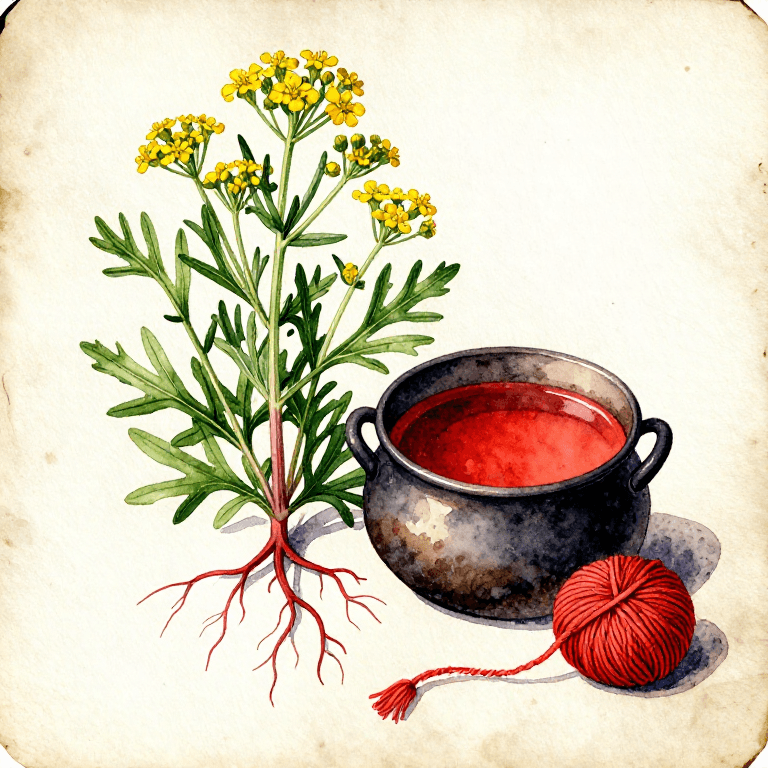
Dyeing Red with Lady's Bedstraw — The Wild Madder of Northern Europe
Tex کی طرف سے
کپڑا اور چمڑا
CC0 پبلک ڈومین
یہ بلیو پرنٹ CC0 کے تحت جاری کیا گیا ہے۔ آپ اجازت لیے بغیر اس کام کو نقل، ترمیم، تقسیم اور کسی بھی مقصد کے لیے استعمال کرنے کے لیے آزاد ہیں۔
میکر کی حمایت کریں ان کے بلیو پرنٹ کے ذریعے پروڈکٹس خرید کر جہاں وہ میکر کمیشن وینڈرز کی طرف سے مقرر، کماتے ہیں، یا اس بلیو پرنٹ کی نئی تکرار بنائیں اور آمدنی شیئر کرنے کے لیے اسے اپنے بلیو پرنٹ میں کنکشن کے طور پر شامل کریں۔