تعاون
فن
خوبصورتی اور تندرستی
دستکاری
ثقافت اور تاریخ
تفریح
ماحول
خوراک اور مشروبات
ریورس انجینئرنگ
سائنسز
کھیل
ٹیکنالوجی
پہننے والے آلات
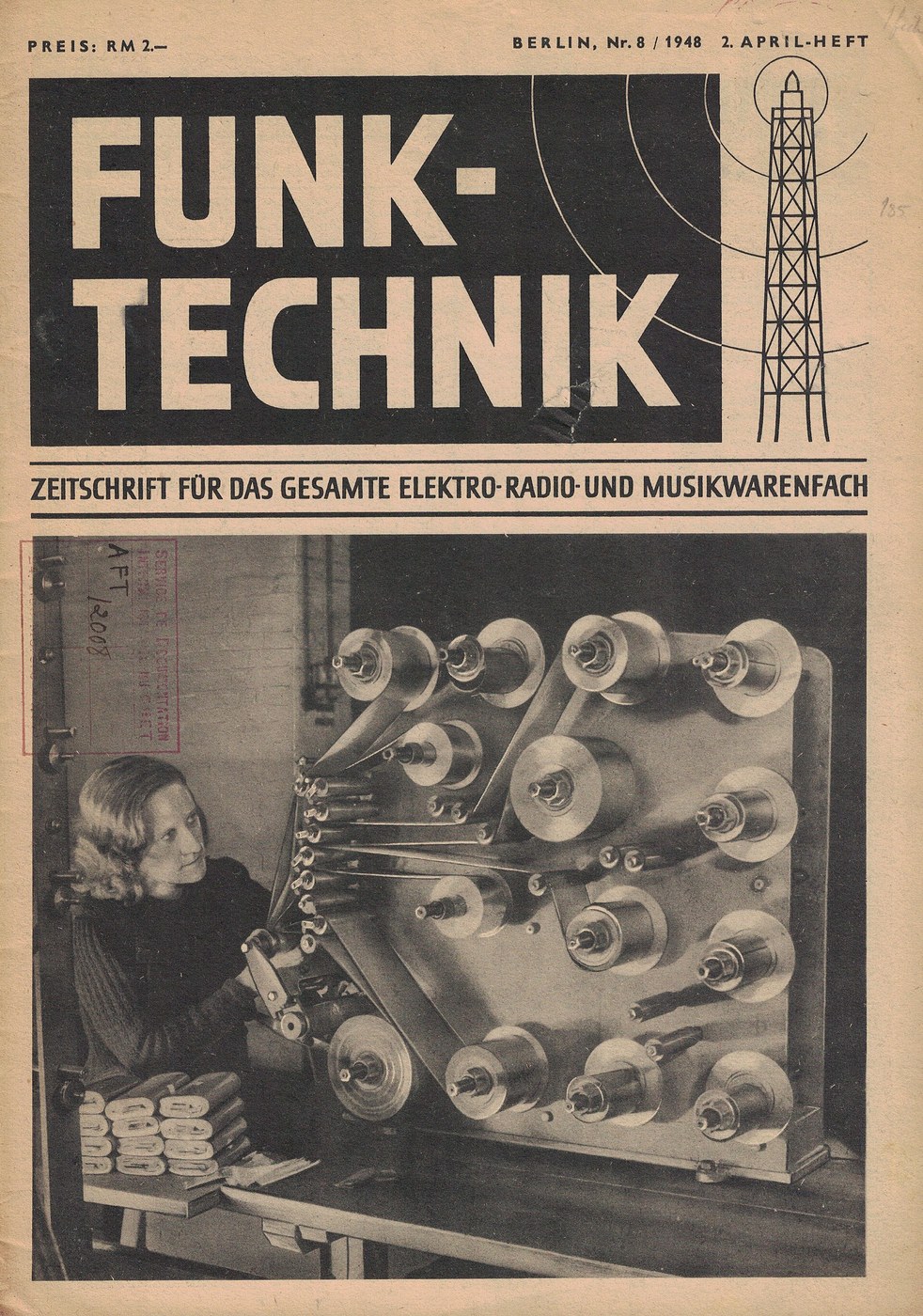


Electrolytic Capacitors: Borate Paper Wound with Formed Aluminium Foil and Vacuum-Impregnated (Danziger, US 2,107,780)
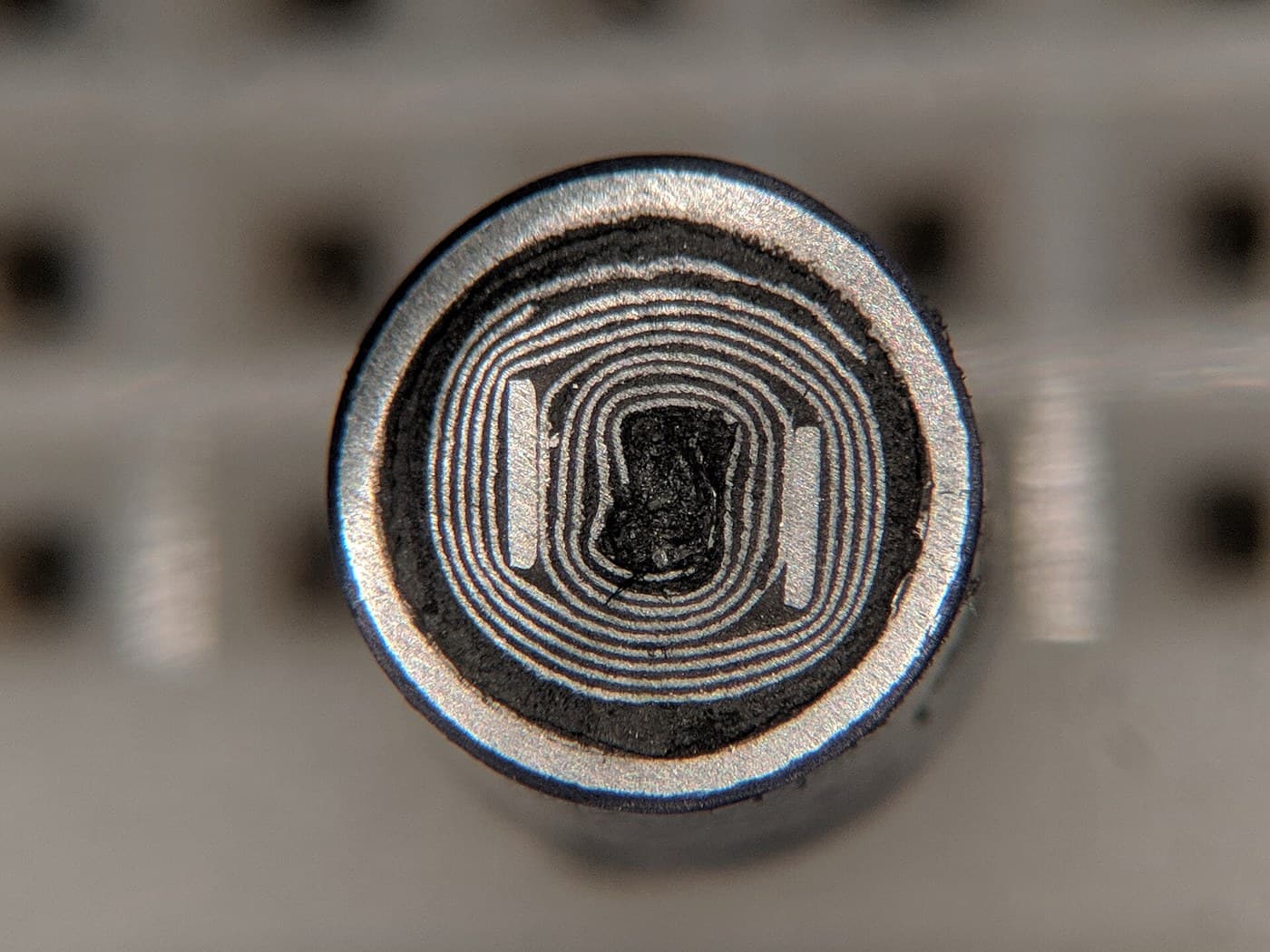
A dry electrolytic capacitor wound from aluminium foil and paper. The paper is first soaked in ammonium borate and dried, so the salt is already in its fibres. After winding, the bodies are soaked under heat and vacuum in borate dissolved in glycol, boxed and aged at 500 volts.
Result: electrolytic capacitors. In the patent's tests these lost only 4.8 % of their capacity, against about 33 % for bodies made the ordinary way, and their power-factor loss rose 87 % on life test against 250 %.
Source: H. I. Danziger and A. Di Giacomo, US 2,107,780 (1938). Unknown: how the anode foil is formed, which paper, the tab metal, and how the ammonium borate is made; the patent does not give them. Picture: Wikimedia Commons.
اعلیٰ
1 day
ہدایات
1
1
Salt the paper
Salt the paper
Draw the paper strip through a saturated solution of ammonium borate in water, about 15 to 30 seconds for each part of it, then dry it at about 80 °C for about 15 seconds and reel it up. The salted paper keeps until needed. Unknown: which paper. Ours: a tray for the bath and a drying oven.
اس مرحلے کے لیے مواد:
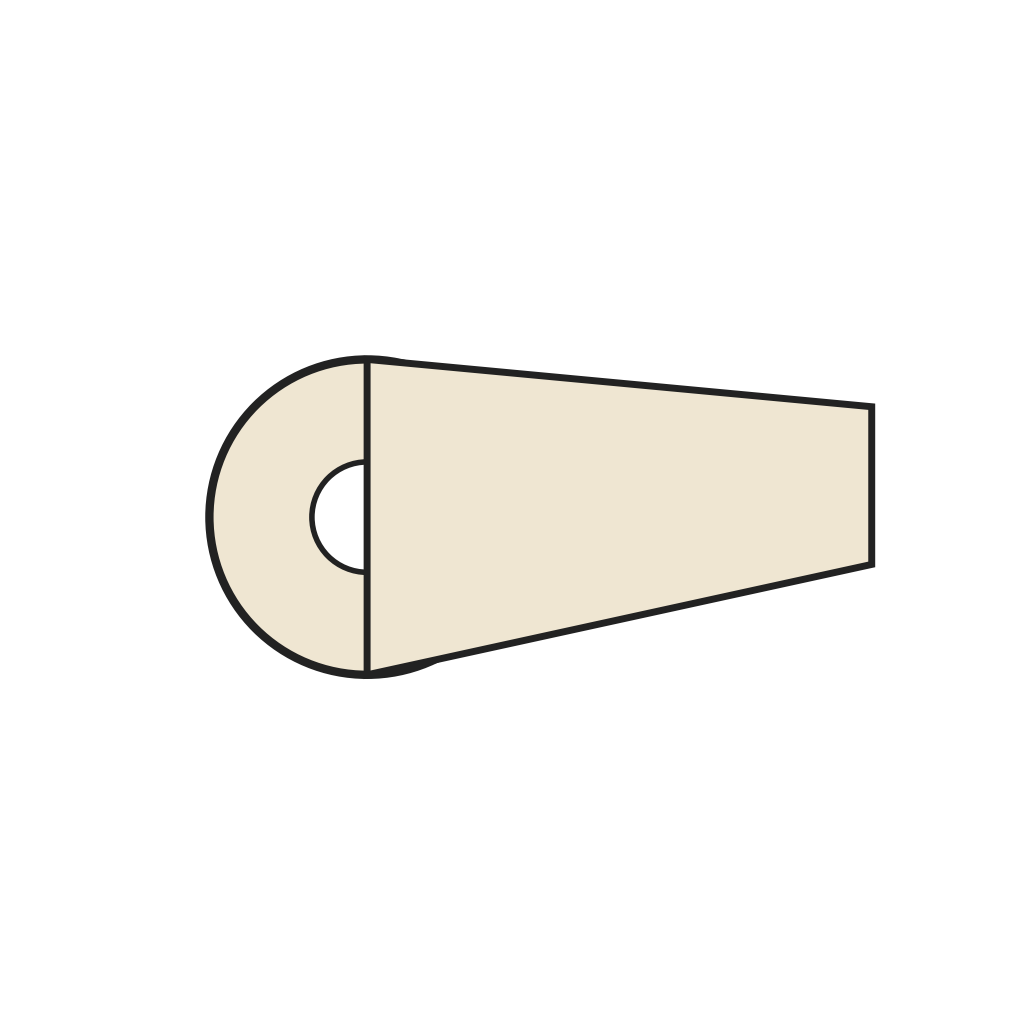 کیپیسٹر اسپیسر کاغذ1 strip
 امونیم بوریٹ1 to saturate
درکار اوزار:
 پانی
 تھالی
 سُکھانے کا تنور
2
2
Wind the bodies
Wind the bodies
On a winding machine, wind two aluminium foil strips with the salted paper between them onto a mandrel; at least one foil must already carry its electrolytic film. One paper strip is enough. Let the paper stand out at both ends, bring a connection tab out of each end, cut the strips and hold the body wound with a rubber band. Unknown: how the foil was formed, and the tab metal.
اس مرحلے کے لیے مواد:
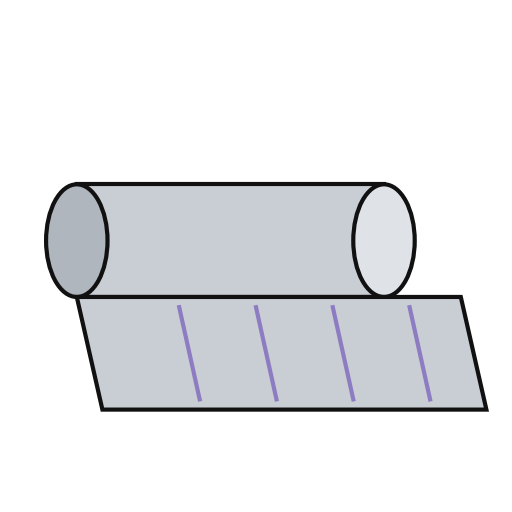 فارمڈ ایلومینیم پنی1 strip
 ایلومینیم ورق1 strip
 نامعلوم دھات2 tabs
درکار اوزار:
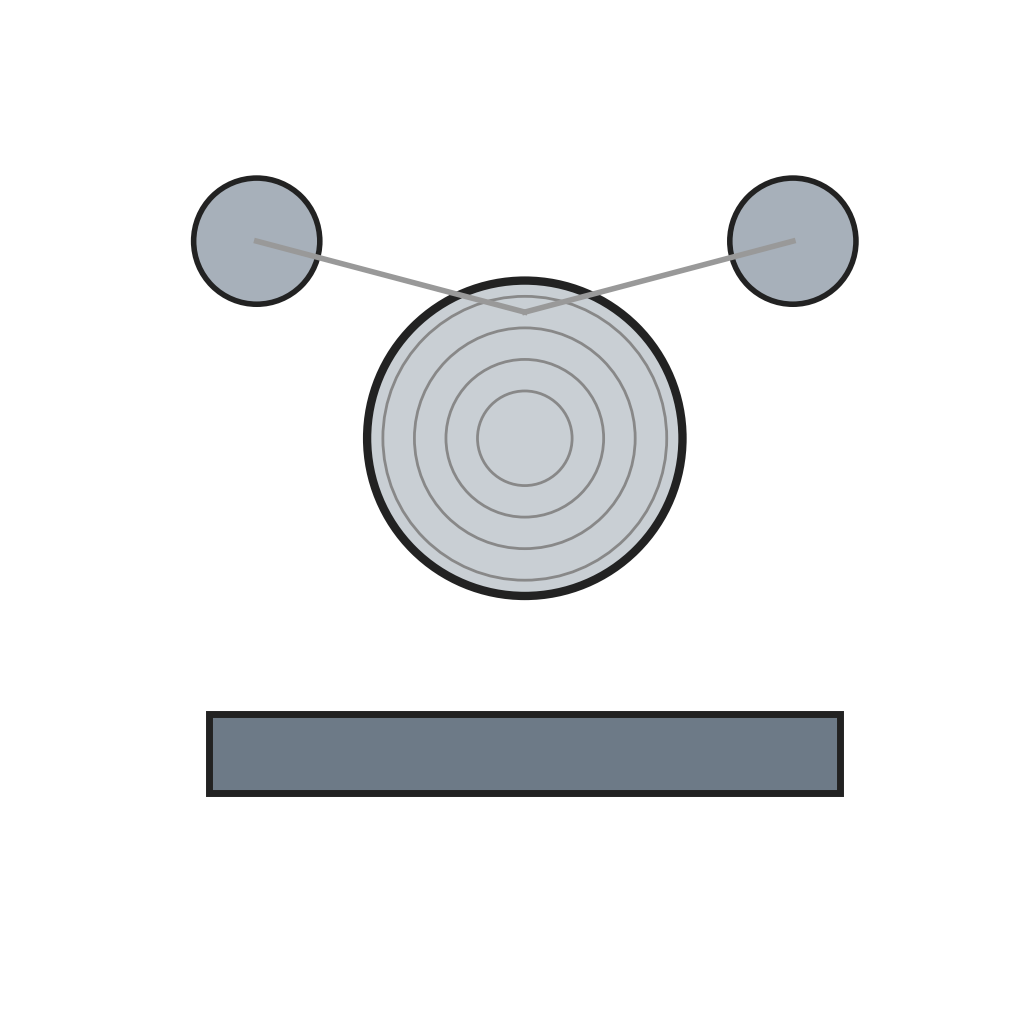 کیپیسٹر وائنڈنگ مشین
 ربڑ بینڈ
3
3
Make the impregnant
Make the impregnant
Heat ethylene glycol to about 90 °C, then stir in powdered ammonium borate slowly and continuously until the solution reaches about 122 °C. Ours: a hot plate and thermometer.
اس مرحلے کے لیے مواد:
 ایتھیلین گلائکول1 as requiredامونیم بوریٹ1 as required
درکار اوزار:
 گرم پلیٹ
 حرارت پیما
4
4
Soak under heat and vacuum
Soak under heat and vacuum
Rack the bodies in a vacuum tank heated to about 50 °C and draw about 745 mm of vacuum for about an hour to pull out air and moisture. Draw in the impregnant at about 85 °C, ease the vacuum to about 310 mm, and hold at about 85 °C for about another hour.
درکار اوزار:
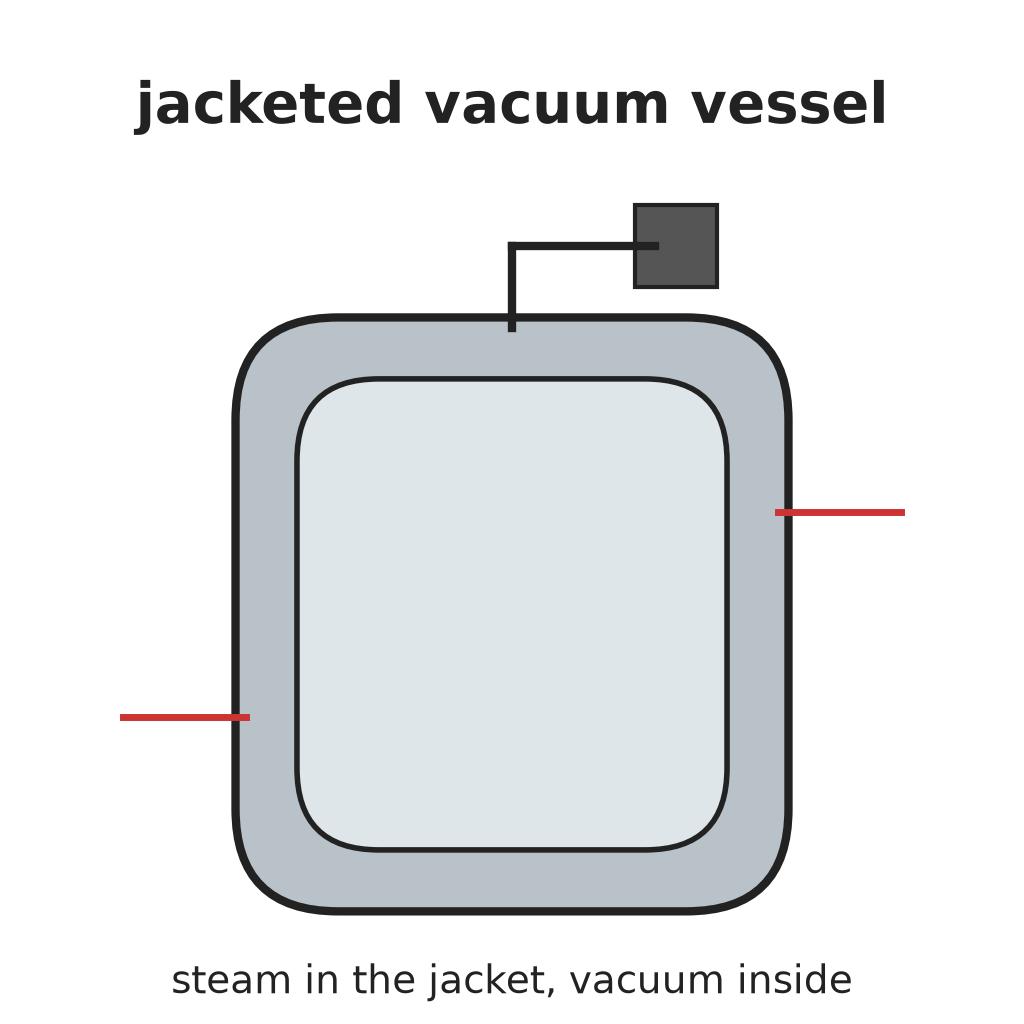 بھاپ جیکٹ والا ویکیوم برتن
 خلائی پمپحرارت پیما
5
5
Box and age
Box and age
Take the bodies out, put them in cardboard containers, and age them at about 500 volts DC for about three hours.
اس مرحلے کے لیے مواد:
 گتے کی نلکی1 per capacitor
درکار اوزار:
 بلند وولٹیج راست رو منبع (میز کا)
مواد
7- 1 stripپلیس ہولڈر
- 1 as requiredپلیس ہولڈر
- 1 stripپلیس ہولڈر
- 1 stripپلیس ہولڈر
- 2 tabsپلیس ہولڈر
- 1 as requiredپلیس ہولڈر
- 1 per capacitorپلیس ہولڈر
درکار اوزار
10- پلیس ہولڈر
- پلیس ہولڈر
- پلیس ہولڈر
- پلیس ہولڈر
- پلیس ہولڈر
- پلیس ہولڈر
- پلیس ہولڈر
- پلیس ہولڈر
- 1 vendor sell this, none ship to you yetپلیس ہولڈر
- پلیس ہولڈر
یہ بلوپرنٹ بناتا ہے
متعلقہ بلیو پرنٹ
یہ بلیو پرنٹ علم بانٹتے ہیں — تکنیک، مواد یا اصول
CC0 پبلک ڈومین
یہ بلیو پرنٹ CC0 کے تحت جاری کیا گیا ہے۔ آپ اجازت لیے بغیر اس کام کو نقل، ترمیم، تقسیم اور کسی بھی مقصد کے لیے استعمال کرنے کے لیے آزاد ہیں۔
میکر کی حمایت کریں ان کے بلیو پرنٹ کے ذریعے پروڈکٹس خرید کر جہاں وہ میکر کمیشن وینڈرز کی طرف سے مقرر، کماتے ہیں، یا اس بلیو پرنٹ کی نئی تکرار بنائیں اور آمدنی شیئر کرنے کے لیے اسے اپنے بلیو پرنٹ میں کنکشن کے طور پر شامل کریں۔