فن
خوبصورتی اور تندرستی
دستکاری
ثقافت اور تاریخ
تفریح
ماحول
خوراک اور مشروبات
ریورس انجینئرنگ
سائنسز
کھیل
ٹیکنالوجی
پہننے والے آلات
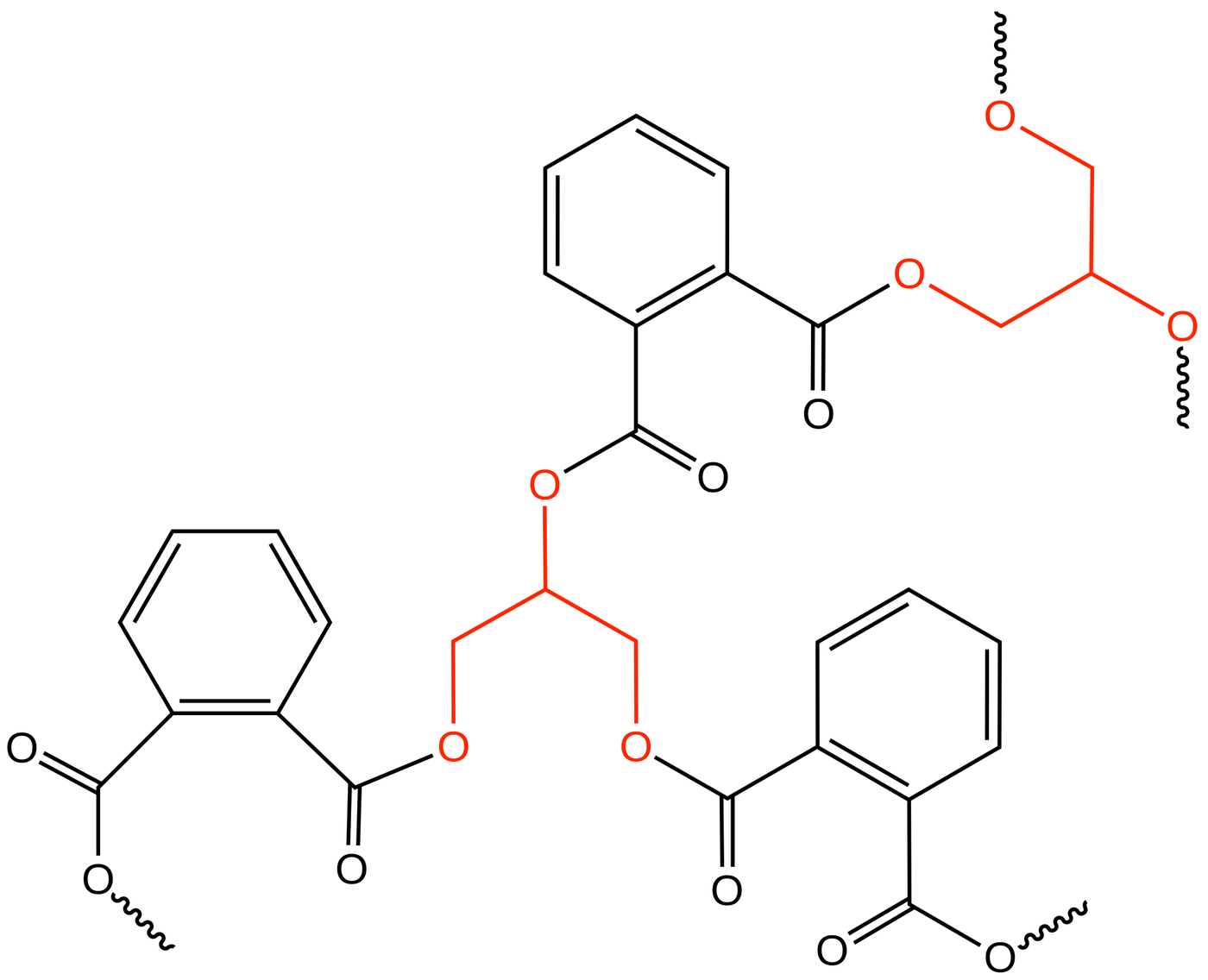


Glyptal Resin from Glycerin and Phthalic Anhydride: Callahan, 1914
Michael J. Callahan of General Electric patented this in 1914, US 1,108,329 (filed 1912): glycerin and phthalic anhydride heated together give a brittle, transparent, yellowish resin that dissolves in acetone and serves as a varnish. Heated afterwards at a moderate temperature for a long time it turns hard, infusible and insoluble, free of bubbles, with high dielectric strength, for insulating coils and wires. Resins of glycerol and phthalic acid like this were the original alkyds, sold under the name Glyptal.
اعلیٰ
Workshop process
ہدایات
1
1
Weigh out the charge
Weigh out the charge
Jupyter نوٹ بک لوڈ ہو رہی ہے…
2
2
Fuse the charge
Fuse the charge
Mix two parts by weight of phthalic anhydride with one part of glycerin and heat slowly in a suitable container. At about 100 °C the two fuse to a clear liquid and a slight distillation begins.
اس مرحلے کے لیے مواد:
 تھیلک اینہائیڈرائیڈ2 parts by weight
 گلیسرول1 part by weight
درکار اوزار:
 بوروسلیکیٹ بیکر
 گرم پلیٹ
 حرارت پیما
 شیشے کی ہلانے والی سلاخ
3
3
Hold at 185 °C until distillation stops
Hold at 185 °C until distillation stops
Raise the temperature to about 185 °C and keep it there until distillation ceases. Then go on heating at this temperature, or a little higher, about 210 °C, until the first stage of the reaction is complete.
درکار اوزار:
گرم پلیٹحرارت پیما4
4
Test samples and stop in time
Test samples and stop in time
Take small samples from the mass and let them cool. As soon as a sample is hard and brittle, without stickiness, stop heating and let the product cool. It sets to a brittle, transparent, somewhat yellowish mass that melts again on heating and dissolves in acetone. Do not heat further: the second stage then starts with a rapid rise in temperature, violent boiling sets in at about 275 °C, and the result is a hard, brittle mass full of cavities.
درکار اوزار:
شیشے کی ہلانے والی سلاخحرارت پیما5
5
Dissolve it in acetone for varnish
Dissolve it in acetone for varnish
Dissolve the resin in acetone. The solution is clear and can be used as a varnish: impregnate the fibrous covering of coils or wires with it, or paint it on, then evaporate the acetone.
درکار اوزار:
بوروسلیکیٹ بیکرشیشے کی ہلانے والی سلاخ باریک برش
 ایسیٹون
6
6
Harden it slowly
Harden it slowly
Harden the coated or cast resin by heating it at a moderate temperature, preferably about 85 to 100 °C, for a time that depends on the mass: a layer about 0.2 inch thick takes about 15 to 20 hours. In some cases a higher temperature, say 135 °C, can be used. No bubbles form, and the product is hard, dense, infusible and practically insoluble in the usual solvents.
درکار اوزار:
 سُکھانے کا تنورحرارت پیما
یہ بلوپرنٹ بناتا ہے
متعلقہ بلیو پرنٹ
یہ بلیو پرنٹ علم بانٹتے ہیں — تکنیک، مواد یا اصول

CC0 پبلک ڈومین
یہ بلیو پرنٹ CC0 کے تحت جاری کیا گیا ہے۔ آپ اجازت لیے بغیر اس کام کو نقل، ترمیم، تقسیم اور کسی بھی مقصد کے لیے استعمال کرنے کے لیے آزاد ہیں۔
میکر کی حمایت کریں ان کے بلیو پرنٹ کے ذریعے پروڈکٹس خرید کر جہاں وہ میکر کمیشن وینڈرز کی طرف سے مقرر، کماتے ہیں، یا اس بلیو پرنٹ کی نئی تکرار بنائیں اور آمدنی شیئر کرنے کے لیے اسے اپنے بلیو پرنٹ میں کنکشن کے طور پر شامل کریں۔