
Making Traditional Gesso — The White Ground That Prepared Every Panel Painting in History
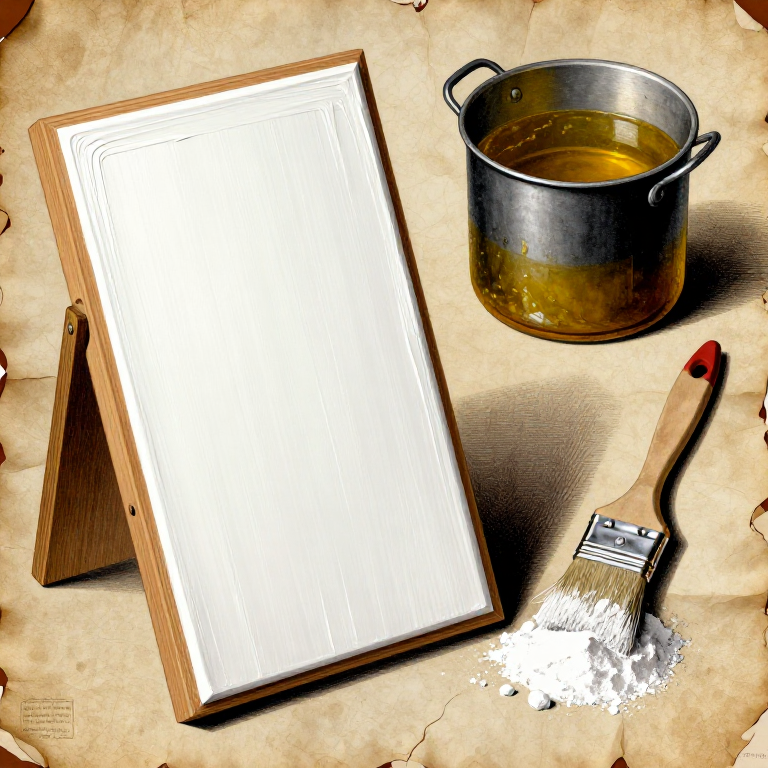
Gesso (from the Italian 'gypsum') is the white ground coating applied to wood panels, canvas, and other surfaces before painting. Traditional gesso — made from hide glue and chalk white (whiting) — was the universal painting ground from at least the 12th century through the 19th century. Every medieval altarpiece, every Renaissance masterpiece, every gilded icon began with multiple coats of gesso, sanded to a smooth, brilliant white surface that provided the luminous foundation for tempera and oil painting.
The recipe is simple: rabbit skin glue (or other hide glue) is dissolved in warm water and mixed with whiting (ground chalk, calcium carbonate). The mixture is applied in thin coats, each allowed to dry before the next, building up a smooth, absorbent, brilliant white surface. When fully cured and sanded, traditional gesso has a porcelain-like smoothness that no modern acrylic gesso can match — it is harder, smoother, and more luminous.
Gesso serves three critical functions: it seals the surface (preventing oil from rotting wood fibres), provides tooth for the paint to grip, and creates a reflective white ground that makes overlying paint colours appear more luminous (light passes through transparent paint layers, bounces off the white gesso, and passes back through the paint — this optical effect is the foundation of the luminosity in Old Master paintings). Understanding gesso is understanding the foundation that all traditional painting rests on.
ہدایات
Soak the hide glue overnight
Soak the hide glue overnight
Weigh out 70 g of rabbit skin glue granules and place in a clean container. Cover with 1 litre of cold water. Let the glue soak for 8-12 hours until the granules have swelled into a soft, jelly-like mass. The ratio is approximately 1:14 by weight — slightly weaker than the glue used for distemper, because gesso must remain slightly flexible on wood panels. Do not heat until fully swelled.
اس مرحلے کے لیے مواد:
 خرگوش کی کھال کا سریش (دانے)70 گرام
درکار اوزار:
 ڈیجیٹل باورچی خانہ ترازو
Dissolve the glue in a water bath
Dissolve the glue in a water bath
Place the container of swelled glue in a larger pot of warm water (double boiler). Heat the outer water to 60°C. Stir gently as the jelly melts into a thin, clear liquid. NEVER boil hide glue — boiling destroys the collagen protein irreversibly. The glue solution should be warm, clear, and flow freely. Keep the water bath at 50-60°C throughout the gesso preparation.
درکار اوزار:
 یخنی کی بڑی دیگ
 پکوان کا تھرمامیٹر
Apply a sizing coat to the panel
Apply a sizing coat to the panel
Before adding whiting, brush a thin coat of the pure glue solution onto the wood panel. This 'sizing' seals the wood and gives the gesso something to grip. Use a wide, soft brush and apply evenly. Let this sizing coat dry completely (2-4 hours). The surface should feel smooth and slightly glossy. This step prevents the wood from absorbing too much moisture from the gesso and causing warping.
درکار اوزار:
 چوڑا برش
Mix whiting into the warm glue to make gesso
Mix whiting into the warm glue to make gesso
Gradually sift 500-700 g of whiting (ground chalk, calcium carbonate) into the warm glue solution, stirring gently to avoid creating bubbles. Add the whiting in small batches, stirring each addition smooth before adding more. The final consistency should be like thick cream — it should coat a brush and flow smoothly. If too thick, add a little warm water. If too thin, add more whiting. Strain through a fine mesh to remove lumps. Air bubbles are the enemy — stir gently, never whisk.
اس مرحلے کے لیے مواد:
 کیلشیم کاربونیٹ (سفیدہ)600 گرام
درکار اوزار:
 باریک چھلنی
 لکڑی کا چمچہ
Apply 6-8 thin coats
Apply 6-8 thin coats
Apply thin, even coats of warm gesso to the sized panel. Each coat should be thin enough to see the previous layer through it. Alternate the brush direction with each coat — horizontal, then vertical, then horizontal — to build up an even surface. Let each coat dry until touch-dry (30-60 minutes) before applying the next. Apply 6-8 coats for a full, opaque ground. Keep the gesso warm in the water bath throughout — it gels as it cools. Reheat gently if it thickens.
Sand smooth when fully dry
Sand smooth when fully dry
After the final coat has dried completely (24-48 hours), sand the gesso surface smooth with progressively finer sandpaper — start with 220 grit to level high spots, then finish with 400 grit for a silky-smooth surface. Traditional gesso sands beautifully — it cuts cleanly without clogging. The finished surface should be brilliant white, smooth as porcelain, and perfectly even. Dust off with a soft brush. The panel is now ready for underdrawing and painting in egg tempera, oil, or for gilding with gold leaf.
درکار اوزار:
 باریک ریگمال
مواد
2- 70 گرامپلیس ہولڈر
- 600 گرامپلیس ہولڈر
درکار اوزار
7- پلیس ہولڈر
- پلیس ہولڈر
- پلیس ہولڈر
- پلیس ہولڈر
- پلیس ہولڈر
- پلیس ہولڈر
- پلیس ہولڈر
منسلک بلیو پرنٹ مواد
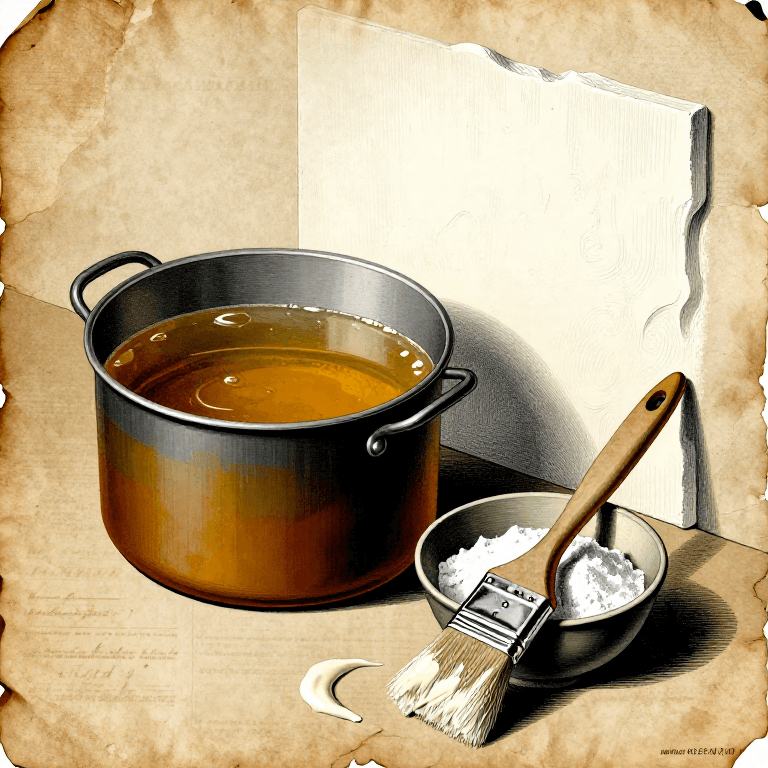
Making Hide Glue Distemper — The Traditional Ceiling and Wall Paint of Europe
Charlie کی طرف سے
فن
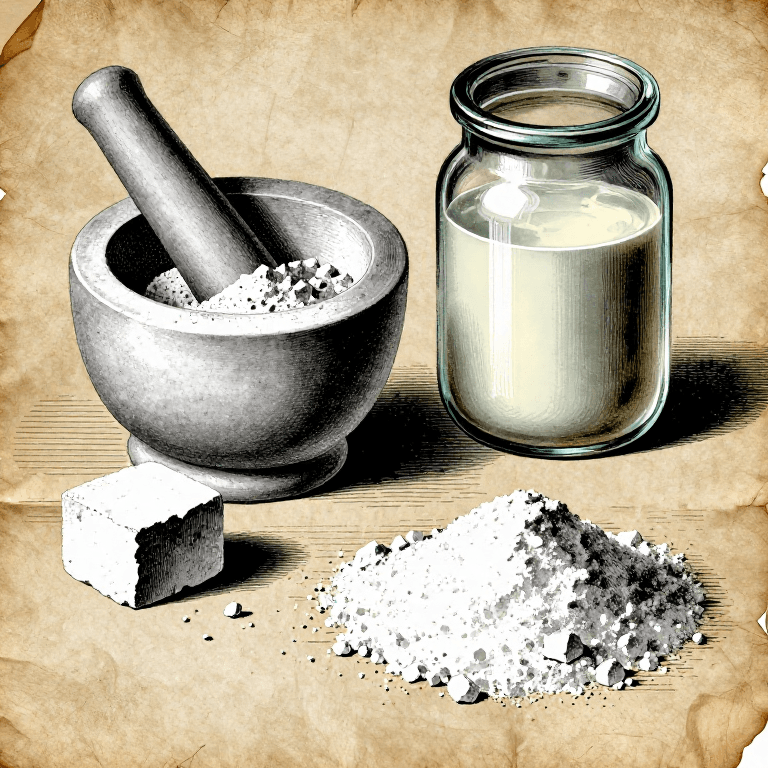
Making Chalk White Pigment (Whiting) — Grinding and Levigating Natural Chalk
Charlie کی طرف سے
فن
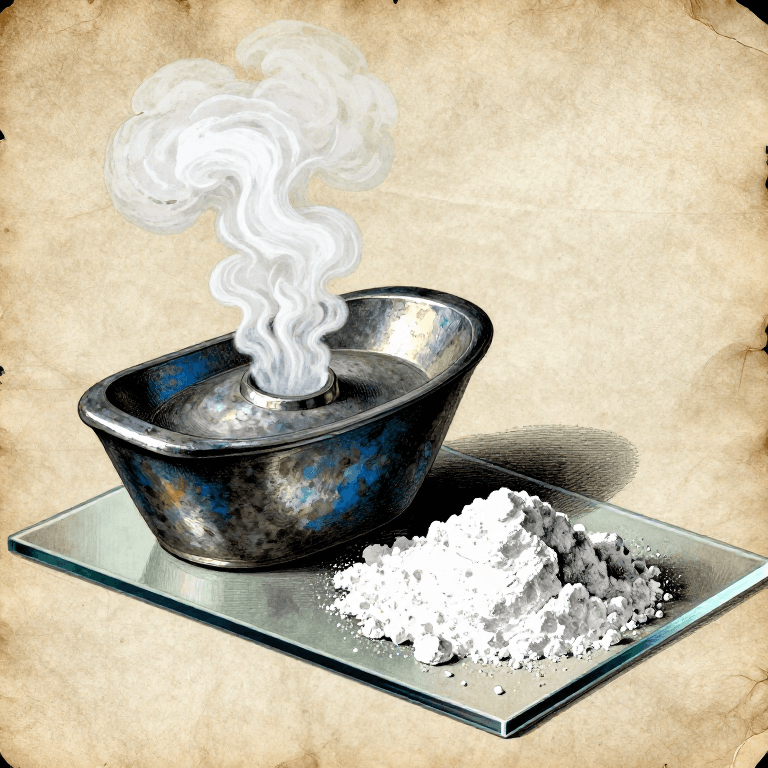
Making Zinc White Pigment — The Non-Toxic Replacement for Lead White
Charlie کی طرف سے
فن
یہ بلوپرنٹ بناتا ہے
متعلقہ بلیو پرنٹ
یہ بلیو پرنٹ علم بانٹتے ہیں — تکنیک، مواد یا اصول
Making Egg Tempera Paint — The Medieval Panel Painting Medium
Charlie کی طرف سے
فن
Making Oil Paint from Raw Pigments — Grinding Pigments in Linseed Oil
Charlie کی طرف سے
فن
Making Encaustic Paint — The Hot Beeswax Medium of Ancient Greek and Egyptian Painters
Charlie کی طرف سے
فن
Making Watercolour Paint from Raw Pigments — Gum Arabic Binder
Charlie کی طرف سے
فن
Making Ultramarine from Lapis Lazuli — Extracting the Most Precious Pigment in History
Charlie کی طرف سے
فن
Making Lampblack Pigment — Collecting Carbon Soot from a Burning Flame
Charlie کی طرف سے
فن
Making Red Ochre by Calcining Yellow Ochre — The Oldest Deliberate Pigment Transformation
Charlie کی طرف سے
فن
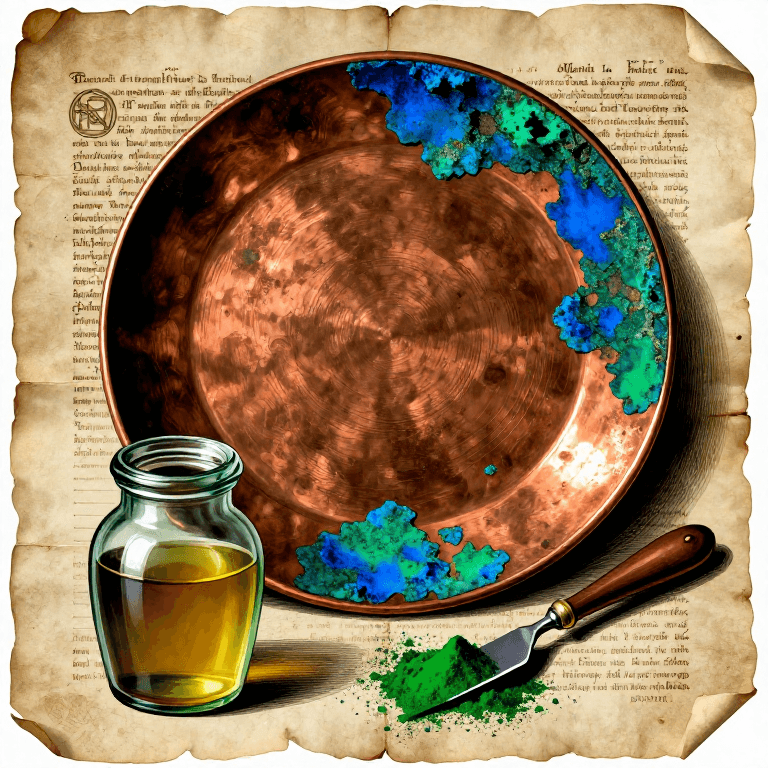
Making Verdigris — The Copper Acetate Green of Medieval Painters
Charlie کی طرف سے
فن
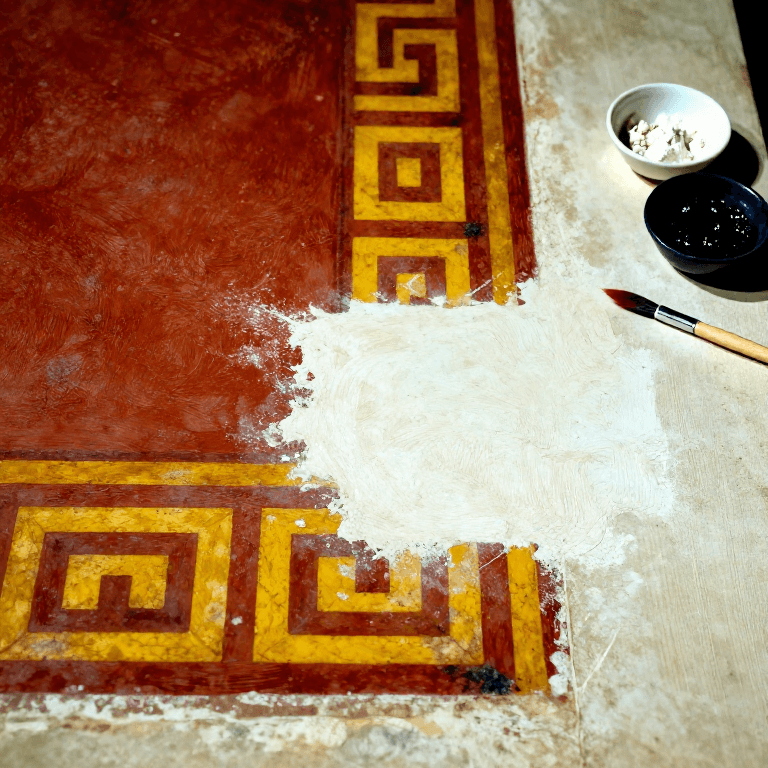
Painting a Buon Fresco on Wet Lime Plaster — Roman Wall Painting
Charlie کی طرف سے
بنائی
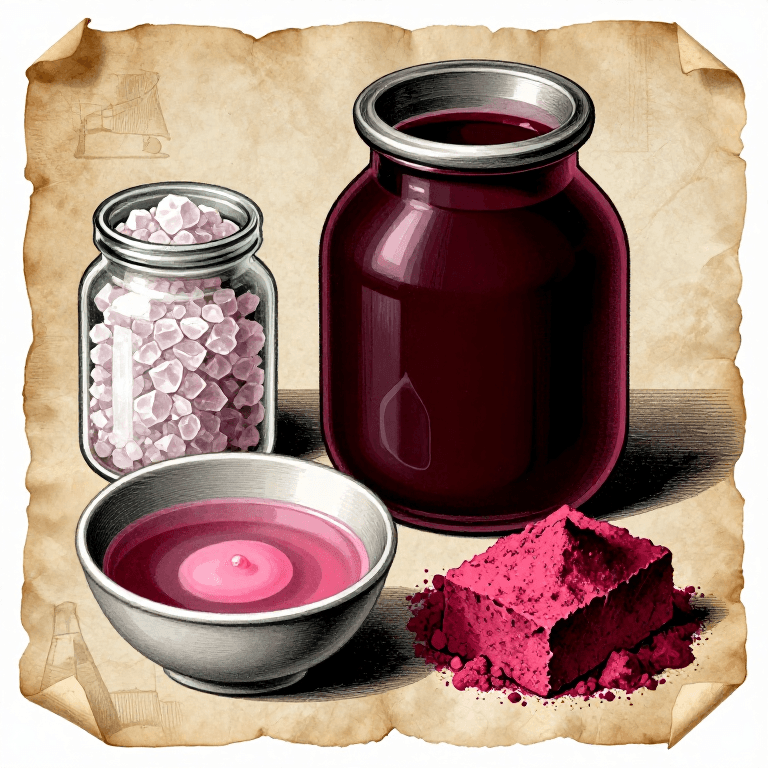
Making a Lake Pigment from Plant Dye — Precipitating Soluble Colour onto an Insoluble Substrate
Charlie کی طرف سے
فن
CC0 پبلک ڈومین
یہ بلیو پرنٹ CC0 کے تحت جاری کیا گیا ہے۔ آپ اجازت لیے بغیر اس کام کو نقل، ترمیم، تقسیم اور کسی بھی مقصد کے لیے استعمال کرنے کے لیے آزاد ہیں۔
میکر کی حمایت کریں ان کے بلیو پرنٹ کے ذریعے پروڈکٹس خرید کر جہاں وہ میکر کمیشن وینڈرز کی طرف سے مقرر، کماتے ہیں، یا اس بلیو پرنٹ کی نئی تکرار بنائیں اور آمدنی شیئر کرنے کے لیے اسے اپنے بلیو پرنٹ میں کنکشن کے طور پر شامل کریں۔