فن
خوبصورتی اور تندرستی
دستکاری
ثقافت اور تاریخ
تفریح
ماحول
خوراک اور مشروبات
ریورس انجینئرنگ
سائنسز
کھیل
ٹیکنالوجی
پہننے والے آلات
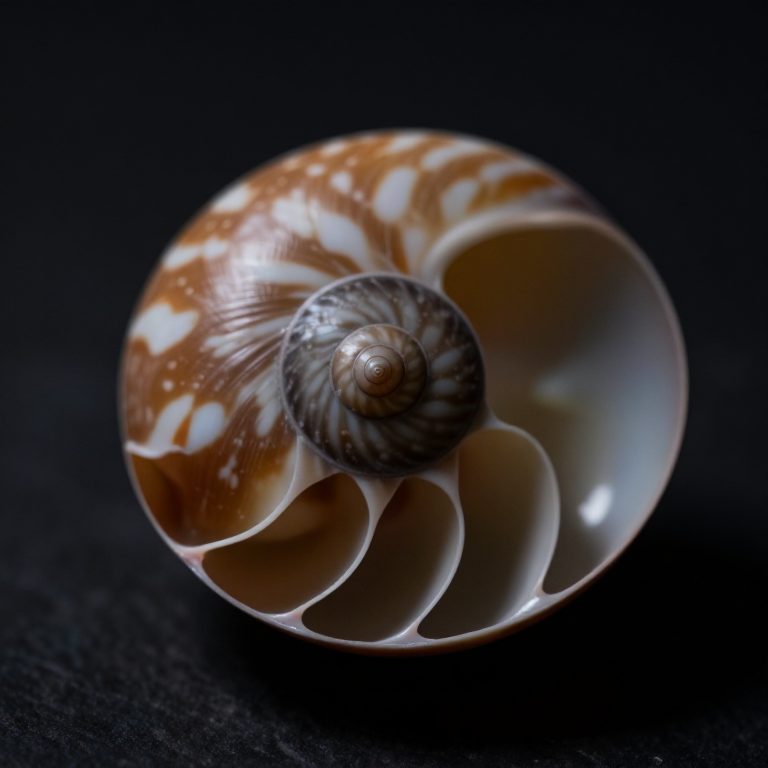


Fibonacci Numbers — Count the Spirals on a Pinecone
A hands-on maths project: count the two sets of spirals on a real pinecone or sunflower and discover they are Fibonacci numbers, then find the golden ratio hiding in the sequence. A Python cell shows the ratios closing in on 1.618, and a compendium separates the real maths of nature from the myths.
نیا سیکھنے والا
30 minutes
ہدایات
1
1
Nature's favourite numbers
Nature's favourite numbers
In 1202 Leonardo of Pisa -- Fibonacci -- wrote down a sequence where each number is the sum of the two before: 1, 1, 2, 3, 5, 8, 13, 21... The astonishing thing is that plants count with these numbers, and you can check it yourself.
2
2
Count the spirals
Count the spirals
Take a pinecone (a sunflower head or a pineapple works too). Look at the base: the scales form spirals winding one way and another set winding the other way. Mark a starting scale and count the spirals going clockwise, then count those going anticlockwise. Write both numbers down.
درکار اوزار:
 گریفائٹ پنسلوں کا سیٹ
 بلوط اور چیڑ کے مخروط کا دستکاری ڈبہ
3
3
Find the Fibonacci numbers
Find the Fibonacci numbers
Your two spiral counts are almost always two numbers that sit next to each other in the Fibonacci sequence -- very often 8 and 13, or 5 and 8, or 13 and 21. Check them against the sequence 1, 1, 2, 3, 5, 8, 13, 21, 34. Plants grow this way because it packs the seeds most efficiently.
درکار اوزار:
 حساب کرنے والا آلہ
4
4
Meet the golden ratio
Meet the golden ratio
Jupyter نوٹ بک لوڈ ہو رہی ہے…
درکار اوزار:
 ڈیسک ٹاپ کمپیوٹرحساب کرنے والا آلہ
5
5
Compendium: real patterns and tall tales
Compendium: real patterns and tall tales
What is true and what is exaggerated. (1) Fibonacci spiral counts in pinecones, sunflowers, pineapples and daisy petals are REAL, and happen because each new part grows at the 'golden angle' of about 137.5 degrees, which packs them tightest. (2) The ratio of neighbouring Fibonacci numbers genuinely approaches the golden ratio, phi = (1 + square root of 5) over 2 = 1.618..., the number satisfying phi-squared = phi + 1. (3) But be sceptical of claims that the golden ratio rules the Parthenon, the Mona Lisa or the 'perfect' face -- many are cherry-picked or made up. The maths in the pinecone is beautiful and real; not every romantic story about it is.
مواد
1- 1 شیٹپلیس ہولڈر
درکار اوزار
4- پلیس ہولڈر
- پلیس ہولڈر
- پلیس ہولڈر
- پلیس ہولڈر
متعلقہ بلیو پرنٹ
یہ بلیو پرنٹ علم بانٹتے ہیں — تکنیک، مواد یا اصول
CC0 پبلک ڈومین
یہ بلیو پرنٹ CC0 کے تحت جاری کیا گیا ہے۔ آپ اجازت لیے بغیر اس کام کو نقل، ترمیم، تقسیم اور کسی بھی مقصد کے لیے استعمال کرنے کے لیے آزاد ہیں۔
میکر کی حمایت کریں ان کے بلیو پرنٹ کے ذریعے پروڈکٹس خرید کر جہاں وہ میکر کمیشن وینڈرز کی طرف سے مقرر، کماتے ہیں، یا اس بلیو پرنٹ کی نئی تکرار بنائیں اور آمدنی شیئر کرنے کے لیے اسے اپنے بلیو پرنٹ میں کنکشن کے طور پر شامل کریں۔