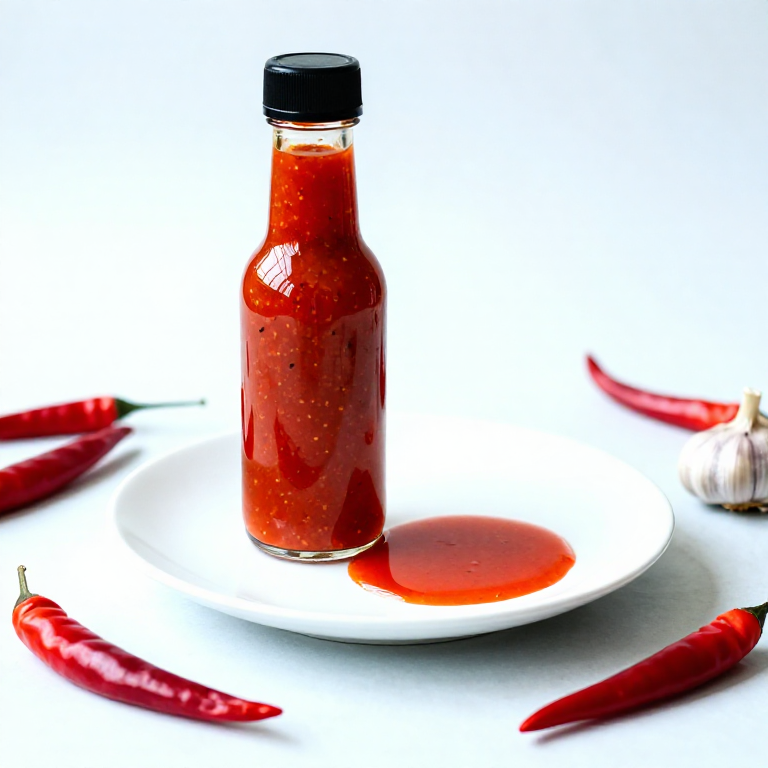


Fermenting a Lacto-Fermented Hot Sauce — Probiotic Chile Sauce
ہدایات
Prepare the Peppers
Prepare the Peppers
Wash the chilli peppers and remove the stems. For a milder sauce, remove the seeds and white pith (which contain the highest concentration of capsaicin). For maximum heat, leave everything in. Roughly chop the peppers and garlic. Toss with the sea salt in a bowl, mixing thoroughly. The salt draws moisture from the peppers through osmosis and creates an environment that favours Lactobacillus bacteria (which are salt-tolerant) over undesirable spoilage organisms. Use 3-4% salt by weight of the peppers — less than 2% risks spoilage, more than 5% inhibits the lactic acid bacteria too strongly and produces an excessively salty sauce.
اس مرحلے کے لیے مواد:
 تازی لال مرچیں500g گرام
 لہسن4-6 cloves ٹکڑا
 باریک سمندری نمک15-20g (3-4% of pepper weight) گرام
درکار اوزار:
 شیشے کا بھگونے والا مرتبان
 خمیر کا وزن
 بلینڈر
 باریک جالی والی چائے کی چھلنی
Pack and Ferment
Pack and Ferment
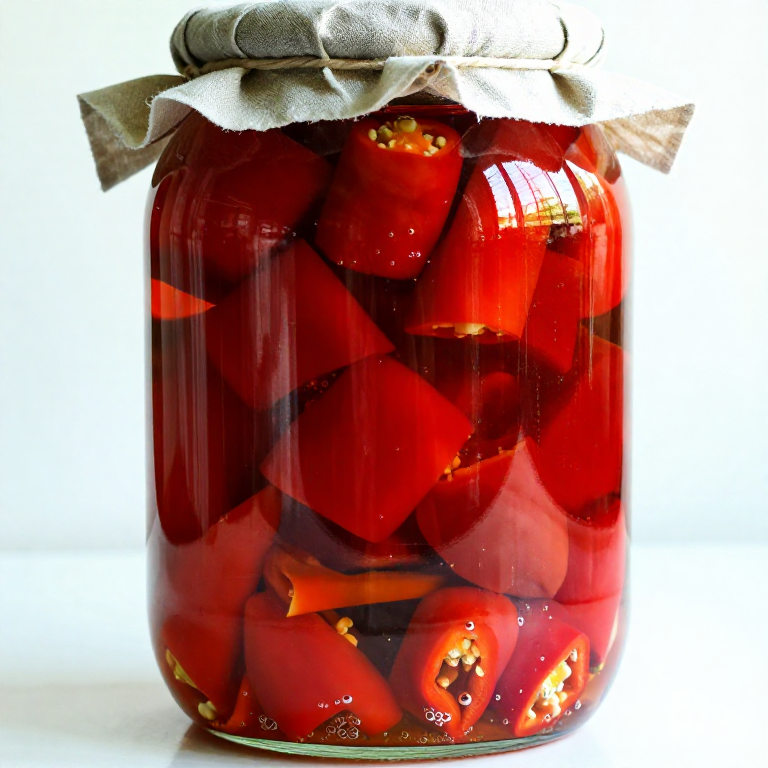
Pack the salted pepper mixture tightly into a clean glass jar, pressing down firmly to eliminate air pockets and submerge the peppers in their own brine. All solid material must remain below the liquid surface — exposed peppers will grow mould. Use a fermentation weight, a smaller jar filled with water, or a zip-lock bag filled with salt brine pressed onto the surface to keep everything submerged. Cover the jar with a loose lid, cloth, or airlock to allow CO2 to escape. Place in a warm location (20-25 degrees C) and leave undisturbed for 5-14 days. Bubbling indicates active fermentation — this is healthy. The brine may become cloudy, which is normal (live lactic acid bacteria).
Monitor the Fermentation
Monitor the Fermentation
Check the jar daily. Active bubbling is normal and desirable. White sediment at the bottom is normal (dead yeast and bacteria). A thin white film (kahm yeast) on the surface is harmless but should be skimmed off as it can contribute off-flavours. Any fuzzy mould (green, black, or pink) growing above the brine line means the surface was exposed to air — scrape it off if it is only on the surface and the submerged peppers still smell clean. Taste the brine after day 5 — it should be tangy, sour, and slightly fizzy. The peppers will soften as the cell walls break down. The fermentation is complete when bubbling slows significantly and the flavour is pleasantly sour with no raw vegetable taste, typically 7-14 days.
Blend into Sauce
Blend into Sauce
Transfer the fermented peppers and their brine into a blender. Blend until smooth, adding additional brine or a splash of white vinegar to reach your desired consistency — thinner for a pourable Louisiana-style sauce, thicker for a paste-like sriracha-style sauce. Vinegar addition lowers the pH further (extending shelf life) and adds a sharper acidity that complements the mellow lactic tang. For a perfectly smooth sauce, strain through a fine mesh sieve. Taste and adjust: add more salt if flat, more vinegar if not tangy enough, or a pinch of sugar if excessively sour.
Bottle and Store
Bottle and Store
Pour the finished sauce into clean glass bottles or jars. Fermented hot sauce stored in the refrigerator keeps for 6-12 months. The flavour continues to develop and mellow over the first few weeks in the bottle — freshly blended sauce can taste sharp and one-dimensional, but after 1-2 weeks of bottle ageing it rounds out and integrates. If you prefer a shelf-stable sauce, bring it to a brief boil (which kills the live bacteria) and hot-pack into sterilized bottles — but this sacrifices the probiotic benefits and some of the fresh pepper flavour. The heat level of fermented hot sauce is typically milder than the raw peppers because fermentation breaks down some capsaicin.
مواد
6- 4-6 cloves ٹکڑاپلیس ہولڈر
- 15-20g (3-4% of pepper weight) گرامپلیس ہولڈر
- White vinegar (for finishing, optional)50-100ml ملی لیٹر
- 500g ٹکڑاپلیس ہولڈر
- 4-6 cloves ٹکڑاپلیس ہولڈر
- 50-100ml ٹکڑاپلیس ہولڈر
درکار اوزار
5- پلیس ہولڈر
- پلیس ہولڈر
- پلیس ہولڈر
- پلیس ہولڈر
- پلیس ہولڈر
یہ بلوپرنٹ بناتا ہے

CC0 پبلک ڈومین
یہ بلیو پرنٹ CC0 کے تحت جاری کیا گیا ہے۔ آپ اجازت لیے بغیر اس کام کو نقل، ترمیم، تقسیم اور کسی بھی مقصد کے لیے استعمال کرنے کے لیے آزاد ہیں۔
میکر کی حمایت کریں ان کے بلیو پرنٹ کے ذریعے پروڈکٹس خرید کر جہاں وہ میکر کمیشن وینڈرز کی طرف سے مقرر، کماتے ہیں، یا اس بلیو پرنٹ کی نئی تکرار بنائیں اور آمدنی شیئر کرنے کے لیے اسے اپنے بلیو پرنٹ میں کنکشن کے طور پر شامل کریں۔