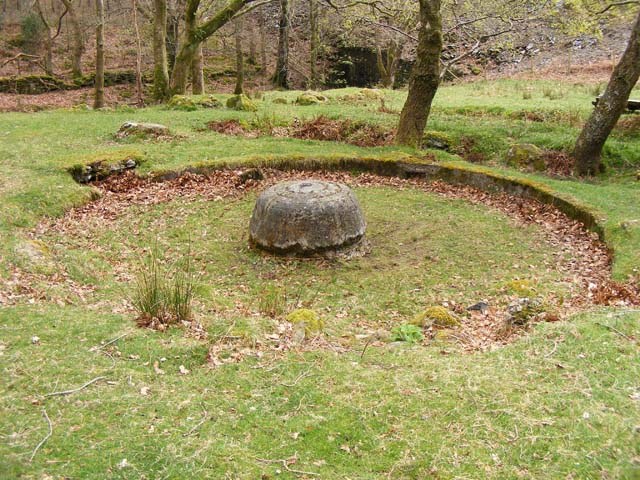


Ore Dressing
ہدایات
Find the liberation size
Find the liberation size
You cannot separate two minerals until they are physically separate particles.
- Break a piece of mixed rock coarsely and look at the fragments with a lens.
- Note how many pieces still contain BOTH minerals joined.
- Crush finer and look again.
اس مرحلے کے لیے مواد:
 محدب عدسہ1 ٹکڑا
درکار اوزار:
 نقاشی کا لکڑی کا ہتھوڑا
Size the crushed material
Size the crushed material
Separation by density only works on particles of similar size.
- Screen the crushed ore into two or three size fractions.
- Keep them separate from here on.
- Weigh each fraction.
درکار اوزار:
 ڈیجیٹل باورچی خانہ ترازو
 ۶۰ میش کی چھلنی
 درجہ بندی کی چھلنی
Build a buddle
Build a buddle
A gentle slope, a thin film of water, and time.
- Set a shallow board at a slight incline with a water supply at the head.
- Feed sized ore slowly onto the top.
- Let a thin sheet of water carry material down the slope.
اس مرحلے کے لیے مواد:
 سفید بلوط کا تختہ1 board
Calculate recovery and grade
Calculate recovery and grade
Two numbers judge every separation, and they fight each other.
- Weigh the feed, the concentrate and the tailings.
- Grade = how rich the concentrate is.
- Recovery = what fraction of the valuable mineral ended up in the concentrate.
History and context
History and context
Georgius Agricola's De Re Metallica of 1556 illustrates this whole sequence — crushing stamps, washing buddles, sizing sieves — in woodcuts detailed enough to work from, and it remained the standard text for two centuries. It is one of the earliest books that treats industrial process as a subject worth systematic description.
Who did the work matters. On Cornish mines the surface dressing floors were worked largely by women and children — the bal maidens — breaking and washing ore in the open air for low pay. The same pattern held in the German and Bohemian mining districts. The technology is usually described without them, and it should not be.
The nineteenth century mechanised it with jigs that pulse water up through a bed of ore, shaking tables with riffles that walk heavy and light particles in different directions, and eventually froth flotation around 1900 — which separates minerals by surface chemistry rather than density and made low-grade copper ores economic for the first time. Flotation is arguably the single most consequential development in mineral processing, and it works on differences a buddle cannot see.
The tailings are the long tail. Fine ground rock left in ponds is chemically reactive in ways solid rock is not — sulphide minerals oxidise and generate acid mine drainage that can run for centuries. Historic dressing floors across Cornwall, Wales and the Harz still contaminate their catchments. Making the mineral available also made the waste available.
درکار اوزار
4- پلیس ہولڈر
- پلیس ہولڈر
- پلیس ہولڈر
- پلیس ہولڈر
متعلقہ بلیو پرنٹ
یہ بلیو پرنٹ علم بانٹتے ہیں — تکنیک، مواد یا اصول


CC0 پبلک ڈومین
یہ بلیو پرنٹ CC0 کے تحت جاری کیا گیا ہے۔ آپ اجازت لیے بغیر اس کام کو نقل، ترمیم، تقسیم اور کسی بھی مقصد کے لیے استعمال کرنے کے لیے آزاد ہیں۔
میکر کی حمایت کریں ان کے بلیو پرنٹ کے ذریعے پروڈکٹس خرید کر جہاں وہ میکر کمیشن وینڈرز کی طرف سے مقرر، کماتے ہیں، یا اس بلیو پرنٹ کی نئی تکرار بنائیں اور آمدنی شیئر کرنے کے لیے اسے اپنے بلیو پرنٹ میں کنکشن کے طور پر شامل کریں۔