فن
خوبصورتی اور تندرستی
دستکاری
ثقافت اور تاریخ
تفریح
ماحول
خوراک اور مشروبات
ریورس انجینئرنگ
سائنسز
کھیل
ٹیکنالوجی
پہننے والے آلات
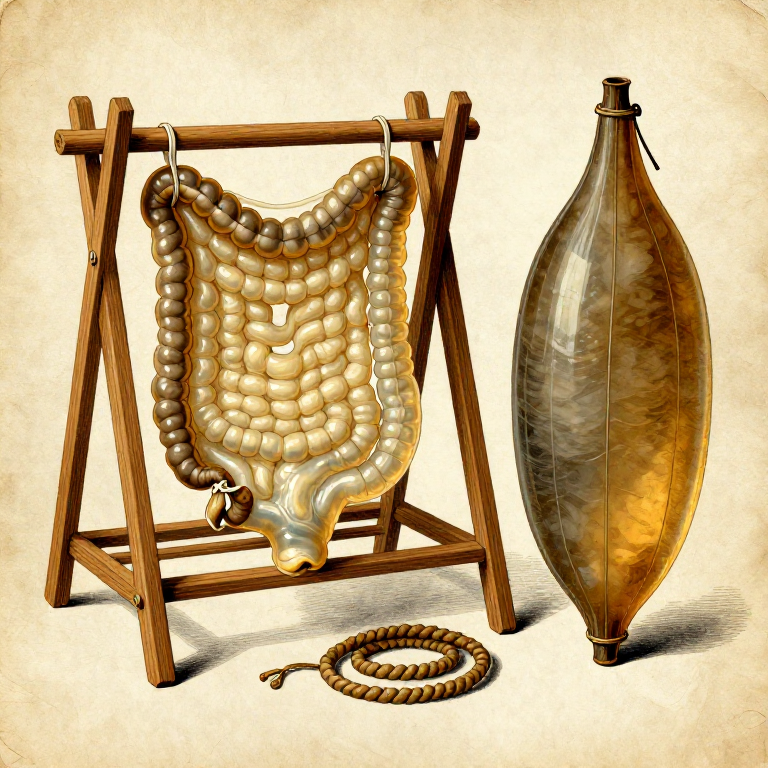


Preparing Animal Gut for Cord and Containers — Waterproof Material from Intestines
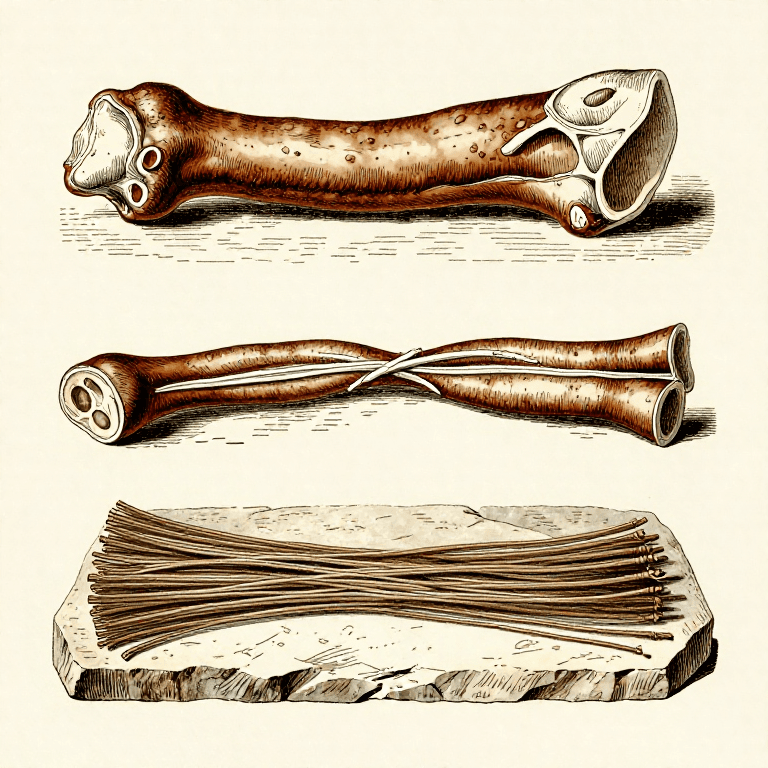
Animal intestines are a remarkable natural material: strong, elastic, naturally waterproof, and available from every large animal harvested for food. Prepared gut was used worldwide for thousands of years to make waterproof containers (water bags, storage pouches, floats), strong cord and thread (catgut, which is actually made from sheep or goat intestine), sausage casings, drum heads, window coverings, and even rainproof clothing (Inuit gut-skin parkas). The preparation process involves cleaning, defatting, scraping to remove the mucosa, and drying under tension. The resulting material is translucent, surprisingly strong in tension, and resists water penetration. This blueprint teaches the complete cleaning and preparation process that transforms raw intestine into a versatile craft and survival material.
درمیانہ
3-4 hours (plus drying time)
ہدایات
1
1
Remove the Intestines Promptly After Butchering
Remove the Intestines Promptly After Butchering
The intestines must be removed from the carcass as soon as possible after the animal is killed — within 1 to 2 hours in warm weather. Bacteria begin breaking down gut tissue rapidly once the animal dies. Carefully separate the intestinal tract from the mesentery (the fatty membrane that holds the gut coils together) using a sharp flint blade, working gently to avoid puncturing the intestine walls.
اس مرحلے کے لیے مواد:
 جانور کی آنت
2
2
Separate and Empty the Intestinal Sections
Separate and Empty the Intestinal Sections
Separate the small intestine from the large intestine and stomach. The small intestine is the most useful section — it is long (6 to 8 metres in a deer, 20+ metres in cattle), uniform in diameter, and has thinner, more flexible walls. Squeeze the contents out by running the intestine between two fingers, working from one end to the other, pushing material toward the open end.
3
3
Turn the Intestine Inside Out
Turn the Intestine Inside Out
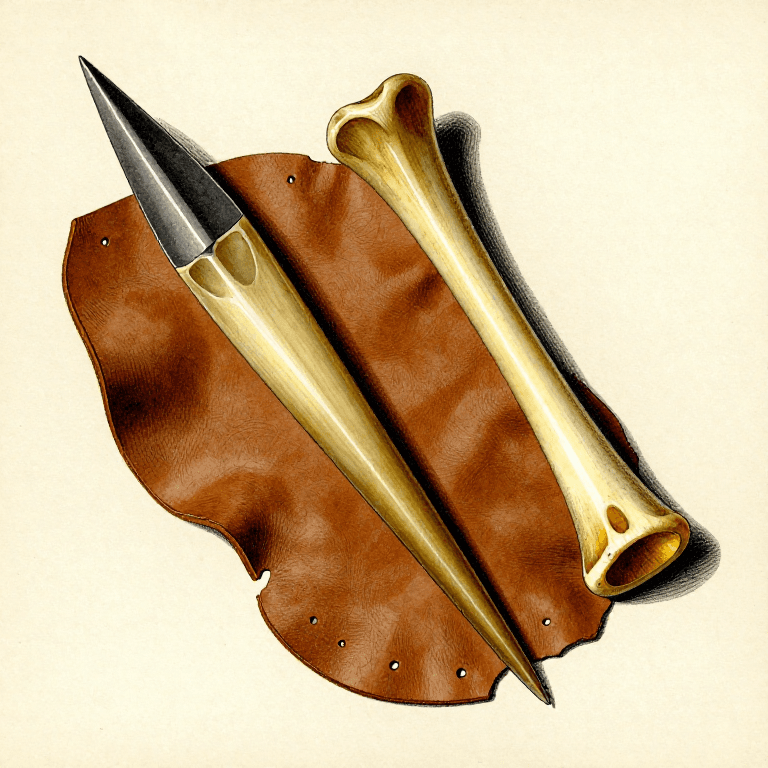
Using a thin stick or bone rod, push the closed end of the intestine inward until it begins to invert, like turning a sock inside out. Continue pushing until the entire length is reversed, exposing the inner mucosa layer. This inner surface must be removed because it contains digestive enzymes and bacteria that will cause the gut to decompose.
درکار اوزار:
 ہڈی کی سلاخ
4
4
Soak in Cold Running Water
Soak in Cold Running Water
Place the inverted intestine in cold running water (a stream is ideal) and leave it for 4 to 12 hours. The flowing water flushes out remaining contents, blood, and loose tissue. Change the water if using a still container. Cold water slows bacterial growth and firms the tissue, making it easier to scrape in the next step. Do not use warm water — it softens the tissue too much.
5
5
Scrape Off the Mucosa Layer
Scrape Off the Mucosa Layer
Lay the soaked intestine flat on a smooth board or flat stone. Using the back of a flint blade or a smooth bone scraper, gently scrape the exposed inner surface to remove the soft, slimy mucosa layer. Work in one direction with firm, even strokes. The mucosa peels away in sheets, revealing the tough submucosa and muscle layers beneath. These structural layers are what give prepared gut its strength.
درکار اوزار:
 چپٹی پتھر کی سل
 چقماق کا پھل
6
6
Remove External Fat and Mesentery
Remove External Fat and Mesentery
Turn the intestine right-side out again and scrape the outer surface to remove any remaining fat and mesenteric tissue. Fat left on the gut will turn rancid during storage and weaken the material. Be thorough but gentle — you want to remove fat without tearing the muscle wall. A dull bone scraper works better than a sharp edge for this step.
7
7
Soak in Salt Water or Wood Ash Solution
Soak in Salt Water or Wood Ash Solution
Prepare a solution of wood ash in water (roughly a handful of hardwood ash per litre) or salt water if salt is available. Soak the cleaned gut in this solution for 12 to 24 hours. The alkaline ash water (lye) or salt further preserves the tissue, kills remaining bacteria, and begins to cross-link the collagen proteins, making the dried gut stiffer and more durable.
اس مرحلے کے لیے مواد:
 سخت لکڑی کی راکھ
8
8
Rinse Thoroughly After Soaking
Rinse Thoroughly After Soaking
Remove the gut from the soaking solution and rinse it thoroughly in several changes of clean cold water. Squeeze gently along the length to expel solution from inside the tube. The gut should now feel clean, slightly slippery but not slimy, and free of any foul odour. If it still smells strongly, soak for another 12 hours in fresh solution and rinse again.
9
9
Inflate and Dry for Waterproof Containers
Inflate and Dry for Waterproof Containers
To make a waterproof container or float, tie off one end of the cleaned gut tube with sinew cord. Inflate the tube by blowing air in through the open end (use a hollow reed if the opening is small). Tie off the open end while inflated. Hang the inflated gut in shade with good airflow to dry over 2 to 3 days. The dried inflated gut becomes a rigid, translucent, waterproof vessel.
اس مرحلے کے لیے مواد:
 پٹھے کی ڈوری
10
10
Dry Flat for Sheet Material
Dry Flat for Sheet Material
To produce flat sheets (for window coverings, drum heads, or clothing panels), slit the cleaned tube lengthwise and open it flat. Stretch the sheet on a frame of sticks, tying the edges with cordage to maintain tension as it dries. Drying under tension prevents the gut from curling and produces a flat, translucent membrane that transmits light like oiled paper.
11
11
Twist into Cordage (Catgut)
Twist into Cordage (Catgut)
For strong cord, cut the cleaned gut into strips 3 to 5 mm wide along the length. Twist 2 to 3 strips together while still damp using the reverse-wrap technique. Tie the twisted cord under tension to a drying frame. As the gut dries it shrinks and tightens, producing an extremely strong, round cord. This is the same material historically used for violin strings, tennis rackets, and surgical sutures.
12
12
Oil the Dried Gut for Flexibility
Oil the Dried Gut for Flexibility
Dried gut is strong but becomes brittle if not maintained. Rub a thin coat of animal fat or fish oil into the dried material to keep it supple. For containers and floats, oiling also improves waterproofing. Store unused gut material in a dry place — it keeps indefinitely if dry and oiled. To restore flexibility before use, soak briefly in lukewarm water for 10 to 15 minutes.
اس مرحلے کے لیے مواد:
 حیوانی چربی
مواد
4- 1 ٹکڑاپلیس ہولڈر
- 1 ٹکڑاپلیس ہولڈر
- 1 ٹکڑاپلیس ہولڈر
- 1 ٹکڑاپلیس ہولڈر
درکار اوزار
3- پلیس ہولڈر
- پلیس ہولڈر
- پلیس ہولڈر
یہ بلوپرنٹ بناتا ہے

متعلقہ بلیو پرنٹ
یہ بلیو پرنٹ علم بانٹتے ہیں — تکنیک، مواد یا اصول
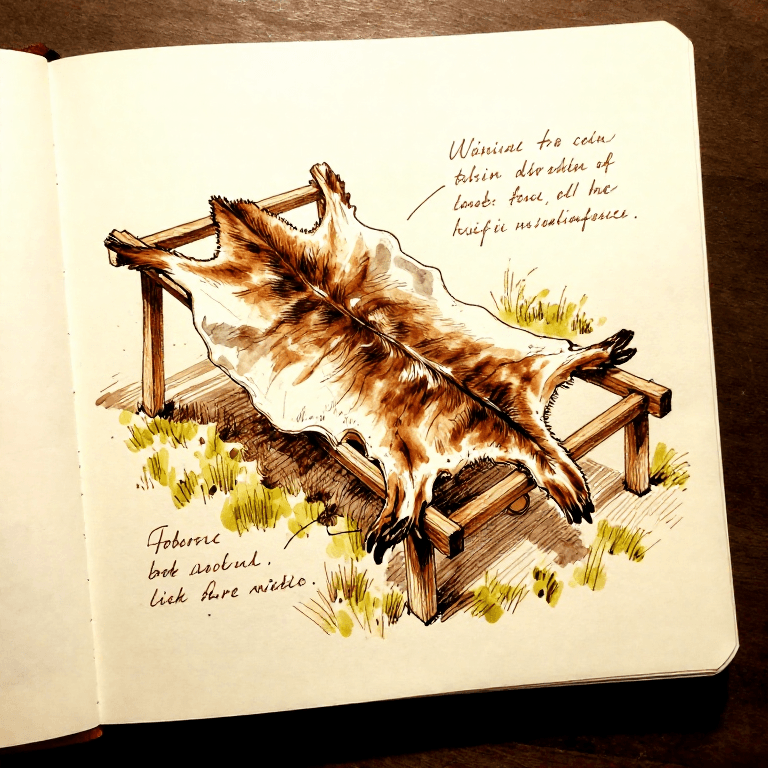

CC0 پبلک ڈومین
یہ بلیو پرنٹ CC0 کے تحت جاری کیا گیا ہے۔ آپ اجازت لیے بغیر اس کام کو نقل، ترمیم، تقسیم اور کسی بھی مقصد کے لیے استعمال کرنے کے لیے آزاد ہیں۔
میکر کی حمایت کریں ان کے بلیو پرنٹ کے ذریعے پروڈکٹس خرید کر جہاں وہ میکر کمیشن وینڈرز کی طرف سے مقرر، کماتے ہیں، یا اس بلیو پرنٹ کی نئی تکرار بنائیں اور آمدنی شیئر کرنے کے لیے اسے اپنے بلیو پرنٹ میں کنکشن کے طور پر شامل کریں۔