فن
خوبصورتی اور تندرستی
دستکاری
ثقافت اور تاریخ
تفریح
ماحول
خوراک اور مشروبات
ریورس انجینئرنگ
سائنسز
کھیل
ٹیکنالوجی
پہننے والے آلات
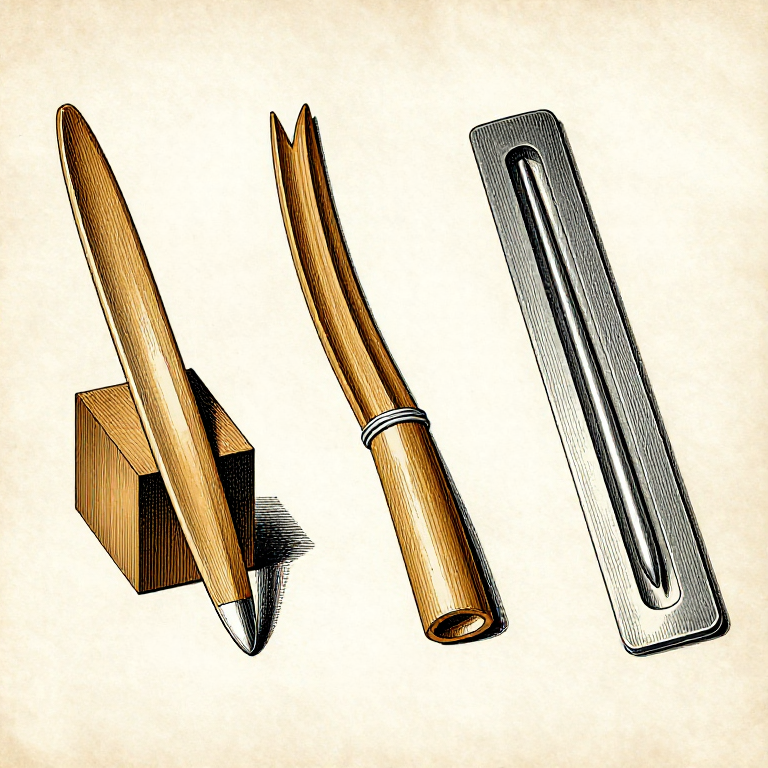


Reeds That Speak: Beating, Double and Free
A reed is a valve that opens and closes hundreds of times a second, chopping a steady breath into a train of puffs. Everything downstream — the bore, the tone holes, the bell — shapes what those puffs become.
There are three families and they work differently enough that a maker has to know which one is in hand. A **beating** reed slaps against a fixed surface. A **double** reed beats against another reed. A **free** reed swings through a slot it just fits and touches nothing at all.
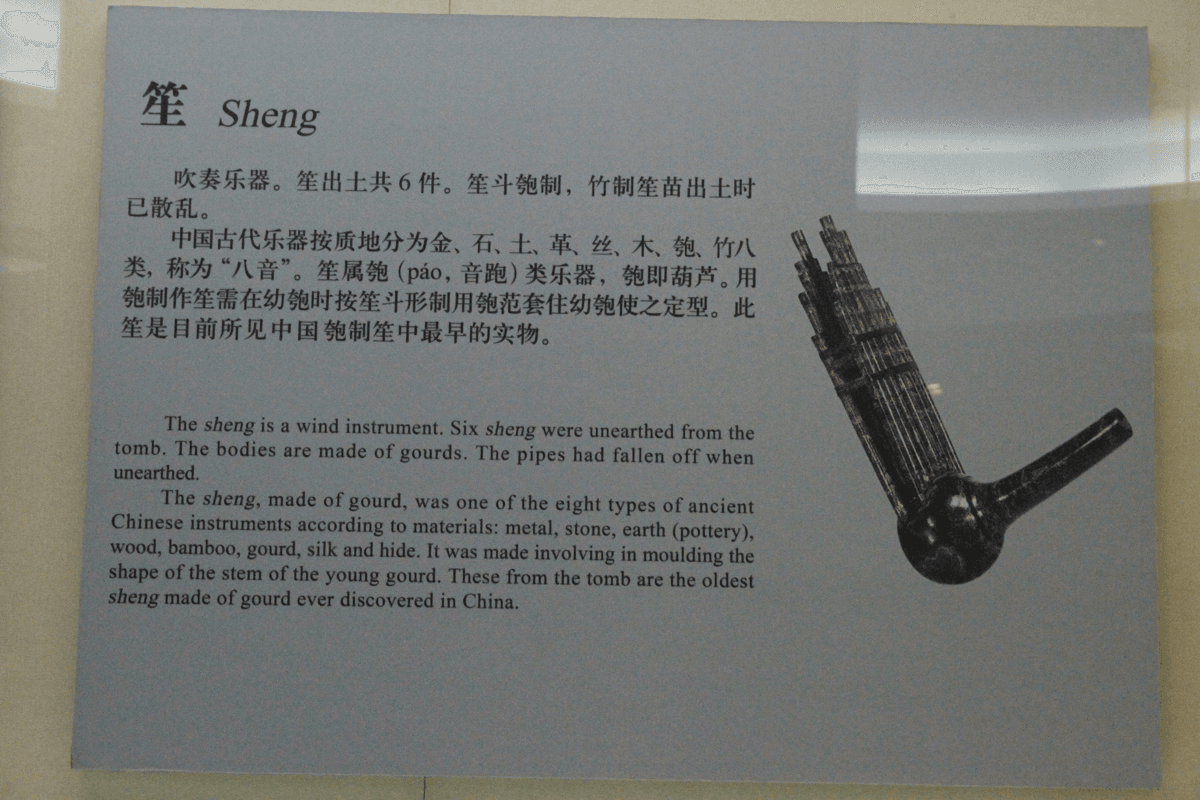
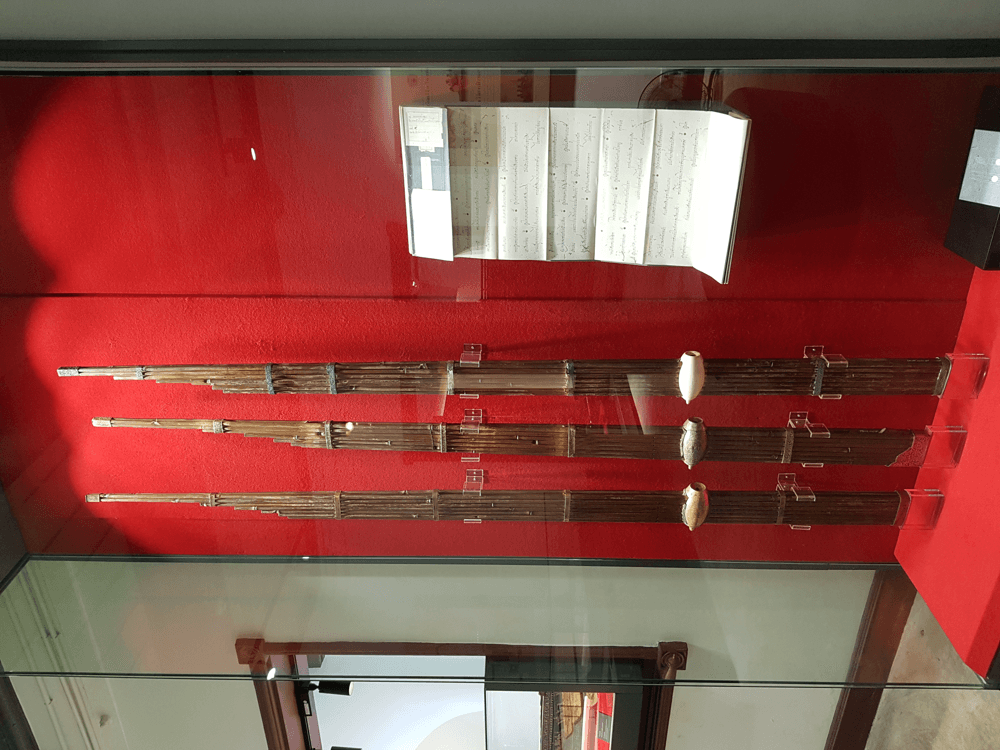
The first two let the air column set the pitch. The third sets its own, which is why the sheng and the khaen behave so unlike a clarinet.
اعلیٰ
5 hours
ہدایات
1
1
Beating reeds: the air column is in charge
Beating reeds: the air column is in charge
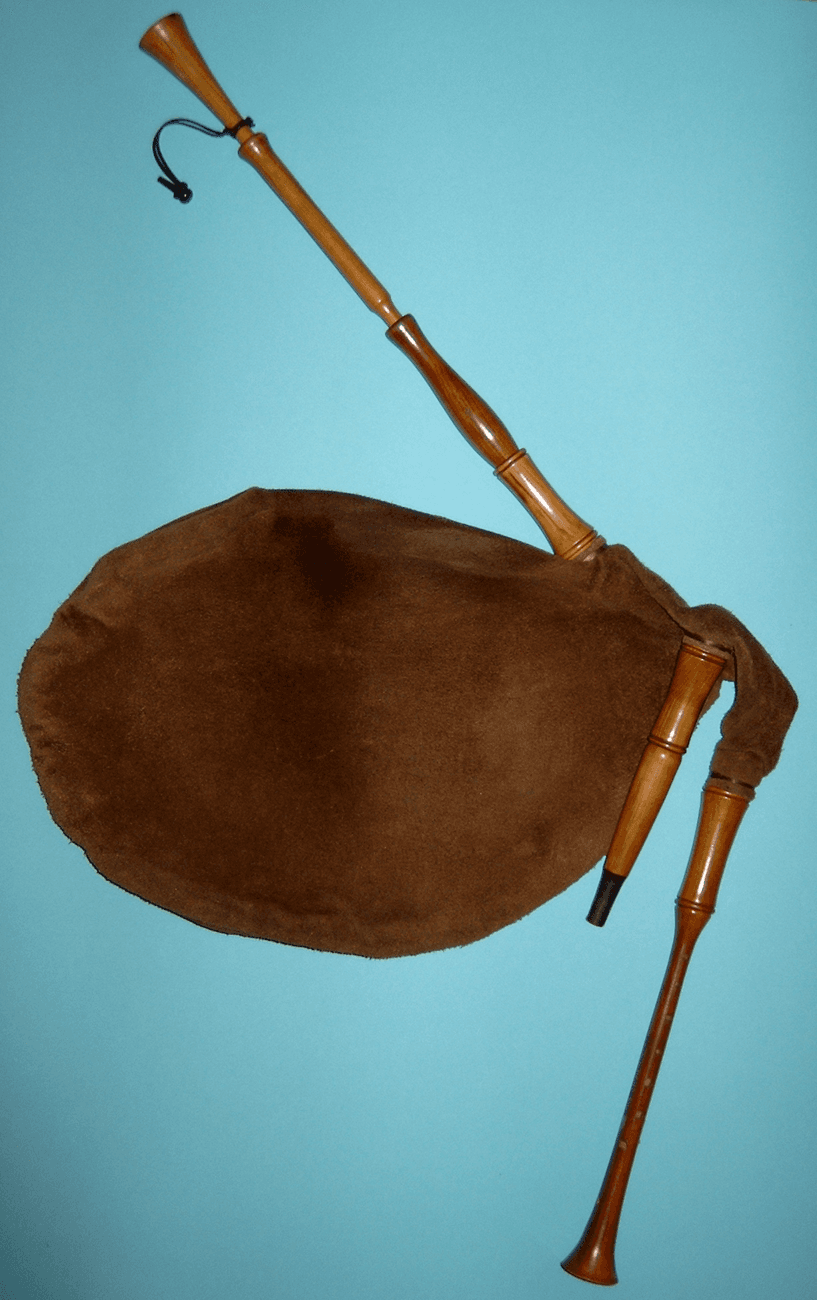
A single beating reed — a clarinet's, a bagpipe drone's, the idioglot tongue cut into the wall of a cane tube in the oldest instruments — is a flexible tongue held over an opening. Air flowing past it pulls it closed, the flow stops, the pressure equalises, it springs open, and the cycle repeats.
The crucial fact for the maker: **the reed does not choose the frequency, the air column does.** A reed whose own natural frequency is well above the pipe's resonance will be driven at the pipe's frequency. That is why one clarinet reed plays every note on the instrument.
What the reed's own stiffness decides is the RANGE it can be driven over, and how hard it is to play. Too soft and it slams shut under pressure and stops speaking; too hard and it barely moves and the instrument is exhausting to play.
A reed acts as a closed end, so a cylindrical reed pipe overblows to the twelfth and gives only odd harmonics — the same physics the bore rung worked through.
اس مرحلے کے لیے مواد:
 خشک سرکنڈا2 ٹکڑے
درکار اوزار:
 ڈیجیٹل ورنیئر کیلیپر ۶ انچ
 باریک ریتیوں کا سیٹ
 کلارینٹ ریڈ سیٹ (سختی 2.5)
2
2
Double reeds: two blades, and the scrape is the instrument
Double reeds: two blades, and the scrape is the instrument
A double reed is two blades of cane bound around a tube, meeting at the tip. They beat against each other rather than against a table.
Almost all of the tone is in the **scrape** — the profile to which the blades are thinned. A blade is thickest at the spine and thinnest at the tip, and how that thickness falls away decides the pitch, the response and the sound. The scrape is measured in hundredths of a millimetre and it is why reed making is the craft it is.
Cane is *Arundo donax*, grown for the purpose, cut, sun-dried and seasoned for a year or more. The reed is split from a tube, gouged to an even thickness on the inside, shaped, folded, bound to a staple and then scraped.
Work from the calculation of nothing and the tip outwards: scrape a little, play it, scrape a little more. Cane cannot be put back, which makes this the same discipline as the tone hole rung.
A finished reed lasts a matter of weeks in use, so a player of an oboe, a bassoon or a shawm is a reed maker whether they wanted to be or not.
اس مرحلے کے لیے مواد:
خشک سرکنڈا3 ٹکڑےدرکار اوزار:
ڈیجیٹل ورنیئر کیلیپر ۶ انچ مائیکرو میٹرباریک ریتیوں کا سیٹ
 باریک ریگمال
 اوبوا کی نلکی بنانے کی کٹ
3
3
Free reeds: the tongue sets its own pitch
Free reeds: the tongue sets its own pitch
A free reed is a tongue cut so that it swings THROUGH its frame rather than onto it. It never closes the gap, so the airflow is modulated rather than chopped, and the tongue vibrates at its own natural frequency.
That changes everything for the maker. **One reed gives one note.** A sheng, a khaen, an accordion or a harmonica needs a separate reed for every pitch, and each is tuned individually.
Tuning is done by removing metal, and where matters:
**Thin the tongue near its free TIP** and you remove mass from where the motion is greatest. The pitch goes UP.
**Thin it near the fixed ROOT** and you remove stiffness from where the bending happens. The pitch goes DOWN.
Those two are the entire tuning vocabulary of every free-reed instrument, and they are worth testing on scrap before touching a finished reed.
The pipe over a free reed is a resonator that reinforces and colours the note the tongue has already chosen. It is tuned to the reed, not the other way about — the opposite of a clarinet.
اس مرحلے کے لیے مواد:
 پیتل کی پتری (رِیڈ کے لیے)2 ٹکڑے
 بانس2 ٹکڑے
 موم1 ٹکڑا
درکار اوزار:
باریک ریتیوں کا سیٹڈیجیٹل ورنیئر کیلیپر ۶ انچ کرومیٹک ٹیونر اور میٹرونوم (کلپ والا)
 فیلر گیج کا سیٹ
4
4
Seasoning, sealing and why reeds die
Seasoning, sealing and why reeds die
**Cane has to be seasoned.** Freshly cut *Arundo* is full of water and sugars; reeds made from it warp and go soft within days. A year of drying under cover, and two is better. This is the same requirement as any instrument timber and for the same reason.
**A cane reed dies from waterlogging and from fatigue.** The cane takes up moisture from the breath, the fibres soften, and the carefully scraped profile becomes a limp one. Drying between sessions extends its life; nothing saves it in the end.
**A metal free reed dies from fatigue or dirt.** The tongue is a spring bent millions of times; it eventually cracks at the root. Long before that, dust or a hair in the slot stops it dead — which is the commonest fault on an old accordion, and it is fixed with a sliver of paper, not a file.
**Seal the wind way.** On a free-reed instrument the reed is waxed into its plate, and any leak past it is air that does no work. Beeswax with a little rosin is the traditional mix and it is still what is used. A sheng or a khaen that has gone quiet and hard to blow usually needs its wax renewed, not its reeds replaced.
اس مرحلے کے لیے مواد:
خشک سرکنڈا3 ٹکڑےموم1 ٹکڑاپیتل کی پتری (رِیڈ کے لیے)1 ٹکڑادرکار اوزار:
ڈیجیٹل ورنیئر کیلیپر ۶ انچباریک ریتیوں کا سیٹمواد
4- 3 ٹکڑےپلیس ہولڈر
- پلیس ہولڈر
- 2 ٹکڑےپلیس ہولڈر
- 2 ٹکڑےپلیس ہولڈر
درکار اوزار
8- پلیس ہولڈر
- پلیس ہولڈر
- پلیس ہولڈر
- پلیس ہولڈر
- پلیس ہولڈر
- پلیس ہولڈر
- پلیس ہولڈر
- پلیس ہولڈر
متعلقہ بلیو پرنٹ
یہ بلیو پرنٹ علم بانٹتے ہیں — تکنیک، مواد یا اصول
CC0 پبلک ڈومین
یہ بلیو پرنٹ CC0 کے تحت جاری کیا گیا ہے۔ آپ اجازت لیے بغیر اس کام کو نقل، ترمیم، تقسیم اور کسی بھی مقصد کے لیے استعمال کرنے کے لیے آزاد ہیں۔
میکر کی حمایت کریں ان کے بلیو پرنٹ کے ذریعے پروڈکٹس خرید کر جہاں وہ میکر کمیشن وینڈرز کی طرف سے مقرر، کماتے ہیں، یا اس بلیو پرنٹ کی نئی تکرار بنائیں اور آمدنی شیئر کرنے کے لیے اسے اپنے بلیو پرنٹ میں کنکشن کے طور پر شامل کریں۔